Bow Hunting · Comparison
Bow vs Crossbow for Hunting: A Beginner's Decision Guide
Neither one is the “real” way to bowhunt — here is what actually separates them, and an honest rule for picking one first.
Disclosure: Creek Cover is reader-supported. If you buy through our links we may earn a commission, at no extra cost to you. It never changes which pick we tell a beginner to start with. Full disclosure.
Quick picks at a glance
Tap a pick to read the full write-up, or the price button to check it on Amazon.
- 1
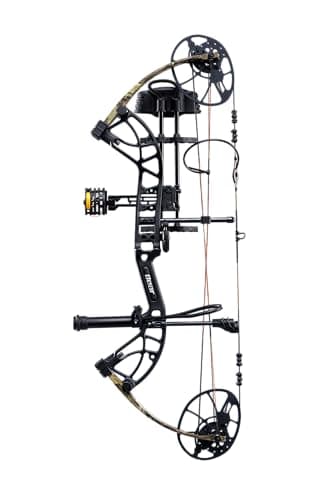
The same adjustable range that makes it the easiest first compound also makes it the fairest way to try vertical archery: dial the draw weight down while you learn form, then work it up toward a hunting-legal poundage over a season, all on one bow.
Best for: If you want the vertical-bow challenge9.0 - 2
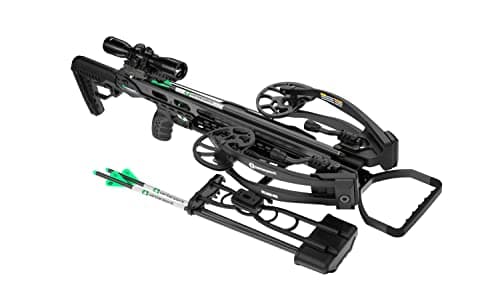
Comes as a complete hunt-ready kit — scope, quiver, bolts, broadheads, sling, and case — and cocks, aims, and holds like a rifle, so someone with limited practice time or a shoulder that can't draw a bow can be legitimately hunting-ready in a weekend.
Best for: If you want to hunt this season8.7
| # | Product | Best for | Score | Price |
|---|---|---|---|---|
| 1 | Bear Archery Cruzer G4 RTH The same adjustable range that makes it the easiest first compound also makes it the fairest way to try vertical archery: dial the draw weight down while you learn form, then work it up toward a hunting-legal poundage over a season, all on one bow. | If you want the vertical-bow challenge | 9.0 | $419.99View on Amazon#ad |
| 2 | CenterPoint Hellion 400 HRK Comes as a complete hunt-ready kit — scope, quiver, bolts, broadheads, sling, and case — and cocks, aims, and holds like a rifle, so someone with limited practice time or a shoulder that can't draw a bow can be legitimately hunting-ready in a weekend. | If you want to hunt this season | 8.7 | $429.00View on Amazon#ad |
Bow vs crossbow isn’t really a question about which weapon is “better” — it’s a question about your time, your body, and your state’s rulebook. A compound bow is more physically demanding to learn and pays you back with a skill you’ll have forever. A crossbow is closer to a rifle to learn and can get a genuinely new hunter legitimately hunting-ready in a weekend. Neither is a shortcut, and neither is automatically the “real” way to bowhunt. If you want the short answer: the Bear Cruzer G4 is the honest way to try the vertical-bow challenge, and the CenterPoint Hellion 400 HRK is the honest way to be hunting this season with the least amount of practice required. The rest of this guide walks through why.
The real decision: time, body, and season rules
Three questions decide this for almost everyone, and none of them are about which tool is more advanced. First: how many weeks do you actually have to practice before your season opens? Building a repeatable, ethical shot with a vertical bow takes real range time — dozens of sessions, not a couple of afternoons. Second: can you comfortably draw and hold a bow at full weight, over and over, from an awkward position in a stand or blind? A shoulder injury, limited upper-body strength, or simply not having practiced in years is a legitimate reason to pick a crossbow, not an excuse. Third: what does your state actually allow, and when? Many states now allow crossbows during archery season for any hunter, some restrict early archery season to vertical bows and open it to crossbows later, and a few still treat crossbow hunting as its own separate season. That last question is the one detail we won’t generalize for you — check your state wildlife agency’s current regulations before you buy either setup.
| What matters | Vertical bow (compound) | Crossbow |
|---|---|---|
| Time to be hunt-ready | Weeks of dedicated practice to build form, strength, and consistent aim | Often days — cock it, mount and zero the scope, and shoot groups the way you'd sight in a rifle |
| Season access | Legal during every archery season | Allowed during archery season in many states, but rules vary widely — verify yours before you buy |
| Physical demand | You draw and hold the full weight by hand on every single shot | A crank or rope cocks it once; after that the trigger holds it at full draw for you |
| Shots before reloading | Reload from your quiver after every shot — no mechanical step in between | One bolt per shot, then a full re-cock before you can fire again |
| Weight & portability | Lighter and more compact to carry all day and maneuver in a blind or stand | Bulkier and heavier — closer to carrying a rifle than a bow |
| Entry cost | A complete ready-to-hunt package lands in a comparable range to a crossbow kit | Comparable to a compound package; extras like a crank cocker can add to it |
Notice what the table doesn’t say: that one platform is more effective at putting a deer down. At normal bowhunting ranges, a well-placed shot from either one is lethal. The real differences are in the process of getting to that shot — how long it takes to get proficient, how much your body has to do on every single rep, and how many chances you get in the woods before you have to reset.
What a crossbow is like to learn and shoot
A crossbow behaves like a compact rifle with a string. You cock it — by hand, with a rope cocker, or with a crank, depending on the draw weight — mount a scope, and zero it at a bench the same way you’d zero a rifle scope: shoot a group, adjust the turrets, confirm at your practical hunting range. Because the trigger holds the string at full draw indefinitely, there’s no fatigue or wobble from holding weight while you wait for a shot to develop. That single difference is why a genuinely new hunter can go from unboxing to printing tight groups in a weekend rather than a season. The trade-off shows up after the shot: you have one bolt loaded, and re-cocking — especially by hand on a heavier crossbow — takes real effort and time you won’t have if a second deer is still in range. Crossbows are also heavier and bulkier to carry and to maneuver inside a tree stand or ground blind than a compound, so factor that into where and how you’ll actually be hunting.
What a vertical bow is like to learn and shoot
A compound bow asks more of you up front and pays it back with a skill that doesn’t depend on a scope zero or a cocking mechanism. You draw the full weight with your own back and shoulders on every shot, hold it steady while you settle your pin, and release with a consistent anchor point — all of it built through repetition. An adjustable draw weightlets you start light and build toward a hunting-legal poundage over a season instead of buying a second bow later, which is exactly what makes a bow like the Cruzer a reasonable first purchase rather than something you outgrow in a month. The upside of putting the practice in: you reload from your quiver after every shot with no mechanical step in between, the bow itself is lighter and more compact to carry all day, and archery season is open to you everywhere without exception. The honest downside is time — there is no version of this that skips the practice hours between buying the bow and being confident enough to take an ethical shot at a live animal.
Season access and legality: check your state
This is the one place where we won’t give you a specific rule, because it genuinely varies and changes year to year: some states allow crossbows for any hunter throughout the entire archery season, some restrict early archery season to vertical bows only, some require a disability permit for crossbow use outside a general firearms season, and minimum draw-weight or bolt-length requirements differ too. None of that is a reason to guess. Before you spend money on either setup, pull up your state wildlife agency’s current hunting digest, confirm which seasons your chosen weapon is legal in and any weight or broadhead requirements, and re-check it every year — these rules get revised more often than most hunters expect. Our license-basics guide is a good starting point for understanding how state regulations are structured, but the current-year specifics always come from your own state agency, not from us.
The verdict: which one to pick
Pick the crossbowif your practice time before season is limited, if drawing and holding a vertical bow isn’t realistic for your body right now, or if you simply want to be legitimately hunting-ready this season with the least gear-and-technique risk between you and opening day. Pick the compoundif you have real weeks to put into practice, you want the specific challenge and feel of vertical archery, and you’d rather build a skill over a season than buy a kit and go. Both are ethical, legal where your state allows them, and capable of taking a deer cleanly in the hands of someone who put in the work to be ready. If you’re still undecided, our compound vs recurve guide and how to start bow hunting walk through the practice path in more detail, and the beginner gear checklistcovers everything else you’ll need either way.
The picks in detail
Bear Archery Cruzer G4 RTH
9.0/10Best for: If you want the vertical-bow challenge
The same adjustable range that makes it the easiest first compound also makes it the fairest way to try vertical archery: dial the draw weight down while you learn form, then work it up toward a hunting-legal poundage over a season, all on one bow.
- Draw weight
- 5–70 lb (adjustable)
- Draw length
- 12–30" (adjustable)
- Speed
- ~315 fps
- Ready to hunt
- Ships with sight, rest, quiver, stabilizer
- Enormous adjustment range grows with you all season
- Ready-to-hunt package needs no separate accessory shopping
- Forgiving, tunable, and widely serviced by archery shops
- You hold the full draw weight yourself on every single shot
- Real practice hours are required before you're accurate enough to hunt ethically
CenterPoint Hellion 400 HRK
8.7/10Best for: If you want to hunt this season
Comes as a complete hunt-ready kit — scope, quiver, bolts, broadheads, sling, and case — and cocks, aims, and holds like a rifle, so someone with limited practice time or a shoulder that can't draw a bow can be legitimately hunting-ready in a weekend.
- Speed
- ~400 fps
- Kit includes
- Scope, quiver, bolts, broadheads, sling, case
- Handling
- Shoulders and points like a rifle
- At full draw
- Trigger holds it cocked until you fire
- Sighted in like a rifle — a fast, familiar learning curve
- Trigger holds the string, so there's no draw-strength barrier
- Complete kit needs nothing extra to start hunting
- Bulkier and heavier to carry and maneuver in a stand or blind
- One bolt at a time, then a full re-cock before the next shot
Prices shown are from Amazon as of Sep 5, 2026 and change often — the button always goes to the current listing. Some links may earn us a commission at no extra cost to you. How this works.
Frequently asked questions
Is a crossbow easier than a bow for beginners?
Yes, in the ways that matter most for a first season. A crossbow's trigger holds the string at full draw, so you aim and squeeze rather than hold a compound's weight steady with your own strength. Sighting one in is closer to a rifle than to archery, which shortens the learning curve considerably.
Can beginners hunt with a crossbow?
In most states, yes, and in a growing number of them anyone can use a crossbow during archery season regardless of experience or physical ability. Rules on legal seasons, minimum draw weight, and required broadhead type vary by state, so check your state wildlife agency's regulations before you buy or hunt.
Is a crossbow considered cheating?
Not among wildlife agencies: states that allow crossbows in archery season classify them as legal archery equipment, not a shortcut. Individual archers sometimes debate it, but the tool doesn't decide your ethics: shot placement, practice, and knowing your effective range matter more than which mechanism holds the string.
Which is better for a first deer?
Whichever one you'll actually practice with and can place an ethical shot with under pressure. A crossbow shortens the accuracy learning curve, which can matter more for a first deer than raw capability. If you have the weeks to build real proficiency with a compound, it's just as capable on that first shot.
Sources
- Archery Trade Association — beginner archery resources
- Bowhunter-Ed — crossbow & archery equipment basics
- Your state wildlife agency — confirm current archery-season equipment and season rules before you buy
Keep reading
Not sure where to start?
The beginner gear checklist walks you through exactly what a first-season hunter needs — essentials first, nice-to-haves later, with one safe-default pick per category.