Gear · Comparison
Hunting Boots vs Hiking Boots: What's the Difference?
They look similar on a shelf, but a dedicated hunting boot and a good hiking boot are built for different jobs. Here's the honest version of when it matters and when it doesn't.
Disclosure: Creek Cover is reader-supported. If you buy through our links we may earn a commission, at no extra cost to you. It never changes which pick we tell a beginner to start with. Full disclosure.
Quick picks at a glance
Tap a pick to read the full write-up, or the price button to check it on Amazon.
- 1
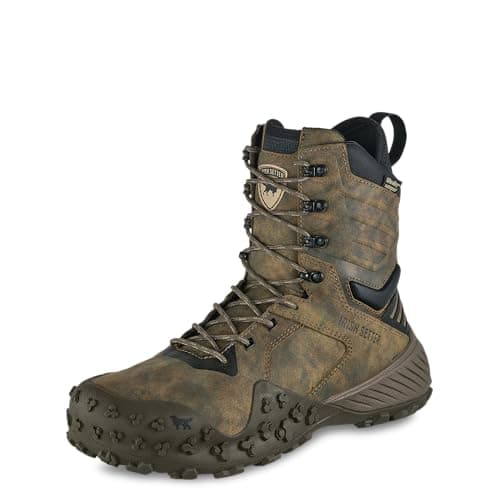
Lightweight for an 8-inch boot, genuinely waterproof, and built with a scent-control liner — the boot most beginners should land on once they're ready to buy a hunting-specific pair.
Best for: A first dedicated hunting boot9.0 - 2
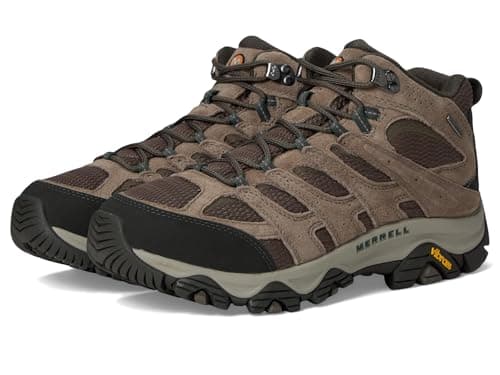
A genuinely great-value waterproof hiking boot. If you're already wearing these on trails, they're perfectly fine for a dry, early-season day hunt while you decide if you need something more specialized.
Best for: Early-season day hunts (or if you already own them)8.5
| # | Product | Best for | Score | Price |
|---|---|---|---|---|
| 1 | Irish Setter VaprTrek Lightweight for an 8-inch boot, genuinely waterproof, and built with a scent-control liner — the boot most beginners should land on once they're ready to buy a hunting-specific pair. | A first dedicated hunting boot | 9.0 | Check price on Amazon#ad |
| 2 | Merrell Moab 3 Mid Waterproof A genuinely great-value waterproof hiking boot. If you're already wearing these on trails, they're perfectly fine for a dry, early-season day hunt while you decide if you need something more specialized. | Early-season day hunts (or if you already own them) | 8.5 | $119.95View on Amazon#ad |
Set a hunting boot and a hiking boot side by side and they can look almost identical — leather or nylon upper, a lugged sole, laces up the front. But they’re built to solve different problems. A hiking boot is built to move you comfortably over miles of trail. A hunting boot is built to keep you warm, dry, quiet, and scent-managed while you sit still for hours, often in the dark, often in weather a hiker would turn back from. Neither is objectively “better” — the honest answer is that it depends on what you’re doing this weekend, which is what this page walks through.
The short version: if you’re moving all day on dry, mild-weather ground, a good hiking boot does the job. If you’re sitting still for hours in the cold, crossing wet ground, or trying to stay scent-managed near an animal with a good nose, a dedicated hunting boot earns its keep. The rest of this page breaks down exactly why, feature by feature, so you can make the call for your own first hunt instead of guessing.
| Feature | Hunting boot | Hiking boot |
|---|---|---|
| Insulation | Often insulated (rated in grams) for sitting still in cold weather | Usually uninsulated — built for the heat you generate while moving |
| Height / coverage | Typically 8-18", higher for brush, mud, and standing water | Usually low or mid-height (ankle) for mobility and weight savings |
| Scent control | Often includes scent-control liners or is compatible with scent sprays | No scent-control features — not designed with this in mind |
| Camo / color | Camo patterns or earth tones to stay visually low-key at close range | Bright, high-visibility colors are common and often the point |
| Tread / support | Aggressive, quiet-ish lugs for uneven ground, often stiffer underfoot | Aggressive, grippy lugs (e.g. Vibram) optimized for trail traction and flex |
| Weight | Heavier, especially insulated or knee-high styles | Lighter — built for covering ground efficiently |
| Price | Generally costs more for the added insulation and features | Generally less expensive for a comparable-quality build |
| Best use | Sitting still in cold, wet, or scent-sensitive conditions | Moving over mixed terrain in mild, dry conditions |
The real differences, in plain terms
Hiking boots are engineered around one main assumption: you’re moving. Your body is generating heat, your feet are flexing through a stride, and the boot’s job is to protect and support that motion mile after mile. Hunting boots are engineered around the opposite assumption a lot of the time: you’re going to stand or sit still for long stretches, often before dawn, often in weather that would send a day hiker home early. That single difference in assumption is where insulation, height, scent control, and even color all come from — they’re not random feature lists, they’re answers to “how do I stay comfortable and undetected while not moving.”
Which differences matter most depends on how you actually hunt. A hunter walking a ridge all morning glassing for movement generates plenty of body heat and mostly needs good tread and ankle support — insulation and scent control matter less. A hunter sitting in a treestand or ground blind before sunrise, waiting for a deer to walk within bow range, generates almost no heat at all and needs every advantage on warmth and scent. Neither style is more “serious” than the other — they just call for different boots.
Insulation, and how much you actually need
Insulation is rated in grams (200g, 400g, 800g, 1000g, 1200g+) — roughly, the weight of synthetic insulating fiber packed into the boot per square meter. More grams means warmer, but also heavier and less breathable if you’re moving a lot. A rough, honest starting point:
- Uninsulated to 200g:early-season hunts, mild weather, or any hunt where you’ll be walking more than sitting.
- 400g:a solid all-purpose middle ground — cool mornings, moderate cold, a mix of walking and sitting. This is where most beginners should start if they’re buying one insulated boot.
- 800g-1000g+: late-season, sitting still for hours in genuinely cold weather (think treestand or ground blind at first light in December, not a September walk-in hunt).
If you only own one hunting boot, a moderate insulation level around 400 grams covers the widest range of conditions without leaving you overheating on a warm afternoon or freezing at first light.
A good sock matters here almost as much as the boot. A single pair of thick, moisture-wicking wool-blend socks will keep your feet noticeably warmer and drier than a heavier boot paired with cotton socks, because damp feet lose heat fast no matter how much synthetic fill is packed around them. Bring a spare pair on longer sits — swapping into dry socks partway through a cold morning does more for comfort than most people expect.
Height and coverage
Hiking boots are usually low or mid-height, which keeps them light and lets your ankle flex naturally over miles of trail. Hunting boots run taller — commonly 8 to 18 inches — because that extra height keeps out dew-soaked grass, mud, briars, and shallow standing water that a low hiking boot lets straight in. If your hunt involves crossing a wet field at dawn or pushing through brush off-trail, the extra height on a dedicated hunting boot earns its keep fast.
Height also affects ankle stability. A taller shaft, laced snugly, gives your ankle more support when you’re carrying a pack over rocks, logs, and uneven creek banks in low light — exactly the terrain and timing a lot of hunts happen in. A low hiking boot trades that support for weight savings and a more natural stride, which is the right trade on a marked trail but a worse one when you’re picking your way through the dark toward a stand.
Scent control
This is one of the more genuine differences and the one hiking boots simply weren’t designed around. Many hunting boots use scent-control linings or are built from materials that hold less odor, because deer and other game rely heavily on smell to detect danger. A hiking boot has no such consideration built in — it’s optimized for breathability and comfort, not staying undetected. If you’re hunting animals that scent-check the wind before they show themselves, this is a real reason to eventually own a dedicated hunting boot rather than a marketing add-on.
A scent-control liner isn’t magic and it won’t replace paying attention to wind direction, but it’s one more layer working in your favor instead of against you. Rubber hunting boots take this the furthest — they hold almost no odor at all and are a popular choice specifically for that reason, though they trade away some of the comfort and ankle support a leather or nylon hunting boot offers over a long walk. Whatever boot you choose, keeping it clean and stored away from strong-smelling gear (gas, food, campfire smoke) does more for scent control than the boot material alone.
Camo, color, and why it’s not just looks
Hiking boots are often made in bright, high-visibility colors on purpose — it’s easier for a rescue party to spot you and easier for you to be seen on a shared trail. Hunting boots lean toward camo patterns or muted earth tones so they don’t stand out at close range, which matters more the closer your quarry gets and the more time you spend still rather than moving. For most beginner hunts this is a minor factor next to insulation and scent control, but it’s part of why the two categories don’t just borrow each other’s colorways.
How much color matters also depends on the hunt. A treestand hunter waiting on a deer that may pass within a few yards benefits from blending in more than someone glassing distant ridgelines from far away, where color is nearly irrelevant compared to staying still. Check your state’s hunting regulations too — many states require a set amount of blaze orange during firearm seasons regardless of what’s underneath it, so camo boots don’t exempt you from the orange requirements that apply to your outer layers.
Tread and support
Both categories use aggressive lugged outsoles, but they’re tuned differently. A hiking boot’s tread and midsole flex are optimized for a walking stride over rock and root, with support that favors mobility. A hunting boot’s sole is often a little stiffer and built to grip quietly on wet leaves, mud, and uneven ground while also supporting the extra weight of insulation and a taller shaft. Neither is “worse” — they’re tuned for a different day.
One more real difference: break-in time. Stiffer soles and taller shafts on a hunting boot usually mean a longer break-in period than a typical hiking boot, especially if there’s any leather in the upper. Don’t wear a new hunting boot for the first time on opening morning — walk in it around the yard and on a few short trails first so you find hot spots while you can still return it, not three miles from the truck.
When your hiking boots are genuinely fine to start
If you already own a decent pair of waterproof hiking boots like the Merrell Moab 3, there’s no need to buy a hunting-specific boot before your first hunt. They’re a reasonable, honest choice when:
- It’s early season and the weather is mild — you don’t need extra insulation.
- You’ll be walking more than sitting still.
- The ground is dry, or at most damp — not standing water or deep mud.
- Scent control isn’t a major factor for the game or method you’re using.
Plenty of first hunts happen successfully in a good pair of waterproof hiking boots. A September walk-in bow hunt on dry ground, an afternoon squirrel hunt in the woods behind a friend’s property, or a scouting trip to check trail cameras are all fine in hiking boots you already trust. Don’t let an incomplete gear closet stop you from getting out for a dry, mild-weather hunt — see the beginner gear checklist for what actually matters most on day one.
When to upgrade to a dedicated hunting boot
Upgrade once any of these becomes true for how you actually hunt: you’re sitting still for hours in cold weather and your feet get cold before anything else does; you’re regularly walking through standing water, deep mud, or wet brush that soaks through a low hiking boot; or scent control matters for the game you’re after and you want it built into the boot itself rather than sprayed on. At that point, a boot like the Irish Setter VaprTrek— waterproof, scent-control lined, and tall enough for real brush and mud — is worth the extra cost. For a broader shortlist beyond these two, see the best hunting boots for beginners.
A simple decision rule if you’re still not sure: think about your last hunt, or your planned next one. If cold feet, wet feet, or a spooked animal at close range were the thing that went wrong, upgrade. If nothing about the boots themselves was the problem, keep wearing what you have and put your gear budget toward optics or a field knife instead.
The picks in detail
Irish Setter VaprTrek
9.0/10Best for: A first dedicated hunting boot
Lightweight for an 8-inch boot, genuinely waterproof, and built with a scent-control liner — the boot most beginners should land on once they're ready to buy a hunting-specific pair.
- Height
- 8" (over-the-ankle coverage)
- Waterproofing
- Fully waterproof membrane
- Weight class
- Lightweight, all-purpose build
- Scent control
- Scent-control lining
- Waterproof without feeling like a rubber boot
- Scent-control lining built in — no add-on spray needed
- Light enough for a full day of walking, tall enough for brush and mud
- Not the warmest option for late-season sit-still cold
- Costs more than a general hiking boot
Merrell Moab 3 Mid Waterproof
8.5/10Best for: Early-season day hunts (or if you already own them)
A genuinely great-value waterproof hiking boot. If you're already wearing these on trails, they're perfectly fine for a dry, early-season day hunt while you decide if you need something more specialized.
- Height
- Mid-height (ankle)
- Waterproofing
- Waterproof membrane
- Tread
- Vibram outsole
- Insulation
- Uninsulated
- Excellent value, easy to find, easy to break in
- Vibram tread grips well on uneven ground
- Fine for early-season hunts in mild, dry conditions
- No scent-control features
- Not tall enough for deep brush, snow, or standing water
- Uninsulated — cold feet if you're sitting still in the cold
Prices shown are from Amazon as of Sep 5, 2026 and change often — the button always goes to the current listing. Some links may earn us a commission at no extra cost to you. How this works.
Frequently asked questions
Can I use hiking boots for hunting?
Yes, for a lot of first hunts. If it's early season, the weather is mild, the ground is dry, and you'll be walking more than sitting still, a good waterproof hiking boot works fine. Upgrade to a dedicated hunting boot once cold, wet ground, or scent control start to matter more.
What's the difference between hunting and hiking boots?
Hunting boots are typically taller, often insulated, and sometimes include scent-control linings, because they're built for standing or sitting still in cold, wet conditions. Hiking boots are lighter, lower, and uninsulated, built for comfortable movement over miles of trail instead.
Do I need insulated boots to hunt?
Not always. Insulation matters most when you're sitting still in cold weather, like a late-season sit at first light. For early-season, mild-weather, or walk-heavy hunts, an uninsulated waterproof boot is usually enough — save insulated boots for genuinely cold, still-hunting conditions.
Are rubber boots better for hunting?
Rubber boots have their place — they're fully waterproof and hold almost no scent, which is great for wet ground or scent-sensitive hunts. They're heavier and less supportive over long distances, though, so most beginners are better served by a waterproof leather or nylon hunting boot for general use.
Sources
Keep reading
Not sure where to start?
The beginner gear checklist walks you through exactly what a first-season hunter needs — essentials first, nice-to-haves later, with one safe-default pick per category.