Bow Hunting · Roundup
The Best Beginner Hunting Bows (2026)
Five bows a first-season hunter can actually grow into — with one safe-default pick, an honest look at what to skip, and the one feature that matters more than brand or speed.
Disclosure: Creek Cover is reader-supported. If you buy through our links we may earn a commission, at no extra cost to you. It never changes which pick we tell a beginner to start with. Full disclosure.
Quick picks at a glance
Tap a pick to read the full write-up, or the price button to check it on Amazon.
- 1
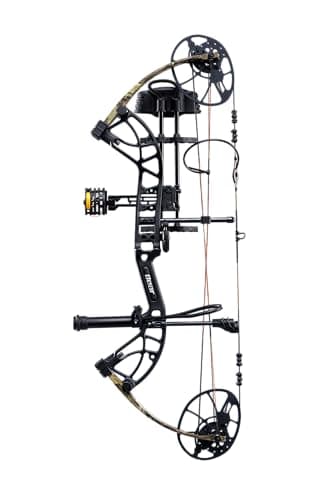
Adjusts from roughly 5 to 70 lb and 12 to 30 inches of draw, so one bow fits you now and after a season of practice — and it ships ready to hunt.
Best for: The all-around first bow9.2 - 2
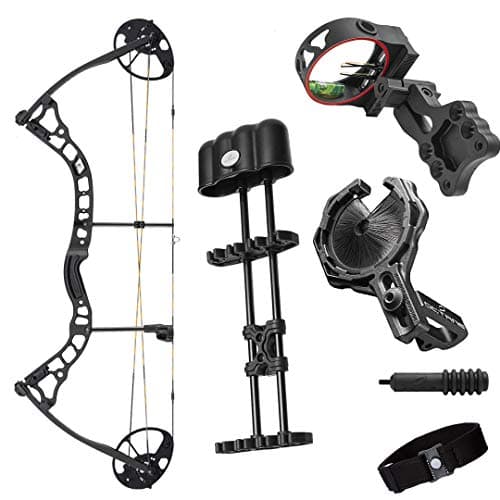
The same grow-with-you adjustability as the Cruzer with an especially smooth draw cycle, from the Bowtech family — a proven, forgiving first bow.
Best for: Smoothest adjustable draw8.9 - 3
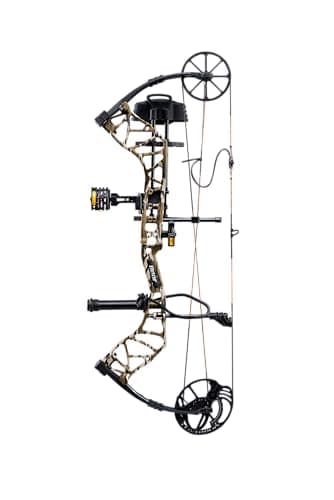
A little faster and stiffer than the Cruzer for a new archer who's already fit and wants a bow with more ceiling — still beginner-friendly and ready to hunt.
Best for: The athletic beginner's step-up8.6 - 4
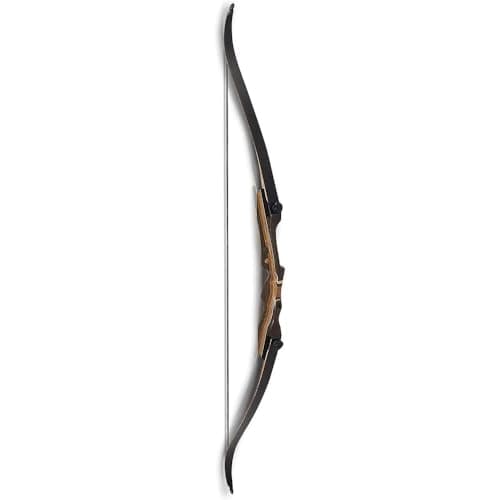
If you'd rather learn on a recurve, the Sage is the near-universal first traditional bow — inexpensive, takedown, and you can buy heavier limbs as you build strength.
Best for: The traditional route8.4 - 5
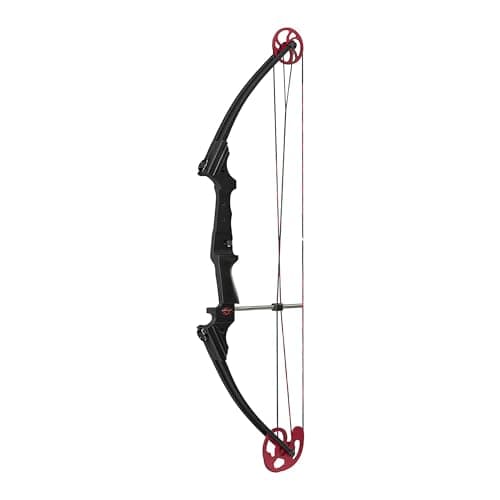
The standard archery-class bow: zero let-off and no fixed draw length means it fits anyone. Superb for learning form and for youth — but it's a target/training bow, not a deer-hunting bow on its own.
Best for: Youth & pure form practice8.0
| # | Product | Best for | Score | Price |
|---|---|---|---|---|
| 1 | Bear Archery Cruzer G4 RTH Adjusts from roughly 5 to 70 lb and 12 to 30 inches of draw, so one bow fits you now and after a season of practice — and it ships ready to hunt. | The all-around first bow | 9.2 | $419.99View on Amazon#ad |
| 2 | Diamond Archery Infinite 305 The same grow-with-you adjustability as the Cruzer with an especially smooth draw cycle, from the Bowtech family — a proven, forgiving first bow. | Smoothest adjustable draw | 8.9 | $349.95View on Amazon#ad |
| 3 | Bear Archery Species XT RTH A little faster and stiffer than the Cruzer for a new archer who's already fit and wants a bow with more ceiling — still beginner-friendly and ready to hunt. | The athletic beginner's step-up | 8.6 | $439.99View on Amazon#ad |
| 4 | Samick Sage Takedown Recurve If you'd rather learn on a recurve, the Sage is the near-universal first traditional bow — inexpensive, takedown, and you can buy heavier limbs as you build strength. | The traditional route | 8.4 | $149.99View on Amazon#ad |
| 5 | Genesis Original Bow The standard archery-class bow: zero let-off and no fixed draw length means it fits anyone. Superb for learning form and for youth — but it's a target/training bow, not a deer-hunting bow on its own. | Youth & pure form practice | 8.0 | $172.00View on Amazon#ad |
The best beginner hunting bow is not the fastest one or the one a pro shoots — it is the one that fits you today, still fits after a season of building strength, and comes ready to shoot without a $250 accessory bill. Every bow below clears that bar. If you want the short answer, it is the Bear Cruzer G4 above; the rest of this guide explains why, and when one of the others is a better fit.
How we picked these
We do not run a test lab, and we won’t pretend to. What we did instead: compiled the published specs and owner’s manuals for the current beginner-class bows, weighted the features that actually matter for a first-season archer (adjustability, whether it comes ready to hunt, forgiveness, and how well shops support it), and computed the honest total cost to get shooting. Our full method is on the how we research & pick page. Prices come from a live feed and are labeled with the date they were captured — we never type a number that can go stale.
The one feature that matters most: adjustability
A beginner compound that adjusts across a wide draw-length and draw-weight range is worth more than any brand name or speed rating. Here is why. You will almost certainly start at a lighter draw weight than you’ll shoot in a year, because good form at 45 pounds beats a white-knuckle 65. An adjustable bow lets you start light, dial it up a few pounds at a time as your back and shoulders adapt, and land at your hunting weight without buying a second bow. The Cruzer and the Infinite both do this across a huge range; the Species XT does it across a narrower, higher band for someone who’s already fit. Read what draw weight to start at before you set yours.
What a beginner can skip (for now)
You do not need a premium sight, a long stabilizer, a drop-away rest, or a chronograph in your first season. The ready-to-hunt packages above include a sight, rest, quiver and stabilizer that are perfectly good for learning and for a deer at 20–30 yards. Put the money you save into the things that actually make you a better shot: a target, a couple dozen arrows, and a decent release aid. We break the full first-year spend down in what a complete beginner bow setup really costs, and walk through the whole first-season process in how to start bow hunting.
Compound or recurve?
Most beginners should start with a compound — the let-off (the bow holding most of the weight for you at full draw) makes it far easier to aim steadily and learn good form. A recurve like the Samick Sage is cheaper and beautifully simple, but it holds none of the weight for you and demands more practice to shoot ethically at a deer. If you’re torn, our compound vs recurve for beginnersguide gives you a clean decision rule. And if a vertical bow’s draw is a physical barrier at all, a crossbow is a legitimate path — see the best beginner crossbows.
The picks in detail
Bear Archery Cruzer G4 RTH
9.2/10Best for: The all-around first bow
Adjusts from roughly 5 to 70 lb and 12 to 30 inches of draw, so one bow fits you now and after a season of practice — and it ships ready to hunt.
- Draw weight
- 5–70 lb (adjustable)
- Draw length
- 12–30" (adjustable)
- Speed
- ~315 fps
- Comes with
- Sight, rest, quiver, stabilizer
- Enormous adjustment range grows with you
- Ready-to-hunt package saves $150–250 in accessories
- Forgiving, tunable, widely serviced by shops
- Not the fastest bow on paper
- A touch heavier than premium rigs
Diamond Archery Infinite 305
8.9/10Best for: Smoothest adjustable draw
The same grow-with-you adjustability as the Cruzer with an especially smooth draw cycle, from the Bowtech family — a proven, forgiving first bow.
- Draw weight
- 7–70 lb (adjustable)
- Draw length
- 13–31" (adjustable)
- Speed
- ~305 fps
- Comes with
- Fully accessorized package
- Very smooth, easy-to-learn draw
- Wide adjustment range
- Strong resale/service network
- Package accessories are entry-level
- Slightly slower than the Cruzer
Bear Archery Species XT RTH
8.6/10Best for: The athletic beginner's step-up
A little faster and stiffer than the Cruzer for a new archer who's already fit and wants a bow with more ceiling — still beginner-friendly and ready to hunt.
- Draw weight
- 45–70 lb
- Draw length
- 20.5–30"
- Speed
- ~320 fps
- Comes with
- Ready-to-hunt package
- More speed and energy than entry bows
- Still comes ready to hunt
- Room to grow into
- Narrower low-end draw range
- Overkill if you're brand new to a bow
Samick Sage Takedown Recurve
8.4/10Best for: The traditional route
If you'd rather learn on a recurve, the Sage is the near-universal first traditional bow — inexpensive, takedown, and you can buy heavier limbs as you build strength.
- Type
- Takedown recurve
- Draw weight
- 25–60 lb (swap limbs)
- Length
- 62"
- Upgrade path
- Interchangeable limbs
- Cheapest legitimate hunting-capable route
- Swappable limbs grow with you
- Simple, nothing to tune
- Steeper learning curve than a compound
- No let-off — harder to hold at full draw
Genesis Original Bow
8.0/10Best for: Youth & pure form practice
The standard archery-class bow: zero let-off and no fixed draw length means it fits anyone. Superb for learning form and for youth — but it's a target/training bow, not a deer-hunting bow on its own.
- Draw weight
- 10–20 lb
- Draw length
- Universal (no set length)
- Best use
- Learning form / youth / target
- Let-off
- None
- Fits any shooter — great family/learner bow
- Nearly indestructible
- Cheapest way to learn good form
- Not enough draw weight to hunt deer
- A stepping stone, not a hunting rig
Prices shown are from Amazon as of Sep 5, 2026 and change often — the button always goes to the current listing. Some links may earn us a commission at no extra cost to you. How this works.
Frequently asked questions
What is the best bow for a beginner?
For most new adult archers, an adjustable ready-to-hunt compound like the Bear Cruzer G4 is the best first bow: it adjusts from about 5 to 70 pounds of draw weight and 12 to 30 inches of draw length, so it fits you now and after you build strength, and it ships with the sight, rest and quiver already installed.
How much does a good beginner bow cost?
A quality ready-to-hunt beginner compound package typically runs a few hundred dollars and includes the essential accessories. Budget roughly the same again for arrows, a release, a target and broadheads to actually start hunting — our first-bow-setup-cost guide lays out the complete number.
Do I need a compound or a recurve to start?
Start with a compound if you want the easiest path to accurate, ethical shooting — the let-off holds most of the draw weight for you. Choose a recurve like the Samick Sage only if you specifically want the traditional route and are willing to practice more. Either can be started for a modest budget.
What draw weight should a beginner bow be set to?
Most adults should start around 40-55 pounds — enough to hunt deer legally in most states, light enough to draw smoothly and build good form. An adjustable bow lets you start on the low end and work up. Check your state's minimum draw-weight rule for hunting before you set it.
Sources
Keep reading
- Compound vs Recurve for Beginners
- What Draw Weight Should a Beginner Use?
- What Draw Length Do You Need?
- How to Start Bow Hunting
- What a Complete Beginner Bow Setup Costs
- The Complete Beginner Gear Checklist
- The Best Hunting Boots for Beginners
- The Best Bow Cases for Beginners
- The Best Bow Quivers for Beginners
- The Best Bow Stabilizers for Beginners
Not sure where to start?
The beginner gear checklist walks you through exactly what a first-season hunter needs — essentials first, nice-to-haves later, with one safe-default pick per category.