Bow Hunting · Comparison
Compound vs Recurve: Which Should a Beginner Start With?
One mechanical difference — let-off — decides almost everything else about how fast you'll shoot accurately, and it points most beginners to a clear answer.
Disclosure: Creek Cover is reader-supported. If you buy through our links we may earn a commission, at no extra cost to you. It never changes which pick we tell a beginner to start with. Full disclosure.
Quick picks at a glance
Tap a pick to read the full write-up, or the price button to check it on Amazon.
- 1
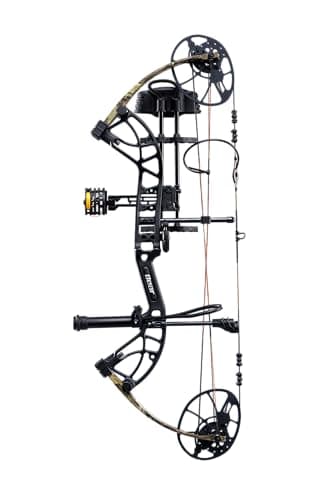
A huge adjustable draw-weight and draw-length range plus real let-off means you're holding a fraction of peak weight at full draw — the single biggest reason a compound is easier to learn on than a recurve.
Best for: The easier-to-learn compound9.0 - 2
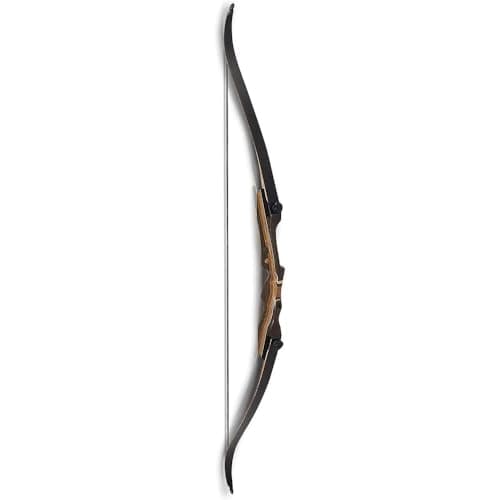
About as simple as a bow gets — a takedown riser and swappable limbs let you start light and buy heavier limbs later — but with no let-off, it takes more practice to hold steady and shoot accurately at hunting distances.
Best for: The traditional route8.4
| # | Product | Best for | Score | Price |
|---|---|---|---|---|
| 1 | Bear Archery Cruzer G4 RTH A huge adjustable draw-weight and draw-length range plus real let-off means you're holding a fraction of peak weight at full draw — the single biggest reason a compound is easier to learn on than a recurve. | The easier-to-learn compound | 9.0 | $419.99View on Amazon#ad |
| 2 | Samick Sage Takedown Recurve About as simple as a bow gets — a takedown riser and swappable limbs let you start light and buy heavier limbs later — but with no let-off, it takes more practice to hold steady and shoot accurately at hunting distances. | The traditional route | 8.4 | $149.99View on Amazon#ad |
Every beginner archer runs into this fork in the road: a compound bow with cams, cables, and a sight, or a recurve that looks like the bow in every old photograph. Both can put an arrow through a deer’s vitals. The honest difference between them comes down to one mechanical feature — let-off — and once you understand what it changes, the choice gets a lot simpler. If you want the short answer, most beginners should start with the Bear Cruzer G4 above; keep reading for exactly why, and for when the Samick Sage is the better call instead.
The real difference: let-off
A compound bow uses a system of cams and cables so the draw weight you feel eases off once you reach full draw — often somewhere around 65–85% of the peak weight, depending on the bow. Pull a 50-lb compound back and you might only be holding 10–15 lb once you settle in at anchor. That let-off is what lets you hold steady, settle your pin, and take your time on the shot.
A recurve has no let-off at all. Whatever weight you draw is the weight you hold the entire time you’re aiming, with nothing helping you. That is not a flaw — traditional archers build the strength and form to manage it — but it is why a recurve takes noticeably more practice before you can hold a sight picture steady and shoot ethically at a live animal.
Here is where that shows up in the field, not just on paper. Picture a deer working its way toward you and stopping broadside for a few seconds. On a compound, let-off means you can settle your pin, breathe, and wait for the shot to feel right — the bow is doing most of the holding for you. On a recurve, every one of those seconds is spent holding the full draw weight with your back and shoulder, so fatigue starts working against you almost immediately. That is not a reason to avoid a recurve — it is a reason to be honest that it asks more of your conditioning and your patience before you take it hunting.
The two bows also differ in a few practical ways beyond the draw cycle. A compound is generally shorter axle-to-axle, which some hunters prefer in a treestand or blind, and comes with a sight already mounted so you have a fixed reference point to aim with from day one. A recurve is longer, quieter in its simplicity (fewer moving parts to rattle or squeak), and is very often shot instinctively or with only minimal sighting aids — part of why it demands more repetition before your groups tighten up.
| Compound | Recurve | |
|---|---|---|
| Learning curve | Gentler — let-off and a sight give you something to hold and aim with early | Steeper — no let-off, often shot instinctively or with minimal sighting aids |
| Holding at full draw | You hold a fraction of peak weight (let-off does the rest) | You hold the full draw weight the entire time you aim |
| Price to start | More upfront, but ready-to-hunt packages include the sight, rest and quiver | Typically the cheaper entry point — riser, limbs, string, and little else |
| Tuning & maintenance | Cams, cables and rest occasionally need a shop's attention | Almost nothing to tune — a string and two limbs |
| Hunting readiness | Reaches legal deer-hunting draw weight comfortably for most new adults | Can reach legal weight too, but demands more practice to shoot it ethically |
Who each one is for
A compound is the better starting point for most people who are picking up a bow for the first time as an adult and want the shortest path to consistent, accurate, ethical shots. The let-off and the sight give you feedback you can actually use while you’re still learning what “good form” feels like, and an adjustable model like the Cruzer G4 lets you start light and turn the weight up as your back and shoulders adapt — see what draw weight to start at before you set yours.
A recurve is the better starting point for someone drawn to the tradition of it — the simplicity, the quiet, the idea of shooting the same style of bow hunters have used for centuries — or for someone who is willing to put in the extra range time a recurve demands before they take it hunting. It is also a legitimate, inexpensive way to learn real archery form from the ground up, which is why youth and beginner archery classes often start people on a bow with no let-off at all.
Build and stamina matter here too, and it is worth being honest about that rather than pretending every beginner is the same. Holding the full weight of a recurve at full draw asks more of your back and shoulders while your form is still developing, which can be a real barrier for a smaller frame, an older beginner, or anyone easing back into shooting after an injury. None of that rules a recurve out — plenty of people build the strength over a season of steady practice — but a compound’s let-off removes that particular obstacle on day one, which is a large part of why it is the more forgiving starting point for most people.
The honest trade-offs
Price. A recurve like the Samick Sage is typically the least expensive way into a hunting-capable bow — a riser, two limbs, and a string, with no cams or cables to break. A ready-to-hunt compound package costs more upfront, but that price already includes the sight, rest, quiver and stabilizer you would otherwise have to buy separately, so the real gap between them is smaller than it first looks. We break the full first-year number down in what a complete beginner bow setup really costs.
Tuning and maintenance. A compound has more parts that can drift out of spec — cam timing, cable wear, the arrow rest — and most owners get a shop to check it once or twice a season. A recurve has almost nothing to tune: string, limbs, done. If you want the fewest moving parts to think about, that favors the recurve.
Hunting readiness. Both bows can be set up at a legal hunting draw weight in most states. The difference is how long it takes you to shoot that weight accurately and repeatably. A compound’s let-off gets a new archer to a confident, ethical shot faster. A recurve can absolutely get you there too — it just usually takes more range sessions first.
Effective range and forgiveness.A compound’s sight, let-off, and typically higher arrow speed give a beginner a flatter, more forgiving trajectory at normal bow-hunting distances, which means small aiming errors matter a little less while you’re still learning. A recurve’s slower, gapless shot rewards good form but punishes a rushed one, which is one more reason recurve hunters tend to practice at closer, more disciplined ranges before they ever draw on an animal.
None of this is about one bow being “better” in the abstract — a well-shot recurve and a well-shot compound both put an arrow exactly where you want it. It is about which bow gets you, specifically, to that level of confidence with the least frustration in your first season. For most beginners, that is the compound. For a smaller number who know they want the traditional experience and are willing to put in the reps, it is the recurve.
Start here: the decision rule
If you are not sure which to pick, start with the compound. An adjustable, ready-to-hunt model like the Bear Cruzer G4 gives you the gentlest learning curve, grows with you as you build strength, and gets you to an ethical hunting shot in the fewest practice sessions. That is the safe default for most first-time archers, full stop.
Choose the recurve instead only if you already know you want the traditional route — the simplicity, the lack of anything to tune, or the challenge of shooting without a let-off — and you are willing to put in the extra practice it takes to get there. Read how to start bow hunting either way; the licensing and season-prep steps are the same regardless of which bow you pick up.
If you can, try both before you buy. A local archery shop or range will usually let you draw a compound and a recurve of similar weight back to back, and that thirty seconds tells you more than any spec sheet — you will feel the let-off kick in on the compound and feel its complete absence on the recurve. If a shop isn’t nearby, lean on the decision rule above and the specs in the picks below; either bow here is a legitimate, well-documented starting point.
When a recurve is the right call
A recurve is the right call when you want the experience itself, not just the fastest route to a filled tag: shooting instinctively, keeping the gear dead simple, or building form the old-fashioned way before you ever think about a deer. It is also a smart, inexpensive choice for a young or growing shooter, since heavier limbs are a cheap swap rather than a whole new bow. Just plan on more dry-fire practice and range time before you take it hunting, and don’t rush the first season if your groups aren’t consistent yet at your hunting distance.
It is also worth saying plainly: choosing a recurve first does not lock you out of a compound later, and the reverse is true too. Plenty of hunters start on one and add the other once they know what they enjoy about archery — the recurve for the quiet, minimal days, the compound for the confidence of let-off on a longer sit. Neither purchase is wasted; the skills you build on one — anchor point, release, follow-through — carry straight over to the other.
And if a vertical bow’s draw is a physical barrier at all — for you or for someone you’re buying for — a crossbow is a legitimate third path worth reading about; see our bow vs crossbow comparison, or start from the complete beginner gear checklistif you’re still assembling the rest of your first-season kit.
The picks in detail
Bear Archery Cruzer G4 RTH
9.0/10Best for: The easier-to-learn compound
A huge adjustable draw-weight and draw-length range plus real let-off means you're holding a fraction of peak weight at full draw — the single biggest reason a compound is easier to learn on than a recurve.
- Draw weight
- 5–70 lb (adjustable)
- Draw length
- 12–30" (adjustable)
- Comes with
- Ready to hunt — sight, rest, quiver, stabilizer
- Let-off holds most of the draw weight for you at full draw, so aiming is calmer
- Adjusts across a wide range, so one bow fits you now and after a season of practice
- Ships ready to hunt with the accessories already installed
- More moving parts (cams, cables, rest) to learn and eventually have a shop tune
- Not as simple or as light in the hand as a recurve
Samick Sage Takedown Recurve
8.4/10Best for: The traditional route
About as simple as a bow gets — a takedown riser and swappable limbs let you start light and buy heavier limbs later — but with no let-off, it takes more practice to hold steady and shoot accurately at hunting distances.
- Type
- Takedown recurve
- Draw weight
- 25–60 lb (swap limbs)
- Length
- 62"
- Nothing to tune or time — just a riser, two limbs, and a string
- Takedown limbs let you start light and step up as you build strength
- An inexpensive, near-universal way to learn traditional form
- No let-off, so you hold the full draw weight the entire time you aim
- Needs more practice reps to reach the same accuracy as a compound
Prices shown are from Amazon as of Sep 5, 2026 and change often — the button always goes to the current listing. Some links may earn us a commission at no extra cost to you. How this works.
Frequently asked questions
Is a compound or recurve easier for beginners?
A compound is easier for most beginners because let-off holds most of the draw weight for you at full draw, so aiming is calmer while you're still learning form. A recurve has no let-off, so you hold the full weight the whole time you aim, which takes more practice to do accurately.
Can you hunt deer with a recurve?
Yes. A recurve set to a legal hunting draw weight (typically 40 lb or more, depending on your state) can ethically take deer at normal bow-hunting ranges. It just takes more practice to shoot it accurately and consistently than a compound with a sight and let-off, so build that practice time in first.
Is a recurve harder to shoot accurately?
Generally, yes, at first. Without let-off you hold the full draw weight while aiming, which fatigues your form faster, and many recurve shooters use little or no sighting aid. It's absolutely learnable, but expect more range sessions before you're consistently accurate at hunting distance.
Which is cheaper to start with?
A basic recurve like the Samick Sage is typically the least expensive way into a hunting-capable bow, since there's little more than a riser, limbs, and a string. A ready-to-hunt compound package costs more upfront, but that price already bundles the sight, rest and quiver you'd otherwise buy separately.
Sources
Keep reading
Not sure where to start?
The beginner gear checklist walks you through exactly what a first-season hunter needs — essentials first, nice-to-haves later, with one safe-default pick per category.