Guides
Creek & Stream Fishing Gear Guides
Every buying guide on the site, in one index, plus the five gear hubs they feed. Each guide answers one purchase question in plain language.
Disclosure: Creek Cover is reader-supported. If you buy through our links we may earn a commission, at no extra cost to you. It never changes which pick we tell a new angler to start with. Full disclosure.
This page is the index of every buying guide on Creek Cover. Each guide answers one purchase question and nothing else, so you can go straight to the decision you are stuck on rather than reading a course on fishing.
Two guides are the usual entry points. The complete first-kit list, in buying order with a running cost total, is fly fishing gear for beginners. If you are buying spinning tackle instead, the equivalent is the beginner fishing kit guide. Beyond those, the five gear hubs each carry their own roundups and comparisons: rods, reels and outfits, waders and wading boots, trout and ultralight spinning, flies and lures, and packs, vests and nets.
Three questions the guides below answer
“What does it actually cost?”A complete, functional fly setup — rod, reel, line, leader, a box of flies and a pair of waders — can be assembled for a few hundred dollars, and an ultralight spinning setup for considerably less. A fishing license is typically $20–$50 for a resident annual permit, bought online from your state wildlife agency in about five minutes. The “you need premium gear” story is sold by people selling premium gear.
“Where am I allowed to fish?” Far more places than you think. Most states have extensive public access to streams, national forest and state land is usually open with a license, and many small creeks run through public ground nobody fishes. Your state agency publishes access maps and the regulations that go with them. Check the rules for your specific water before you go: seasons, bait restrictions, special-regulation stretches, and whether felt soles are legal in your state all vary.
“Do I need lessons?” No, but an hour in a park with the rod before your first trip is worth more than any amount of reading. Fly casting is a timing skill and it is much easier to learn on grass where you can watch the line than on a creek where you are also managing current, branches and your footing.
The order the guides recommend buying in
The most expensive beginner mistake is buying in the wrong sequence — a premium rod and then no way to stand in the water, or a wall of flies before a leader to tie them to. The order that works: rod and reel with matched line first, because everything else depends on what you are casting; leader, tippet and a small assortment of flies or lures second, because that is all you need to actually catch something; waders and boots third, since in warm months you can wade wet in old trainers; and a pack, a net and tools fourth. Each of those decisions has a guide here and a hub behind it.
What small water asks of you
Creek fishing rewards a different set of habits than big-river fishing, and nobody tells beginners this. Approach matters more than casting. Trout in shallow water can see you, so stay low, stay behind them, and move upstream — a fish facing into the current is looking away from you. Fish the small spots. On a creek the fish are in the pocket behind one rock, the seam at the edge of a riffle, the shade under one branch, not spread across the pool. Move constantly. Two or three casts into each likely spot and go; if a creek trout wants it, it takes early.
And handle fish like they matter, because on small streams they do. Wild creek populations are small and local. Wet your hands, keep the fish in the water, use a rubber net, pinch barbs down, and put it back facing into the current until it swims off on its own. The creek you learn on will keep giving you fish for years if you treat it that way.
Five guides added here since launch: the fly fishing starter kit guide, how to tie tippet to leader, what gear to use for trout fishing, fly fishing gear for women, and — for anyone buying for an angler rather than for themselves — the gifts hub.
Added to this hub on 2026-10-13: the best fly fishing brands, which sorts the companies by the one category each is genuinely best at, and the best fly fishing accessories — the seven small items that decide whether a day on the water runs smoothly.
Added to this hub on 2026-10-13: how much fly fishing costs — the six things you have to buy, three honest budgets from bare minimum to buy-it-once, and the gear the industry sells beginners that they do not need.
Newest in this hub: fly line, leader and tippet explained — the three pieces of material between your reel and your fly, what each one does, and the X sizing system decoded in one table.
Explore Guides
Fly Fishing Gear for Beginners: The Complete First Kit
The complete beginner fly fishing kit for creeks and small streams: six essentials in buying order, one safe-default pick for each, what each piece actually does, and the long list of things you can skip.
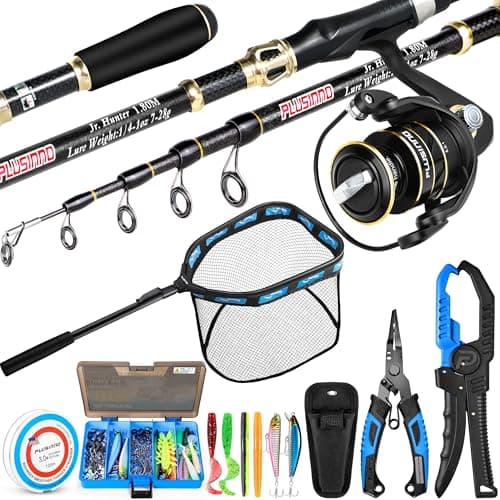
Beginner Fishing Supplies: What to Buy, in Order
Beginner fishing supplies in buying order, with a running cost total. The eight things you actually need, the best fishing kits for beginners if you would rather buy one box, and the gear you can safely skip.
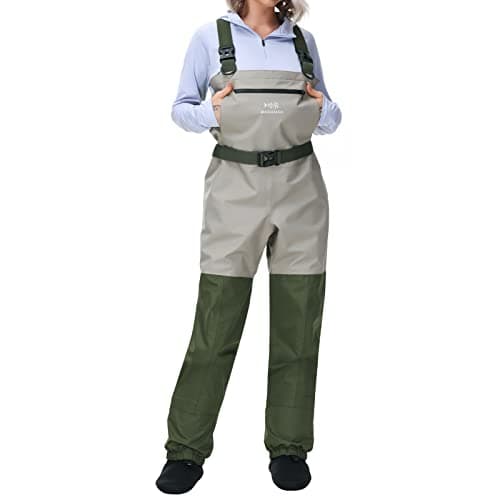
Fly Fishing Gear for Women
Which fly fishing gear genuinely needs a women's cut - waders, boots and layers - and which is unisex. Six picks including waders, boots and a rod that suits smaller hands and lighter line.
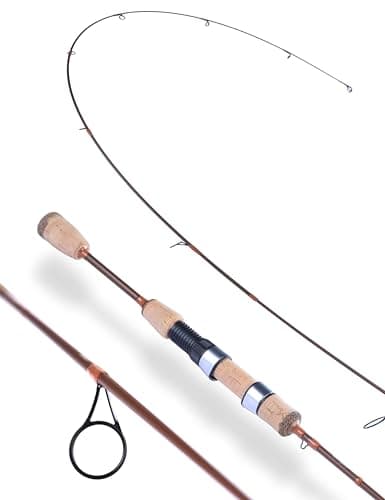
What Gear to Use for Trout Fishing
What gear to use for trout fishing: the rod, reel and line sizes that actually suit stream trout, how to set the line up end to end, and four picks that make a complete setup.
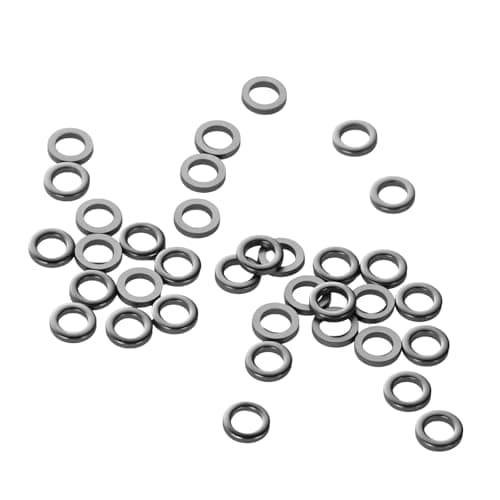
How to Tie Tippet to Leader
How to tie tippet to leader, step by step: the double surgeon's knot for beginners, the blood knot for neatness, and tippet rings for anglers who would rather not tie either.
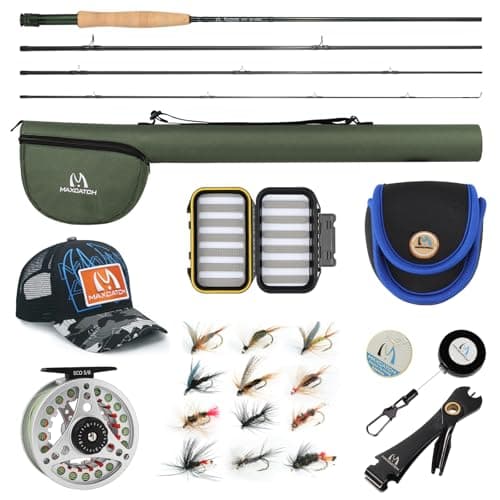
The Fly Fishing Starter Kit, Explained
What belongs in a fly fishing starter kit, what the cheap sets quietly omit, and four complete starter packs from $63 to $230 ranked for creeks and small streams.
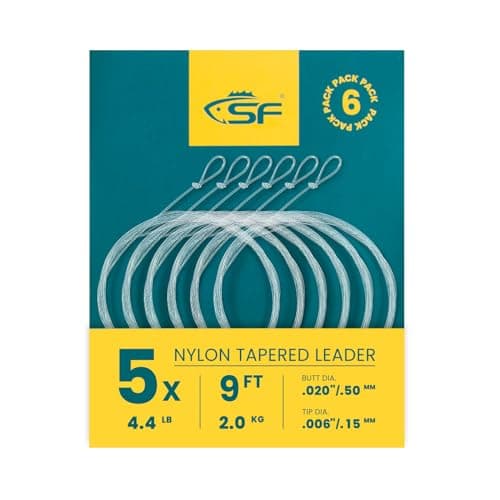
How to Set Up a Fly Rod
How to set up a fly rod and reel from scratch: assembling the sections, winding backing and line the right way round, attaching leader and tippet, and the two mistakes that cause most beginner tangles.
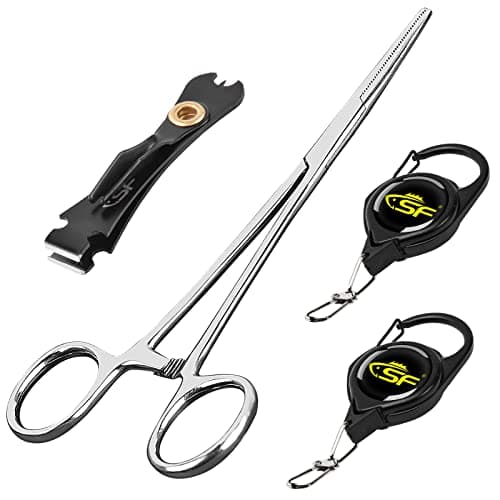
The Best Fly Fishing Accessories
The seven fly fishing accessories that genuinely earn their place in a pack, in buying order, with live prices - plus the honest list of gadgets to skip and what a complete accessory kit costs.
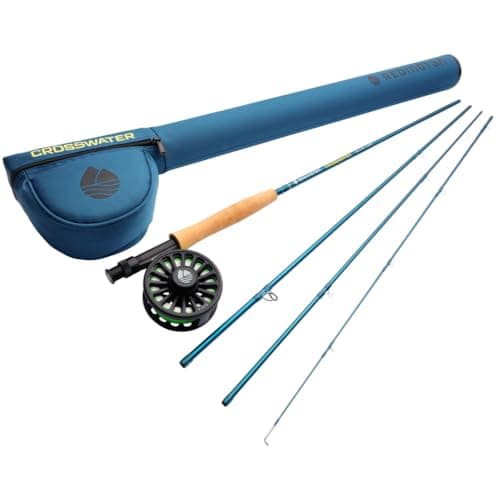
The Best Fly Fishing Brands
Eight popular fly fishing brands compared on what each is genuinely good at — rods, reels, waders, boots, packs and lines — with the warranty behind each and one real product to start with.
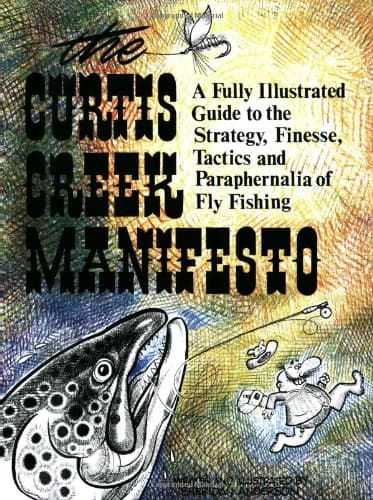
The Best Fly Fishing Books for Beginners
Six fly fishing books for beginners: the illustrated classic that teaches small-stream fishing, the cheapest honest primer, the knot-and-cast handbook and the book on reading water, with the order to read them in.
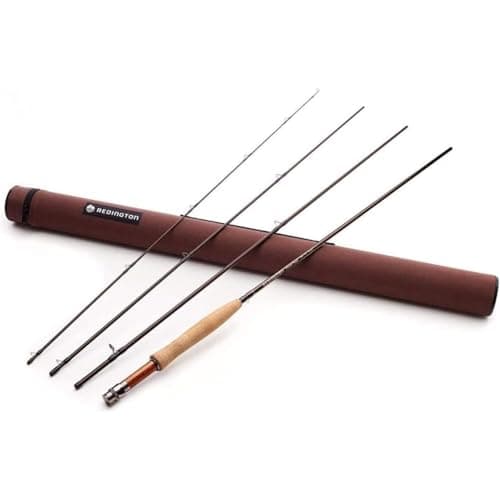
How to Choose a Fly Rod
How to choose a fly fishing rod: line weight first, then length, then action, then pieces - with the creek-friendly combination spelled out and four real rods that match it at different prices.
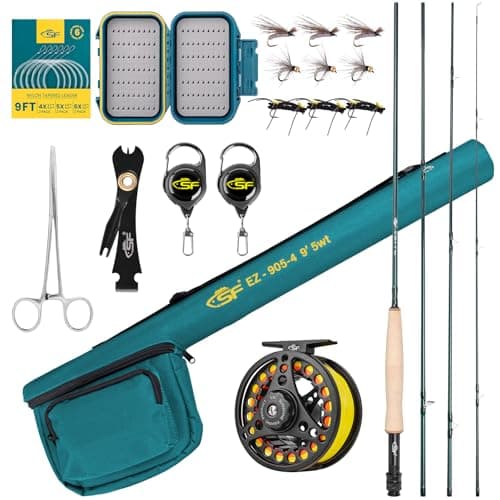
How Much Does Fly Fishing Cost?
What fly fishing really costs to start: a line-by-line breakdown of the six essentials, three complete budgets from bare minimum to buy-it-once, and the items worth skipping entirely.
Fly Line, Leader and Tippet Explained
Fly line, leader and tippet in plain language: what each part does, how the X sizing system works, the length and size to use on creeks, and when each piece needs replacing.
Frequently asked questions
What gear do I need to start fly fishing?
Six things: a fly rod and reel with matched weight-forward floating line, a tapered leader, a spool of tippet, a small assortment of flies, a way to stand in the water, and nippers to cut line. A matched combo kit covers the first item in one purchase. Everything beyond that list is an improvement, not a requirement.
How much does it cost to start fly fishing?
A complete functional setup - rod, reel, line, leader, flies and waders - can be put together for a few hundred dollars, and an ultralight spinning alternative for considerably less. A resident annual fishing license is typically $20 to $50. You do not need premium gear to catch creek trout.
Is fly fishing hard to learn?
The casting takes an hour on grass to become functional and a season to become good, which is less than its reputation suggests. The harder skills are reading water and approaching fish without spooking them, and small streams are the best place to learn both because everything is close enough to see.
Do I need a fishing license to fish a creek?
In nearly every case yes, even on small public water. A resident annual freshwater license is usually $20 to $50 and takes a few minutes to buy online from your state wildlife agency. Check the regulations for your specific stream at the same time - seasons, bait restrictions and special-regulation stretches vary by water.
Not sure where to start?
The beginner gear guide walks you through exactly what a new stream angler needs — the six essentials first, nice-to-haves later, with one safe-default pick per category.