Gear · Roundup
The Best Hunting Boots for Beginners
Cold, wet feet end more hunts than any other gear failure. Here are the boots that keep a first-season hunter dry and comfortable — with one safe-default pick and honest budget options.
Disclosure: Creek Cover is reader-supported. If you buy through our links we may earn a commission, at no extra cost to you. It never changes which pick we tell a beginner to start with. Full disclosure.
Quick picks at a glance
Tap a pick to read the full write-up, or the price button to check it on Amazon.
- 1
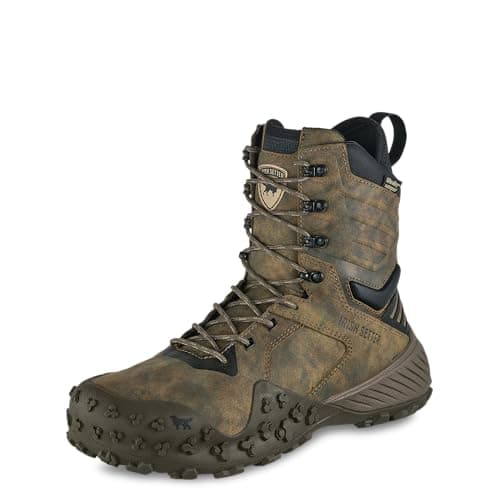
Light, waterproof and scent-controlled — an 8-inch boot that handles early and mid-season walking without weighing you down. The safest first-boot bet for most hunters.
Best for: The all-around first boot9.1 - 2
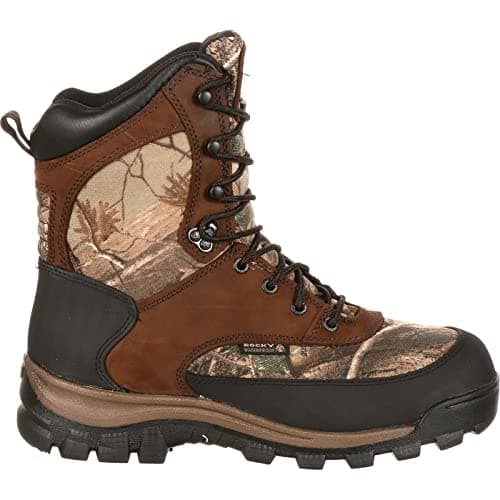
The value pick: waterproof, 400 grams of insulation for cool-to-cold sits, and a price that leaves money for the rest of your kit. A lot of boot for the money.
Best for: Best budget insulated8.7 - 3
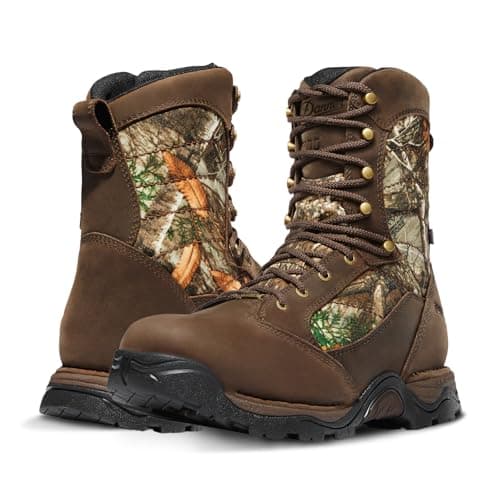
A rebuildable, higher-quality boot for the hunter who knows they'll stick with it. More comfortable and durable than the budget picks, at a step-up price.
Best for: The buy-once upgrade8.8 - 4
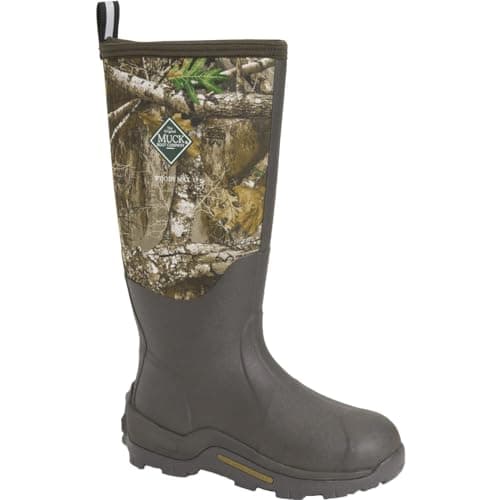
A full rubber boot for standing water, mud, and scent control — the right tool for waterfowl, wet stands and early-morning dew. Not for long treks.
Best for: Wet ground & scent control8.4 - 5
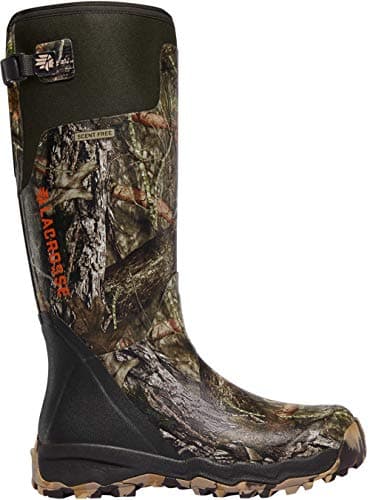
The go-to knee-high rubber boot for serious wet-and-cold conditions and maximum scent control, with an adjustable calf. A specialist you'll want as a second boot, not a first.
Best for: The knee-high rubber standard8.3
| # | Product | Best for | Score | Price |
|---|---|---|---|---|
| 1 | Irish Setter VaprTrek Light, waterproof and scent-controlled — an 8-inch boot that handles early and mid-season walking without weighing you down. The safest first-boot bet for most hunters. | The all-around first boot | 9.1 | Check price on Amazon#ad |
| 2 | Rocky Core Waterproof 400G The value pick: waterproof, 400 grams of insulation for cool-to-cold sits, and a price that leaves money for the rest of your kit. A lot of boot for the money. | Best budget insulated | 8.7 | $99.00View on Amazon#ad |
| 3 | Danner Pronghorn A rebuildable, higher-quality boot for the hunter who knows they'll stick with it. More comfortable and durable than the budget picks, at a step-up price. | The buy-once upgrade | 8.8 | $263.46View on Amazon#ad |
| 4 | Muck Boot Woody Max A full rubber boot for standing water, mud, and scent control — the right tool for waterfowl, wet stands and early-morning dew. Not for long treks. | Wet ground & scent control | 8.4 | $138.75View on Amazon#ad |
| 5 | LaCrosse Alphaburly Pro The go-to knee-high rubber boot for serious wet-and-cold conditions and maximum scent control, with an adjustable calf. A specialist you'll want as a second boot, not a first. | The knee-high rubber standard | 8.3 | $116.71View on Amazon#ad |
Your feet decide how long you can stay out, and a boot bought the night before opening day will blister you off the mountain by noon. The best beginner hunting boot is the one that keeps you dry, fits your terrain, and gets broken in before the season. For most new hunters that’s the Irish Setter VaprTrek above — but if you already own decent waterproof hikers, read hunting boots vs hiking boots before you spend anything.
How we picked these
We compiled the published specs — height, waterproofing method, insulation grams, weight — and weighted them for a first-season hunter across early, mid, and late season, then factored in price and how forgiving each boot is to break in. We don’t field-test boots and won’t pretend to; the full method is on the how we research & pick page. Prices are live and dated. If you want a second opinion before you spend, The Outside Report’s guide to the best hunting boots works through the same insulation, waterproofing and fit decisions with picks aimed at cold, wet and mountain hunts.
How much insulation you need
Insulation is measured in grams, and more is not automatically better — a heavily insulated boot is miserable on a warm early-season walk. A simple rule for a first boot: uninsulated or ~400g covers early-to-mid season for most of the country and keeps your feet from overheating on the walk in; 800g and upis for late-season cold and long sits when you’re barely moving. If you can only buy one boot, a 400g all-rounder like the Rocky Core, or an uninsulated VaprTrek you pair with good socks, is the most versatile starting point.
Leather/membrane vs rubber
A leather-and-membrane boot (VaprTrek, Pronghorn) walks and breathes better and is the right default for covering ground. A full rubber boot (Muck, LaCrosse) is unbeatable for standing water, mud, and scent control, but it’s heavy and unsupportive for long treks. Most experienced hunters end up owning one of each. As a beginner, start with the leather/membrane all-rounder unless you specifically hunt wet ground — waterfowl, swampy stands, dewy mornings — in which case start rubber.
Fit and break-in (don't skip this)
The best boot fits yourfoot, so try to size with the socks you’ll actually hunt in and leave room for a thicker pair. Then break them in early — wear them around the house and on walks for a couple of weeks before the season so they soften on the sidewalk, not the ridge. This single habit prevents the most common first-season foot misery. Round out the kit with the right knife and a decent pair of binoculars, and check them all off on the gear checklist.
The picks in detail
Irish Setter VaprTrek
9.1/10Best for: The all-around first boot
Light, waterproof and scent-controlled — an 8-inch boot that handles early and mid-season walking without weighing you down. The safest first-boot bet for most hunters.
- Height
- 8"
- Waterproof
- Yes (membrane)
- Insulation
- Uninsulated & insulated versions
- Notable
- ScentBan lining, light weight
- Light enough for all-day walking
- Genuinely waterproof
- Scent-control lining
- Uninsulated version is cold for late season
- Not a standing-water boot
Rocky Core Waterproof 400G
8.7/10Best for: Best budget insulated
The value pick: waterproof, 400 grams of insulation for cool-to-cold sits, and a price that leaves money for the rest of your kit. A lot of boot for the money.
- Insulation
- 400g
- Waterproof
- Yes
- Best for
- Cool-to-cold weather, budget
- Camo
- Realtree options
- Excellent price
- Warm enough for most seasons
- Comfortable rubber/leather build
- Heavier than the VaprTrek
- Less refined fit
Danner Pronghorn
8.8/10Best for: The buy-once upgrade
A rebuildable, higher-quality boot for the hunter who knows they'll stick with it. More comfortable and durable than the budget picks, at a step-up price.
- Height
- 8"
- Waterproof
- GORE-TEX
- Insulation
- Uninsulated & 400G options
- Notable
- Rebuildable, durable
- Excellent comfort and durability
- GORE-TEX waterproofing
- Can be resoled/rebuilt
- Higher price
- More boot than a one-season trial needs
Muck Boot Woody Max
8.4/10Best for: Wet ground & scent control
A full rubber boot for standing water, mud, and scent control — the right tool for waterfowl, wet stands and early-morning dew. Not for long treks.
- Type
- Rubber pull-on
- Waterproof
- Fully waterproof
- Insulation
- Fleece-lined, mid warmth
- Best for
- Wet ground, scent control
- 100% waterproof for standing water
- Great scent control
- Easy on/off
- Not made for long walks
- Less ankle support
LaCrosse Alphaburly Pro
8.3/10Best for: The knee-high rubber standard
The go-to knee-high rubber boot for serious wet-and-cold conditions and maximum scent control, with an adjustable calf. A specialist you'll want as a second boot, not a first.
- Type
- 18" knee-high rubber
- Waterproof
- Fully waterproof
- Fit
- Adjustable calf
- Best for
- Wet/cold, scent control
- Maximum scent control and waterproofing
- Adjustable calf fit
- Warm for cold sits
- Overkill as a first/only boot
- Heavy for walking
Prices shown are from Amazon as of Sep 5, 2026 and change often — the button always goes to the current listing. Some links may earn us a commission at no extra cost to you. How this works.
Frequently asked questions
What should I look for in beginner hunting boots?
Waterproofing, the right insulation for your season (uninsulated or 400g is a versatile start), a height that suits your terrain, and a fit you can break in early. For a first, do-everything boot, a lightweight waterproof leather-and-membrane boot like the Irish Setter VaprTrek covers the most situations.
How much insulation do I need in hunting boots?
Uninsulated or ~400 grams covers early-to-mid season for most hunters and won't overheat your feet on the walk in. Step up to 800g or more only for late-season cold and long, still sits. If you can buy only one boot, a 400g all-rounder is the most versatile.
Are rubber boots or leather boots better for hunting?
Leather-and-membrane boots walk and breathe better and are the best all-around first boot. Full rubber boots win for standing water, mud and scent control but are heavy for long walks. Most hunters eventually own both; start with whichever matches how you'll actually hunt.
How much should I spend on my first hunting boots?
You can get a genuinely good waterproof insulated boot at a budget-friendly price (like the Rocky Core), or a lighter do-everything boot at a fair mid price (the VaprTrek). Boots are one place not to buy the very cheapest — dry, comfortable feet are worth the modest step up.
Sources
Keep reading
Not sure where to start?
The beginner gear checklist walks you through exactly what a first-season hunter needs — essentials first, nice-to-haves later, with one safe-default pick per category.