Bow Hunting
Bow Hunting for Beginners
Start here if your first season is with a bow or crossbow. Plain-language guides to picking your first setup, learning good form, and skipping the gear you do not need yet.
Disclosure: Creek Cover is reader-supported. If you buy through our links we may earn a commission, at no extra cost to you. It never changes which pick we tell a beginner to start with. Full disclosure.
Bow hunting is the hardest and most rewarding way to start hunting, and it is where most new hunters we talk to want to begin. The draw is real: a longer season in many states, a quiet woods, and a challenge that rewards patience over gear. But the buying decision is genuinely confusing. Walk into a pro shop or open a forum thread and you will be told you need a specific brand, a specific draw weight, and a rest, sight, release, stabilizer, quiver and a dozen arrows before you can shoot at a target in your backyard. Most of that is true eventually. Almost none of it is true on day one.
Here is how this hub divides, so you can skip straight to your question. If you are still deciding what to shoot, start with bow vs crossbow and compound vs recurve — those two decisions rule out most of the catalog for you in about five minutes. If you have already decided, jump to the roundup: the best beginner compound bows, the best beginner crossbows, or the two how-to guides that keep new archers from wasting money — how to start bow hunting and what draw weight to start at.
What actually decides which bow you buy
Three things, in order. First, adjustability. A beginner compound that adjusts across a wide draw-length and draw-weight range (roughly 5 to 70 pounds) will fit you today and still fit you after a season of building strength — you buy one bow, not three. That single feature matters more than brand, speed rating, or price. Second, whether it comes ready to hunt. A “ready to hunt” or RTH package includes the sight, rest, quiver and stabilizer already installed and paper-tuned, which saves you roughly $150–250 in accessories and a shop-tuning fee. Third, the honest total: the bow is maybe half of what you spend. Arrows, a release, a target and broadheads are the other half — we lay the real number out in what a complete beginner bow setup costs.
The mistake almost every beginner makes
Buying too much draw weight. New archers hear “70 pounds” and assume more is better, then can’t draw the bow smoothly from a seated position in the cold — which is exactly the shot they’ll take at a deer. Good form at 45 pounds kills deer cleanly and teaches you to shoot; a bow you can barely pull teaches you to flinch. Start lighter than your ego wants and let the adjustable bow grow with you. The second most common mistake is skipping a target and a few dozen practice arrows to afford a fancier sight. Reps matter more than any accessory. Buy the arrows.
Crossbows are a legitimate beginner path
If a vertical bow’s draw and hold are a physical barrier — a shoulder issue, limited practice time, or you simply want to hunt this season — a crossbow is not cheating, it is a reasonable first weapon that many states now allow in archery season. It shoulders like a rifle, holds itself at full draw, and shortens the learning curve to a few range sessions. The trade-offs are weight, a single shot before a slow re-cock, and a higher entry price for a complete package. Our beginner crossbow roundup names one complete hunt-ready kit to start with so you are not comparing spec sheets all night.
Every recommendation on this hub is written for someone gearing up for a first season, not for a spec-comparison researcher. We tell you the one safe-default pick per category, what to skip for now, and roughly what the whole thing costs — then link you to the complete beginner gear checklist so the bow is one line in a plan instead of a rabbit hole.
Explore Bow Hunting
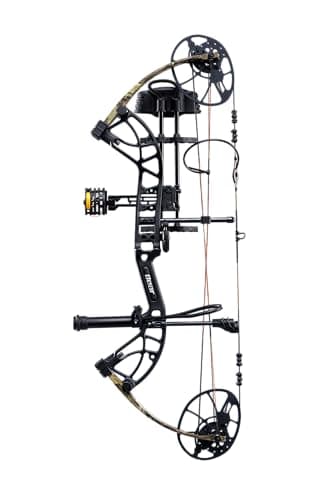
The Best Beginner Hunting Bows (2026)
Our ranked pick of beginner compound (and one recurve) bows, led by an adjustable grow-with-you package a new archer won't outgrow in a season.
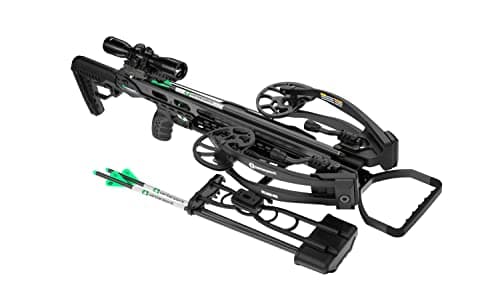
The Best Beginner Crossbows
Ranked beginner crossbow packages led by a complete hunt-ready kit — everything a first-season hunter needs in one box, plus budget and step-up options.
Compound vs Recurve: Which Should a Beginner Start With?
A plain decision rule for compound vs recurve, with a beginner-friendly pick for each path and an honest look at what you're trading off.
Bow vs Crossbow for Hunting: A Beginner's Decision Guide
A plain-language comparison of vertical bows and crossbows for a first season — what each is like to learn, carry, and hunt with, plus one honest pick for each path.
How to Start Bow Hunting (First-Season Roadmap)
A step-by-step first-season roadmap: get licensed, choose your bow, build a practice plan, tune it, scout, and hunt opening day safely and ethically.
What Draw Weight Should a Beginner Use?
The direct answer on beginner draw weight — where to start, how it relates to kinetic energy, and why your state's legal minimum still needs a quick check.
What a Complete Beginner Bow Setup Really Costs
The complete, line-by-line cost of a beginner bow setup — bow, arrows, release, target, broadheads — with live prices, a range table, and what you can skip.
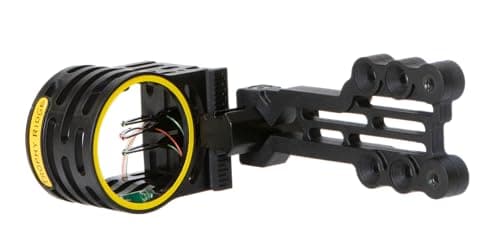
The Best Bow Sights for Beginners
Beginner compound bow sights ranked on what matters at bow range — few enough pins to pick the right one under pressure, bright fiber optics and a mount you can adjust. Honest cons throughout.
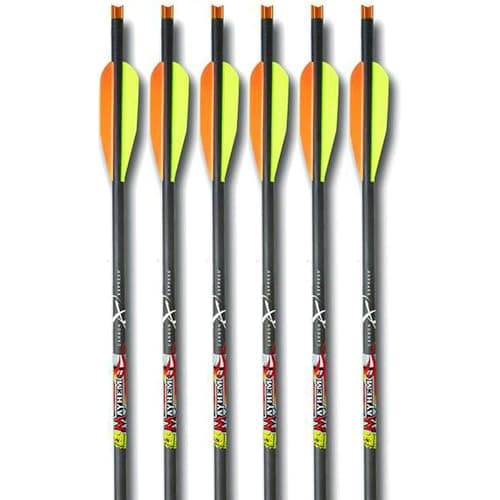
The Best Crossbow Bolts for Beginners
Beginner crossbow bolts ranked on straightness, correct nock type and value — plus the safety rules about length and grain weight that every new crossbow hunter needs first.
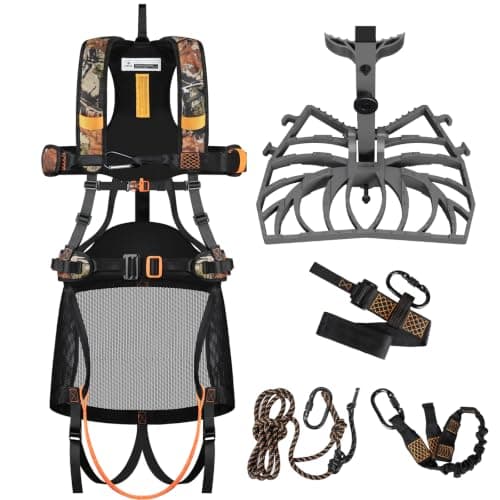
The Best Hunting Saddles for Beginners
Beginner saddle-hunting kits ranked, with the complete system explained — saddle, platform, sticks and ropes — and honest notes on which pieces are safety-critical and which can wait.
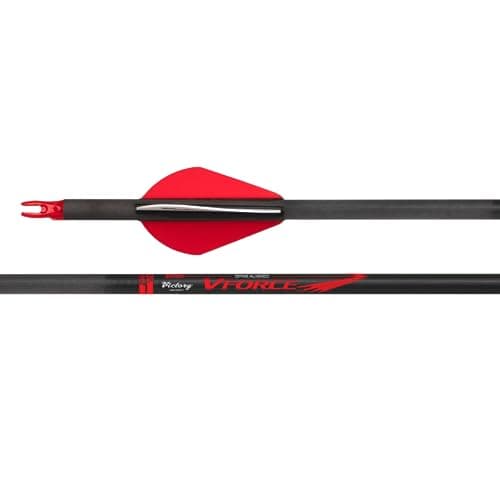
The Best Hunting Arrows for Beginners
Beginner hunting arrows ranked on the things that decide accuracy — correct spine, consistent straightness, and enough of them to actually practice. Honest cons on every pick.
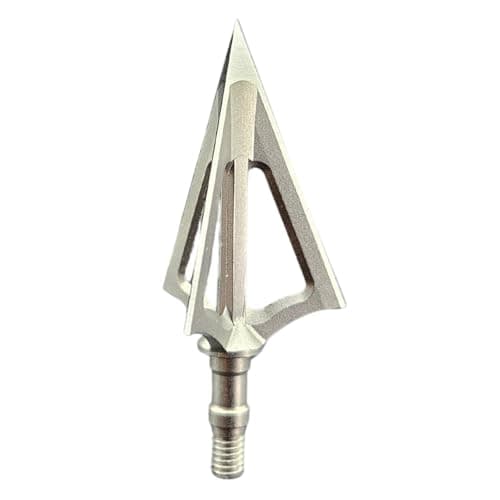
The Best Broadheads for Beginners
Beginner hunting broadheads ranked on what matters for a clean kill — penetration, flight consistency and nothing to go wrong. Fixed blades, one practice set, honest cons throughout.
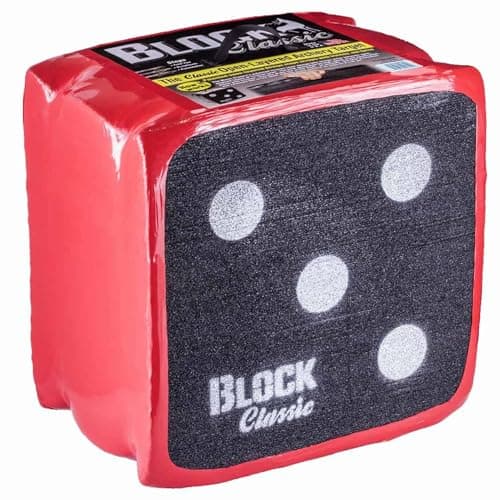
The Best Archery Targets for Beginners
Beginner archery targets ranked on what keeps you practicing — easy arrow removal, broadhead compatibility and honest speed ratings. One safe-default pick plus a budget option.
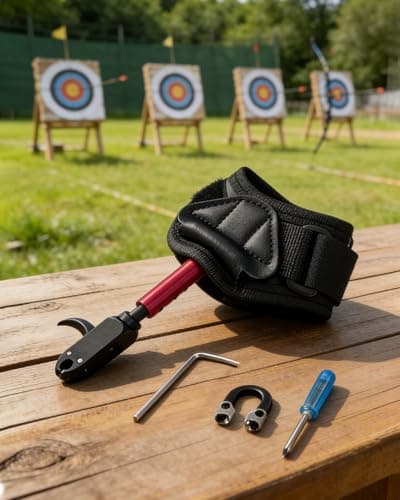
The Best Bow Releases for Beginners
Beginner compound bow releases ranked on the things that decide your groups — an adjustable length, a clean trigger and a strap you can wear all day. Honest cons on every pick.
Fixed vs Mechanical Broadheads
The honest comparison: fixed blades penetrate better and cannot fail, mechanicals fly like field points and forgive an untuned bow. Which one a beginner should hunt with, and why.
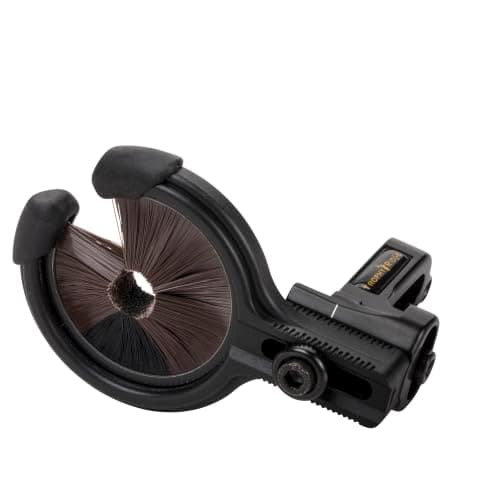
The Best Arrow Rests for Beginners
Full-containment versus drop-away arrow rests for a first bow, why the containment rest is the right beginner choice despite being slower, and three picks from budget to the upgrade you will eventually want.
What Draw Length Do You Need?
Measure your draw length in two minutes with a wall and a tape, understand why the wingspan formula is a starting point rather than an answer, and learn what a bow set an inch too long does to every shot you take.
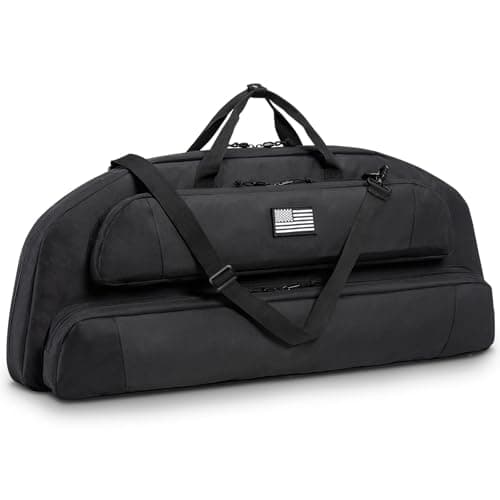
The Best Bow Cases for Beginners
Soft and hard bow cases ranked for a first bow. What axle-to-axle length actually means for sizing, when a soft case is genuinely enough, and the one situation that forces a hard case.
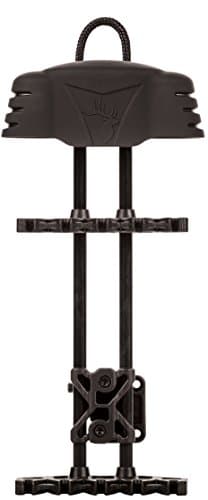
The Best Bow Quivers for Beginners
Bow quivers ranked for a first hunting setup. Bow-mounted versus hip, why detachable quivers shoot better from a stand, and how many arrows a beginner actually carries.
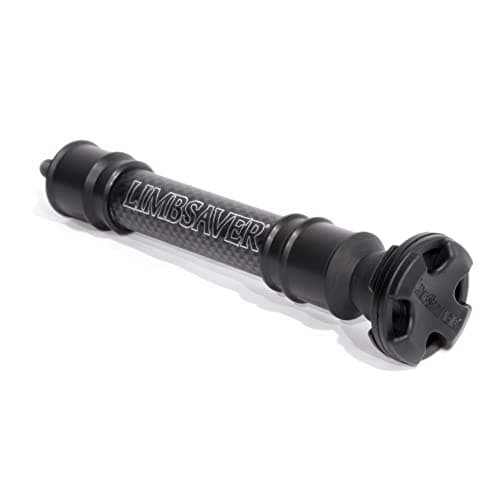
The Best Bow Stabilizers for Beginners
Hunting bow stabilizers ranked for a first setup. Why 6 to 8 inches is the hunting sweet spot, what a stabilizer actually does to your pin float, and where the long target bars belong instead.
Hunting vs Target Compound Bow
The honest differences between a hunting compound and a target compound — axle-to-axle, brace height, let-off, mass weight — plus whether the target bow you already own can hunt this season.
Arrow Spine for Beginners
What arrow spine actually measures, why 400 is the number most beginners need, and how draw weight, arrow length and point weight all move the answer. Plain language, no chart required.
Frequently asked questions
Is bow hunting hard to learn as a beginner?
It has a steeper learning curve than firearm hunting, but the fundamentals are very learnable. Give yourself 4-6 weeks of regular backyard practice at a light draw weight before opening day and you can be shooting tight, ethical groups at 20 yards. A crossbow shortens that curve to a couple of range sessions.
Should a beginner start with a compound bow or a crossbow?
Start with a compound if you want the longer archery season and the challenge, and have 4-6 weeks to practice. Start with a crossbow if you want to hunt this season, have a shoulder limitation, or have very little practice time — it holds at full draw and shoots like a rifle. Our bow-vs-crossbow guide walks through the decision.
What draw weight should a beginner start with?
Most adults should start around 40-55 pounds — enough kinetic energy to hunt deer legally in most states, light enough to draw smoothly and learn good form. An adjustable beginner compound lets you start low and work up as you build strength, so you never outgrow the bow.
Not sure where to start?
The beginner gear checklist walks you through exactly what a first-season hunter needs — essentials first, nice-to-haves later, with one safe-default pick per category.