Gear & Optics
Beginner Hunting Gear & Optics
The boots, optics and blades that earn their place in your pack — chosen for a first-season budget, with one safe-default pick per category so you can stop comparing and start hunting.
Disclosure: Creek Cover is reader-supported. If you buy through our links we may earn a commission, at no extra cost to you. It never changes which pick we tell a beginner to start with. Full disclosure.
Once you have decided how you are hunting, the rest of the gear question is really three questions: what keeps your feet dry, what helps you see, and what you cut with. Everything else in a hunting catalog is either a nice-to-have or a want dressed up as a need. This hub covers the three that genuinely change your day in the field, and it is built for a first season budget — not the “buy the premium version and never upgrade” advice that assumes you already know you love this.
Start with the roundups: the best hunting boots for beginners, the best hunting binoculars, and the best hunting knives. If you already own hiking boots and are wondering whether they will do, read hunting boots vs hiking bootsbefore you spend a dollar — sometimes the answer is “they’re fine for now.”
Boots: the one place not to cheap out
Cold, wet feet end more hunts than any other gear failure, and blisters from a boot you bought the night before opening day will end a hunt faster than rain. The two decisions that matter are insulation (measured in grams — 400g is a sane all-purpose starting point for most of the country; 800g+ for late-season cold; uninsulated for early-season warmth) and height and waterproofing (a waterproof membrane for walking in, or a full rubber boot for standing water and scent control). Buy them early and put miles on them before the season so they break in on the sidewalk, not the mountain. This is the category where spending a bit more genuinely pays back.
Binoculars: buy glass, not magnification
The number beginners fixate on — magnification — is the least important spec. A 10x42 is the do-everything standard: 10-power magnification, 42mm objective lenses for low-light performance at dawn and dusk when animals move. Higher magnification shakes more in your hands and gathers less light; bigger objectives get heavy. What actually separates a $130 pair from a $600 pair is glass coating and edge sharpness in low light, and for a beginner the mid-priced options with a real no-questions lifetime warranty are the sweet spot. You will use binoculars more than any other piece of gear on this page — even a bowhunter glasses more than they shoot — so it is worth getting a competent pair rather than the cheapest one on the shelf.
Knives: sharp beats fancy
For your first season, a replaceable-blade knife takes the single hardest field skill — keeping an edge sharp enough to field-dress an animal — off your plate entirely. You snap in a fresh scalpel-sharp blade and you are done; no stone, no skill, no half-dull knife ruining a job in the dark. A classic fixed or folding blade is more romantic and lasts a lifetime, but it demands sharpening practice most beginners skip. We name both kinds and tell you which to start with. The one real mistake here is buying a giant “survival” knife — it is the wrong tool for the actual job of cleaning game. The work does not stop at the tailgate, either: game bags, a cooler and the freezer are one chain, and the best vacuum sealers for wild game covers the last link of it. Half of a deer becomes burger whether you plan for it or not, so if you would rather make your own than pay a processor, start with the best meat grinders for wild game.
Whatever you buy, add it to the beginner gear checklist so you are building one complete kit, not a pile of impulse buys. And remember the theme of this whole site: buy the essentials well, skip the rest until a real day in the field tells you you need it.
Explore Gear & Optics
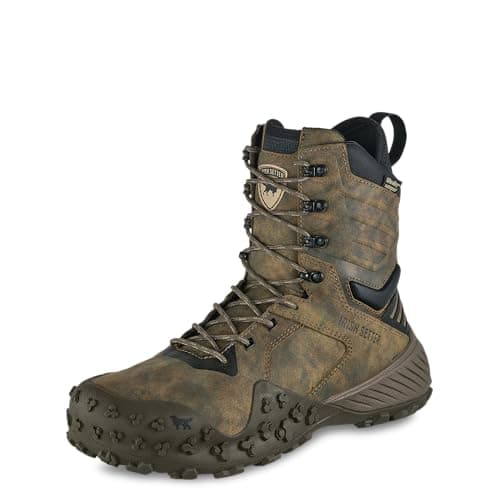
The Best Hunting Boots for Beginners
Ranked hunting boots for a first season, led by a lightweight waterproof all-rounder — plus a budget insulated pick and rubber boots for wet ground.
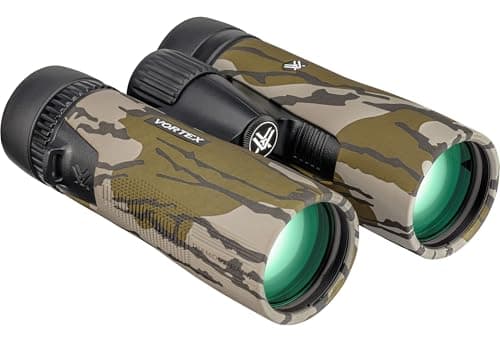
The Best Hunting Binoculars for Beginners
Ranked 10x42 hunting binoculars for a first season, led by a mid-priced pair with an unbeatable lifetime warranty — plus true budget options that still perform.
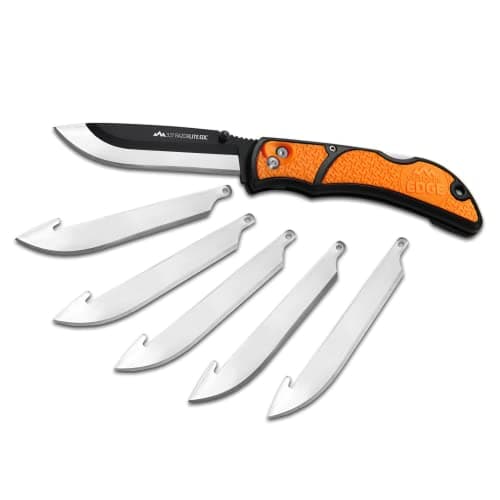
The Best Hunting Knives for Beginners
Ranked beginner hunting knives, led by a replaceable-blade knife that stays scalpel-sharp with no sharpening skill — plus the classic Buck folder and a budget fixed blade.
Hunting Boots vs Hiking Boots: What's the Difference?
The real differences between hunting boots and hiking boots — insulation, height, scent control, camo — and an honest read on when your hiking boots are fine to start.
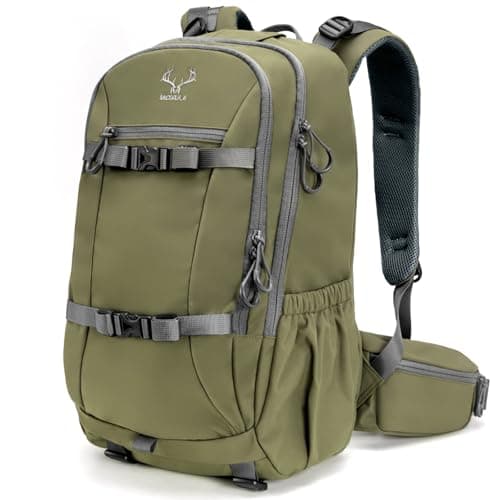
The Best Hunting Backpacks for Beginners
Beginner hunting packs ranked by what you'll actually do with them — a 25L day pack for the sit, a framed hauler for the walk out, and the honest answer on when you need both.
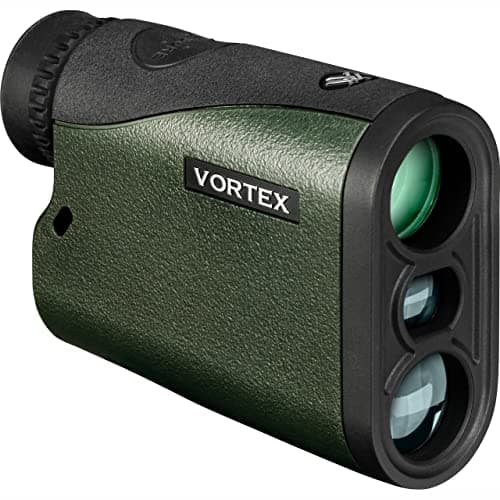
The Best Hunting Rangefinders for Beginners
Ranked beginner hunting rangefinders led by a pick with an unconditional lifetime warranty, plus the angle-compensation feature bowhunters genuinely need and everyone else can skip.
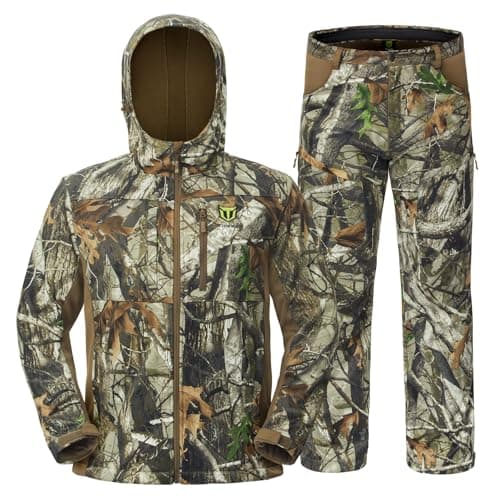
The Best Hunting Camo for Beginners
Beginner hunting camo ranked by what actually keeps you undetected — quiet fabric, layering and fit before pattern. One complete starter suit, a budget layer set, and the blaze orange your state requires.
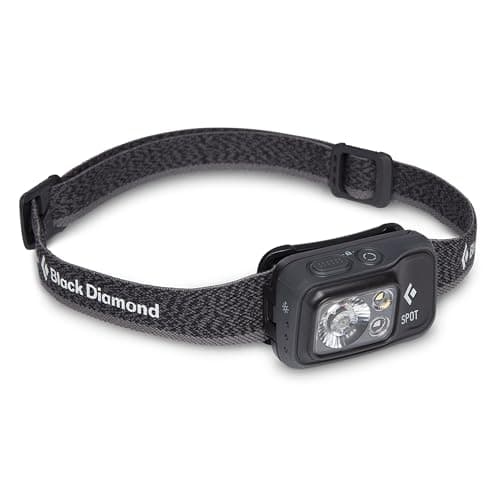
The Best Hunting Headlamps for Beginners
Beginner hunting headlamps ranked by the two jobs they actually do — walking in without lighting up the woods, and finding blood on the way out. Red/green light, real runtimes, honest cons.
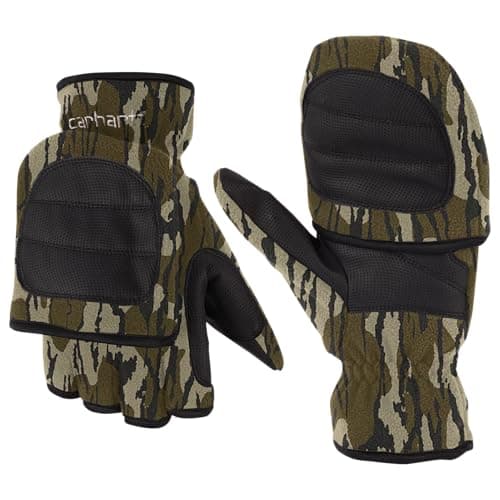
The Best Hunting Gloves for Beginners
Beginner hunting gloves ranked by the two jobs they do — keeping you on stand in the cold and letting you shoot without taking them off. Flip mittens, thin liners and honest cons on every pick.
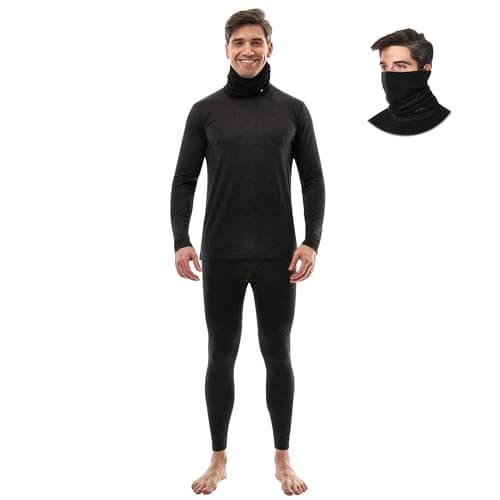
The Best Hunting Base Layers for Beginners
Beginner hunting base layers ranked on the one thing that matters — staying warm after you have sweated. Merino sets, a hunting-specific option, and honest cons on every pick.
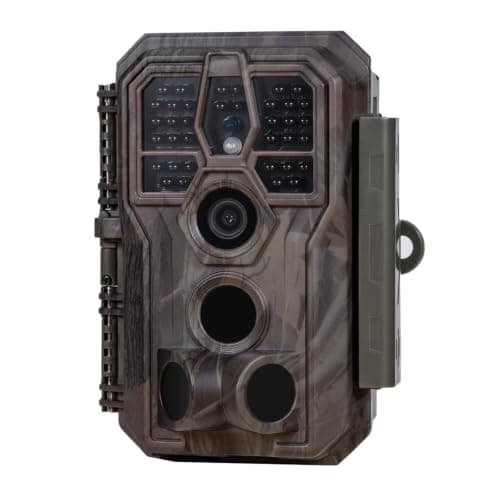
The Best Trail Cameras for Beginners
Beginner trail cameras ranked on what actually matters — trigger speed, no-glow flash and whether you need a subscription. One safe-default SD-card pick, plus honest cellular options.
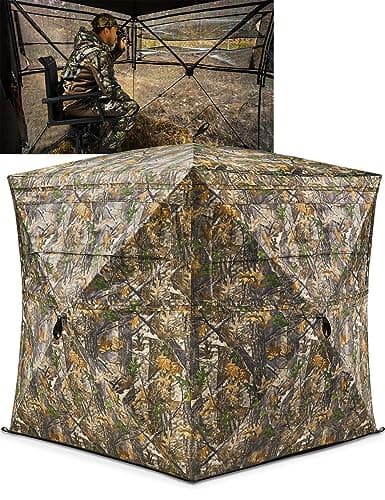
The Best Ground Blinds for Beginners
Beginner pop-up ground blinds ranked on the things that decide a hunt — silent windows, real room to draw a bow, and how fast it sets up in the dark. Honest cons on every pick.
Hunting vs Golf Rangefinder
Whether the rangefinder in your golf bag will work for hunting, what first-target priority actually does, and the one situation where buying the golf unit is genuinely the smarter call.
Hunting Camo vs Military Camo
Military patterns are built to defeat human eyes and optics; hunting camo is built to defeat animal eyes and ears. What that changes in practice, and when surplus is fine to start in.
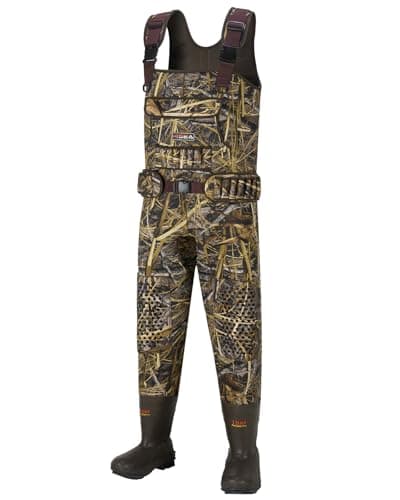
Hunting Waders vs Fishing Waders
The real differences between hunting and fishing waders — insulation grams, bootfoot vs stockingfoot, camo and cold-water safety — and the pair a first-season waterfowler should buy.
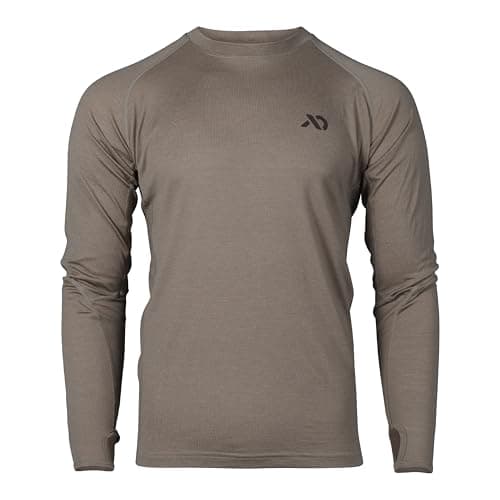
KUIU vs First Lite: Should a Beginner Buy Either?
An honest read on the two premium hunting apparel brands — what the price buys, where KUIU and First Lite actually differ, and the affordable pieces that get a beginner most of the way there.
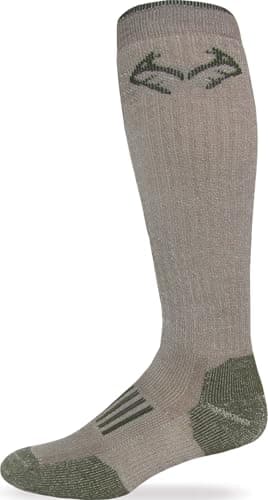
The Best Hunting Socks for Beginners
Beginner hunting socks ranked on the one job that matters — keeping your feet warm after you have sweated. Merino picks at every price, plus what height to buy and why cotton fails.
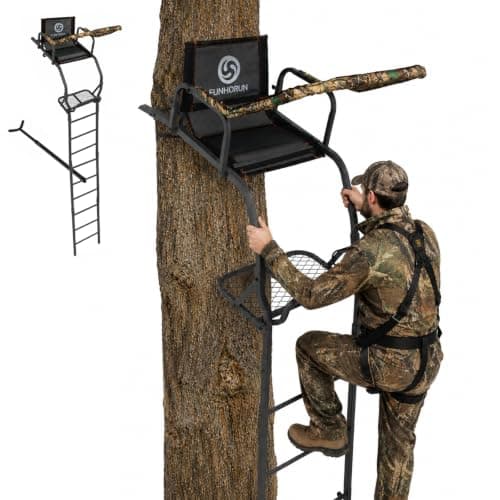
The Best Treestands for Beginners
Beginner treestands ranked by what a first-season hunter can actually use safely — ladder stands first, climbers second. Honest cons, plus the harness you must buy with it.
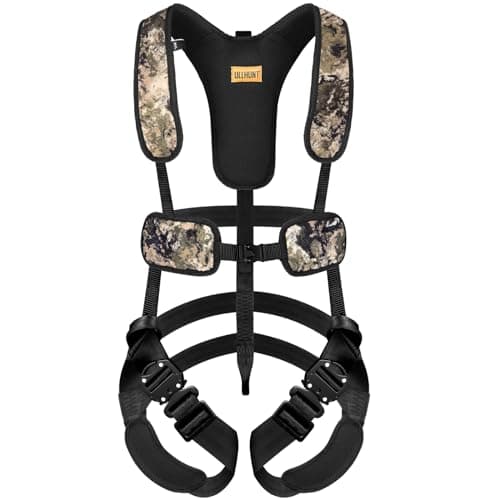
The Best Treestand Safety Harnesses
Treestand safety harnesses ranked on the things that decide whether you wear one — comfort over a long sit, ease of putting on in the dark, and price. Honest cons on every pick.
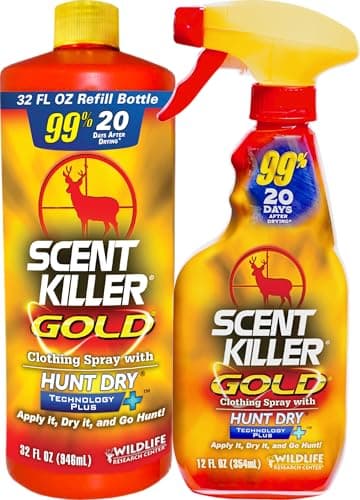
The Best Scent Control for Hunting
Hunting scent control, honestly assessed — what sprays realistically achieve, why wind discipline beats every product here, and the sensible picks if you want to reduce your odor.
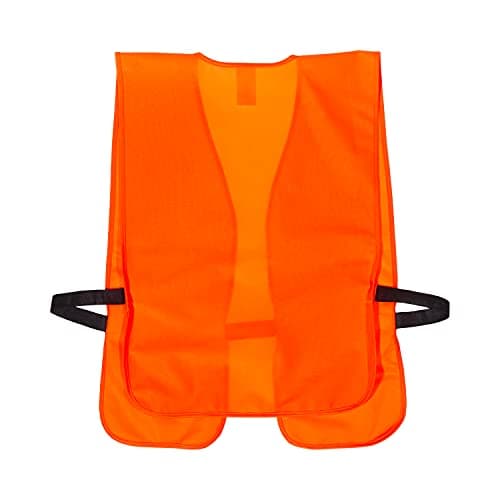
The Best Blaze Orange Hunting Vests
Blaze orange hunting vests ranked on fit over layers, square-inch coverage and price. Plus what your state actually requires and why orange does not spook deer.
The Best Hunting First Aid Kits
Hunting first aid kits ranked on what actually matters in the field — bleeding control, weight in a pack, and whether the contents match hunting injuries rather than office paper cuts.
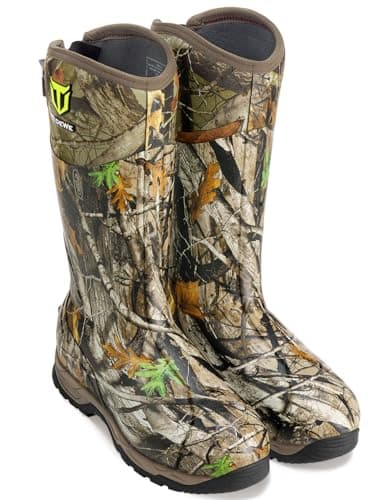
Hunting Boots vs Rubber Boots
The honest comparison: leather hunting boots walk better, rubber boots keep you drier and hold less scent. Which to buy first based on the ground you hunt and how you hunt it.
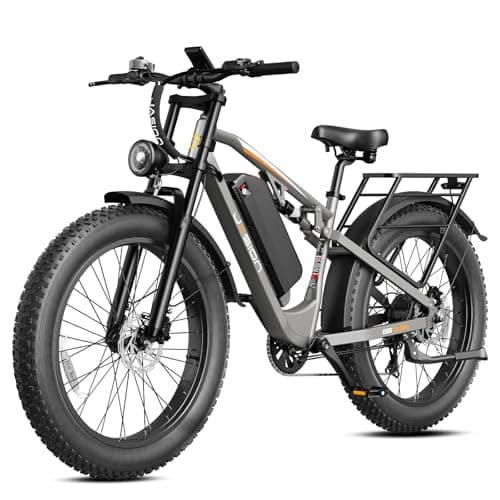
The Best Hunting eBikes for Beginners
Fat-tire ebikes that get a beginner past the crowded first mile of public land, plus the thing most reviews omit: ebikes are treated as motor vehicles on a lot of the ground you want to ride them on.
Treestand vs Ground Blind
Height beats scent; a blind beats weather, kids and cold. A straight comparison of treestands and ground blinds on concealment, safety, cost and terrain - plus which one a first-season hunter should actually buy.
Fixed vs Folding Hunting Knife
Strength, hygiene, carry and the sharpening problem compared - plus the replaceable-blade folder that made the traditional 'always fixed blade' advice obsolete for anyone dressing one or two deer a year.
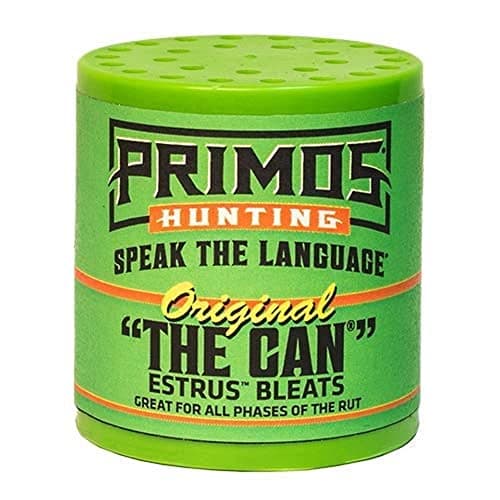
The Best Deer Calls for Beginners
Grunt tubes, bleat cans and rattling systems ranked for a first season. What each sound actually says to a buck, when in the season to use it, and the call you genuinely cannot blow wrong.
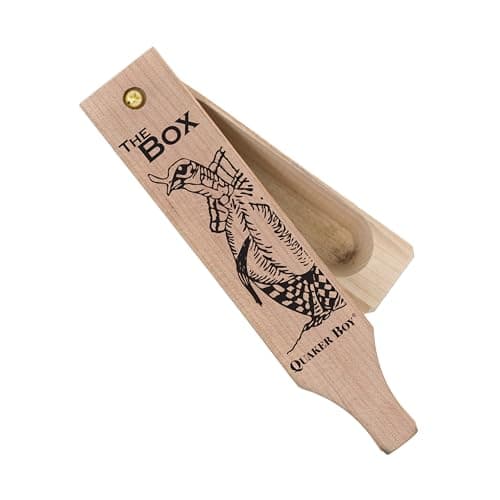
The Best Turkey Calls for Beginners
Box, pot and diaphragm turkey calls ranked by how fast a beginner can actually get good with them. The two sounds that matter, when to shut up, and why the box call is still the right first buy.
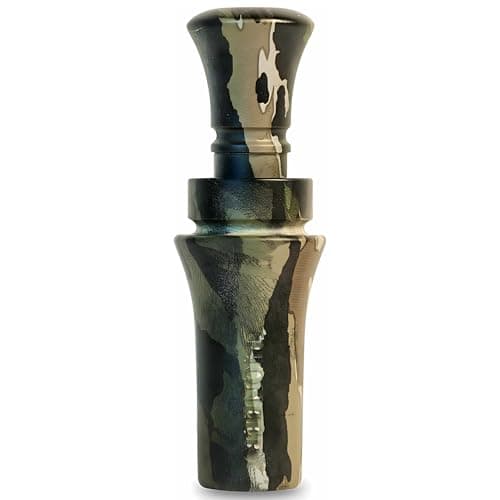
The Best Duck Calls for Beginners
Duck calls ranked for a first season on the water. Why double reed is the beginner answer, the two calling sequences worth learning, and when a duck whistle beats a mallard call entirely.
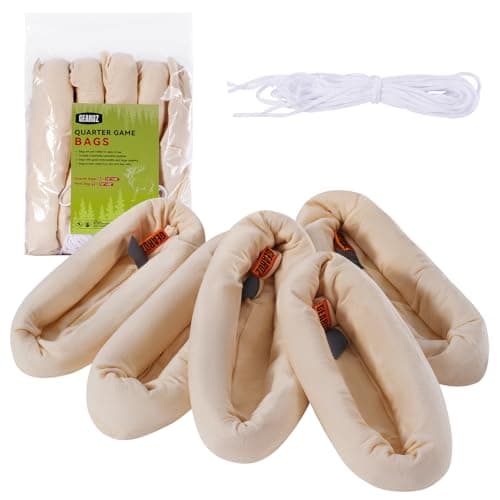
The Best Game Bags for Hunters
Game bags for deer and elk, ranked honestly in a commodity category. How many bags one animal needs, why breathable beats plastic every time, and what actually differs between the packs on the shelf.
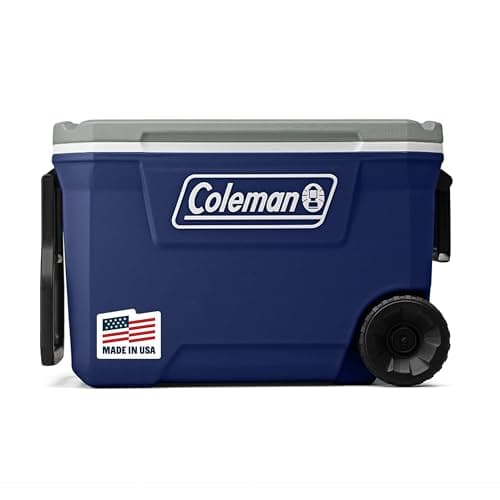
The Best Hunting Coolers
Hunting coolers ranked for the job that matters — getting meat cold and keeping it there. What capacity a quartered deer actually needs, when rotomolded is worth the money, and when it plainly is not.
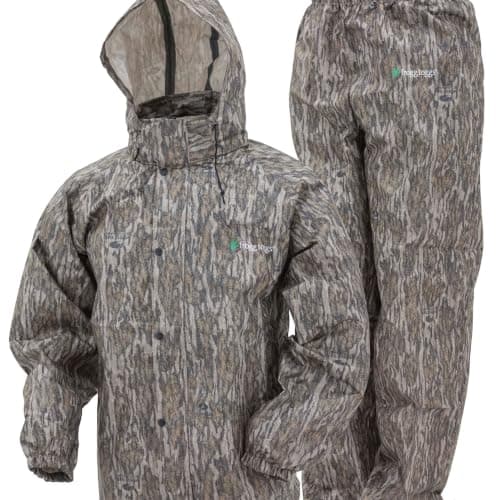
The Best Hunting Rain Gear for Beginners
Hunting rain gear ranked for a first season. Waterproof versus water resistant in plain terms, why a crinkly jacket costs you deer, and when a cheap suit is genuinely the right answer.
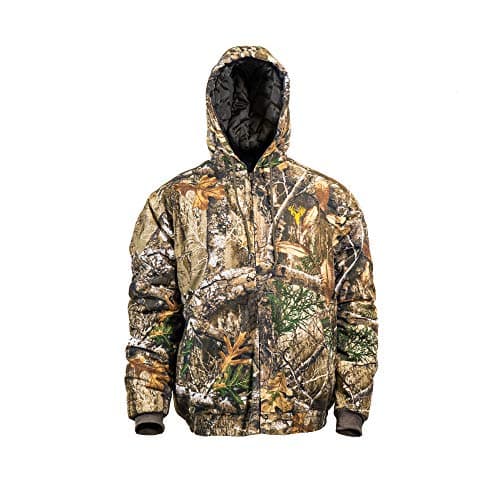
The Best Hunting Jackets for Beginners
Insulated hunting jackets ranked for a first season on stand. Why fabric noise outranks warmth, how to size for the layers underneath, and when a jacket-and-pants set is better value than a jacket.
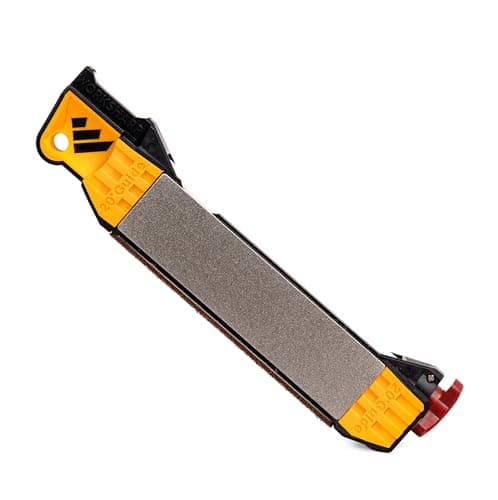
The Best Knife Sharpeners for Hunters
Field and bench knife sharpeners ranked for hunters. Why hide and hair dull a blade so fast, what a pull-through actually does to your edge, and the one to keep in a pack.
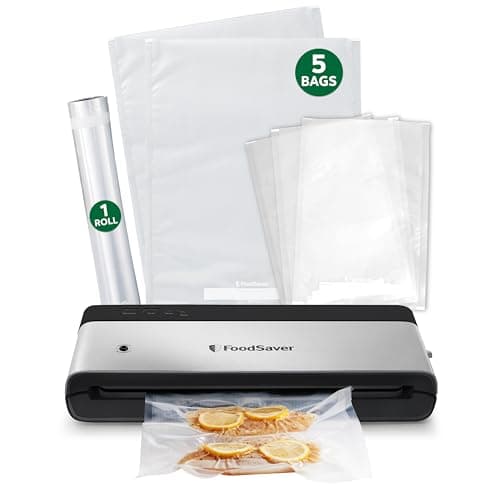
The Best Vacuum Sealers for Wild Game
Vacuum sealers ranked for the job a hunter actually asks of one — packaging a whole deer in an afternoon without cooking the machine. Bag width, duty cycle, wet-meat handling, and what the bags really cost you every season.
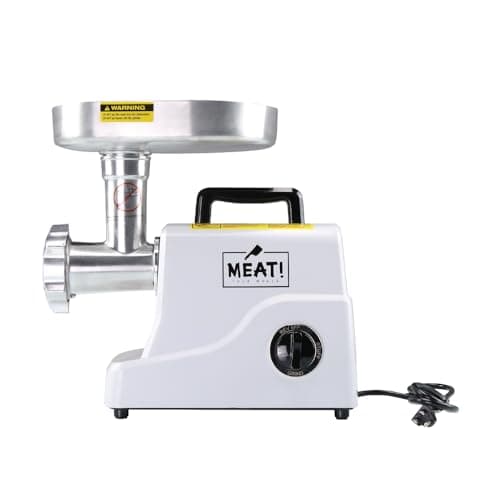
The Best Meat Grinders for Wild Game
Meat grinders ranked for the job a hunter actually asks of one — turning a pile of trim into burger in an afternoon without cooking the motor. Head size, honest wattage, gear trains, and how much fat venison really needs.
Frequently asked questions
What hunting gear does a beginner actually need first?
In order: a weapon and the license/tags to use it, boots that keep your feet dry, blaze orange where required, a knife to field-dress game, and a decent pair of binoculars. Everything else — packs, rangefinders, premium camo — can wait until a real day in the field tells you what you're missing.
How much magnification do I need in hunting binoculars?
A 10x42 is the standard all-purpose choice and what we recommend for most beginners: 10-power magnification with 42mm lenses for good low-light performance. Go 8x42 if you hunt thick timber and want a wider, steadier view. Higher magnification isn't better — it shakes more and gathers less light.
Are hiking boots okay for hunting?
For early-season, dry-weather day hunts on easy terrain, waterproof hiking boots you already own are fine to start. You'll want dedicated hunting boots once you're standing still in the cold, walking in standing water, or caring about scent control. Our hunting-vs-hiking-boots guide breaks down exactly when to upgrade.
Not sure where to start?
The beginner gear checklist walks you through exactly what a first-season hunter needs — essentials first, nice-to-haves later, with one safe-default pick per category.