Bow Hunting · Roundup
The Best Bow Cases for Beginners
A bow case is not about theft. It is about the sight pins staying where you put them between the truck and the tree.
Disclosure: Creek Cover is reader-supported. If you buy through our links we may earn a commission, at no extra cost to you. It never changes which pick we tell a beginner to start with. Full disclosure.
Quick picks at a glance
Tap a pick to read the full write-up, or the price button to check it on Amazon.
- 1
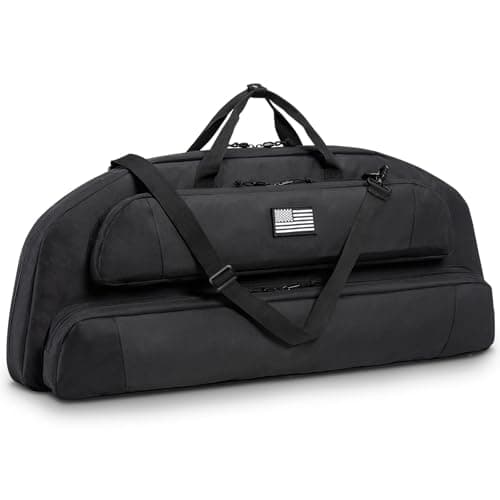
Padded, 37 inches inside, with a full-length arrow pocket and backpack straps. It fits a modern beginner compound with room for the quiver, it carries hands-free, and it costs a fraction of a hard case you do not need unless you fly.
Best for: The case most beginners should buy9.0 - 2
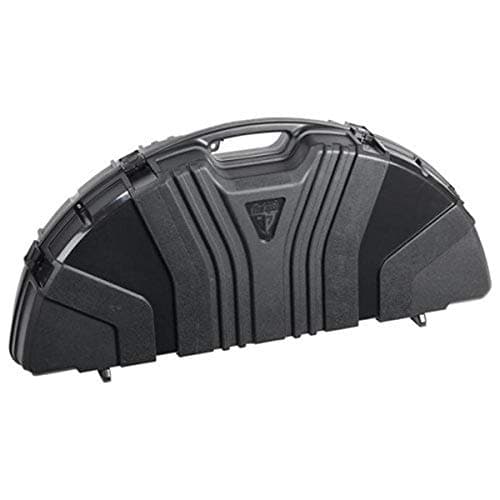
A US-made hard shell built around Plano's patented Pillar Lock frame, which stops the lid flexing into the bow under load, with high-density interlocking foam, interior tie-downs and foam arrow storage in the lid. If you will ever stack gear on top of your bow, this is the entry point.
Best for: Best budget hard case8.7 - 3
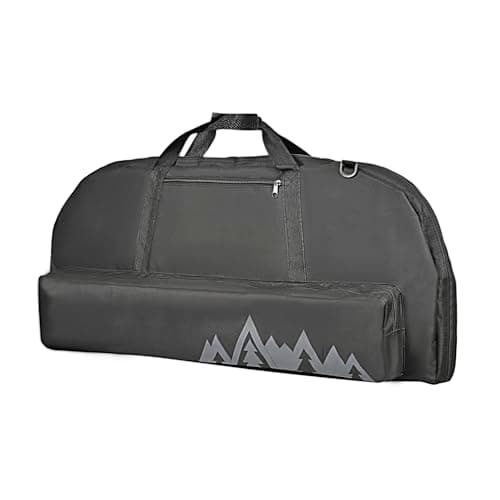
A lightweight padded soft case with an adjustable shoulder strap and a quiver pocket, at the price of a couple of dozen field points. It is thinner than the CVLIFE, but a thin case beats the blanket in the back of the truck by a mile.
Best for: Cheapest case worth owning8.3 - 4
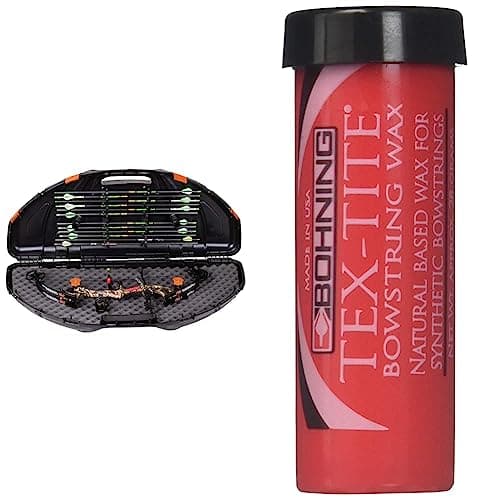
A hard case with a built-in 12-arrow rack, so the whole kit travels as one piece and the arrows are not rolling loose. Handy if your bow lives in a garage rather than a closet.
Best for: Best case that also stores your arrows8.2 - 5
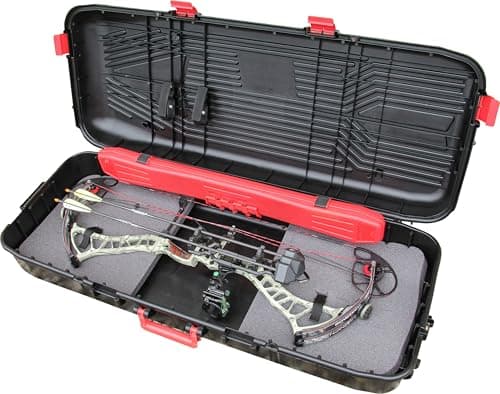
Wheels, a pull handle, capacity for bows up to 44 inches, and an internal arrow case. This is the one you buy the year you book an out-of-state hunt, not the year you buy your first bow.
Best for: Best for flying to a hunt8.0
| # | Product | Best for | Score | Price |
|---|---|---|---|---|
| 1 | CVLIFE 37-Inch Soft Compound Bow Case Padded, 37 inches inside, with a full-length arrow pocket and backpack straps. It fits a modern beginner compound with room for the quiver, it carries hands-free, and it costs a fraction of a hard case you do not need unless you fly. | The case most beginners should buy | 9.0 | $45.99View on Amazon#ad |
| 2 | Plano SE Series Bow Hard Case A US-made hard shell built around Plano's patented Pillar Lock frame, which stops the lid flexing into the bow under load, with high-density interlocking foam, interior tie-downs and foam arrow storage in the lid. If you will ever stack gear on top of your bow, this is the entry point. | Best budget hard case | 8.7 | $69.99View on Amazon#ad |
| 3 | FENJANER Compound Bow Case with Arrow Quiver Pocket A lightweight padded soft case with an adjustable shoulder strap and a quiver pocket, at the price of a couple of dozen field points. It is thinner than the CVLIFE, but a thin case beats the blanket in the back of the truck by a mile. | Cheapest case worth owning | 8.3 | $33.99View on Amazon#ad |
| 4 | Flambeau Outdoors Safe Shot Bow Case (with bowstring wax) A hard case with a built-in 12-arrow rack, so the whole kit travels as one piece and the arrows are not rolling loose. Handy if your bow lives in a garage rather than a closet. | Best case that also stores your arrows | 8.2 | $64.19View on Amazon#ad |
| 5 | MTM Traveler Hard Compound Bow Case with Wheels Wheels, a pull handle, capacity for bows up to 44 inches, and an internal arrow case. This is the one you buy the year you book an out-of-state hunt, not the year you buy your first bow. | Best for flying to a hunt | 8.0 | Check price on Amazon#ad |
Nobody buys a bow case because they are worried about theft. You buy one because a compound bow is a machine with a sight, a rest and a peep that all have to stay exactly where you set them, and a loose bow in a truck bed does not stay set. The whole point of the case is that the first arrow you shoot in October lands where the last arrow you shot in September landed. Start with the CVLIFE soft case above unless you are flying.
How we picked these
We compared published internal dimensions, padding type, closure and arrow storage against the trips a first-season bow hunter actually makes: a drive to a backyard target, a drive to public ground, and once in a while a flight. We weighted internal length heavily, because that is where most returns come from, and we discounted features that only matter to someone who owns three bows. We do not drop-test cases and do not claim to — our approach is on the how we research and pick page, and every price here is live and dated.
Soft or hard: the only question that matters
A soft case protects against abrasion, weather and things sliding into your bow. A hard case protects against compression — the weight of other luggage, a cooler set down on top, a baggage handler. That is the entire difference, and it maps onto exactly one question: will anyone other than you handle this case? If the answer is no, a soft case is enough, and you will use it more often because it is lighter.
| Situation | Soft case | Hard case |
|---|---|---|
| Driving to a local range or lease | Fine | Unnecessary weight |
| Bow stored in a garage under gear | Risky | Buy the hard case |
| Checked on an airline | Not accepted | Required, and it must lock |
| Walking a mile to a stand | Backpack straps win | Miserable |
| Truck bed with quads and coolers | Marginal | Buy the hard case |
Sizing: why the first case often goes back
Bow cases are sold by internal length in inches. Bows are sold by axle-to-axle measurement, which is the distance between the two cam axles with nothing attached. Those two numbers are not the same thing, and the gap between them is where returns happen. A 32-inch axle-to-axle bow with a quiver mounted and a sight extending off the riser can need 36 to 38 inches of case.
Measure the bow you own, not the bow on the box
How to pack a bow so it holds zero
A case only does its job if the bow cannot move inside it. Three habits cover it. First, back the sight against padding, not against a zipper — the sight housing is the most fragile expensive thing on the bow and the most likely to move your point of impact if it takes a knock. Second, never store broadheads in the same compartment as the riser; a loose fixed blade will happily carve a groove in a limb, which is one of the few kinds of damage that actually retires a bow. Keep them capped and in the arrow pocket, or leave them in the box until you are hunting — see the broadhead roundup for how they are packaged. Third, if the case has internal straps, use them: a bow that slides two inches on every corner is a bow that arrives out of tune.
One more habit is worth building on the first trip of each year. Shoot three arrows before you hunt — not to re-sight, just to confirm nothing moved. If the group is where you left it, the case is doing its job. If it is not, you found out in the yard rather than at fifteen yards from a deer. That is the same logic behind everything in the first bow setup cost breakdown: the cheap habit prevents the expensive surprise.
What to skip for now
Skip a case with a built-in bow press or tuning tray — you are not pressing your own limbs in a first season, and you should not be. Skip anything advertised as waterproof in a soft case; the zipper is not, so treat every soft case as shower-resistant and nothing more. And skip buying a hard case just in case: if a hunt with a flight materializes later, the hard case will still be for sale, and a soft case you use every week beats a hard case that lives in the garage. Check the rest of the kit against the beginner gear checklist.
The picks in detail
CVLIFE 37-Inch Soft Compound Bow Case
9.0/10Best for: The case most beginners should buy
Padded, 37 inches inside, with a full-length arrow pocket and backpack straps. It fits a modern beginner compound with room for the quiver, it carries hands-free, and it costs a fraction of a hard case you do not need unless you fly.
- Type
- Soft, padded
- Inside length
- 37 in
- Arrow storage
- Full-length pocket
- Carry
- Backpack straps + handle
- Fits most 30-33 in axle-to-axle beginner compounds with the sight on
- Backpack straps free your hands for the walk in
- Arrow pocket keeps fletchings off the bow
- No crush protection - do not put gear on top of it
- Not accepted as checked airline baggage on its own
Plano SE Series Bow Hard Case
8.7/10Best for: Best budget hard case
A US-made hard shell built around Plano's patented Pillar Lock frame, which stops the lid flexing into the bow under load, with high-density interlocking foam, interior tie-downs and foam arrow storage in the lid. If you will ever stack gear on top of your bow, this is the entry point.
- Type
- Hard shell, four latches
- Frame
- Pillar Lock - resists lid crush
- External size
- 44.68 x 20.42 x 8.7 in
- Interior
- High-density interlocking foam
- Pillar Lock frame is real crush protection, not just a shell
- Interior tie-downs and lid arrow storage keep the kit as one piece
- Cheap for a hard case that is genuinely rigid
- Plano rates it for smaller compounds - measure your axle-to-axle first
- Latches are not specified as padlockable, so do not assume it is airline-ready
FENJANER Compound Bow Case with Arrow Quiver Pocket
8.3/10Best for: Cheapest case worth owning
A lightweight padded soft case with an adjustable shoulder strap and a quiver pocket, at the price of a couple of dozen field points. It is thinner than the CVLIFE, but a thin case beats the blanket in the back of the truck by a mile.
- Type
- Soft, light padding
- Carry
- Adjustable shoulder strap
- Arrow storage
- Quiver pocket
- Best for
- Short trips, range days
- The lowest price on this page by a clear margin
- Light enough that you actually use it every time
- Quiver pocket keeps broadheads away from the riser
- Padding is thin - it stops scuffs, not impacts
- Zippers are the first thing to wear out
Flambeau Outdoors Safe Shot Bow Case (with bowstring wax)
8.2/10Best for: Best case that also stores your arrows
A hard case with a built-in 12-arrow rack, so the whole kit travels as one piece and the arrows are not rolling loose. Handy if your bow lives in a garage rather than a closet.
- Type
- Hard shell
- Arrow rack
- 12 arrows
- Interior
- Foam lined
- Best for
- Garage or truck storage
- Arrow rack means one case holds everything
- Foam interior keeps the sight from shifting
- Stackable in a garage without crushing anything
- Bulky for its internal capacity
- Arrow rack eats the space a mounted quiver would use
MTM Traveler Hard Compound Bow Case with Wheels
8.0/10Best for: Best for flying to a hunt
Wheels, a pull handle, capacity for bows up to 44 inches, and an internal arrow case. This is the one you buy the year you book an out-of-state hunt, not the year you buy your first bow.
- Type
- Hard shell, wheeled
- Max bow length
- Up to 44 in
- Arrow storage
- Internal arrow case included
- Best for
- Air travel
- Wheels make an airport genuinely manageable
- Fits long axle-to-axle bows with accessories attached
- Included arrow case is a real one, not a foam slot
- The most expensive case here by some distance
- Overkill if your hunting is inside driving range
Prices shown are from Amazon as of Sep 5, 2026 and change often — the button always goes to the current listing. Some links may earn us a commission at no extra cost to you. How this works.
Frequently asked questions
Do I need a bow case for a compound bow?
Yes, if you transport the bow at all. The case is not really about theft - it is about keeping the sight, rest and peep exactly where you set them. A bow that slides around a truck bed can move its point of impact enough to matter at hunting distance, and a soft case costs far less than a re-sighting session.
Soft or hard bow case - which should a beginner buy?
A soft case, unless someone other than you will handle it. Soft cases protect against abrasion, weather and gear sliding into the bow, which covers driving to a range or to public ground. Hard cases protect against compression, which only matters if you fly, stack gear on top, or store the bow under other equipment.
What size bow case do I need?
Measure your bow as you will store it, corner to corner along the longest diagonal, with the quiver on if the quiver stays on - then add two inches. Case length is quoted as internal inches, while bows are sold by axle-to-axle, and the two are not the same. A 32-inch axle-to-axle bow often needs 36 to 38 inches of case.
Can you fly with a compound bow?
Yes. Bows travel as checked baggage on US airlines, and carriers require a hard, lockable case. Confirm your airline's specific sporting-equipment policy before you book, because size limits and fees differ, and check the case fits your bow with accessories attached rather than trusting the advertised bow length.
Sources
Keep reading
Not sure where to start?
The beginner gear checklist walks you through exactly what a first-season hunter needs — essentials first, nice-to-haves later, with one safe-default pick per category.