Gear · Comparison
Hunting Camo vs Military Camo
Someone will offer you their old fatigues before your first season. Here is the honest answer on whether to wear them, what surplus gets right, and the one thing it gets badly wrong.
Disclosure: Creek Cover is reader-supported. If you buy through our links we may earn a commission, at no extra cost to you. It never changes which pick we tell a beginner to start with. Full disclosure.
Quick picks at a glance
Tap a pick to read the full write-up, or the price button to check it on Amazon.
- 1
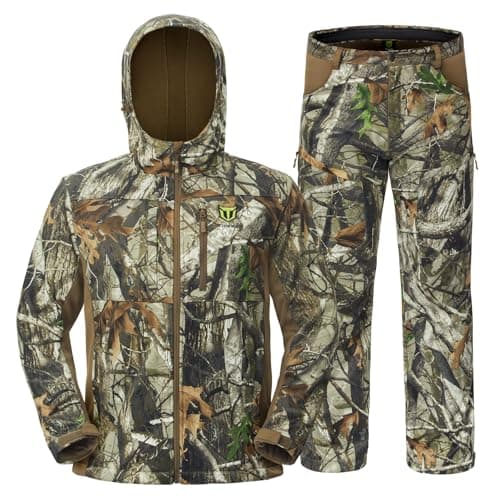
Quiet fleece-lined fabric, a cut that allows a full bow draw, and a pattern designed against animal vision. This is what the hunting-specific money actually buys you.
Best for: Purpose-built hunting camo9.0 - 2No image
Genuinely tough ripstop in a woodland pattern that breaks up fine in eastern timber — and cheap. The problem is the fabric: ripstop is loud against brush, which is exactly the wrong trait inside bow range.
Best for: The surplus-style option, honestly assessed7.5 - 3
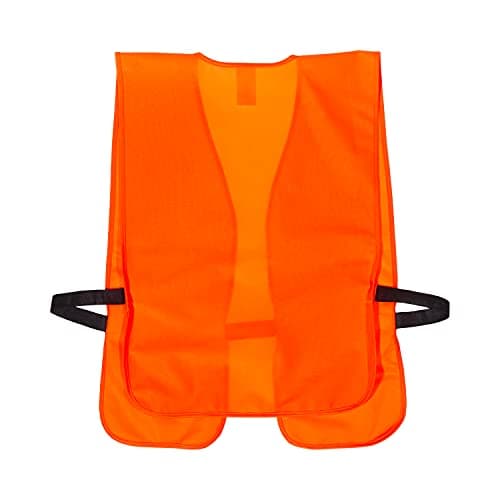
During firearm seasons in most states you are legally required to wear blaze orange over whatever pattern you chose. That requirement makes the hunting-vs-military argument mostly academic for gun hunters.
Best for: The layer that overrides this entire debate9.0
| # | Product | Best for | Score | Price |
|---|---|---|---|---|
| 1 | TIDEWE Hunting Clothes for Men (Silent Fabric) Quiet fleece-lined fabric, a cut that allows a full bow draw, and a pattern designed against animal vision. This is what the hunting-specific money actually buys you. | Purpose-built hunting camo | 9.0 | $94.49View on Amazon#ad |
| 2 | No image Propper Uniform BDU Coat (Woodland) Genuinely tough ripstop in a woodland pattern that breaks up fine in eastern timber — and cheap. The problem is the fabric: ripstop is loud against brush, which is exactly the wrong trait inside bow range. | The surplus-style option, honestly assessed | 7.5 | Check price on Amazon#ad |
| 3 | Allen Company Blaze Orange Hunting Vest During firearm seasons in most states you are legally required to wear blaze orange over whatever pattern you chose. That requirement makes the hunting-vs-military argument mostly academic for gun hunters. | The layer that overrides this entire debate | 9.0 | $4.97View on Amazon#ad |
Every new hunter runs into this question, usually because a friend or relative offers a bag of old fatigues. The instinct is reasonable — camouflage is camouflage, and surplus is cheap. But military and hunting camouflage are engineered against completely different threats, and knowing which difference actually matters will save you both money and a wasted morning.
The decision rule in one line
The decision rule
They are designed to defeat different eyes
Military camouflage is designed to defeat human observers — and increasingly human observers using optics, image intensifiers and thermal. That drives choices like near-infrared signature management, digital pixel patterns that work at multiple distances, and colors tuned to specific theaters (woodland, desert, urban).
Hunting camo is designed to defeat animal vision. Deer and most ungulates are dichromats — effectively red-green colorblind, but with excellent motion detection and good low-light sensitivity. Turkeys, by contrast, have superb color vision and are the reason turkey-specific patterns and full face coverage exist. So a hunting pattern is optimized for outline break-up in natural vegetation at close range, in the light conditions around dawn and dusk, rather than for defeating a spotting scope at 800 meters.
| Hunting camo | Military camo | |
|---|---|---|
| Designed to defeat | Animal vision (dichromatic, motion-sensitive) | Human vision and optical devices |
| Typical fabric | Fleece, brushed knits, soft shells — quiet | Ripstop cotton/nylon — durable and loud |
| Pattern goal | Outline break-up in vegetation at close range | Multi-distance concealment across a theater |
| Cut | Room to draw a bow, shoulder a gun, layer heavily | Uniform fit, load-bearing compatibility |
| Extras | Scent treatment, safety orange compatibility | NIR signature management, rank/insignia tape |
| Typical cost | Low to very high depending on brand | Low — surplus is cheap |
The real difference is fabric noise
If you take one thing from this page, take this: the pattern is a footnote; the fabric is the story. Military ripstop is crisp, tightly woven and designed to survive abuse — and it scrapes audibly against every branch you brush past. A whitetail at 25 yards will hear that long before it sees you. Hunting apparel is built around brushed fleece, napped knits and soft shell fabrics precisely because they are silent against brush.
This is why the noise gap matters most for bowhunters, who need animals inside about 30 yards, and matters least for rifle hunters shooting at 150 yards across a field. It is also why a cheap fleece hoodie in any pattern is a better bowhunting layer than an expensive ripstop jacket in the best pattern money can buy. We go further into the layering logic in the best beginner hunting camo.
The legal issue nobody mentions
Two things to check with your state wildlife agency before you hunt in surplus. First, blaze orange requirements: during firearm seasons most states require a minimum area of blaze orange or blaze pink, and camouflage underneath does not exempt you. Second, some states and many public lands have rules or local ordinances around wearing clothing that closely resembles current military uniforms, and a few restrict certain patterns on specific properties. Neither is usually a problem, but both are worth two minutes on your agency’s website — the same site you will use to sort your license, covered in the hunting license guide.
When military camo is genuinely fine
There are real situations where surplus is the right call and buying hunting apparel would be a waste:
- Rifle hunting at distance. Fabric noise barely matters at 150 yards, and you will be wearing blaze orange over the top anyway.
- Scouting and land work. Hanging stands, clearing shooting lanes, walking property lines in summer — surplus durability is genuinely better here than a $200 hunting jacket you will tear.
- Your first season on a tight budget. Free clothing that fits beats no clothing. Put the money you saved into boots and binoculars, which change your success rate far more.
- Cold-weather over-layers. A surplus wool shirt or parka liner is one of the quietest, warmest things you can wear, and often the cheapest.
The verdict for a beginner
Wear what you already own for your first season if it fits, and spend the difference on the gear that changes outcomes: boots, optics, and a pack that carries your layers. When you do buy purpose-made clothing, buy for quiet fabric first, warmth second, pattern last — and if you bowhunt, treat quiet fabric as non-negotiable. The complete set we recommend for most first-season hunters is in the beginner camo roundup, and if you are wondering whether the premium brands are a different story entirely, we answer that honestly in KUIU vs First Lite.
The picks in detail
TIDEWE Hunting Clothes for Men (Silent Fabric)
9.0/10Best for: Purpose-built hunting camo
Quiet fleece-lined fabric, a cut that allows a full bow draw, and a pattern designed against animal vision. This is what the hunting-specific money actually buys you.
- Fabric noise
- Silent — fleece face
- Designed against
- Animal vision
- Cut
- Allows a bow draw and layering
- Includes
- Jacket + pants
- Quiet enough for bow range, which surplus rarely is
- Complete two-piece set for the price of one premium jacket
- Pattern designed for woodland break-up rather than urban or desert
- Too warm for early season
- Sizing runs generous
Propper Uniform BDU Coat (Woodland)
7.5/10Best for: The surplus-style option, honestly assessed
Genuinely tough ripstop in a woodland pattern that breaks up fine in eastern timber — and cheap. The problem is the fabric: ripstop is loud against brush, which is exactly the wrong trait inside bow range.
- Fabric noise
- Loud — crisp ripstop
- Designed against
- Human vision and optics
- Durability
- Excellent
- Best for
- Rifle hunting, scouting, work
- Extremely durable for the money
- Woodland pattern breaks up acceptably in eastern hardwoods
- Reinforced construction survives brush and barbed wire
- Ripstop fabric is noisy in brush
- No scent-control or hunting-specific features
- Check your state's rules on wearing military-pattern clothing while hunting
Allen Company Blaze Orange Hunting Vest
9.0/10Best for: The layer that overrides this entire debate
During firearm seasons in most states you are legally required to wear blaze orange over whatever pattern you chose. That requirement makes the hunting-vs-military argument mostly academic for gun hunters.
- Type
- Blaze orange vest
- Fit
- Over any layering stack
- Fabric
- Quiet polyester, no zippers
- Best for
- Firearm season compliance
- Satisfies the blaze orange rule in most states
- Costs less than a tank of gas
- Quiet fabric that will not undo your camo choice
- Basic build
- Confirm your state's required square inches before relying on it
Prices shown are from Amazon as of Sep 5, 2026 and change often — the button always goes to the current listing. Some links may earn us a commission at no extra cost to you. How this works.
Frequently asked questions
Can you hunt in military camo?
In most places, yes — military-pattern clothing is legal to hunt in, and it works fine for rifle hunting where you will wear blaze orange over it anyway. Check your state's blaze orange requirement and any local rules about military-look clothing first. The practical drawback is fabric noise, not pattern.
What is the difference between hunting camo and military camo?
Military camo is designed to defeat human eyes and optics, using durable ripstop fabrics and patterns tuned to a theater. Hunting camo is designed to defeat animal vision at close range, using deliberately quiet fleece and soft-shell fabrics, with cuts that allow a bow draw. The fabric noise difference matters more than the pattern difference.
Is military camo good for bow hunting?
It is the weakest use case. Bowhunting needs animals inside about 30 yards, and crisp military ripstop is audibly noisy against brush at that distance. If you bowhunt, a quiet fleece or soft-shell hunting layer in any pattern will serve you better than surplus in the best pattern available.
Do deer see camo patterns?
Deer see a shape, not a pattern, in the way people imagine. They are effectively red-green colorblind but exceptionally good at detecting motion and solid human outlines. Any camo that breaks up your outline works about equally well; staying still, playing the wind and avoiding being skylined matter far more.
Sources
Keep reading
Not sure where to start?
The beginner gear checklist walks you through exactly what a first-season hunter needs — essentials first, nice-to-haves later, with one safe-default pick per category.