Guides · Getting started
What to Wear Hunting
You do not need a camo wardrobe. You need three layers that do three different jobs, and the discipline not to wear the warm one on the walk in.
Disclosure: Creek Cover is reader-supported. If you buy through our links we may earn a commission, at no extra cost to you. It never changes which pick we tell a beginner to start with. Full disclosure.
Quick picks at a glance
Tap a pick to read the full write-up, or the price button to check it on Amazon.
- 1
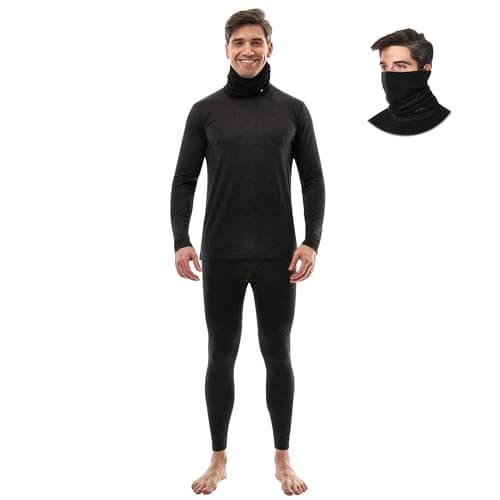
A merino top and bottom set, which is the single most important clothing purchase a beginner makes. Wool insulates when damp, which is the whole problem cotton cannot solve.
Best for: The layer to buy first9.2 - 2
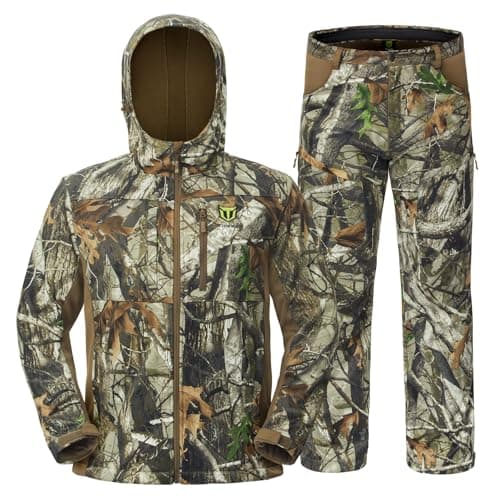
A quiet-fabric jacket and pants set in a hunting pattern, which covers the outer layer top and bottom in one purchase. The efficient way to go from no hunting clothes to enough hunting clothes.
Best for: The outer layer, as a complete set8.9 - 3
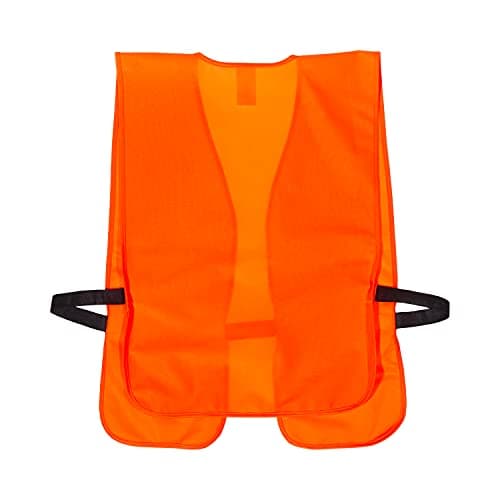
A simple blaze orange vest that goes over everything else. In most states during firearm seasons this is not optional, and even where it is, wearing it is the right call.
Best for: The layer the law asks for9.0
| # | Product | Best for | Score | Price |
|---|---|---|---|---|
| 1 | Merino.tech Merino Wool Base Layer Set A merino top and bottom set, which is the single most important clothing purchase a beginner makes. Wool insulates when damp, which is the whole problem cotton cannot solve. | The layer to buy first | 9.2 | $76.99View on Amazon#ad |
| 2 | TIDEWE Hunting Clothes for Men, Silent Fabric A quiet-fabric jacket and pants set in a hunting pattern, which covers the outer layer top and bottom in one purchase. The efficient way to go from no hunting clothes to enough hunting clothes. | The outer layer, as a complete set | 8.9 | $94.49View on Amazon#ad |
| 3 | Allen Company Blaze Orange Hunting Vest A simple blaze orange vest that goes over everything else. In most states during firearm seasons this is not optional, and even where it is, wearing it is the right call. | The layer the law asks for | 9.0 | $4.97View on Amazon#ad |
Hunting clothing looks like a large, expensive and confusing category, and almost all of that is marketing. Underneath it is a three-layer system that has not changed in decades, a single fabric rule, and one behavioral habit that matters more than any garment you can buy. Get those three right and a modest kit will out-perform an expensive one worn badly.
The three-layer system
Each layer has one job, and each layer fails if it tries to do another one’s.
| Layer | Job | What it should be | What it should not be |
|---|---|---|---|
| Base | Move sweat off your skin and keep insulating when damp | Merino wool or a synthetic wicking fabric | Cotton, ever |
| Mid | Trap air - this is where warmth comes from | Fleece, wool, or a light synthetic puffy | Bulky enough to restrict a bow draw |
| Outer | Block wind, shed water, and be quiet | Quiet-faced softshell or brushed cotton | A crinkly technical shell you cannot move in silently |
Notice that warmth lives in the middle. Beginners typically buy a very warm outer jacket and nothing underneath it, which produces a kit with one setting. Three layers give you four settings — base, base plus mid, base plus outer, all three — and you will use all of them across a season. Details on each are in base layers and hunting jackets.
Why cotton is the one rule
Cotton absorbs sweat and holds it against your skin, and wet fabric conducts heat away from you many times faster than dry fabric does. That is the entire mechanic behind the old saying, and it is not an exaggeration: a cotton t-shirt under a good jacket will make you colder on a still sit than no jacket at all would with wool underneath.
The exception people raise is the traditional cotton twill hunting jacket, and it is a fair one — as an outer layer, cotton is quiet and does not have to touch your skin. The rule is specifically about the layers next to you: base layer and socks. Wool or synthetic, always. This is also the cheapest place to fix a cold-weather problem, because a twelve dollar pair of merino socks solves more cold-feet complaints than a two hundred dollar boot upgrade does.
How much blaze orange the law wants
Blaze orange requirements are set by state, and they vary in three dimensions: how much, where on your body, and during which seasons. Common patterns include a required number of square inches of solid orange on the head, chest and back; a requirement for an orange hat plus a vest; and separate rules for firearm versus archery seasons.
Check your state, and then wear more than it says
What to wear by temperature
A starting point, assuming you are sitting still rather than walking. Adjust down one step if you are moving, and remember that sitting still for four hours is much colder than the thermometer suggests.
| Temperature | What to wear | Notes |
|---|---|---|
| 60F and above | Light merino base, light pants, orange if required | Bug protection matters more than warmth |
| 45-60F | Merino base plus a light outer layer | Carry the mid layer rather than wearing it in |
| 30-45F | Base, fleece mid, quiet outer, gloves and a hat | The layering system doing what it is for |
| 15-30F | Heavy base, insulated mid, insulated outer, heavy gloves, boot warmth | Hand and foot warmers become worth carrying |
| Below 15F | All of the above plus a face covering and a sit pad | Time-limit the sit and plan how you will warm up after |
Two things are missing from that table on purpose, because they matter enough to name. Your head and hands — you lose a great deal of heat from both, and hands that will not work cost you the shot. Get gloves you can shoot in rather than the warmest mittens you can find. And something to sit on — a cold metal stand seat or the frozen ground will pull heat out of you faster than any air temperature.
The walk-in rule that changes everything
Here is the habit that beats any purchase: do not wear your warm layers on the walk in. Carry them. Walk in your base layer and maybe a light shirt, arrive slightly cold, and put the insulation on once you have stopped and stopped sweating.
Nearly every beginner who is miserably cold by nine in the morning got that way by being too warm at six. You sweat on the approach, the sweat soaks the layers that were supposed to insulate you, and then you sit still in wet clothing for four hours. No jacket recovers from that. Walking in cold feels wrong for ten minutes and pays for the rest of the day — which is why a pack you can strap a jacket to is a genuine piece of clothing equipment.
The other half of the same habit: carry a dry spare pair of socks and change into them at the stand. Starting a long sit with dry feet extends how long you can stay out further than any single upgrade elsewhere in the kit. Check the whole list against the beginner gear checklist, and if rain is in the forecast, a packable shell goes in the pack too — see hunting rain gear.
The picks in detail
Merino.tech Merino Wool Base Layer Set
9.2/10Best for: The layer to buy first
A merino top and bottom set, which is the single most important clothing purchase a beginner makes. Wool insulates when damp, which is the whole problem cotton cannot solve.
- Layer
- Base - against the skin
- Fabric
- Merino wool
- Pieces
- Top and bottom
- Best for
- Every hunt, every season
- Keeps insulating after you have sweated on the walk in
- Resists odor over multiple days of wear
- Works as a standalone layer in early season
- Costs several times what a synthetic set does
- Thin merino wears through at pressure points over years
TIDEWE Hunting Clothes for Men, Silent Fabric
8.9/10Best for: The outer layer, as a complete set
A quiet-fabric jacket and pants set in a hunting pattern, which covers the outer layer top and bottom in one purchase. The efficient way to go from no hunting clothes to enough hunting clothes.
- Layer
- Outer
- Fabric
- Quiet brushed face
- Pieces
- Jacket and pants
- Best for
- Stand hunting, mid to late season
- Quiet enough for close-range bow work
- Two garments in one purchase
- Cut with room for layers underneath
- Water resistant rather than waterproof
- Sizing runs small - size up for layers
Allen Company Blaze Orange Hunting Vest
9.0/10Best for: The layer the law asks for
A simple blaze orange vest that goes over everything else. In most states during firearm seasons this is not optional, and even where it is, wearing it is the right call.
- Layer
- Over everything
- Color
- Blaze orange
- Fit
- Over outerwear
- Best for
- Firearm seasons, public ground
- Satisfies most state blaze orange requirements
- Packs flat so you can carry it and put it on when needed
- Cheap enough to own two
- Square-yardage requirements vary - check your state
- Adds a layer of noise over quiet outerwear
Prices shown are from Amazon as of Sep 5, 2026 and change often — the button always goes to the current listing. Some links may earn us a commission at no extra cost to you. How this works.
Frequently asked questions
What should a beginner wear hunting?
Three layers: a merino or synthetic base layer against the skin, a fleece or wool mid layer for warmth, and a quiet outer layer to block wind and shed water. Add blaze orange over the top during firearm seasons. Warmth comes from the middle layer, not the jacket, which is what most beginners get backwards.
Can you wear cotton hunting?
Not against your skin. Cotton absorbs sweat and holds it there, and wet fabric pulls heat out of you many times faster than dry fabric - so a cotton base layer actively makes you colder on a still sit. Cotton twill is fine as an outer jacket, where it is quiet and never touches your skin.
Do you have to wear blaze orange hunting?
In most states during firearm seasons, yes, and the specific requirement - how many square inches, on which parts of your body, in which seasons - varies by state. Check your annual regulations digest. Deer see orange as a shade of gray, so wearing more than the minimum costs you nothing in concealment.
Should you wear your hunting jacket on the walk to your stand?
No. Carry it. Walking in your insulation makes you sweat, the sweat soaks the layers meant to keep you warm, and then you sit still in wet clothing for hours. Arrive slightly cold, cool down, then put the warm layers on. This single habit prevents most first-season cold misery.
Do you need camo to hunt?
For firearm deer hunting at normal ranges, not really - stillness and wind direction matter far more, and you will be wearing blaze orange over it anyway. Camouflage earns its place in bow hunting and turkey hunting, where animals are inside forty yards and looking directly at you.
Sources
Keep reading
Not sure where to start?
The beginner gear checklist walks you through exactly what a first-season hunter needs — essentials first, nice-to-haves later, with one safe-default pick per category.