Gear · Roundup
The Best Hunting Base Layers for Beginners
The layer nobody sees is the one that decides whether you last until noon. Here is why wool wins, what weight to buy, and the complete set worth starting with.
Disclosure: Creek Cover is reader-supported. If you buy through our links we may earn a commission, at no extra cost to you. It never changes which pick we tell a beginner to start with. Full disclosure.
Quick picks at a glance
Tap a pick to read the full write-up, or the price button to check it on Amazon.
- 1
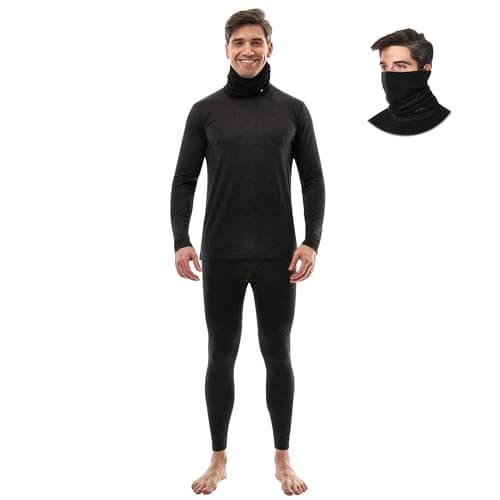
Top and bottom together in real merino at a price that undercuts most single-piece hunting brands. It is the purchase that ends the base-layer question for a first season, and it works just as well for winter chores as it does on stand.
Best for: The complete first merino set9.1 - 2
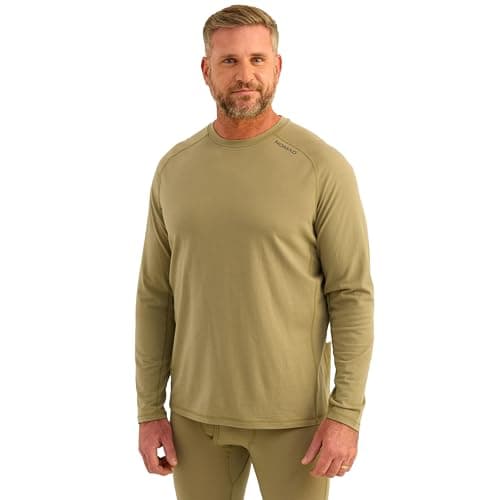
A wool-blend shirt built for hunting rather than adapted from skiing — camo, quiet, and blended with synthetic fiber so it survives being dragged through brush better than pure merino does.
Best for: Best hunting-specific base layer8.8 - 3
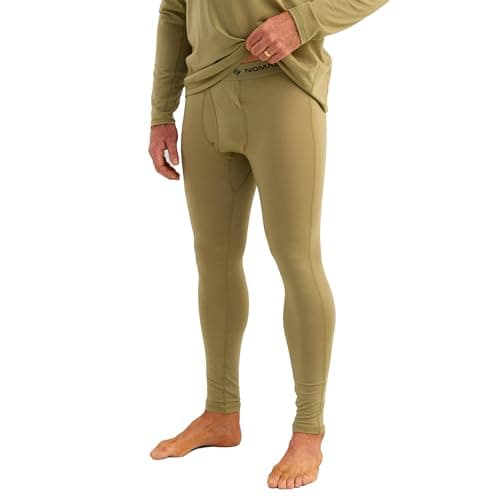
The legging that pairs with the crew above. Worth calling out separately because bottoms are the layer beginners skip — and cold legs on a three-hour sit end hunts just as reliably as cold hands.
Best for: The matching bottom half8.6 - 4
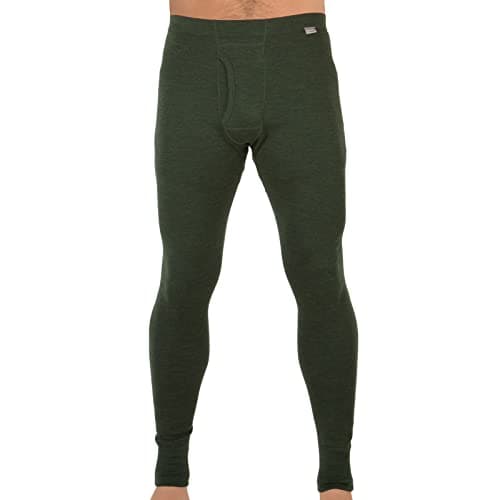
Straightforward 100% merino bottoms from a brand that does nothing else. If you want the maximum damp-warmth and odor resistance wool offers and do not care about camo, this is the honest choice.
Best for: Best pure-merino bottoms8.5 - 5
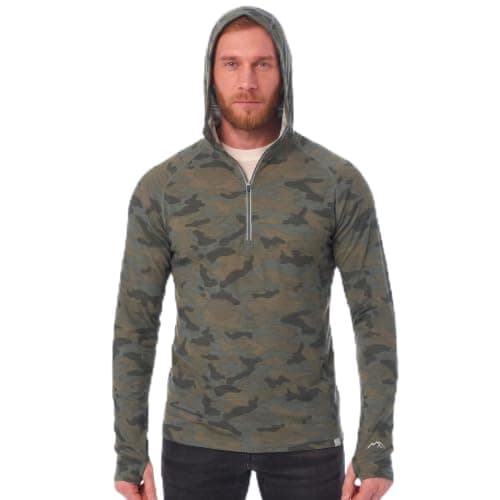
A camo merino quarter-zip that works as a base layer under a jacket in November and as your entire top half on a warm October morning. The quarter-zip is a real feature — it is how you dump heat on the walk in without stopping to strip.
Best for: Best base layer you can hunt in alone8.4
| # | Product | Best for | Score | Price |
|---|---|---|---|---|
| 1 | Merino.tech Merino Wool Base Layer Set Top and bottom together in real merino at a price that undercuts most single-piece hunting brands. It is the purchase that ends the base-layer question for a first season, and it works just as well for winter chores as it does on stand. | The complete first merino set | 9.1 | $76.99View on Amazon#ad |
| 2 | Nomad Durawool Crew Base Layer Shirt A wool-blend shirt built for hunting rather than adapted from skiing — camo, quiet, and blended with synthetic fiber so it survives being dragged through brush better than pure merino does. | Best hunting-specific base layer | 8.8 | $62.42View on Amazon#ad |
| 3 | Nomad Durawool Base Layer Legging The legging that pairs with the crew above. Worth calling out separately because bottoms are the layer beginners skip — and cold legs on a three-hour sit end hunts just as reliably as cold hands. | The matching bottom half | 8.6 | $57.49View on Amazon#ad |
| 4 | MERIWOOL 100% Merino Thermal Pants Straightforward 100% merino bottoms from a brand that does nothing else. If you want the maximum damp-warmth and odor resistance wool offers and do not care about camo, this is the honest choice. | Best pure-merino bottoms | 8.5 | $65.00View on Amazon#ad |
| 5 | Merino Wool Quarter-Zip Hoodie (Camo) A camo merino quarter-zip that works as a base layer under a jacket in November and as your entire top half on a warm October morning. The quarter-zip is a real feature — it is how you dump heat on the walk in without stopping to strip. | Best base layer you can hunt in alone | 8.4 | $64.99View on Amazon#ad |
Base layers are the least glamorous purchase in hunting and the one that changes a cold morning most. Everything you wear over the top only traps heat — the layer against your skin decides whether that heat is dry warmth or a damp chill you cannot shake. For a beginner the short answer is merino wool, in a midweight, bought as a set. That is the Merino.tech set above.
How we picked these
We compared published fiber content, fabric weight, cut and construction against the specific failure that ends beginner hunts: sweating on the walk in and then sitting still for three hours. We weighted damp-warmth performance and buying a complete set over brand prestige and pattern. We have not worn every garment here and do not claim to; our process is on the how we research and pick page, and prices are live and dated.
Merino, synthetic, or cotton?
| Fabric | When wet | Verdict for a beginner |
|---|---|---|
| Merino wool | Keeps insulating — wool holds warmth even when damp | Buy this. Also resists odor, so you can wear it several days |
| Synthetic (polyester) | Dries fast but feels cold while it does | A fine budget choice, especially for active hunts |
| Cotton | Holds water against your skin and pulls heat out of you | Never. Cotton in the cold is a genuine safety problem |
The old outdoors saying “cotton kills” is not folklore — wet cotton conducts heat away from your body many times faster than dry fabric, which is why hypothermia cases so often start with a cotton shirt. That includes the cotton t-shirt under your camo. It is the single easiest mistake to fix on this whole site: take it off and put wool on instead.
What weight should a beginner buy?
Base layers are sold by fabric weight, usually in grams per square meter. Lightweight (roughly 150g) is for warm-weather and high-output days; midweight (around 200–250g) is the all-round choice; heavyweight (300g and up) is for genuinely brutal late-season sits. Buy midweight first. It covers most of the season for most of the country, and layering a second thin layer over it in December beats owning a heavyweight set you can only wear for three weeks. Sizing matters more than usual here too: a base layer should be snug against your skin, because a loose one traps a pocket of cold air and cannot wick anything.
The sweat problem nobody warns you about
Here is the sequence that ruins first-season hunts. You dress for the temperature at the truck, walk half a mile uphill in the dark carrying a pack and a bow, arrive warm and damp, climb into a stand, and stop moving. Twenty minutes later your own sweat has cooled and you are colder than if you had worn less. The fix has two halves. First, wear less than feels right for the walk in and carry your outer layers in your pack. Second, wear a fabric that keeps working when it is damp — which is the entire argument for merino.
The beginner mistake
What to skip for now
Skip scent-control base layers as a category — the technology is contested, and hunting the wind is free and works. Skip buying three weights of everything; one midweight set plus the fleece you own covers a first season. And skip heavyweight bottoms until you have actually been cold in midweight ones. When you are ready to put the whole outfit together, read the beginner camo roundup for the full layering order and your outer layers and add gloves so the extremities are covered too. Everything ties back to the beginner gear checklist, which puts clothing in order against optics, boots and safety gear.
The picks in detail
Merino.tech Merino Wool Base Layer Set
9.1/10Best for: The complete first merino set
Top and bottom together in real merino at a price that undercuts most single-piece hunting brands. It is the purchase that ends the base-layer question for a first season, and it works just as well for winter chores as it does on stand.
- Includes
- Top + bottom (set)
- Fabric
- Merino wool
- Weight
- Midweight — most seasons
- Best for
- Cold sits, multi-day wear
- Still insulates when damp with sweat
- Resists odor — wearable several days without washing
- A complete set rather than half a solution
- Merino is less abrasion-resistant than synthetic
- Needs gentle washing to avoid shrinking
Nomad Durawool Crew Base Layer Shirt
8.8/10Best for: Best hunting-specific base layer
A wool-blend shirt built for hunting rather than adapted from skiing — camo, quiet, and blended with synthetic fiber so it survives being dragged through brush better than pure merino does.
- Type
- Crew-neck base layer top
- Fabric
- Durable wool blend
- Pattern
- Hunting camo
- Best for
- Hunters hard on their kit
- Tougher than pure merino in brush
- Camo pattern works as an outer layer on warm days
- Retains most of wool's damp-warmth advantage
- Top only — bottoms sold separately
- Blends resist odor less well than pure merino
Nomad Durawool Base Layer Legging
8.6/10Best for: The matching bottom half
The legging that pairs with the crew above. Worth calling out separately because bottoms are the layer beginners skip — and cold legs on a three-hour sit end hunts just as reliably as cold hands.
- Type
- Base layer legging
- Fabric
- Durable wool blend
- Fit
- Close, non-bunching under pants
- Best for
- Stand hunting in the cold
- Stays put under hunting pants instead of riding up
- Same damp-warmth behavior as the top
- Warm enough to make mid-weight pants work into December
- Sold separately from the top
- Snug fit runs small for layering
MERIWOOL 100% Merino Thermal Pants
8.5/10Best for: Best pure-merino bottoms
Straightforward 100% merino bottoms from a brand that does nothing else. If you want the maximum damp-warmth and odor resistance wool offers and do not care about camo, this is the honest choice.
- Type
- Thermal bottoms
- Fabric
- 100% merino wool
- Color
- Solid (not camo)
- Best for
- Maximum wool performance
- Pure merino — the best of wool's properties
- Comfortable enough to sleep in on a camp hunt
- Long-standing, well-reviewed line
- Solid color, no camo option
- Wears through at the knees faster than a blend
Merino Wool Quarter-Zip Hoodie (Camo)
8.4/10Best for: Best base layer you can hunt in alone
A camo merino quarter-zip that works as a base layer under a jacket in November and as your entire top half on a warm October morning. The quarter-zip is a real feature — it is how you dump heat on the walk in without stopping to strip.
- Type
- Quarter-zip hooded top
- Fabric
- Merino wool
- Pattern
- Camo
- Best for
- Early season, layering flexibility
- Quarter-zip vents heat without removing layers
- Camo means it can be the outer layer early season
- Hood adds real warmth for the weight
- Slim fit leaves little room for a thick mid layer
- Hood can interfere with a rifle cheek weld
Prices shown are from Amazon as of Sep 5, 2026 and change often — the button always goes to the current listing. Some links may earn us a commission at no extra cost to you. How this works.
Frequently asked questions
What is the best base layer for hunting?
Merino wool in a midweight is the best all-round choice for a beginner. It keeps insulating when it is damp with your own sweat, resists odor so you can wear it for several days, and covers most of the season. A complete top-and-bottom merino set is usually better value than buying pieces separately.
Is merino wool or synthetic better for hunting?
Merino is better for sitting still in the cold because it stays warm when damp and does not hold odor. Synthetic dries faster and costs less, which suits active, high-output hunting. Either beats cotton by a wide margin - avoid cotton entirely in cold weather.
Can I just wear a cotton shirt under my camo?
No. Cotton absorbs sweat and holds it against your skin, pulling heat out of you far faster than dry fabric, which is why it is a genuine hypothermia risk in cold weather. Replacing a cotton t-shirt with a wool or synthetic base layer is the cheapest meaningful upgrade most beginners can make.
How tight should hunting base layers be?
Snug against your skin without restricting movement. A loose base layer traps a pocket of cold air and cannot move moisture away from you, which defeats the point. Your mid and outer layers are where you want room to move and to add insulation.
Sources
Keep reading
Not sure where to start?
The beginner gear checklist walks you through exactly what a first-season hunter needs — essentials first, nice-to-haves later, with one safe-default pick per category.