Firearms · Roundup
The Best Hearing Protection for Hunting
One unprotected shot can cause permanent damage. Electronic muffs let you hear the woods better than your bare ears while cutting the blast — there is no reason left to go without.
Disclosure: Creek Cover is reader-supported. If you buy through our links we may earn a commission, at no extra cost to you. It never changes which pick we tell a beginner to start with. Full disclosure.
Quick picks at a glance
Tap a pick to read the full write-up, or the price button to check it on Amazon.
- 1
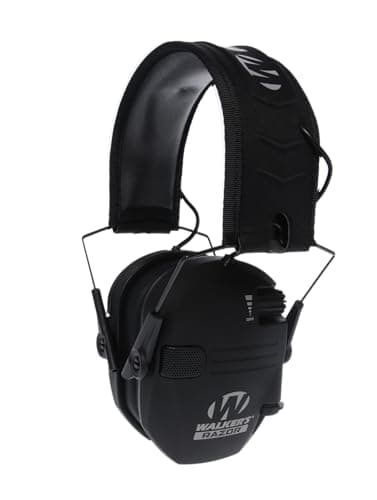
The slim cup profile is the whole point: you can get a proper cheek weld on a rifle stock without the muff levering off your head. Amplification is good enough to hunt in, and the blast compression is instant.
Best for: The best all-round hunting muffs9.2 - 2
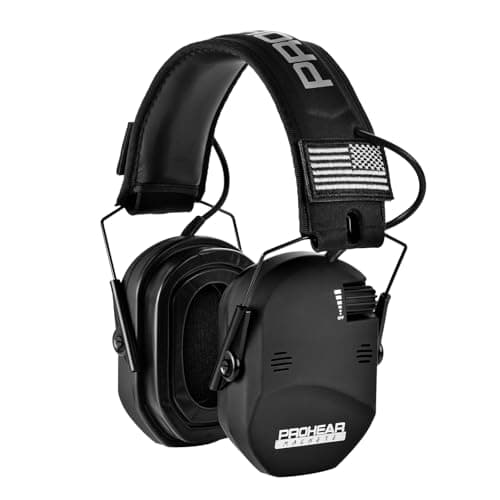
A 29dB rating and gel cushions — the pair to wear at a bench for a long zeroing session, where cumulative exposure and comfort matter more than a slim profile.
Best for: Best noise reduction for range days8.8 - 3
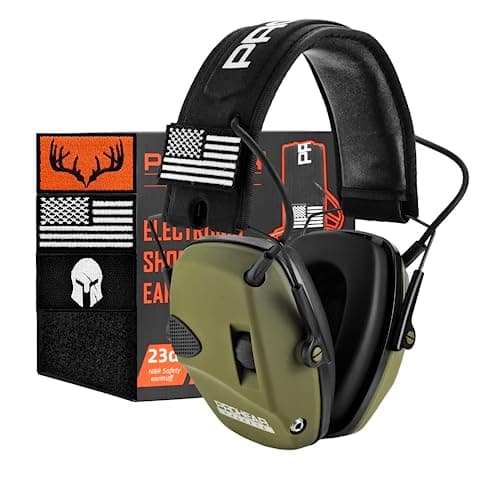
Four-times sound amplification at a budget price. If your priority is simply to stop shooting unprotected without spending much, this is the honest place to start — and a cheap pair you actually wear beats an expensive pair in the truck.
Best for: Best value electronic pair8.4 - 4
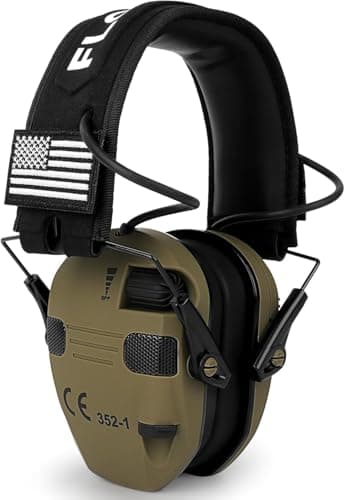
Inexpensive enough to keep a spare set for whoever comes with you. The single most common reason a new shooter goes unprotected is that nobody had a second pair — solve that for very little money.
Best for: Best cheap pair for a guest or child8.0 - 5
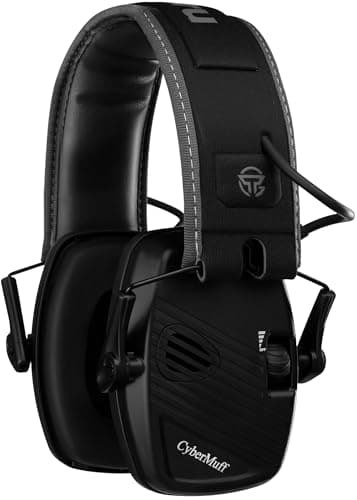
The lowest price here for a genuinely electronic muff. Buy it as the pair that lives permanently in the range bag so that ‘I forgot mine’ stops being a reason to shoot unprotected.
Best for: Cheapest electronic protection worth buying7.7
| # | Product | Best for | Score | Price |
|---|---|---|---|---|
| 1 | Walker's Razor Slim Electronic Earmuffs The slim cup profile is the whole point: you can get a proper cheek weld on a rifle stock without the muff levering off your head. Amplification is good enough to hunt in, and the blast compression is instant. | The best all-round hunting muffs | 9.2 | $35.09View on Amazon#ad |
| 2 | PROHEAR 022 Electronic Shooting Earmuffs A 29dB rating and gel cushions — the pair to wear at a bench for a long zeroing session, where cumulative exposure and comfort matter more than a slim profile. | Best noise reduction for range days | 8.8 | $49.38View on Amazon#ad |
| 3 | PROHEAR Electronic Ear Protection, 4X Amplification Four-times sound amplification at a budget price. If your priority is simply to stop shooting unprotected without spending much, this is the honest place to start — and a cheap pair you actually wear beats an expensive pair in the truck. | Best value electronic pair | 8.4 | $29.99View on Amazon#ad |
| 4 | Floriogra Electronic Ear Protection, 5X Amplification Inexpensive enough to keep a spare set for whoever comes with you. The single most common reason a new shooter goes unprotected is that nobody had a second pair — solve that for very little money. | Best cheap pair for a guest or child | 8.0 | $26.99View on Amazon#ad |
| 5 | TacGuru CyberMuff E Electronic Earmuffs The lowest price here for a genuinely electronic muff. Buy it as the pair that lives permanently in the range bag so that ‘I forgot mine’ stops being a reason to shoot unprotected. | Cheapest electronic protection worth buying | 7.7 | $12.99View on Amazon#ad |
A centerfire rifle produces a noise level well past the threshold at which a single exposure can cause permanent hearing damage. Not repeated exposure — one shot. Hearing loss does not heal, and the ringing that follows an unprotected shot is your ears telling you damage has already happened. This is the cheapest and most consequential accessory on this site, and the pair to buy is the Walker’s Razor Slim.
How we picked these
We compared published noise reduction ratings, cup profile, amplification behavior and comfort against two different jobs: sitting in the woods for hours needing to hear an animal, and sitting at a bench for an hour of zeroing. Those want different muffs, and we have named both. We do not perform acoustic testing and do not claim to; our method is on the how we research and pick page.
Why electronic, not foam plugs
The reason hunters historically shot unprotected is that plugs and passive muffs make you deaf to the thing you are hunting. Electronic muffs solve that completely: microphones feed outside sound to speakers inside the cups, amplified, and the electronics clamp down in milliseconds when a gunshot arrives. In practice you hear a squirrel in the leaves at forty yards better than with bare ears, and the shot is a muffled thump. There is no longer a trade-off to make, which is why “I need to hear the deer” is no longer a real argument.
| Option | Protection | Can you hear game? |
|---|---|---|
| Nothing | None — permanent damage from one shot | Yes, until you shoot |
| Foam plugs | Very good, and very cheap | No — you are effectively deaf |
| Passive muffs | Very good | No |
| Electronic muffs | Good, and automatic | Yes — better than unaided |
What NRR actually means
Noise Reduction Rating is a decibel figure printed on the packaging, and higher is better — but a higher number usually means bulkier cups, which brings its own problem (below). For hunting, where you fire a handful of shots a season, a moderate NRR in a slim muff you will actually wear beats a high NRR in a bulky muff you leave in the truck. For an indoor range or a long zeroing session, take the higher rating, and consider wearing plugs under muffs for the worst of it — that combination is what serious range shooters use.
The cheek weld problem
This is the practical detail that decides whether hunters keep wearing protection. When you shoulder a rifle, your cheek presses against the stock — and a thick earmuff cup catches on the stock and levers the seal off your head, or pushes your head into a position that ruins your sight picture. Slim-profile muffs exist entirely to solve this. If you shoot a rifle or shotgun, cup thickness matters more than the NRR number, because a muff that breaks your scope alignment is a muff you will take off.
Buy two pairs
What to skip for now
Skip custom-molded electronic in-ear units for a first season — they are excellent and cost many times more than a good muff. Skip Bluetooth music features; you are hunting. And skip the idea that a suppressor solves this: even suppressed, most centerfire rifles remain above safe exposure levels, and suppressors are heavily regulated. What you should add alongside these is eye protection, a shooting rest so your zeroing session actually teaches you something, and the rest of the safety kit on the beginner gear checklist. If you have not yet chosen a firearm, start with the beginner shotgun guide or the caliber guide.
The picks in detail
Walker's Razor Slim Electronic Earmuffs
9.2/10Best for: The best all-round hunting muffs
The slim cup profile is the whole point: you can get a proper cheek weld on a rifle stock without the muff levering off your head. Amplification is good enough to hunt in, and the blast compression is instant.
- Type
- Electronic earmuff
- Profile
- Slim — clears a rifle stock
- Amplification
- Yes, with instant compression
- Best for
- Hunting and the range
- Low-profile cups do not fight your cheek weld
- Hear conversation and approaching game better than unaided
- Folds flat into a pack
- Slim cups mean a lower noise rating than bulky muffs
- Battery door is fiddly with cold hands
PROHEAR 022 Electronic Shooting Earmuffs
8.8/10Best for: Best noise reduction for range days
A 29dB rating and gel cushions — the pair to wear at a bench for a long zeroing session, where cumulative exposure and comfort matter more than a slim profile.
- Noise rating
- 29dB NRR
- Cushions
- Gel cooling
- Type
- Electronic earmuff
- Best for
- Range sessions, indoor ranges
- Highest protection here for indoor or bench shooting
- Gel cushions stay comfortable over hours
- Good amplification quality
- Bulkier cups interfere with a rifle cheek weld
- Heavier to wear all day in the field
PROHEAR Electronic Ear Protection, 4X Amplification
8.4/10Best for: Best value electronic pair
Four-times sound amplification at a budget price. If your priority is simply to stop shooting unprotected without spending much, this is the honest place to start — and a cheap pair you actually wear beats an expensive pair in the truck.
- Amplification
- 4x
- Type
- Electronic earmuff
- Best for
- First pair on a budget
- Use
- Range and hunting
- Real electronic amplification at a low price
- Adjustable volume
- Cheap enough to keep a pair in every vehicle
- Amplified sound is noisier and less natural than the Walker's
- Build quality reflects the price
Floriogra Electronic Ear Protection, 5X Amplification
8.0/10Best for: Best cheap pair for a guest or child
Inexpensive enough to keep a spare set for whoever comes with you. The single most common reason a new shooter goes unprotected is that nobody had a second pair — solve that for very little money.
- Amplification
- 5x
- Type
- Electronic earmuff
- Adjustment
- Adjustable headband
- Best for
- Spares, guests, kids
- Very cheap for an electronic pair
- Headband adjusts down for smaller heads
- Better than any passive muff at hearing range commands
- Amplification is harsh at high volume
- Not a pair we would rely on as a primary
TacGuru CyberMuff E Electronic Earmuffs
7.7/10Best for: Cheapest electronic protection worth buying
The lowest price here for a genuinely electronic muff. Buy it as the pair that lives permanently in the range bag so that ‘I forgot mine’ stops being a reason to shoot unprotected.
- Type
- Electronic earmuff
- Role
- Range bag spare / entry pair
- Adjustment
- Adjustable headband
- Best for
- The lowest-cost start
- Cheapest way to stop shooting unprotected
- Compact enough for a range bag
- Basic amplification still beats passive muffs
- Thin padding gets uncomfortable over an hour
- Short battery life
Prices shown are from Amazon as of Sep 5, 2026 and change often — the button always goes to the current listing. Some links may earn us a commission at no extra cost to you. How this works.
Frequently asked questions
Do I really need hearing protection for hunting?
Yes. A centerfire rifle or shotgun produces a noise level at which a single unprotected shot can cause permanent hearing damage. Electronic muffs remove the old excuse of not being able to hear game - they amplify quiet sounds and clamp down on the shot automatically.
What is the best hearing protection for hunting?
Slim-profile electronic earmuffs. They amplify ambient sound so you hear game better than with bare ears, compress the muzzle blast in milliseconds, and their low-profile cups do not fight your cheek weld when you shoulder a rifle - which is the main reason hunters stop wearing bulkier muffs.
What NRR do I need for shooting?
Higher is better, but fit matters more for hunting. A moderate rating in a slim muff you actually wear protects you far more than a high rating in a bulky muff left in the truck. For indoor ranges and long zeroing sessions, use the highest rating you can, or wear foam plugs underneath muffs.
Are electronic earmuffs worth it over cheap foam plugs?
For hunting, yes - foam plugs protect well but leave you unable to hear approaching game or range commands, which is why hunters historically skipped protection altogether. For a static range session, plugs are excellent and inexpensive, and plugs under muffs is the best protection available.
Sources
Keep reading
Not sure where to start?
The beginner gear checklist walks you through exactly what a first-season hunter needs — essentials first, nice-to-haves later, with one safe-default pick per category.