Firearms · Roundup
The Best Recoil Pads for Hunting
Recoil does not hurt your shoulder nearly as much as it hurts your shooting. The flinch is what costs you the animal.
Disclosure: Creek Cover is reader-supported. If you buy through our links we may earn a commission, at no extra cost to you. It never changes which pick we tell a beginner to start with. Full disclosure.
Quick picks at a glance
Tap a pick to read the full write-up, or the price button to check it on Amazon.
- 1
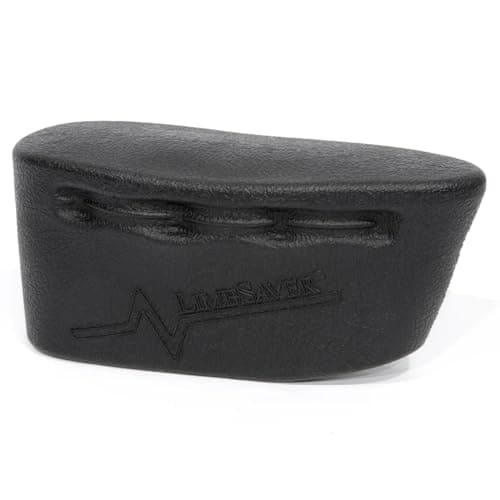
LimbSaver's dampening material in a slip-on that fits over an existing stock with no permanent modification. The small size adds the least length of pull, which is what most beginners need.
Best for: The best all-round slip-on pad9.2 - 2
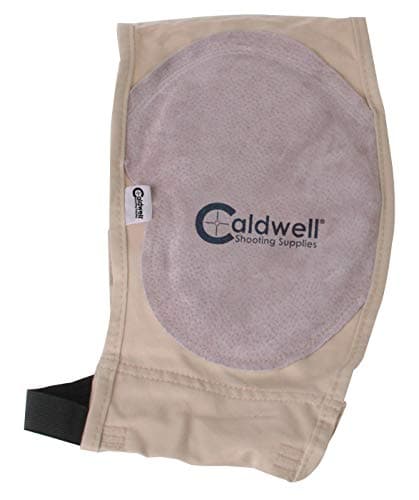
A padded shield worn on your shoulder rather than fitted to the gun, which means it works with every firearm you own and does not change the fit of any of them. The right tool for a bench day sighting in.
Best for: Best for a long range session8.9 - 3
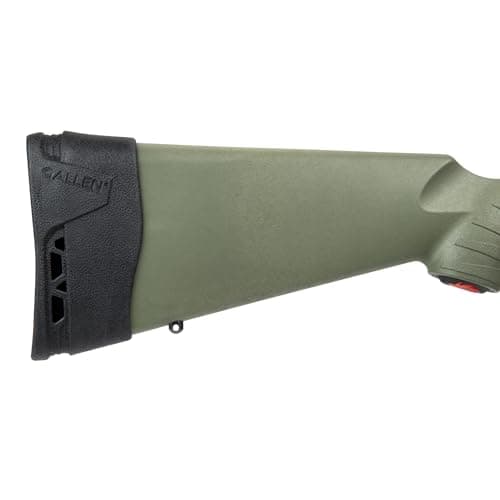
A gel-filled slip-on at a lower price than the LimbSaver, in a large size that suits shotgun stocks better. Not quite the same dampening material, and considerably better than nothing.
Best for: Best value slip-on8.5 - 4
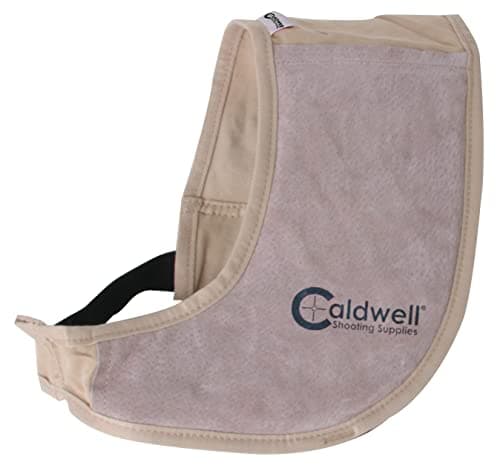
A lower-profile shoulder pad designed to be worn under a hunting jacket rather than over a range shirt. Less padding than the Mag Plus, and it does not print through your clothing.
Best for: Best shoulder pad you can hunt in8.3 - 5
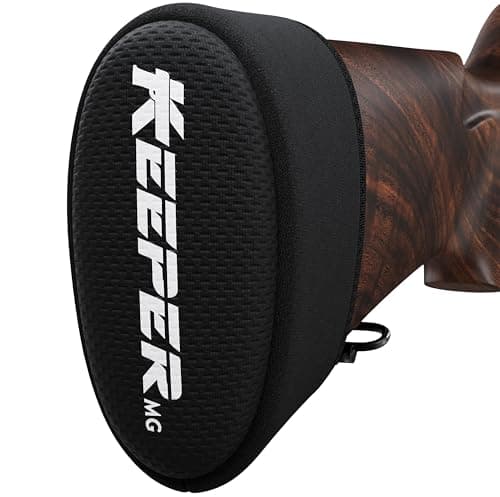
A gel slip-on for about the price of a box of shells, listed as compatible with the common Winchester, Remington and Mossberg stock profiles. Basic, and it does the fundamental job.
Best for: Cheapest pad worth fitting7.9
| # | Product | Best for | Score | Price |
|---|---|---|---|---|
| 1 | LimbSaver AirTech Slip-On Recoil Pad, Small LimbSaver's dampening material in a slip-on that fits over an existing stock with no permanent modification. The small size adds the least length of pull, which is what most beginners need. | The best all-round slip-on pad | 9.2 | $15.99View on Amazon#ad |
| 2 | Caldwell Mag Plus Recoil Shield A padded shield worn on your shoulder rather than fitted to the gun, which means it works with every firearm you own and does not change the fit of any of them. The right tool for a bench day sighting in. | Best for a long range session | 8.9 | $36.99View on Amazon#ad |
| 3 | Allen Company Recoil Eraser II Slip-On Pad, Large A gel-filled slip-on at a lower price than the LimbSaver, in a large size that suits shotgun stocks better. Not quite the same dampening material, and considerably better than nothing. | Best value slip-on | 8.5 | $15.29View on Amazon#ad |
| 4 | Caldwell Field Recoil Pad A lower-profile shoulder pad designed to be worn under a hunting jacket rather than over a range shirt. Less padding than the Mag Plus, and it does not print through your clothing. | Best shoulder pad you can hunt in | 8.3 | $30.99View on Amazon#ad |
| 5 | KEEPER MG Gel Slip-On Recoil Pad A gel slip-on for about the price of a box of shells, listed as compatible with the common Winchester, Remington and Mossberg stock profiles. Basic, and it does the fundamental job. | Cheapest pad worth fitting | 7.9 | $12.99View on Amazon#ad |
Recoil is the most under-discussed obstacle in a beginner’s first season with a firearm, mostly because admitting a gun kicks too hard feels like admitting something else. It is not. Recoil is physics, and it produces a specific, measurable problem: your body starts anticipating the shot and moving before the shot happens. That is a flinch, and it will scatter your groups long before it bruises your shoulder. The LimbSaver AirTech slip-on is under twenty dollars and it is the honest first fix.
How we picked these
We compared pad type, material, fitting method and stated dimensions against two different jobs: making a hard-kicking gun bearable for a long sighting-in session, and making it bearable in the field without changing how the gun fits. We weighted no-gunsmithing fitting heavily, and we flagged the length-of-pull consequence on every slip-on, because that is the side effect nobody mentions on the box. We do not measure felt recoil — our method is on the how we research and pick page, and prices here are live and dated.
The real problem is flinch, not bruising
A flinch is involuntary. You cannot decide not to have one, and you generally cannot see it in yourself — which is why the classic test is to have someone load your gun out of sight and sometimes leave the chamber empty. Pull the trigger on an empty chamber and watch the muzzle dip. That dip is what is happening on every live round too.
The reason this matters more than comfort: a flinch develops fastest during the exact session where accuracy matters most — sighting in. Forty rounds of full-power hunting ammunition off a bench is where most beginners acquire one, because the bench removes the give your body has when standing. If you are going to spend a morning zeroing a rifle, spend twenty dollars on a pad first. It is cheaper than the ammunition you will waste otherwise.
A pad is one of three fixes, and the cheapest
Slip-on, shoulder shield, or replacement pad
| Type | Fitting | Changes gun fit | Best for |
|---|---|---|---|
| Slip-on pad | Stretches over the stock, no tools | Yes - adds length of pull | The default first purchase |
| Shoulder shield | Worn on you, adjustable strap | No | Range and sighting-in sessions |
| Replacement butt pad | Screwed on, often needs fitting | Depends - can be ground to size | A permanent fix on a gun you keep |
| Mercury recoil reducer | Installed inside the stock | Adds weight, not length | Heavy shotgun loads, permanent setups |
For a first season, a slip-on is right for the field and a shoulder shield is right for the bench. Owning both costs less than one box of premium ammunition, and they solve genuinely different problems.
The catch: length of pull
Length of pull is the distance from the trigger to the back of the butt pad, and it is the single most important fit dimension on a long gun. A slip-on pad adds three quarters of an inch to well over an inch to it, and that changes how the gun mounts.
If your stock already fits well, that extra length will push your face further back on the comb and can make a scoped rifle harder to get behind. Two practical responses. Buy the smallest slip-on that fits your stock rather than the thickest one available. And mount the gun at home with the pad fitted and your hunting clothes on — a bulky jacket effectively shortens length of pull, which sometimes means the pad brings the gun to exactly the right place rather than the wrong one. If the gun feels long with the pad on in a t-shirt but right in a jacket, that is a gun that will fit fine in November.
What to skip for now
Skip having a gunsmith fit a permanent replacement pad until you know the gun is one you are keeping. Skip muzzle brakes on a hunting rifle: they genuinely reduce recoil and they dramatically increase the noise going sideways toward anyone next to you, which is a poor trade in a hunting context. And skip the idea that you should tough it out — a beginner who builds a flinch spends years unlearning it, and a twenty dollar pad prevents the whole problem. While you are at it, wear proper hearing protection; noise drives flinch every bit as much as impact does, and it is the one you cannot undo.
The picks in detail
LimbSaver AirTech Slip-On Recoil Pad, Small
9.2/10Best for: The best all-round slip-on pad
LimbSaver's dampening material in a slip-on that fits over an existing stock with no permanent modification. The small size adds the least length of pull, which is what most beginners need.
- Type
- Slip-on
- Added length of pull
- About 1 in
- Material
- AirTech dampening polymer
- Fitting
- No gunsmithing
- The most effective recoil material available in a slip-on
- No permanent change to the gun - comes off in seconds
- No-slip face keeps it on your shoulder
- Adds length of pull, which matters on a short-stocked gun
- Sizing must match your stock circumference
Caldwell Mag Plus Recoil Shield
8.9/10Best for: Best for a long range session
A padded shield worn on your shoulder rather than fitted to the gun, which means it works with every firearm you own and does not change the fit of any of them. The right tool for a bench day sighting in.
- Type
- Shoulder-worn shield
- Fit
- Adjustable strap
- Changes gun fit
- No
- Best for
- Range sessions, sighting in
- Works with every gun you own, including borrowed ones
- Does not alter length of pull at all
- Thicker padding than any slip-on can offer
- Bulky under hunting clothing - a range tool, not a field one
- Has to be worn on the correct shoulder every time
Allen Company Recoil Eraser II Slip-On Pad, Large
8.5/10Best for: Best value slip-on
A gel-filled slip-on at a lower price than the LimbSaver, in a large size that suits shotgun stocks better. Not quite the same dampening material, and considerably better than nothing.
- Type
- Slip-on
- Size
- Large - suits shotguns
- Fill
- Gel
- Fitting
- No gunsmithing
- Cheaper than the LimbSaver equivalent
- Large size fits chunkier shotgun stocks properly
- Gel spreads the impulse well
- Adds more length of pull than the small LimbSaver
- Gel stiffens noticeably in freezing weather
Caldwell Field Recoil Pad
8.3/10Best for: Best shoulder pad you can hunt in
A lower-profile shoulder pad designed to be worn under a hunting jacket rather than over a range shirt. Less padding than the Mag Plus, and it does not print through your clothing.
- Type
- Shoulder-worn, low profile
- Fit
- Adjustable
- Changes gun fit
- No
- Best for
- Hunting with a hard-kicking gun
- Thin enough to wear under hunting clothing
- Works across every gun without refitting anything
- Green, so it does not spoil concealment
- Less padding than a dedicated range shield
- One more thing to remember to put on
KEEPER MG Gel Slip-On Recoil Pad
7.9/10Best for: Cheapest pad worth fitting
A gel slip-on for about the price of a box of shells, listed as compatible with the common Winchester, Remington and Mossberg stock profiles. Basic, and it does the fundamental job.
- Type
- Slip-on
- Fill
- Gel
- Fits
- Common shotgun and rifle stocks
- Fitting
- No gunsmithing
- Cheapest option here by a clear margin
- Fits the most common stock profiles
- Easy to move between two guns
- Less effective than the LimbSaver material
- Fit is loose on slimmer rifle stocks
Prices shown are from Amazon as of Sep 5, 2026 and change often — the button always goes to the current listing. Some links may earn us a commission at no extra cost to you. How this works.
Frequently asked questions
Do recoil pads actually work?
Yes. A good slip-on pad spreads the impulse over a wider area and over slightly more time, which measurably reduces felt recoil. The more important effect is preventing a flinch, because an involuntary flinch scatters your groups far more than a sore shoulder ever affects your hunting.
Does a slip-on recoil pad change how a gun fits?
Yes - it adds length of pull, typically three quarters of an inch to over an inch. On a gun that already fits, that pushes your face further back on the comb. Buy the smallest pad that fits your stock, and test the mount wearing the hunting clothes you will actually shoot in, because a bulky jacket shortens effective length of pull.
What is the best way to reduce recoil for a beginner?
Three options, cheapest first: fit a slip-on recoil pad, shoot reduced-recoil ammunition, or use a lighter-recoiling gun such as a 20 gauge instead of a 12. A pad costs under twenty dollars and requires no gunsmithing, which makes it the sensible first step before sighting in.
How do you know if you have a flinch?
Have someone load your gun out of sight and sometimes leave the chamber empty. Pull the trigger on an empty chamber and watch the muzzle - if it dips, that is a flinch, and it is happening on every live round too. Most shooters cannot detect their own flinch any other way.
Sources
Keep reading
Not sure where to start?
The beginner gear checklist walks you through exactly what a first-season hunter needs — essentials first, nice-to-haves later, with one safe-default pick per category.