Firearms · Comparison
12 Gauge vs 20 Gauge
The 12 does more. The 20 gets shot better. For a first season, the second of those matters more than the first.
Disclosure: Creek Cover is reader-supported. If you buy through our links we may earn a commission, at no extra cost to you. It never changes which pick we tell a beginner to start with. Full disclosure.
Quick picks at a glance
Tap a pick to read the full write-up, or the price button to check it on Amazon.
- 1
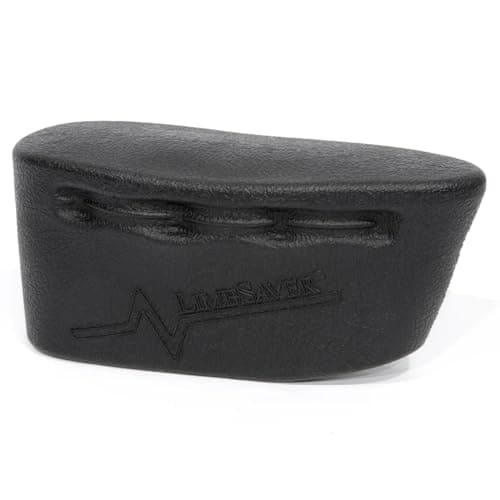
The single accessory that changes this comparison most. A pad narrows the recoil gap between the two gauges considerably, and it is the difference between a productive sighting-in session and a flinch.
Best for: Making either gauge shootable9.2 - 2
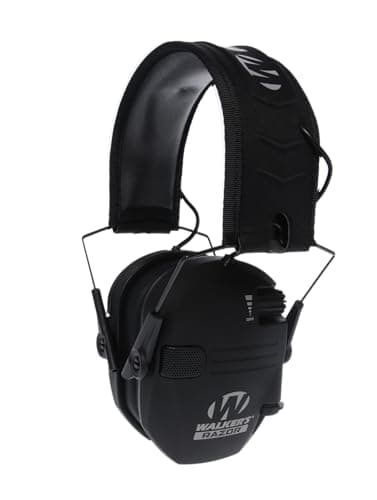
Muzzle blast drives flinch as much as shoulder impact does, and a 12 gauge is loud. Electronic muffs cut the blast while amplifying normal sound, so you can still hear a bird flush or someone talking.
Best for: The other half of the flinch problem9.0
| # | Product | Best for | Score | Price |
|---|---|---|---|---|
| 1 | LimbSaver AirTech Slip-On Recoil Pad The single accessory that changes this comparison most. A pad narrows the recoil gap between the two gauges considerably, and it is the difference between a productive sighting-in session and a flinch. | Making either gauge shootable | 9.2 | $15.99View on Amazon#ad |
| 2 | Walker's Razor Slim Electronic Earmuffs Muzzle blast drives flinch as much as shoulder impact does, and a 12 gauge is loud. Electronic muffs cut the blast while amplifying normal sound, so you can still hear a bird flush or someone talking. | The other half of the flinch problem | 9.0 | $35.09View on Amazon#ad |
This is the first real decision most people face when buying a shotgun, and the internet answers it badly in both directions — either “12 gauge, it does everything” or “20 gauge, the 12 is too much gun.” Both are half right. The useful version of the answer depends on what you will hunt and, much more importantly, on how many rounds you will actually put through it before opening day.
What the gauge number actually means
Gauge is an old measurement and it runs backwards. It is the number of lead balls of the bore’s diameter that would weigh one pound. Twelve balls that fit a 12 gauge barrel weigh a pound; twenty smaller balls that fit a 20 gauge barrel weigh a pound. So a bigger gauge number means a smaller barrel. A 12 gauge bore is about 0.729 inches; a 20 gauge is about 0.615.
That difference in bore translates into payload. A standard 12 gauge field load carries roughly 1 1/8 ounces of shot; a standard 20 gauge load carries about 7/8 of an ounce. That is the whole physical story — about 25 percent more pellets per shot, and correspondingly more recoil to launch them.
The recoil difference, honestly
Recoil is proportional to the mass being launched and the speed it leaves at, divided by the weight of the gun. A 20 gauge firing a lighter payload out of a gun that is usually a pound lighter does not produce proportionally less recoil — but it produces noticeably less, and the gap widens with heavy loads.
| Load | 12 gauge | 20 gauge | Practical read |
|---|---|---|---|
| Light target loads | Mild | Very mild | Both are pleasant - shoot either all day |
| Standard field loads | Noticeable | Mild | The 20 is easier to practice with |
| Heavy waterfowl loads | Substantial | Noticeable | The 12 starts to punish beginners here |
| Turkey loads | Severe | Substantial | Both hurt; the 12 hurts considerably more |
| Slugs | Severe | Substantial | Ten slugs off a bench is a genuinely long session either way |
Recoil you avoid is practice you get
What each gauge can actually hunt
The honest answer is that a 20 gauge with the right load kills everything a beginner is realistically hunting. The differences are at the edges, and they are real but narrower than the reputation suggests.
Turkey — both work, and this is where the 12 has a genuine edge because pattern density at 40 yards matters enormously. Modern high-density turkey loads have closed much of that gap, and a 20 gauge with a proper turkey choke and a premium load is a legitimate 40-yard turkey gun. Twenty years ago it was not.
Waterfowl — the 12 is the better tool. Non-toxic shot is less dense than lead, so you need larger pellets and more of them, and the 12 carries them. A 20 works perfectly well over decoys inside 30 yards, which is where most beginner duck hunting happens anyway.
Upland, dove, rabbit, squirrel — the 20 is arguably the better gun. Lighter to carry all day, faster to swing, and entirely sufficient at the ranges involved. This is exactly the case in rabbit hunting and squirrel hunting.
Deer with slugs — both are legal and effective where slug hunting is required, though the 12 has more energy. Check your state regulations first, because slug and buckshot rules for deer vary considerably; the hunting license basics guide explains where to find them.
Ammunition cost and availability
This is the strongest practical argument for the 12, and it is worth taking seriously. Twelve gauge is the most produced shotshell in the world. It is cheaper per box, it is available in every rural hardware store, and in a supply squeeze it is the last thing to disappear. Twenty gauge is usually a few dollars more per box and the specialty loads — heavy turkey, premium non-toxic — have thinner shelf presence.
For a hunter who shoots two boxes a year, that difference is negligible. For someone who wants to shoot clays regularly to get good, it adds up. Weigh it against the fact that a beginner who finds a 12 unpleasant will shoot fewer boxes of the cheaper shell than they would have of the dearer one.
Which one should you buy
Buy the 20 gauge if you are recoil-sensitive, of smaller build, buying for a younger hunter, hunting mostly upland and small game, or if you know honestly that you will practice more with a gun that does not hurt.
Buy the 12 gauge if waterfowl is a real part of your plan, if you want the cheapest and most available ammunition, or if you want one gun that covers absolutely everything with no caveats.
And whichever you pick: fit a recoil pad, buy proper hearing protection, and pattern the gun with the loads you will hunt with. Those three things will improve your results more than the gauge decision will. The specific models worth considering are in the beginner shotgun guide, and if you are still deciding between a shotgun and a rifle at all, that is answered in rifle vs shotgun.
The picks in detail
LimbSaver AirTech Slip-On Recoil Pad
9.2/10Best for: Making either gauge shootable
The single accessory that changes this comparison most. A pad narrows the recoil gap between the two gauges considerably, and it is the difference between a productive sighting-in session and a flinch.
- Type
- Slip-on
- Added length of pull
- About 1 in
- Fitting
- No gunsmithing
- Fits
- 12 and 20 gauge stocks
- Meaningfully reduces felt recoil on a 12 gauge
- Comes off in seconds, so it moves between guns
- Cheap enough that there is no argument against it
- Adds length of pull, which matters on a short-stocked gun
- Size must match your stock circumference
Walker's Razor Slim Electronic Earmuffs
9.0/10Best for: The other half of the flinch problem
Muzzle blast drives flinch as much as shoulder impact does, and a 12 gauge is loud. Electronic muffs cut the blast while amplifying normal sound, so you can still hear a bird flush or someone talking.
- Type
- Electronic earmuffs
- Function
- Blast suppression, sound amplification
- Profile
- Slim - clears a gun stock
- Best for
- Range sessions and blind hunting
- Slim cups do not get knocked by the stock on mount
- Amplification means you still hear the woods
- Protects the hearing you cannot get back
- Batteries, and they fade in the cold
- Bulkier than plugs for walking hunts
Prices shown are from Amazon as of Sep 5, 2026 and change often — the button always goes to the current listing. Some links may earn us a commission at no extra cost to you. How this works.
Frequently asked questions
Is a 20 gauge enough for deer and turkey?
Yes, with the right load. A 20 gauge with a dedicated turkey choke and a premium high-density load is a legitimate 40 yard turkey gun, which was not true twenty years ago. For deer, 20 gauge slugs are legal and effective in slug states - check your own regulations, because slug and buckshot rules vary considerably.
How much less does a 20 gauge kick than a 12?
Noticeably less, and the gap widens with heavier loads. A 20 gauge launches roughly 7/8 ounce of shot against a 12 gauge's 1 1/8 ounce, and 20 gauge guns are usually about a pound lighter, which offsets some of that advantage. With light field loads both are pleasant; with turkey loads the 12 is considerably harder to shoot.
What does shotgun gauge actually mean?
It is the number of lead balls of the bore's diameter that would weigh one pound - so a bigger gauge number means a smaller barrel. A 12 gauge bore is about 0.729 inches and a 20 gauge is about 0.615 inches. That difference is why the 12 carries roughly 25 percent more shot per standard load.
Should a beginner start with a 12 or 20 gauge?
A 20 gauge if you are recoil-sensitive or hunting mostly upland and small game, because a gun that does not punish you is a gun you practice with. A 12 gauge if waterfowl is a real part of the plan or you want the cheapest and most available ammunition. Fit a recoil pad either way.
Is 12 gauge ammunition cheaper than 20 gauge?
Usually yes, by a few dollars a box, and it is far more widely stocked - 12 gauge is the most produced shotshell in the world. Specialty 20 gauge loads such as heavy turkey and premium non-toxic have noticeably thinner shelf presence, which matters if you shoot regularly.
Sources
Keep reading
Not sure where to start?
The beginner gear checklist walks you through exactly what a first-season hunter needs — essentials first, nice-to-haves later, with one safe-default pick per category.