Guides · Quarry
Deer Hunting for Beginners
Whitetail deer are the reason most Americans start hunting, and the reason a lot of them quit in year one. Here is the version nobody tells you at the gun counter.
Disclosure: Creek Cover is reader-supported. If you buy through our links we may earn a commission, at no extra cost to you. It never changes which pick we tell a beginner to start with. Full disclosure.
Quick picks at a glance
Tap a pick to read the full write-up, or the price button to check it on Amazon.
- 1
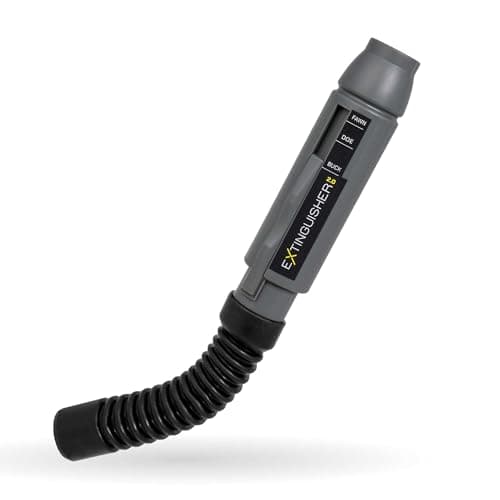
An adjustable grunt tube that produces buck, doe and fawn vocalizations from a single unit. You will call badly at first — everyone does — and this is the cheapest way to learn the difference between the sounds without owning four calls.
Best for: The one call to start with9.0 - 2
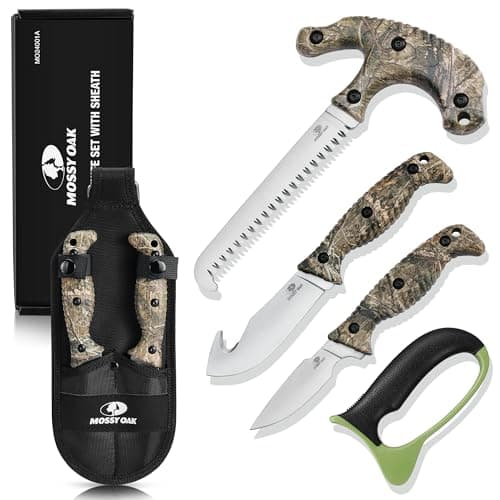
A gut hook, a caping blade, a bone saw and a sheath. Beginners spend months choosing a rifle and zero minutes thinking about the ninety minutes after a deer is down — this is the kit that keeps that part from becoming a disaster.
Best for: The gear you need after the shot8.6 - 3
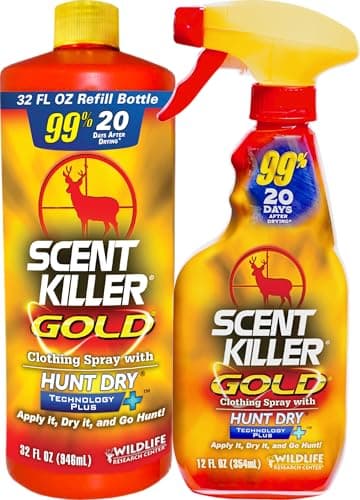
A whitetail's nose is the single reason most beginner hunts end with a blown stalk and no explanation. Spray is not a magic cloak, but combined with playing the wind it removes one of the two ways you get busted.
Best for: Cutting your scent on a budget8.4
| # | Product | Best for | Score | Price |
|---|---|---|---|---|
| 1 | Illusion Extinguisher Deer Call An adjustable grunt tube that produces buck, doe and fawn vocalizations from a single unit. You will call badly at first — everyone does — and this is the cheapest way to learn the difference between the sounds without owning four calls. | The one call to start with | 9.0 | $24.97View on Amazon#ad |
| 2 | Mossy Oak Field Dressing Kit (4-Piece) A gut hook, a caping blade, a bone saw and a sheath. Beginners spend months choosing a rifle and zero minutes thinking about the ninety minutes after a deer is down — this is the kit that keeps that part from becoming a disaster. | The gear you need after the shot | 8.6 | $35.99View on Amazon#ad |
| 3 | Wildlife Research Scent Killer Gold Spray (44 oz) A whitetail's nose is the single reason most beginner hunts end with a blown stalk and no explanation. Spray is not a magic cloak, but combined with playing the wind it removes one of the two ways you get busted. | Cutting your scent on a budget | 8.4 | $17.99View on Amazon#ad |
More people start hunting with whitetail deer than with everything else combined, and the reasons are good ones: deer live in all but a handful of states, seasons are long, tags are usually over-the-counter rather than a draw, and one animal fills a freezer. The problem is that almost all the beginner-facing information about deer hunting is really about buying things. This page is about the other part — what a deer does all day, where you are allowed to stand, and why most first-season hunters go home empty-handed for reasons that have nothing to do with their equipment.
If you have not sorted your license and tags yet, do that first: our hunting license guide covers the order of operations, and deer tags in particular are the ones most likely to be zone-specific or draw-allocated. Everything below assumes you are legal.
Why deer are the right first quarry
Is deer hunting good for beginners? Yes — whitetail deer are the most accessible quarry in North America for a new hunter. Seasons run for weeks or months, tags are typically available over the counter, deer are abundant near where most people live, and a single animal yields roughly 40 to 70 pounds of meat. The skills transfer to almost every other kind of hunting.
The practical case is about repetition. Hunting is a skill you learn by sitting, and deer seasons give you the most chances to sit. A turkey season may run three weeks in the spring with a narrow window each morning; a whitetail archery season in many states opens in September and runs into January. That is thirty or forty opportunities to make mistakes and learn from them, which is exactly what a beginner needs and exactly what a short, tightly drawn season denies you.
Deer are also forgiving of the two things beginners are worst at: gear and marksmanship. A deer is a large target at close range. You do not need a magnum cartridge, a $1,500 bow, or premium optics to kill one cleanly — you need to be within your effective range and calm. Compare that with waterfowl, where wingshooting is genuinely hard and the gear is genuinely specialized, and you can see why deer is where almost everyone should start.
Where to hunt when you own no land
This is the real barrier, and nobody selling gear talks about it. The three honest options, in the order most beginners should try them:
| Access type | How to get it | The catch |
|---|---|---|
| Public land | State wildlife management areas, national forest, Bureau of Land Management ground — open to anyone with a license | Pressured, especially the first mile from a parking area. Walk further than you want to. |
| Permission on private land | Knock on doors in farm country in late summer, before the season, and ask politely | You will hear no a lot. One yes out of fifteen asks is a normal, good rate. |
| Paid access | A lease, a hunting club membership, or an outfitted hunt | Costs anywhere from a few hundred to several thousand dollars a season. |
Public land is where nearly every self-taught hunter starts, and the single most useful thing to know about it is that pressure drops off sharply with distance and difficulty. Most hunters park, walk ten or fifteen minutes, and sit. If you are willing to walk a mile, cross a creek, or climb a ridge that looks unpleasant on a map, you will often have deer that no one else is bothering. That effort is worth more than any piece of equipment you can buy.
Ask for permission in August, not October
When deer actually move
Whitetails are crepuscular: they move most at dawn and dusk. That is the whole of the timing advice most beginners get, and it is true but incomplete. What matters more for planning your season is where you are in the breeding cycle, because it changes deer behavior completely.
| Phase | Roughly when | What deer do | Beginner strategy |
|---|---|---|---|
| Early season | Opening through early October | Predictable feeding patterns, bucks still in bachelor groups | Hunt food sources in the evening. The most patternable deer of the year. |
| The October lull | Mid to late October | Movement shifts, daylight activity drops as pressure builds | The hardest stretch. Hunt less, scout more, save your best spots. |
| Pre-rut and rut | Late October into November in most of the country | Bucks travel widely and abandon caution, deer are on their feet all day | Sit all day if you can. This is the best chance a beginner gets. |
| Late season | December into January | Deer return to food, driven by cold and calories | Hunt food again, especially on the coldest afternoons. |
If you can only take a week off work, take it during the rut. A beginner hunting the rut has a genuinely better chance than an experienced hunter working the October lull, because rutting bucks make mistakes that cover for yours. The exact timing varies by latitude — ask at a local check station or call your state biologist rather than trusting a national "rut map."
The wind rule that decides everything
A whitetail's sense of smell is its primary defense, and it is not close. Everything else — camouflage, calling, being still — is secondary to whether your scent is blowing toward the deer. The rule is simple and almost nobody follows it consistently: the wind must blow from the deer to you, not from you to the deer. Check the forecast, pick a stand location that works for that specific wind, and if no stand works, do not hunt. Sitting the wrong wind in your favorite spot does not just waste a morning — it educates every deer that uses that area.
This is also why scent control products are useful but oversold. A scent-control spray reduces how much you smell; it does not make you smell like nothing. Treat it as a way to buy a margin of error on a swirling wind, not as permission to hunt a bad one. The same logic applies to your access route: walking to your stand through the bedding area you intend to hunt is a common beginner mistake that ruins the sit before it starts.
The second sense to respect is hearing, and the fix is free. Deer tolerate a surprising amount of natural noise — squirrels, branches, other deer — and almost none of the metallic or rhythmic sounds humans make. A dropped release aid on a metal treestand platform will empty a woodlot. Slow down, and pad anything that clanks.
The shot, and the hour after it
Aim for the vitals — the heart and lung area behind the front shoulder, roughly a third of the way up the body. It is a target about the size of a paper plate, which sounds generous until a deer is actually standing in front of you. Know your effective range honestly: for most beginners that is 20 to 30 yards with a bow and 100 to 150 yards with a rifle, and it is the range at which you can put every practice shot into a paper plate from a realistic field position, not off a bench.
After the shot, the instinct is to go look immediately. Do not. Mark exactly where the deer was standing and where it ran, then wait — commonly 30 minutes for a clear double-lung hit, and several hours for anything less certain. A deer that beds down and dies is recoverable; a deer you push while it is still alive can travel a very long way. This waiting period is the most commonly ignored piece of advice in deer hunting and the one most responsible for lost animals.
Have a plan for the meat before you pull the trigger
What a realistic first season looks like
Here is the honest expectation: a large share of first-season hunters do not kill a deer, and that is a normal outcome rather than a failure. Success rates on public land in many states sit well under half even among experienced hunters. If you measure your season by whether you filled a tag, you are likely to quit. Measure it instead by whether you learned where deer walk on the ground you hunt, because that knowledge is what makes year two different.
A good first season looks like this: you get legal early, you find one or two accessible spots and learn them properly instead of sampling ten, you hunt the right wind every time even when it is inconvenient, and you sit longer than is comfortable during the rut. You buy a modest weapon you can shoot well — see beginner hunting rifles or, if you are going the bow route, beginner bows — and you spend the money you saved on practice ammunition or arrows instead of accessories.
For the full kit, work from the beginner gear checklist rather than a forum thread; it is ordered by what actually matters. And if you are still weighing whether deer is the right animal to start on at all, the easiest animals to hunt comparison lays the options side by side.
The picks in detail
Illusion Extinguisher Deer Call
9.0/10Best for: The one call to start with
An adjustable grunt tube that produces buck, doe and fawn vocalizations from a single unit. You will call badly at first — everyone does — and this is the cheapest way to learn the difference between the sounds without owning four calls.
- Type
- Adjustable grunt tube
- Sounds
- Buck, doe, fawn
- Season
- Best from pre-rut onward
- Best for
- Learning deer vocalizations
- One call replaces a buck grunt, doe bleat and fawn bleat
- Short enough to hang on a bino harness and forget about
- Cheap enough that a beginner mistake costs nothing
- Calling too much is the classic beginner error, and this makes it easy
- Useless in early season before deer are vocal
Mossy Oak Field Dressing Kit (4-Piece)
8.6/10Best for: The gear you need after the shot
A gut hook, a caping blade, a bone saw and a sheath. Beginners spend months choosing a rifle and zero minutes thinking about the ninety minutes after a deer is down — this is the kit that keeps that part from becoming a disaster.
- Pieces
- 4, plus sheath
- Includes
- Gut hook, skinner, saw
- Carry
- Belt sheath
- Best for
- First field dressing
- Bone saw handles the pelvis and sternum a folding knife cannot
- Gut hook makes the one cut beginners most often botch
- Everything lives in one sheath so nothing gets left in the truck
- Steel is fine, not premium — expect to sharpen after a deer or two
- Bulkier on the belt than a single replaceable-blade knife
Wildlife Research Scent Killer Gold Spray (44 oz)
8.4/10Best for: Cutting your scent on a budget
A whitetail's nose is the single reason most beginner hunts end with a blown stalk and no explanation. Spray is not a magic cloak, but combined with playing the wind it removes one of the two ways you get busted.
- Volume
- 44 oz with refill
- Use
- Clothing, boots, pack
- When
- Before every sit
- Best for
- Bow range encounters
- Large bottle lasts a full season of regular use
- Cheapest meaningful step against the sense that defeats beginners
- Matters most at bow range, where you need the deer close
- No spray beats hunting the wrong wind — it supplements, never replaces
- Heavy to carry; decant into a small bottle for the pack
Prices shown are from Amazon as of Sep 5, 2026 and change often — the button always goes to the current listing. Some links may earn us a commission at no extra cost to you. How this works.
Frequently asked questions
Is deer hunting good for beginners?
Yes. Whitetail deer are the most accessible quarry in North America for a new hunter - long seasons, over-the-counter tags in most states, abundant populations near where people live, and a large target that does not demand expert marksmanship. One deer also yields roughly 40 to 70 pounds of meat.
What do I need to start deer hunting?
A license and the correct deer tag for your zone, a legal weapon you can shoot accurately at realistic distances, blaze orange where required, a knife and a way to field dress the animal, and somewhere legal to hunt. Everything else - calls, scent control, treestands - is useful but optional in year one.
What time of day is best for deer hunting?
Dawn and the last two hours of daylight, because whitetails move most at first and last light. The exception is the rut, usually late October into November, when bucks travel throughout the day and an all-day sit becomes genuinely worthwhile.
How long should you wait after shooting a deer?
Commonly around 30 minutes for a clearly lethal double-lung hit, and several hours for a marginal or uncertain shot. A deer that beds down undisturbed usually dies close by; one that is pushed while still alive can travel a very long distance and may not be recovered.
Sources
Keep reading
- The Easiest Animals to Hunt for Beginners
- The Complete Beginner Gear Checklist
- How to Get Your First Hunting License
- The Best Beginner Hunting Rifles
- The Best Treestands for Beginners
- The Best Scent Control for Hunting
- The Best Deer Calls for Beginners
- How to Field Dress a Deer
- Public Land Hunting for Beginners
Not sure where to start?
The beginner gear checklist walks you through exactly what a first-season hunter needs — essentials first, nice-to-haves later, with one safe-default pick per category.