Gear · Roundup
The Best Hunting First Aid Kits
Hunting puts you a long way from help with sharp blades and, often, a firearm. A drugstore kit of plasters is not the kit you need out there.
Disclosure: Creek Cover is reader-supported. If you buy through our links we may earn a commission, at no extra cost to you. It never changes which pick we tell a beginner to start with. Full disclosure.
Quick picks at a glance
Tap a pick to read the full write-up, or the price button to check it on Amazon.
- 1No image
A kit designed around outdoor injuries — bleeding, sprains, blisters, burns — with a field guide included, from the most respected name in wilderness medical kits. This is the one to buy if you buy one.
Best for: The best purpose-built hunting kit9.2 - 2No image
A trauma-focused kit containing the things that actually stop life-threatening bleeding: a tourniquet, a pressure bandage and a chest seal. Uncomfortable to think about with a firearm in the truck — which is precisely why it belongs there.
Best for: Best for serious bleeding control8.9 - 3
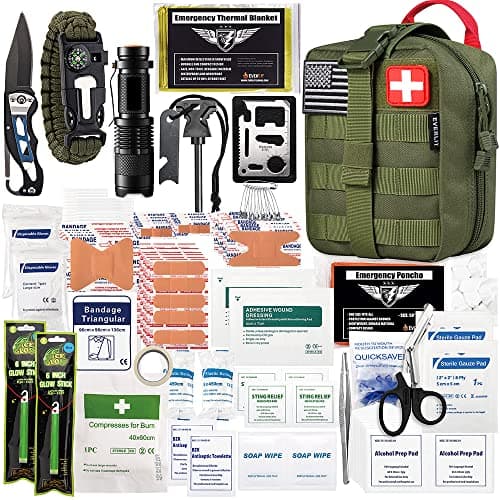
A big, comprehensive kit that covers everyday injuries plus some survival items. Too bulky for a daypack, ideal for the vehicle — which is where the second, larger kit should live.
Best for: Best all-round kit for the truck8.5 - 4
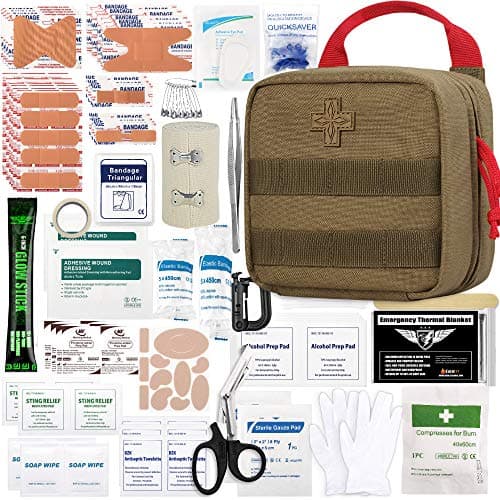
A middle ground: enough contents to be genuinely useful, in a pouch that clips to the outside of a pack so it is reachable without unpacking everything. Reachability matters more than contents in an emergency.
Best for: Best pack-mounted kit8.3 - 5
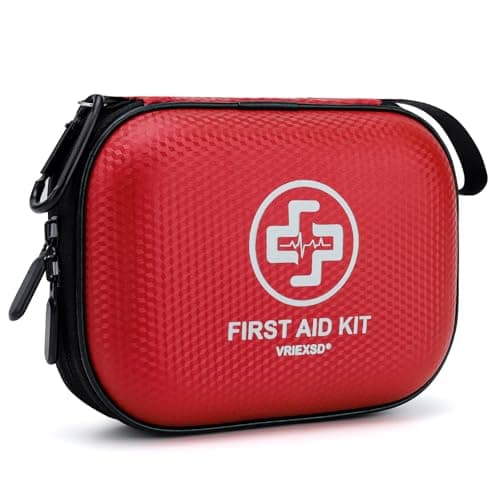
Tiny, waterproof and under ten dollars. It will not handle a serious injury, but it handles the cuts, splinters and blisters that are far more likely — and it is small enough that you will never leave it behind.
Best for: Cheapest kit worth carrying7.9
| # | Product | Best for | Score | Price |
|---|---|---|---|---|
| 1 | No image Adventure Medical Kits Sportsman Series Medical Kit 100 A kit designed around outdoor injuries — bleeding, sprains, blisters, burns — with a field guide included, from the most respected name in wilderness medical kits. This is the one to buy if you buy one. | The best purpose-built hunting kit | 9.2 | Check price on Amazon#ad |
| 2 | No image Survival First Aid Kit with Israeli Bandage, Chest Seal and Tourniquet A trauma-focused kit containing the things that actually stop life-threatening bleeding: a tourniquet, a pressure bandage and a chest seal. Uncomfortable to think about with a firearm in the truck — which is precisely why it belongs there. | Best for serious bleeding control | 8.9 | Check price on Amazon#ad |
| 3 | Everlit 250-Piece Survival First Aid Kit A big, comprehensive kit that covers everyday injuries plus some survival items. Too bulky for a daypack, ideal for the vehicle — which is where the second, larger kit should live. | Best all-round kit for the truck | 8.5 | $39.99View on Amazon#ad |
| 4 | Everlit 180-Piece Tactical IFAK with MOLLE Pouch A middle ground: enough contents to be genuinely useful, in a pouch that clips to the outside of a pack so it is reachable without unpacking everything. Reachability matters more than contents in an emergency. | Best pack-mounted kit | 8.3 | $20.99View on Amazon#ad |
| 5 | Mini First Aid Kit, 150 Piece Waterproof Hard Shell Tiny, waterproof and under ten dollars. It will not handle a serious injury, but it handles the cuts, splinters and blisters that are far more likely — and it is small enough that you will never leave it behind. | Cheapest kit worth carrying | 7.9 | $8.99View on Amazon#ad |
Hunting combines several things that a drugstore first aid kit was never designed for: very sharp blades used on a wet animal in poor light, climbing, cold, distance from a road, and often a firearm. The realistic injuries are cuts to the hands during field dressing, blisters, sprained ankles, and — rarely but seriously — a fall or a firearm injury. Buy the Adventure Medical Sportsman kit, and read the section on training below, because the kit is the easy half.
How we picked these
We compared published contents against the injuries hunting actually produces, weighted for pack weight and whether the kit can be reached one-handed in a hurry. We ranked bleeding-control capability and hunting-relevant contents above raw piece counts, which are inflated by plasters and inflate nothing else. We are not medical professionals and this page is not medical advice; our method is on the how we research and pick page.
Why a hunting kit is different
| Hunting reality | What it demands |
|---|---|
| You are a long way from a road, often alone | Self-treatment capability, not a five-minute hold-out |
| You handle a razor-sharp knife on slippery hands | Serious wound-closure and bleeding control, not plasters |
| You may be at height in a treestand | A plan for a fall — and a phone you can reach while suspended |
| You may be carrying a firearm | A tourniquet, and the knowledge to use it |
| It is cold, wet and dark | Waterproof packaging and contents you can open in gloves |
What actually needs to be in it
Beyond the everyday plasters and antiseptic, four things matter. A tourniquet, because catastrophic bleeding is the injury that kills fastest and the one you have the least time to solve. A pressure or Israeli bandage for a serious cut. Blister care, because the most likely thing to end your hunt is your feet — see our socks page for how to avoid needing it. And something to keep you warm: a foil emergency blanket weighs nothing, and if you are injured and immobile in the cold, hypothermia becomes the real threat well before the injury does.
Two kits, not one
The kit is useless without the knowledge
This is the honest part. Owning a tourniquet without knowing how to apply one is close to useless — they need to go on tight enough that it hurts, high on the limb, and people hesitate. Take a basic first aid course, and if you hunt with a firearm, look for a “Stop the Bleed” class; they are short, widely available and often free. Read the guide that comes with your kit before the season rather than during an emergency. And do the simplest thing of all: tell someone exactly where you are hunting and when you will be back. That single habit has saved more hunters than every product on this page combined.
Two more free habits worth building. Carry your phone in a zipped chest pocket where you can reach it if you are hurt or suspended in a harness, not in a pack hanging on the tree. And keep a headlamp in the kit — a great many minor situations become serious ones purely because it got dark.
What to skip for now
Skip the enormous 400-piece kits for pack carry — the weight is mostly plasters and you will leave it in the truck, which defeats the purpose. Skip prescription-style items you are not trained to use. Skip snake-bite extractor kits, which are not recommended by current medical guidance. What you should add instead costs nothing: a plan, a phone in a reachable pocket, and someone who knows where you went. Put the kit on the beginner gear checklist alongside the harness and the orange vest — the three items whose whole job is making sure you come home.
The picks in detail
Adventure Medical Kits Sportsman Series Medical Kit 100
9.2/10Best for: The best purpose-built hunting kit
A kit designed around outdoor injuries — bleeding, sprains, blisters, burns — with a field guide included, from the most respected name in wilderness medical kits. This is the one to buy if you buy one.
- Type
- Wilderness / sportsman kit
- Contents
- Trauma, wound, sprain, blister
- Extras
- Field first aid guide included
- Best for
- Day hunts away from a road
- Contents actually match hunting injuries
- Includes a guide — critical if you have no training
- Sized to live in a pack permanently
- Costs several times a drugstore kit
- Still worth adding a dedicated tourniquet
Survival First Aid Kit with Israeli Bandage, Chest Seal and Tourniquet
8.9/10Best for: Best for serious bleeding control
A trauma-focused kit containing the things that actually stop life-threatening bleeding: a tourniquet, a pressure bandage and a chest seal. Uncomfortable to think about with a firearm in the truck — which is precisely why it belongs there.
- Type
- Trauma kit (IFAK)
- Key contents
- Tourniquet, Israeli bandage, chest seal
- Carry
- MOLLE pouch
- Best for
- Firearm seasons, remote hunts
- Carries the components that stop major bleeding
- Pouch attaches to a pack or belt
- The right kit for the worst realistic scenario
- Useless without knowing how to use a tourniquet — take a course
- Light on everyday items like plasters and blister care
Everlit 250-Piece Survival First Aid Kit
8.5/10Best for: Best all-round kit for the truck
A big, comprehensive kit that covers everyday injuries plus some survival items. Too bulky for a daypack, ideal for the vehicle — which is where the second, larger kit should live.
- Type
- Comprehensive kit
- Pieces
- 250
- Size
- Vehicle / camp
- Best for
- The truck, deer camp
- Covers a wide range of everyday injuries
- Good value per item
- Includes some useful survival extras
- Too bulky to carry hunting
- Piece counts inflate with small items
Everlit 180-Piece Tactical IFAK with MOLLE Pouch
8.3/10Best for: Best pack-mounted kit
A middle ground: enough contents to be genuinely useful, in a pouch that clips to the outside of a pack so it is reachable without unpacking everything. Reachability matters more than contents in an emergency.
- Type
- IFAK-style pouch kit
- Pieces
- 180
- Carry
- MOLLE attachment
- Best for
- Attaching to a hunting pack
- Mounts on the outside of a pack — reachable one-handed
- Decent breadth of contents
- Reasonably priced
- Not as hunting-specific as the Adventure Medical kit
- Pouch adds bulk to a pack's profile
Mini First Aid Kit, 150 Piece Waterproof Hard Shell
7.9/10Best for: Cheapest kit worth carrying
Tiny, waterproof and under ten dollars. It will not handle a serious injury, but it handles the cuts, splinters and blisters that are far more likely — and it is small enough that you will never leave it behind.
- Type
- Compact everyday kit
- Case
- Waterproof hard shell
- Size
- Pocket / small pack
- Best for
- Minor injuries, always-carry
- Small enough that it lives in the pack permanently
- Waterproof case keeps contents usable
- Very cheap
- No bleeding-control components
- Not a substitute for a real kit on a remote hunt
Prices shown are from Amazon as of Sep 5, 2026 and change often — the button always goes to the current listing. Some links may earn us a commission at no extra cost to you. How this works.
Frequently asked questions
What should be in a hunting first aid kit?
Beyond everyday plasters and antiseptic: a tourniquet, a pressure or Israeli bandage for serious cuts, blister care, and a foil emergency blanket. Hunting injuries skew toward deep knife cuts during field dressing, falls, sprains and blisters - not the paper cuts a household kit is built around.
Do I need a tourniquet for hunting?
If you hunt with a firearm or handle sharp knives far from a road, yes - catastrophic bleeding is the injury with the least time to solve it. But a tourniquet is only useful if you know how to apply one properly, so pair it with a short Stop the Bleed or basic first aid course.
Is a regular first aid kit good enough for hunting?
Not on its own. A household kit handles minor cuts but has no bleeding-control components, no blister care worth the name, and no emergency warmth. Keep a comprehensive kit in the truck and a smaller, hunting-appropriate one on your pack where you can actually reach it.
What is the most common hunting injury?
Cuts to the hands during field dressing and blisters are by far the most frequent, followed by sprains and falls. Treestand falls are the leading cause of serious injury. That mix is why a hunting kit should carry good wound care and blister supplies alongside its trauma components.
Sources
Keep reading
Not sure where to start?
The beginner gear checklist walks you through exactly what a first-season hunter needs — essentials first, nice-to-haves later, with one safe-default pick per category.