Gear · Roundup
The Best Deer Calls for Beginners
Calling works far better than most beginners expect and far worse than most beginners use it. Timing beats technique, and less beats more.
Disclosure: Creek Cover is reader-supported. If you buy through our links we may earn a commission, at no extra cost to you. It never changes which pick we tell a beginner to start with. Full disclosure.
Quick picks at a glance
Tap a pick to read the full write-up, or the price button to check it on Amazon.
- 1
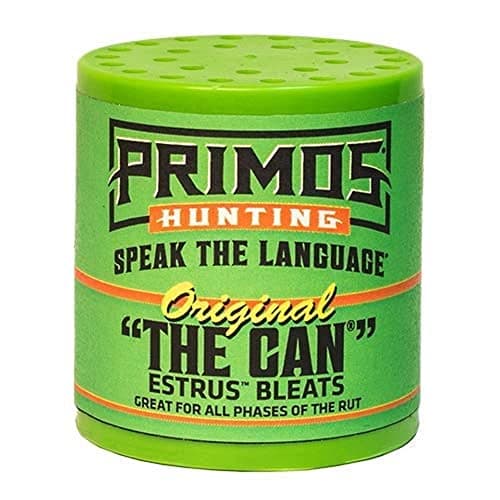
Turn it over, it bleats. No breath, no reed, no technique. It makes the estrus doe sound that works through the pre-rut and rut, and it is the single most forgiving call you can put in a pocket.
Best for: The call a beginner cannot get wrong9.3 - 2
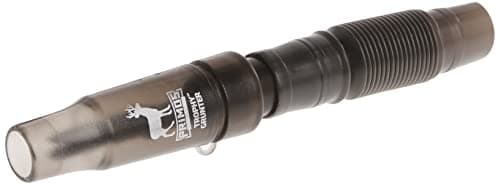
The grunt tube that has been in more pockets than any other, at a price that makes it an easy first purchase. Short, simple, and it makes a convincing buck grunt with almost no practice.
Best for: Best cheap grunt tube9.0 - 3
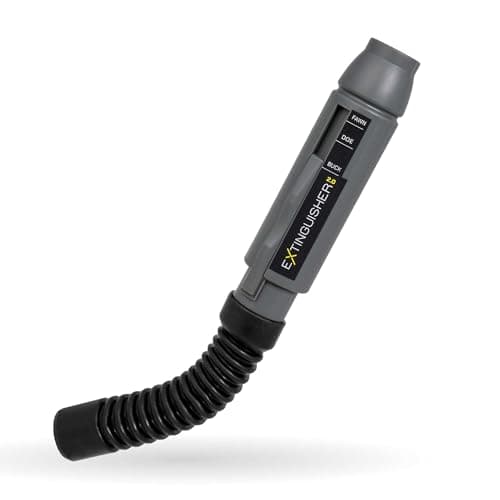
An adjustable tube that covers buck grunts, doe calls and fawn bleats from one unit, and is built to resist freezing. If you want one call that makes several sounds instead of three calls on a lanyard, this is it.
Best for: Best all-in-one grunt tube8.8 - 4
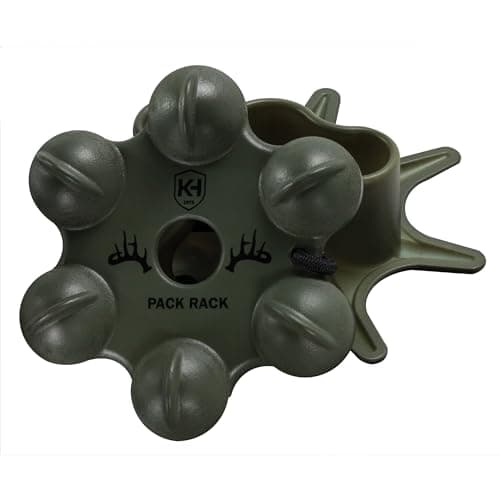
Rattling in a compact, one-handed unit rather than a set of loose antlers. Easier to use quietly from a stand, easier to pack, and far easier to put down fast when a buck appears.
Best for: Best rattling for a beginner8.5 - 5
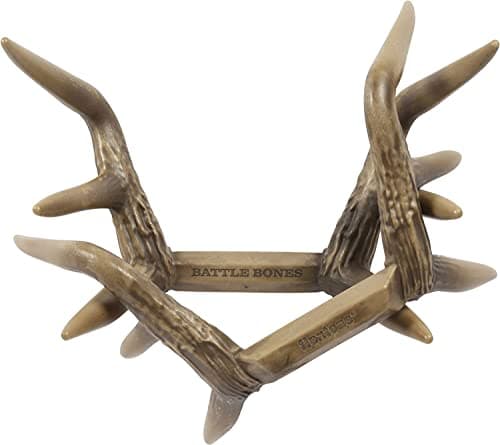
Synthetic antlers that reproduce a real sparring match more completely than any compact unit, including the tine ticks and the grinding. Louder and more realistic, at the cost of needing both hands.
Best for: Best full rattling sound8.3
| # | Product | Best for | Score | Price |
|---|---|---|---|---|
| 1 | Primos The Original CAN Deer Estrus Bleat Call Turn it over, it bleats. No breath, no reed, no technique. It makes the estrus doe sound that works through the pre-rut and rut, and it is the single most forgiving call you can put in a pocket. | The call a beginner cannot get wrong | 9.3 | $12.99View on Amazon#ad |
| 2 | Primos Trophy Grunter Deer Call The grunt tube that has been in more pockets than any other, at a price that makes it an easy first purchase. Short, simple, and it makes a convincing buck grunt with almost no practice. | Best cheap grunt tube | 9.0 | $11.99View on Amazon#ad |
| 3 | Illusion Extinguisher Deer Call An adjustable tube that covers buck grunts, doe calls and fawn bleats from one unit, and is built to resist freezing. If you want one call that makes several sounds instead of three calls on a lanyard, this is it. | Best all-in-one grunt tube | 8.8 | $24.97View on Amazon#ad |
| 4 | Knight & Hale Pack Rack Deer Call Rattling in a compact, one-handed unit rather than a set of loose antlers. Easier to use quietly from a stand, easier to pack, and far easier to put down fast when a buck appears. | Best rattling for a beginner | 8.5 | $17.99View on Amazon#ad |
| 5 | Flextone Battle Bones Rattling Antlers Synthetic antlers that reproduce a real sparring match more completely than any compact unit, including the tine ticks and the grinding. Louder and more realistic, at the cost of needing both hands. | Best full rattling sound | 8.3 | $24.99View on Amazon#ad |
Calling deer works. It also fails more often than any video will admit, and the difference is almost never the call itself — it is timing and volume. A beginner with a twelve dollar bleat can used three times in a morning will kill more deer than a beginner with a lanyard of six calls used every twenty minutes. This page is built around that: what each sound means, and when to keep quiet.
How we picked these
We compared the published sound range, operation type and cold-weather construction of each call against how a first-season hunter uses one: with gloves on, in the dark, from a treestand or a blind, usually one-handed. We weighted “hard to use wrong” above “most realistic”, because a perfect grunt at the wrong moment is worse than no grunt at all. We do not run acoustic testing — our method is on the how we research and pick page, and prices are live and dated.
What each sound actually says
There are only four sounds worth a beginner’s attention, and they are not interchangeable. Using the right one at the wrong point in the season is the most common calling mistake there is.
| Sound | What it tells a deer | When it works |
|---|---|---|
| Doe estrus bleat | A receptive doe is here | Pre-rut and rut - the widest useful window |
| Buck grunt | Another buck is moving through | Pre-rut through post-rut, best when a buck is already close |
| Fawn bleat | A fawn is in distress | Early season, and it pulls does more than bucks |
| Rattling | Two bucks are fighting over something | Pre-rut only - it flops badly outside that window |
When to call, and how often
The honest answer is: less than you want to. A deer that hears a grunt has a location fixed in its head and will come looking. If it arrives and there is no deer where the sound came from, it does not shrug — it becomes wary of that spot. Every extra call you make raises the odds of that outcome.
A workable first-season rhythm: call once when you settle in, then leave it thirty to forty minutes between sequences, and stop entirely once anything is in sight and heading your way. Two or three sequences over a morning sit is plenty. If you are hunting the same stand repeatedly, call less, not more — you are educating the same deer each time.
Wind first, call second
Blind calling versus calling at a deer you can see
Blind calling means making noise into empty woods and hoping something hears it. It works best in thick cover where a deer could be close without you knowing, and it is close to useless in open country where a deer would have to cross a lot of ground in the open to reach you.
Calling at a deer you can see is different and much higher-percentage — and the rule there is one call, then wait. A buck moving away from you at eighty yards will often stop and look at a single soft grunt. If he keeps going, one more slightly louder grunt is fair. After that, put the call away; you are not going to argue him into it, and every additional sound gives him a chance to place exactly where you are. This is also where the timing intersects with shot preparation — if you call and he commits, you want your ranges already known rather than scrambling.
What to skip for now
Skip snort-wheeze calls for a first season. It is an aggressive challenge sound, it works on a narrow set of dominant bucks in a narrow window, and used wrongly it clears the woods. Skip electronic callers entirely — they are illegal for deer in most states, and the regulations that cover this are in your state’s annual digest, which the hunting license basics guide explains how to find. And skip buying a full lanyard: two calls you understand beat six you do not. When you are ready to add sounds, spring turkey is where a second call set genuinely earns its place — see the beginner turkey call roundup.
The picks in detail
Primos The Original CAN Deer Estrus Bleat Call
9.3/10Best for: The call a beginner cannot get wrong
Turn it over, it bleats. No breath, no reed, no technique. It makes the estrus doe sound that works through the pre-rut and rut, and it is the single most forgiving call you can put in a pocket.
- Type
- Gravity bleat can
- Sound
- Estrus doe bleat
- Best season
- Pre-rut and rut
- Skill needed
- None
- Impossible to blow wrong - there is nothing to blow
- Works with gloves on and in the cold
- Cheap enough to keep one in every jacket
- One sound only
- The can can leak if it gets soaked
Primos Trophy Grunter Deer Call
9.0/10Best for: Best cheap grunt tube
The grunt tube that has been in more pockets than any other, at a price that makes it an easy first purchase. Short, simple, and it makes a convincing buck grunt with almost no practice.
- Type
- Grunt tube
- Sound
- Buck grunt
- Best season
- Pre-rut through post-rut
- Skill needed
- Low
- Almost as cheap as the bleat can
- Simple reed that is easy to keep working
- The sound most beginners actually need
- Reed can stick in freezing conditions if it gets wet
- Only produces the one basic grunt range
Illusion Extinguisher Deer Call
8.8/10Best for: Best all-in-one grunt tube
An adjustable tube that covers buck grunts, doe calls and fawn bleats from one unit, and is built to resist freezing. If you want one call that makes several sounds instead of three calls on a lanyard, this is it.
- Type
- Adjustable grunt tube
- Sounds
- Buck, doe, fawn
- Cold weather
- Freeze resistant
- Skill needed
- Low to moderate
- One call covers the range instead of three
- Freeze-resistant design earns its keep in late season
- Adjustable tone means you can dial it down for close deer
- Twice the price of the basic Primos tube
- More sounds means more ways to overdo it
Knight & Hale Pack Rack Deer Call
8.5/10Best for: Best rattling for a beginner
Rattling in a compact, one-handed unit rather than a set of loose antlers. Easier to use quietly from a stand, easier to pack, and far easier to put down fast when a buck appears.
- Type
- Compact rattling call
- Sound
- Sparring and fighting bucks
- Best season
- Pre-rut
- Skill needed
- Low
- One-handed, which matters twenty feet up a tree
- Packs flat where antlers do not
- Quick to stow when a buck commits
- Less volume than real antlers on open ground
- Rattling itself is a narrow-window tactic
Flextone Battle Bones Rattling Antlers
8.3/10Best for: Best full rattling sound
Synthetic antlers that reproduce a real sparring match more completely than any compact unit, including the tine ticks and the grinding. Louder and more realistic, at the cost of needing both hands.
- Type
- Rattling antlers
- Sound
- Full sparring sequence
- Best season
- Pre-rut
- Skill needed
- Moderate
- The most realistic rattling sound on this page
- Carries further in open country and wind
- Synthetic, so no shedding or splitting
- Needs both hands and a plan for putting them down
- Bulky in a pack next to everything else
Prices shown are from Amazon as of Sep 5, 2026 and change often — the button always goes to the current listing. Some links may earn us a commission at no extra cost to you. How this works.
Frequently asked questions
What is the best deer call for a beginner?
A bleat can. You turn it over and it makes an estrus doe bleat - there is no breath control, no reed and nothing to learn with cold hands. It covers the pre-rut and rut, which is the widest useful calling window of the season, and it costs less than a pack of broadheads.
How often should you use a deer call?
Far less than most beginners do. Two or three short sequences across a morning sit is plenty - call once when you settle, then leave thirty to forty minutes between sequences. Stop calling entirely once a deer is in sight and moving toward you.
When should you rattle for deer?
Pre-rut, and essentially only pre-rut. Rattling imitates two bucks fighting over a receptive doe, so it makes sense to a deer in the weeks before peak breeding and makes very little sense outside that window. Outside the pre-rut, a grunt or a bleat is the better choice.
Do deer calls actually work?
Yes, but timing matters more than the call. A deer that hears a call fixes the location and comes looking - which means it will often circle downwind first. If it gets your scent on that approach, the call has actively worked against you. Set up for wind before you make a sound.
Sources
Keep reading
Not sure where to start?
The beginner gear checklist walks you through exactly what a first-season hunter needs — essentials first, nice-to-haves later, with one safe-default pick per category.