Gear · Roundup
The Best Duck Calls for Beginners
Single reed calls sound better in the right hands. Double reed calls sound acceptable in anyone's, which is the whole argument in your first season.
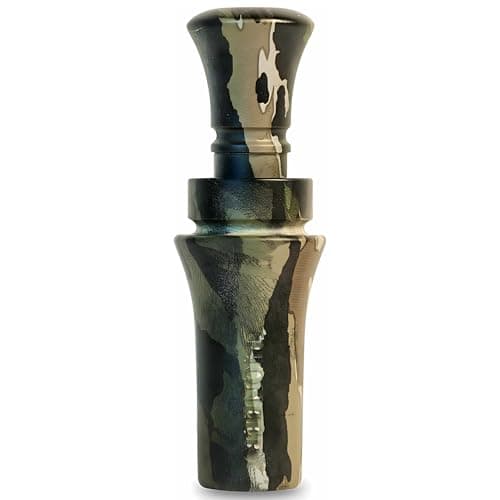
Disclosure: Creek Cover is reader-supported. If you buy through our links we may earn a commission, at no extra cost to you. It never changes which pick we tell a beginner to start with. Full disclosure.
Quick picks at a glance
Tap a pick to read the full write-up, or the price button to check it on Amazon.
- 1
Double reed, short barrel, weatherproof body. It is forgiving enough that a first-timer can blow it in a blind without squealing, and it makes the plain hen mallard sounds that actually work.
Best for: The best beginner duck call9.2 - 2
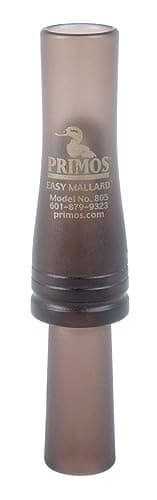
A single reed built and voiced specifically for beginners, at a price that makes it an easy first purchase. It is less forgiving than a double reed but far more forgiving than a competition-cut single.
Best for: Cheapest call worth blowing8.8 - 3
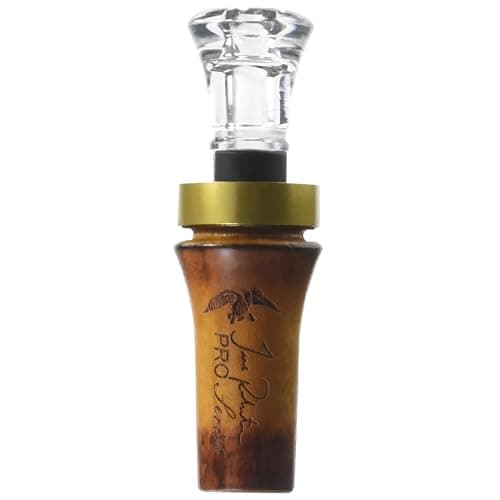
A wood-bodied double reed with a softer, rounder tone than the polycarbonate calls. It rewards better air control, which makes it the one to move to once you can already make a clean five-note greeting.
Best for: Best call to grow into8.6 - 4
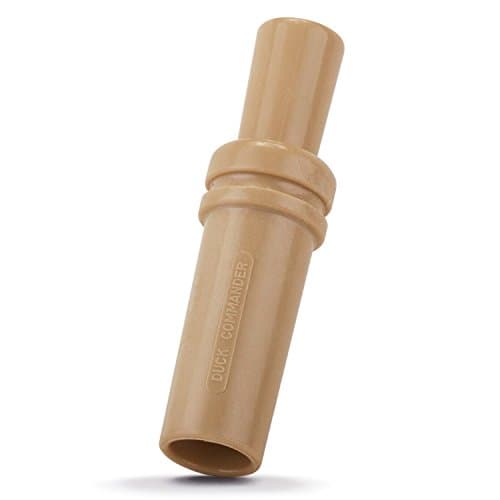
A dedicated wood duck call, which is a completely different sound from a mallard call and one of the easiest to make convincingly. If you hunt flooded timber or small creeks, this is worth more than a second mallard call.
Best for: Best specialty call for timber8.4 - 5
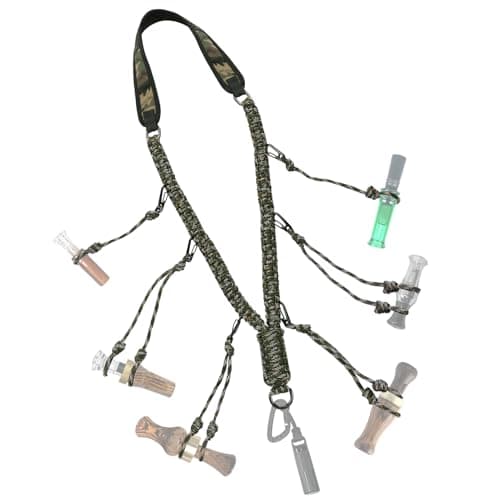
The moment you own two calls you need somewhere to put them that is not a pocket full of shells. Ten removable loops, a woven camo cord, and a price that makes it an afterthought.
Best for: Best way to carry more than one call8.1
| # | Product | Best for | Score | Price |
|---|---|---|---|---|
| 1 | Duck Commander Pioneer Double-Reed Duck Call Double reed, short barrel, weatherproof body. It is forgiving enough that a first-timer can blow it in a blind without squealing, and it makes the plain hen mallard sounds that actually work. | The best beginner duck call | 9.2 | $30.43View on Amazon#ad |
| 2 | Primos 805 Easy Mallard Duck Call A single reed built and voiced specifically for beginners, at a price that makes it an easy first purchase. It is less forgiving than a double reed but far more forgiving than a competition-cut single. | Cheapest call worth blowing | 8.8 | $19.98View on Amazon#ad |
| 3 | Duck Commander Jase Robertson Pro Series Wood Duck Call A wood-bodied double reed with a softer, rounder tone than the polycarbonate calls. It rewards better air control, which makes it the one to move to once you can already make a clean five-note greeting. | Best call to grow into | 8.6 | $53.58View on Amazon#ad |
| 4 | Duck Commander Wood Duck Call A dedicated wood duck call, which is a completely different sound from a mallard call and one of the easiest to make convincingly. If you hunt flooded timber or small creeks, this is worth more than a second mallard call. | Best specialty call for timber | 8.4 | $14.39View on Amazon#ad |
| 5 | PAMASE Duck Call Lanyard with 10 Removable Loops The moment you own two calls you need somewhere to put them that is not a pocket full of shells. Ten removable loops, a woven camo cord, and a price that makes it an afterthought. | Best way to carry more than one call | 8.1 | $12.99View on Amazon#ad |
Duck calling has a reputation for being hard, and the reputation comes almost entirely from one thing: single reed calls squeal when you blow them too hard, and beginners blow them too hard because there are ducks overhead. Fix that one variable and the rest is a short list of sequences you can learn in a driveway. Start with the Duck Commander Pioneer above.
How we picked these
We compared reed configuration, body material, barrel length and published tone against the conditions a first-season waterfowler hunts in: cold, wet, and excited. We weighted forgiving reeds and weatherproof bodies above tonal refinement, because a call that sounds slightly generic beats a call that breaks into a squeal at the wrong moment. We do not run acoustic comparisons — our method is on the how we research and pick page, and prices here are live and dated.
Single reed vs double reed
This is the only equipment decision that matters in your first season, and it comes down to how much air the call tolerates before it breaks.
| Single reed | Double reed | |
|---|---|---|
| Air control needed | High | Low - the second reed damps the first |
| Squeals when over-blown | Readily | Much harder to do |
| Volume ceiling | Higher - reaches across big water | Moderate |
| Sound range | Wider once you can play it | Narrower, but the useful part |
| Right for a first season | Only a beginner-voiced one | Yes |
The competition callers you have heard on video are all blowing single reeds, and they are genuinely better instruments. They are also the reason a lot of people give up. Buy a double reed, kill ducks with it, and move to a single reed the year you find yourself wanting more range than the call can give you.
The two sequences worth learning
The greeting call— five to seven descending quacks, evenly spaced, aimed at ducks that are far off and have not seen your spread. It is the “over here” call and it is what turns a flight that was passing into a flight that is looking.
The feed chuckle— a rolling, stuttering series made by saying “tikka-tikka-tikka” into the call, used softly when birds are already working your decoys. It is reassurance, not invitation, and it should be quiet enough that you can hear wingbeats over it.
That covers it. The comeback call, the hail call and the lonesome hen all belong to hunters who can already do these two in their sleep. The most useful thing you can do with the rest of your practice time is not learn a third sequence — it is learn to stop.
Ducks working your spread means stop calling
When a whistle beats a mallard call
Not every duck is a mallard, and a mallard hen quack means nothing to a teal, a wigeon or a pintail. A simple six-in-one duck whistle covers those species with almost no learning curve — you blow it, and it sounds right. If you hunt water where the bag is mixed, a whistle earns its place faster than a second mallard call does. The same logic applies to the wood duck call above if you hunt flooded timber.
This is also why the lanyard is on this page. Once you own a mallard call and one specialty call, having both hanging on your chest and out of the water is the difference between using the right one and using whichever one you can find. Keep both dry — a soaked reed is a call that will not sound until you strip and dry it, which is not a job for numb hands in a pair of waders at first light.
What to skip for now
Skip acrylic competition calls. They are excellent instruments, they cost several times what the calls here cost, and they are single reed and unforgiving in exactly the way a beginner cannot afford. Skip goose calls until you are actually hunting geese — the technique is different enough that practicing both at once slows you down on both. And skip the instinct to buy a call because a video made it sound easy: the video is a person who has blown that call for twenty years. Layer the rest of the kit properly first, because being cold in a marsh ends more duck hunts than bad calling does — see base layers and rain gear.
The picks in detail
Duck Commander Pioneer Double-Reed Duck Call
9.2/10Best for: The best beginner duck call
Double reed, short barrel, weatherproof body. It is forgiving enough that a first-timer can blow it in a blind without squealing, and it makes the plain hen mallard sounds that actually work.
- Reed
- Double
- Body
- Polycarbonate
- Barrel
- Short
- Best for
- Timber, flooded fields, small water
- Double reed forgives a heavy, nervous first breath
- Weatherproof body ignores cold and spray
- Short barrel gives quick, controllable notes
- Less volume than a single reed on big open water
- Costs more than the entry-level Primos
Primos 805 Easy Mallard Duck Call
8.8/10Best for: Cheapest call worth blowing
A single reed built and voiced specifically for beginners, at a price that makes it an easy first purchase. It is less forgiving than a double reed but far more forgiving than a competition-cut single.
- Reed
- Single, beginner-voiced
- Body
- Polymer
- Volume
- Moderate to high
- Best for
- Learning cheaply
- The lowest price here for a call that genuinely works
- Single reed teaches you air control from the start
- Loud enough for open water
- Will squeal if you get excited
- Needs more practice before it sounds like a duck
Duck Commander Jase Robertson Pro Series Wood Duck Call
8.6/10Best for: Best call to grow into
A wood-bodied double reed with a softer, rounder tone than the polycarbonate calls. It rewards better air control, which makes it the one to move to once you can already make a clean five-note greeting.
- Reed
- Double
- Body
- Wood
- Tone
- Soft, rounded
- Best for
- Close-in timber work
- Warmer, more natural tone than polymer bodies
- Still double reed, so still forgiving
- Genuinely nice to own and to blow
- Wood needs drying and care after a wet hunt
- Roughly triple the price of the Primos
Duck Commander Wood Duck Call
8.4/10Best for: Best specialty call for timber
A dedicated wood duck call, which is a completely different sound from a mallard call and one of the easiest to make convincingly. If you hunt flooded timber or small creeks, this is worth more than a second mallard call.
- Species
- Wood duck
- Reed
- Single
- Sound
- Squeal and whistle
- Best for
- Timber, creeks, beaver ponds
- Wood duck sounds are easy to reproduce convincingly
- Fills a gap a mallard call cannot cover
- Cheap enough to add without thinking about it
- Useless outside wood duck habitat
- Narrow window - a specialty call, not a first call
PAMASE Duck Call Lanyard with 10 Removable Loops
8.1/10Best for: Best way to carry more than one call
The moment you own two calls you need somewhere to put them that is not a pocket full of shells. Ten removable loops, a woven camo cord, and a price that makes it an afterthought.
- Type
- Call lanyard
- Loops
- 10, removable
- Material
- Woven cord
- Best for
- Keeping calls dry and reachable
- Keeps calls out of the water and off the blind floor
- Removable loops let you carry only what you use
- Cheap enough that there is no reason not to
- Not a call - it makes no sound on its own
- A loaded lanyard tempts you to over-call
Prices shown are from Amazon as of Sep 5, 2026 and change often — the button always goes to the current listing. Some links may earn us a commission at no extra cost to you. How this works.
Frequently asked questions
What is the best duck call for a beginner?
A double reed mallard call with a short barrel. The second reed damps the first, so the call takes far more air before it squeals - which is the failure that ruins most first-season calling. Single reed calls sound better in trained hands and break more easily in new ones.
Single reed or double reed duck call?
Double reed for a first season. It is much harder to over-blow, which matters when there are birds overhead and your breathing is not steady. Single reeds have a higher volume ceiling and a wider sound range, and they are worth moving to once the basic sequences are automatic.
What duck calls should a beginner learn?
Two. The greeting call - five to seven evenly spaced descending quacks - to turn distant birds toward your spread. And the feed chuckle, a soft rolling stutter, used quietly once birds are already working the decoys. Everything else can wait until those two are automatic.
Should you keep calling when ducks are working?
No. Once birds cup their wings and commit, stop. A committed duck is looking for the hen it heard, and more calling tells it that hen should already be visible. Beginners lose far more birds to calling at working ducks than to any tonal problem with their call.
Sources
Keep reading
Not sure where to start?
The beginner gear checklist walks you through exactly what a first-season hunter needs — essentials first, nice-to-haves later, with one safe-default pick per category.