Guides · Getting started
Public Land Hunting for Beginners
You do not need to know a landowner to hunt. In most of the country you need a license, a map, and the willingness to walk past the first ridge.
Disclosure: Creek Cover is reader-supported. If you buy through our links we may earn a commission, at no extra cost to you. It never changes which pick we tell a beginner to start with. Full disclosure.
Quick picks at a glance
Tap a pick to read the full write-up, or the price button to check it on Amazon.
- 1
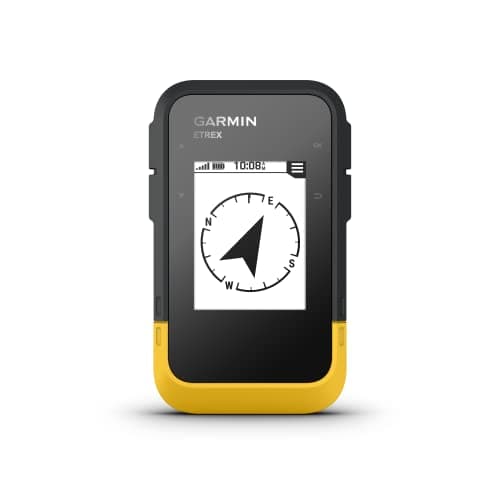
Weeks of battery life on AA cells, works with no cell signal, and rugged enough to live in a pack pocket. The honest upgrade over a phone once you are hunting ground with no service.
Best for: Best dedicated navigation for public ground9.0 - 2
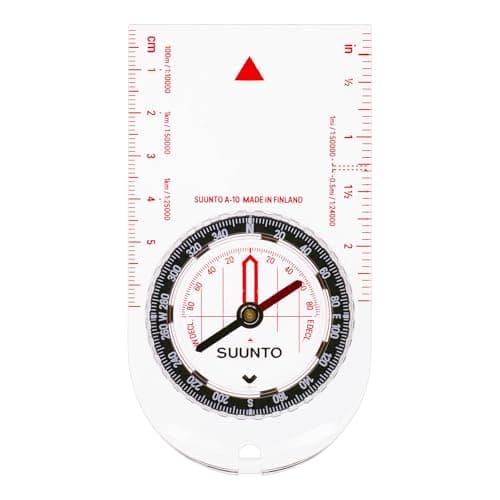
No battery, no signal, no software update. A simple liquid-filled baseplate compass that works in any weather and weighs less than a granola bar.
Best for: The backup that never fails9.2 - 3
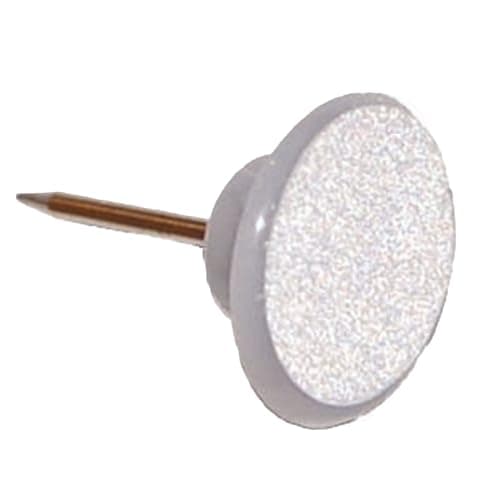
Reflective tacks pressed into trees along your route light up under a headlamp and vanish in daylight. Four dollars for the fifty that get you to your spot at five in the morning without a light show.
Best for: Finding your stand in the dark8.7
| # | Product | Best for | Score | Price |
|---|---|---|---|---|
| 1 | Garmin eTrex SE Handheld GPS Weeks of battery life on AA cells, works with no cell signal, and rugged enough to live in a pack pocket. The honest upgrade over a phone once you are hunting ground with no service. | Best dedicated navigation for public ground | 9.0 | $129.99View on Amazon#ad |
| 2 | SUUNTO A-10 Baseplate Compass No battery, no signal, no software update. A simple liquid-filled baseplate compass that works in any weather and weighs less than a granola bar. | The backup that never fails | 9.2 | $24.00View on Amazon#ad |
| 3 | HME Reflective Trail Marking Tacks, 50-Pack Reflective tacks pressed into trees along your route light up under a headlamp and vanish in daylight. Four dollars for the fifty that get you to your spot at five in the morning without a light show. | Finding your stand in the dark | 8.7 | $3.99View on Amazon#ad |
The most common reason people give for not hunting is that they do not have anywhere to hunt. In most of the United States that is not true — there are hundreds of millions of acres of national forest, Bureau of Land Management ground, state wildlife management areas, state forests and county land that any license holder can walk onto. The barrier is not access. It is knowing how to find it, how to read the rules, and how to get away from everyone else who had the same idea.
Finding land you can legally hunt
Start with your state wildlife agency website. Every state publishes a map or a searchable list of the public hunting land it manages — usually called wildlife management areas, game lands, or state forests depending on where you live. That list is authoritative, it is free, and it is the correct first stop. Many states also run a walk-in access program that opens private ground to public hunting, which is often far less pressured than the well-known WMAs.
Federal ground is the other large category — national forests and BLM land are generally open to hunting under state regulations unless specifically closed. National wildlife refuges often allow hunting but with their own additional rules and sometimes a permit draw. National parks generally do not.
A mapping app with parcel data is the tool that makes this practical. The paid hunting map apps overlay property boundaries on satellite imagery and let you download maps for offline use, which is the feature that matters when you are out of cell range. It is the one recurring subscription genuinely worth its cost for a public land hunter, and it will do more for your first season than any piece of gear on this page.
The rules differ unit by unit
This is the part that catches beginners, and the mistake is honest: people read their state regulations, assume they now know the rules, and walk into a specific area with additional restrictions they never saw. Public land regulations stack — the state rules apply, and then the individual unit adds its own on top.
| Thing to check | Where it is published | Why it catches people |
|---|---|---|
| Season dates for that unit | State regulations plus unit-specific notices | Some units close earlier or run a different season than the state at large |
| Weapon restrictions | Unit regulations | Archery-only and shotgun-only units are common near towns |
| Stand and blind rules | Unit regulations | Many units ban screw-in steps, permanent stands, or overnight stands |
| Access hours and parking | Unit signage and website | Some units close vehicle access at night; parking off designated lots is ticketed |
| Special permits or check-in | State agency site | A few units need a free daily permit or a sign-in box at the gate |
| Blaze orange requirement | State regulations | Requirements vary by season and by weapon type |
Read the unit page, print or screenshot it, and check the date on it. Regulations change annually and last year’s PDF is one of the more common ways a well-meaning hunter ends up with a citation. The general licensing picture is covered in hunting license basics.
Escaping the pressure
Public land is not empty and pretending otherwise is how beginners get discouraged. But the distribution of other hunters is extremely predictable, and that predictability is your advantage.
Most hunters do not walk past a mile. The parking area and the first half-mile of the main trail carry the overwhelming majority of the pressure. Walking an extra thirty minutes past where the boot prints thin out puts you in genuinely different country.
Most hunters follow trails. Deer learn this fast, and by the second week of the season they are bedding in the awkward places nobody walks — thick regrowth, steep benches, the swampy corner, the strip between two trails. Look at satellite imagery for the ugly ground rather than the pretty ground.
Most hunters hunt the first weekend and the last. Mid-week, mid-season, in bad weather, is when public ground gets quiet. If your schedule allows a Tuesday in the rain, take it — and take rain gear that lets you enjoy it.
Scout in the off-season, when nobody cares
Getting in and getting back out
Public ground is often bigger and less familiar than the farm your friend hunts, and you will be walking in before daylight and out after dark. Build the habit now: mark your vehiclethe moment you park, in your app and in your head. Note the compass bearing back to the road, because if everything electronic fails, “the road is east of me” is enough to get out.
Carry a real headlamp with fresh batteries and a red mode, and use the red mode on the walk in — it preserves your night vision and does not sweep white light across the woods you are about to hunt. Reflective tacks along your route, where the unit permits marking, let you walk in on a low light without stopping to check your phone every fifty yards.
And tell someone where you are going. Not a vague description — the unit name, the parking area, and roughly when you expect to be back. It costs one text message and it is the single thing that changes a bad afternoon into a survivable one.
Public land etiquette and safety
A short list, and all of it matters. If someone is parked there, hunt somewhere else — a vehicle at the access point means someone is already in those woods, and crowding them is both rude and unsafe. Never assume a stand or blind is abandoned; on most public ground portable stands must come out daily, but people leave them and they are not yours. Wear blaze orange even when it is not required during any firearm season — you are sharing the woods with people who cannot see you and do not know you are there. The blaze orange roundup covers what satisfies most state requirements.
Pack out everything, including other people’s rubbish. Public land access is politically fragile and litter is the argument used against it. Identify your target completely before the safety comes off. And know that dragging a deer out of public ground alone is genuinely hard work — plan the recovery before you take the shot, and carry game bags so you can quarter and pack rather than drag if the distance makes that the better option. What to do after the shot is in how to field dress a deer, and the broader first-season plan is in deer hunting for beginners.
The picks in detail
Garmin eTrex SE Handheld GPS
9.0/10Best for: Best dedicated navigation for public ground
Weeks of battery life on AA cells, works with no cell signal, and rugged enough to live in a pack pocket. The honest upgrade over a phone once you are hunting ground with no service.
- Type
- Handheld GPS
- Power
- AA batteries, long life
- Signal
- No cell service required
- Best for
- Remote units, multi-day hunts
- Battery life measured in weeks, not hours
- Works entirely without cell coverage
- Marks your truck, your stand and your blood trail reliably
- Costs more than a year of a mapping app subscription
- Basemaps are less detailed than a hunting app's parcel data
SUUNTO A-10 Baseplate Compass
9.2/10Best for: The backup that never fails
No battery, no signal, no software update. A simple liquid-filled baseplate compass that works in any weather and weighs less than a granola bar.
- Type
- Baseplate compass
- Power
- None
- Weight
- Negligible
- Best for
- Getting out when electronics die
- Cannot run out of battery or lose signal
- Cheap enough to have one in every pack
- Works with any paper map
- Tells you direction, not location
- Requires you to have thought about your bearings beforehand
HME Reflective Trail Marking Tacks, 50-Pack
8.7/10Best for: Finding your stand in the dark
Reflective tacks pressed into trees along your route light up under a headlamp and vanish in daylight. Four dollars for the fifty that get you to your spot at five in the morning without a light show.
- Pack
- 50 tacks
- Visibility
- Reflective under headlamp only
- Color
- White
- Best for
- Marking a pre-dawn route
- Lets you walk in with a low, red light instead of sweeping the woods
- Almost invisible in daylight, so they do not advertise your spot
- Trivially cheap
- Many public units prohibit marking trees - check the rules first
- You must go back and remove them
Prices shown are from Amazon as of Sep 5, 2026 and change often — the button always goes to the current listing. Some links may earn us a commission at no extra cost to you. How this works.
Frequently asked questions
How do you find public land to hunt?
Start with your state wildlife agency website, which publishes an authoritative map or list of the wildlife management areas, game lands and state forests it manages. Add federal national forest and BLM ground, which is generally open under state regulations. A mapping app with property parcel data and offline downloads makes all of it practical to use in the field.
Do you need permission to hunt public land?
Generally no - a valid state hunting license and the correct tags are enough on most public hunting ground. Some individual units require a free daily permit, a sign-in at the gate, or a draw for limited access. Check the specific unit's page, because rules stack: state regulations apply and the unit adds its own on top.
How far should you walk in on public land?
Past the first mile, if you can. The parking area and the first half-mile of main trail carry the overwhelming majority of hunting pressure, and an extra thirty minutes of walking usually puts you in genuinely different country. Deer learn the trail network fast and bed in the awkward ground nobody walks.
Is public land hunting worth it for beginners?
Yes, and for most people it is the only realistic way to start. It is harder than hunting a managed private property, but it removes the biggest barrier - not knowing a landowner - and the skills it forces you to develop, particularly scouting and reading terrain, are the skills that make you a hunter rather than a stand sitter.
Can you leave a treestand on public land?
Usually not overnight. Most public units require portable stands to be removed daily, and many prohibit screw-in steps and any permanent installation entirely. The rules are unit-specific rather than statewide, so check the individual area's regulations before you hang anything.
Sources
Keep reading
Not sure where to start?
The beginner gear checklist walks you through exactly what a first-season hunter needs — essentials first, nice-to-haves later, with one safe-default pick per category.