Guides · Quarry
Rabbit Hunting for Beginners
The hunt that starts when deer season ends, works best with friends, and asks nothing of you except a willingness to walk into the thickest cover you can find.
Disclosure: Creek Cover is reader-supported. If you buy through our links we may earn a commission, at no extra cost to you. It never changes which pick we tell a beginner to start with. Full disclosure.
Quick picks at a glance
Tap a pick to read the full write-up, or the price button to check it on Amazon.
- 1
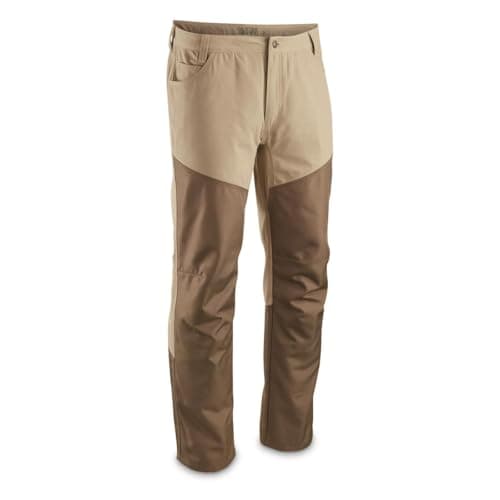
Faced brush pants at a sane price. They let you walk through briars rather than around them, which is the difference between hunting rabbits and looking for them.
Best for: The purchase that makes the hunt possible9.0 - 2
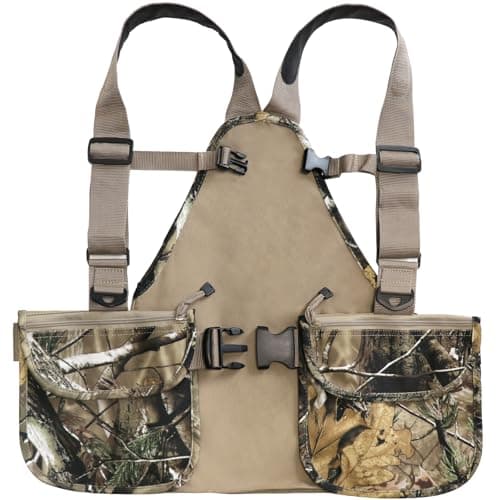
A vest-and-pack hybrid with a rear game pouch, which is exactly what a walking hunt needs: ammunition reachable, water carried, and somewhere to put a rabbit that is not your coat pocket.
Best for: Carrying shells and game8.7 - 3
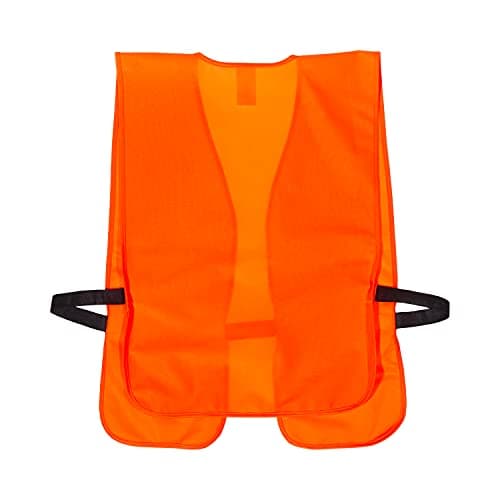
Rabbit hunting is usually done as a group, moving through cover, with everyone carrying a shotgun and looking down. Blaze orange stops being a legal formality and starts being the thing that keeps the day safe.
Best for: The safety layer this hunt genuinely needs9.1
| # | Product | Best for | Score | Price |
|---|---|---|---|---|
| 1 | Guide Gear Men's Upland Brush Hunting Pants Faced brush pants at a sane price. They let you walk through briars rather than around them, which is the difference between hunting rabbits and looking for them. | The purchase that makes the hunt possible | 9.0 | $59.99View on Amazon#ad |
| 2 | HUNTPAL Upland Hunting Vest with Game Pouch A vest-and-pack hybrid with a rear game pouch, which is exactly what a walking hunt needs: ammunition reachable, water carried, and somewhere to put a rabbit that is not your coat pocket. | Carrying shells and game | 8.7 | $42.99View on Amazon#ad |
| 3 | Allen Company Blaze Orange Hunting Vest Rabbit hunting is usually done as a group, moving through cover, with everyone carrying a shotgun and looking down. Blaze orange stops being a legal formality and starts being the thing that keeps the day safe. | The safety layer this hunt genuinely needs | 9.1 | $4.97View on Amazon#ad |
Rabbit season is the reason the hunting year does not end in December. In most states it runs well into winter, often past the close of deer season, and it is a completely different kind of day — social, active, and short on sitting. If you tried a deer stand and found the stillness hard, this is the hunt to try next.
Why rabbit is a great beginner hunt
Three reasons. It is a walking hunt, so you are not learning to sit still for four hours before you have learned anything else. It is social — rabbit hunting works better with two or three people than alone, which makes it the easiest hunt to bring a friend into. And it happens after deer season, when the woods are empty, the licenses are cheap, and nobody is competing with you for ground.
It also teaches things a stand hunter never learns: reading cover, working ground systematically, safe muzzle discipline while moving with other people, and shooting at something that is going somewhere. If squirrel hunting teaches you patience — see squirrel hunting for beginners — rabbit teaches you movement.
Where rabbits actually are
Rabbits live where they can hide from a hawk in under two seconds. That is the whole principle, and it means the ground you want is the ground that looks least appealing to walk into.
| Cover type | Why rabbits use it | How to hunt it |
|---|---|---|
| Brier and bramble thickets | Dense enough that nothing can follow them in | Push it directly - this is the core of the hunt |
| Brush piles and slash | Instant escape cover in the open | Have someone stand off before you kick it |
| Overgrown fence lines and ditches | Travel corridors between feeding and cover | Walk them slowly, one person each side |
| Honeysuckle and multiflora rose | Winter food plus impenetrable cover | The single best cover type there is |
| Field edges at first light | Feeding areas next to escape cover | Early and late only - they retreat by mid-morning |
Notice how much of that is unpleasant to walk through. That is not incidental — it is why brush pants are the first purchase rather than an accessory. A hunter who is getting scratched stops pushing cover within an hour, and the rabbits are exclusively in the cover.
How to hunt them, with or without a dog
With a beagle, the hunt is straightforward and it is why beagles exist. The dog finds a rabbit and pushes it, the rabbit runs a wide circle rather than leaving its home range, and the hunters stand still and wait for it to come back around. You do not chase; you position yourself on the likely return route and let the dog do the work. If you know someone with beagles, ask to go — it is the classic version of this hunt and one of the most enjoyable days in hunting.
Without a dog, you become the dog, and the method is deliberate rather than fast. Walk into thick cover in a line with your partners, then stop for ten to fifteen seconds every few steps. That pause is the entire technique. A rabbit that has frozen as you approach loses its nerve when you stop moving, because it assumes it has been seen — and it flushes. Steady walking pushes rabbits ahead of you unseen; stop-start walking makes them break.
Safety is different on a moving hunt
Gun, choke and load
Shots are close, fast and often partly obscured, so this is an open-choke hunt. Improved cylinder or skeet, and nothing tighter — a full choke on a rabbit at fifteen yards throws a pattern the size of a fist. See the choke guide for what each constriction actually does.
A 20 gauge is arguably the ideal rabbit gun — light to carry all day, quick to swing, and entirely sufficient at these ranges. A 12 gauge works perfectly well with light field loads; the comparison is in 12 gauge vs 20 gauge. Number 6 shot is the common choice, with 7 1/2 fine in very close cover.
A .22 rifle is legal in many places for sitting rabbits and is a poor tool for running ones. If you are hunting with a rifle, wait for the animal to stop — and be far more careful about your backstop than you would be shooting up into a tree at a squirrel, because a rifle shot at a ground-level target travels a long way at chest height.
The one health precaution that matters
Rabbits can carry tularemia, a bacterial infection transmissible to humans, most often through handling an infected animal with bare hands or through eating undercooked meat. It is uncommon, it is treatable with antibiotics, and it is worth taking seriously rather than worrying about.
Three straightforward precautions cover it. Wear disposable gloves when cleaning rabbits — the same practice as field dressing anything else. Cook the meat thoroughly, which is what you want anyway because rabbit is lean and suits a slow braise. And do not take an animal that behaved abnormally — a rabbit that was sluggish, unusually easy to approach, or that has visibly spotted internal organs when you open it should be left alone. The traditional advice to hunt rabbits only after a hard frost comes from the same concern, and while the frost itself does nothing to the bacteria, the winter season does coincide with lower risk.
Handle the meat as you would any wild game: cool it promptly, keep it clean, and get it in a cooler if the walk out is long. The licensing and season rules for small game differ from big game and are usually more generous — check yours in hunting license basics before the first trip.
The picks in detail
Guide Gear Men's Upland Brush Hunting Pants
9.0/10Best for: The purchase that makes the hunt possible
Faced brush pants at a sane price. They let you walk through briars rather than around them, which is the difference between hunting rabbits and looking for them.
- Type
- Faced brush pants
- Protection
- Briar-resistant front facing
- Best for
- Thick cover, brambles, honeysuckle
- Also works for
- Upland birds, grouse
- Lets you push the cover rabbits actually live in
- Far cheaper than the premium briar pants
- Doubles for upland bird hunting
- Heavy and warm for early-season walking
- The facing is stiff until it breaks in
HUNTPAL Upland Hunting Vest with Game Pouch
8.7/10Best for: Carrying shells and game
A vest-and-pack hybrid with a rear game pouch, which is exactly what a walking hunt needs: ammunition reachable, water carried, and somewhere to put a rabbit that is not your coat pocket.
- Type
- Upland vest with pack
- Game pouch
- Rear
- Storage
- Shell loops and pockets
- Best for
- All-day walking hunts
- Carries water and lunch as well as shells
- Game pouch keeps rabbits off your clothing
- Adjusts to fit over winter layers
- More vest than a short evening hunt needs
- Straps can catch on brush
Allen Company Blaze Orange Hunting Vest
9.1/10Best for: The safety layer this hunt genuinely needs
Rabbit hunting is usually done as a group, moving through cover, with everyone carrying a shotgun and looking down. Blaze orange stops being a legal formality and starts being the thing that keeps the day safe.
- Type
- Blaze orange vest
- Fit
- Over outerwear
- Packs
- Flat
- Best for
- Group hunts, driven cover
- Essential when three people are pushing the same thicket
- Satisfies most state blaze orange requirements
- Cheap enough to keep spares for guests
- Snags on briars over a brush jacket
- Square-inch requirements vary by state
Prices shown are from Amazon as of Sep 5, 2026 and change often — the button always goes to the current listing. Some links may earn us a commission at no extra cost to you. How this works.
Frequently asked questions
Do you need a dog to hunt rabbits?
No, though a beagle makes it easier and is the classic way to do it. Without a dog, walk into thick cover in a line with your partners and stop for ten to fifteen seconds every few steps. That pause is the technique - a frozen rabbit loses its nerve when you stop moving and flushes, whereas steady walking pushes rabbits ahead of you unseen.
What is the best gun for rabbit hunting?
A 20 gauge shotgun with an improved cylinder or skeet choke and number 6 shot. Shots are close, fast and often partly obscured, so an open choke matters far more than power. A 12 gauge with light field loads works just as well if that is what you own.
Where do you find rabbits to hunt?
In the thickest, least appealing cover on the property - brier thickets, brush piles, overgrown fence lines, and honeysuckle or multiflora rose tangles. Rabbits need cover they can vanish into within two seconds, so the ground that looks hardest to walk through is where they are.
Is rabbit meat safe to eat?
Yes, with sensible precautions. Rabbits can carry tularemia, which is uncommon and treatable but transmissible through handling an infected animal or eating undercooked meat. Wear disposable gloves when cleaning, cook the meat thoroughly, and leave any animal that behaved abnormally or looks wrong internally.
When is the best time to hunt rabbits?
Winter, often after deer season closes, which is when most states run the bulk of the season. Rabbits feed at field edges at first and last light and retreat into heavy cover by mid-morning, so early and late are best for edge hunting while the middle of the day is for pushing thick cover.
Sources
Keep reading
Not sure where to start?
The beginner gear checklist walks you through exactly what a first-season hunter needs — essentials first, nice-to-haves later, with one safe-default pick per category.