Guides · Quarry
Squirrel Hunting for Beginners
Long seasons, generous limits, cheap licenses and no need for a treestand. If you want to learn to hunt rather than learn to sit, start here.
Disclosure: Creek Cover is reader-supported. If you buy through our links we may earn a commission, at no extra cost to you. It never changes which pick we tell a beginner to start with. Full disclosure.
Quick picks at a glance
Tap a pick to read the full write-up, or the price button to check it on Amazon.
- 1
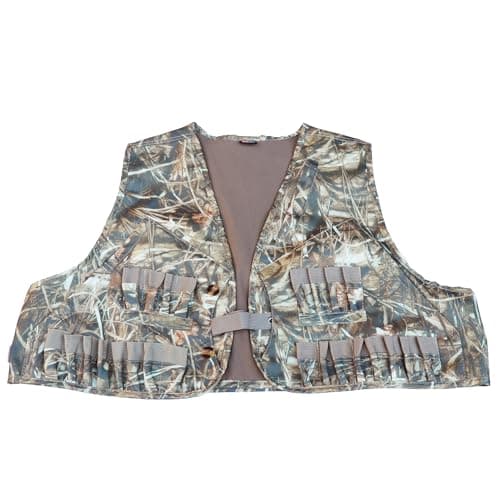
Shell loops, pockets and a washable rear game pouch. It solves the two practical problems of a small game hunt: where the ammunition lives and where the game goes.
Best for: The one piece of squirrel-specific kit8.9 - 2
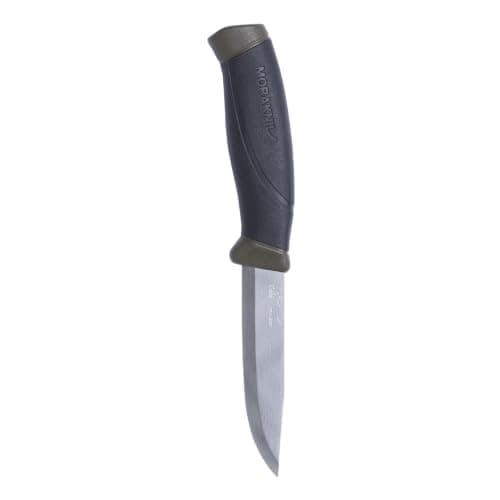
A thin, genuinely sharp Scandinavian blade for about the price of two boxes of .22 ammunition. Small game does not need a big knife, and this one is easier to control on a squirrel than any hunting knife.
Best for: Best knife for small game9.0 - 3
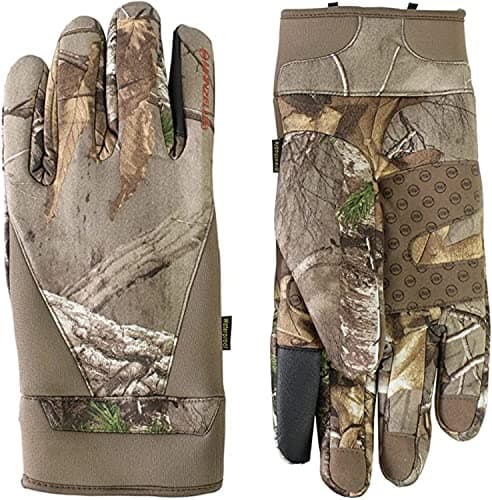
Squirrel season starts warm and runs into genuine cold, and the whole hunt is about staying still. A thin stretch glove keeps your hands functional without costing you trigger feel.
Best for: Thin gloves you can still shoot in8.6
| # | Product | Best for | Score | Price |
|---|---|---|---|---|
| 1 | UnderAlert Upland Hunting Vest with Game Pouch Shell loops, pockets and a washable rear game pouch. It solves the two practical problems of a small game hunt: where the ammunition lives and where the game goes. | The one piece of squirrel-specific kit | 8.9 | $35.99View on Amazon#ad |
| 2 | Morakniv Companion Fixed Blade Knife A thin, genuinely sharp Scandinavian blade for about the price of two boxes of .22 ammunition. Small game does not need a big knife, and this one is easier to control on a squirrel than any hunting knife. | Best knife for small game | 9.0 | $19.99View on Amazon#ad |
| 3 | Manzella Stretch Coyote Hunting Glove Squirrel season starts warm and runs into genuine cold, and the whole hunt is about staying still. A thin stretch glove keeps your hands functional without costing you trigger feel. | Thin gloves you can still shoot in | 8.6 | $50.00View on Amazon#ad |
If you want to become a hunter rather than someone who owns hunting equipment, squirrel is where to start. The season is long — often four months or more — the limits are generous, the license is cheap, and you can be successful on public ground within walking distance of a town. Most importantly, you will actually see game, which is not something a beginner sitting in a deer stand can count on.
Why squirrel is the best first hunt
Everything that makes deer hunting difficult for a beginner is absent here. There is no treestand to hang, no harness to learn, no scent regime, no four-hour sit before anything happens. You walk into a hardwood stand, sit down against a tree, and wait fifteen minutes.
And the skills transfer completely. Sitting still, moving slowly, using cover, reading which trees are producing food, judging a safe shot, and cleaning an animal are all the same skills the deer woods demand — you are just practicing them on a quarry that gives you twenty chances a season instead of two. That is the argument the easiest animals to hunt guide makes at length, and squirrel is at the top of it.
What to hunt them with
| Option | Best range | Why choose it | Watch out for |
|---|---|---|---|
| .22 rimfire rifle | Under 50 yd | Cheap, quiet, precise - and it teaches marksmanship | You must have a safe backstop; a .22 carries a long way |
| 20 gauge shotgun | Under 30 yd | Forgiving on a moving squirrel in the canopy | Shot in the meat, and more expensive per trigger pull |
| 12 gauge shotgun | Under 35 yd | Whatever you already own works fine | Overkill; use light loads and an open choke |
| Air rifle | Under 30 yd | Very quiet, cheap to shoot, legal in some states | Legality varies - check your regulations first |
The classic answer is a .22 rifle, and it is classic because it is right: it makes you aim, it costs almost nothing to shoot, and it leaves no shot in the meat. The caveat is real, though — a .22 bullet travels well over a mile and you are shooting upward into trees. You must know what is beyond your target, which in practice means hunting where you have distance and taking shots against a solid trunk rather than open sky.
A shotgun with an open choke and light loads is the forgiving option, and if you already own a shotgun for something else, use it. Either way, wear eye protection — you are shooting up, and bark and debris come down.
Finding squirrels
Find the food and you have found the squirrels. In most of the country that means mature hardwoods — oak, hickory, beech, walnut — and specifically the trees that are producing this year. Squirrel populations are not evenly spread across a woodlot; they are concentrated wherever the mast crop is good, and that changes year to year.
The signs are easy once you know them. Cuttings — chewed nut shells and husk fragments scattered under a tree or on a log — mean squirrels are feeding there now. Leaf nests high in the branches mean they live there. Fresh claw scratches in the bark of a smooth-barked tree show the routes they use. Walk a woodlot in the morning looking down for cuttings, and you will find the productive acres in half an hour.
First and last light, and the weather matters
The method: sit, listen, then look
Almost every beginner hunts squirrels by walking, and almost every beginner does poorly. A squirrel sees you long before you see it, goes around the far side of the trunk, and waits. You walk past a dozen squirrels and see none.
The method that works is boring and effective. Walk to a spot where you can see several producing trees, sit down with your back against a trunk, and be still for twenty to thirty minutes. The woods went quiet when you arrived; give it time to forget about you. Then listen before you look — you will hear the sound of cutting, a light rain of husk fragments falling through leaves, or claws on bark, and the sound will tell you which tree to search.
When you have located one, move only when it cannot see you — when it is behind the trunk, when the wind is moving branches, or when it is head-down feeding. Take the shot from a supported position if you can; a tree trunk is a perfectly good rest. And after a shot, stay put. Everything nearby froze; in fifteen minutes it resumes, and you can often take two or three animals from one sitting spot.
Cleaning and eating
Squirrels are easy to clean and worth eating — dark, mild meat that has been a staple of American cooking for centuries. Do them the same day, ideally within a few hours, and carry them in the vest pouch rather than in a plastic bag where they will sweat.
The standard method: cut through the skin across the base of the tail, stand on the tail, and pull the back legs up — the hide comes off in two pieces. Then remove the feet and head, open the abdomen and remove the entrails, and rinse. A thin knife like the Morakniv is far easier to control on an animal this size than a heavy hunting knife. It takes a couple of minutes each once you have done a few.
Two practical notes. Wear gloves — the same hygiene reasoning as field dressing a deer applies to small game, and disposable gloves cost pennies. And cook them slowly: older squirrels are tough and want braising or a slow stew rather than a hot pan. The traditional answer is squirrel and dumplings, and it earned its place honestly.
Once you are comfortable here, rabbit is the natural next step — different method, similar gun, and covered in rabbit hunting for beginners. And the licensing, tagging and season rules for small game are in hunting license basics; check them, because small game seasons and limits differ from big game and are often more generous than beginners expect.
The picks in detail
UnderAlert Upland Hunting Vest with Game Pouch
8.9/10Best for: The one piece of squirrel-specific kit
Shell loops, pockets and a washable rear game pouch. It solves the two practical problems of a small game hunt: where the ammunition lives and where the game goes.
- Type
- Upland game vest
- Game pouch
- Rear, rubber-backed
- Ammunition
- Shell loops and pockets
- Also works for
- Rabbit, dove, upland birds
- Game pouch washes out rather than ruining a jacket
- Ammunition where you can reach it without a pack
- Doubles for every other small game hunt
- No insulation - it is a carrier, not a layer
- Blaze orange versions cost slightly more
Morakniv Companion Fixed Blade Knife
9.0/10Best for: Best knife for small game
A thin, genuinely sharp Scandinavian blade for about the price of two boxes of .22 ammunition. Small game does not need a big knife, and this one is easier to control on a squirrel than any hunting knife.
- Type
- Fixed blade
- Blade
- Thin, Scandi grind
- Sheath
- Included
- Best for
- Small game and camp work
- Excellent edge for the money
- Thin blade suits small game far better than a heavy hunting knife
- Cheap enough not to worry about
- Carbon steel versions rust if you put it away wet
- Plastic sheath is basic
Manzella Stretch Coyote Hunting Glove
8.6/10Best for: Thin gloves you can still shoot in
Squirrel season starts warm and runs into genuine cold, and the whole hunt is about staying still. A thin stretch glove keeps your hands functional without costing you trigger feel.
- Type
- Thin stretch hunting glove
- Dexterity
- High
- Warmth
- Light
- Best for
- Early and mid season
- Thin enough to work a safety and a trigger properly
- Covers pale hands, which squirrels notice
- Cheap and easy to keep a spare pair
- Not warm enough for a late-season sit
- Thin fabric wears through at the fingertips
Prices shown are from Amazon as of Sep 5, 2026 and change often — the button always goes to the current listing. Some links may earn us a commission at no extra cost to you. How this works.
Frequently asked questions
Is squirrel hunting good for beginners?
It is arguably the best first hunt available. Seasons are long, limits are generous, licenses are cheap, and you will actually see game - which a beginner in a deer stand often does not. Every skill it teaches, from sitting still to reading food sources to cleaning an animal, transfers directly to deer hunting.
What gun is best for squirrel hunting?
A .22 rimfire rifle is the classic answer because it is cheap to shoot, quiet, precise and leaves no shot in the meat. A shotgun with an open choke and light loads is more forgiving on a moving squirrel. With a .22 you must be certain of your backstop, because the bullet carries over a mile and you are shooting upward.
What is the best time of day to hunt squirrels?
The first two hours of daylight and again in the late afternoon, when they feed hardest. Calm clear days are far better than windy ones - wind moves the whole canopy, which makes squirrels nervous and makes them almost impossible for you to pick out.
How do you find squirrels in the woods?
Find the food. Look for mature hardwoods that are producing this year - oak, hickory, beech, walnut - and then look down for cuttings, the chewed nut shells and husk fragments under a feeding tree. Leaf nests high in the branches show where they live, and fresh claw scratches on smooth bark show the routes they use.
Should you walk or sit to hunt squirrels?
Sit. A squirrel sees a walking hunter long before you see it and simply moves around the far side of the trunk. Walk to a spot overlooking several producing trees, sit still for twenty to thirty minutes until the woods forget about you, then listen for cutting and falling husks before you start looking.
Sources
Keep reading
Not sure where to start?
The beginner gear checklist walks you through exactly what a first-season hunter needs — essentials first, nice-to-haves later, with one safe-default pick per category.