Starter kit · Budget
Hunting Gear Under $500: The Complete Starter Setup
Nine items. The cheapest version of each that genuinely works, not the cheapest version that exists. Everything except the weapon and the paperwork — and we are straight with you about what those add.
Disclosure: Creek Cover is reader-supported. If you buy through our links we may earn a commission, at no extra cost to you. It never changes which pick we tell a beginner to start with. Full disclosure.
Quick picks at a glance
Tap a pick to read the full write-up, or the price button to check it on Amazon.
- 1
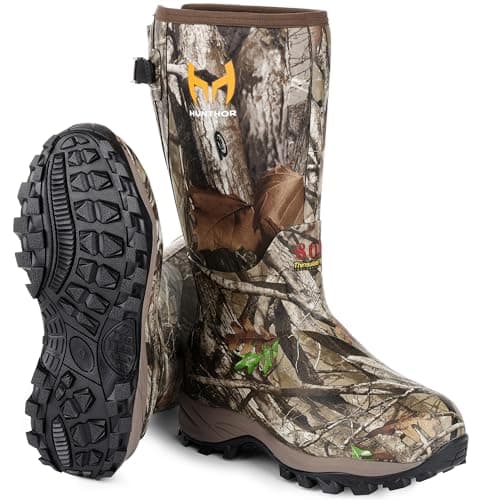
Rubber boots are the cheapest way to be genuinely waterproof, because the whole boot is the barrier. At 800g they handle a cold sit, not just a wet walk.
Best for: The biggest line, and the one to protect8.7 - 2
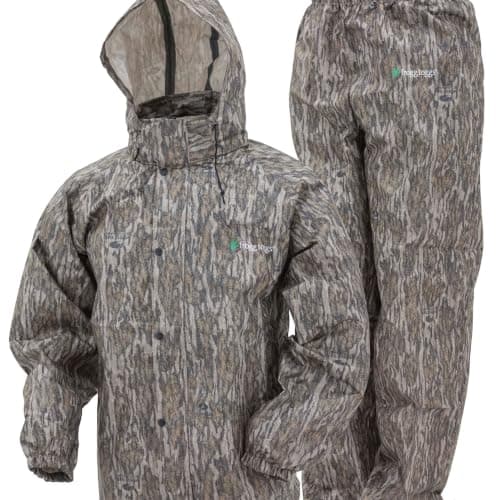
A jacket-and-trouser rain suit for a fraction of what a technical shell costs. Rain is the second most common reason a first-season hunter quits early, and this fixes it outright.
Best for: The cheapest way to not go home8.8 - 3
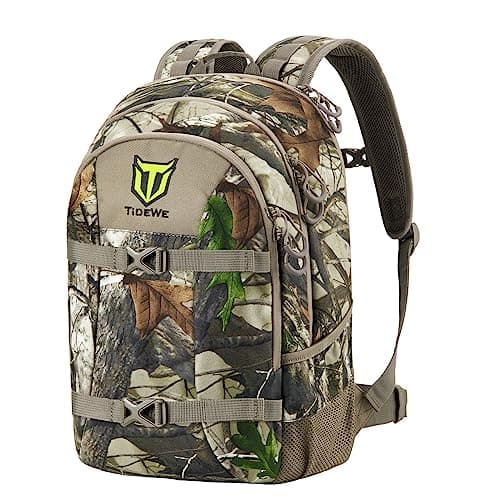
Twenty-five liters is the right day volume and this is about the cheapest competent version of it. Big enough for a full sit, too small to let you overpack.
Best for: Carrying the other eight items8.3 - 4
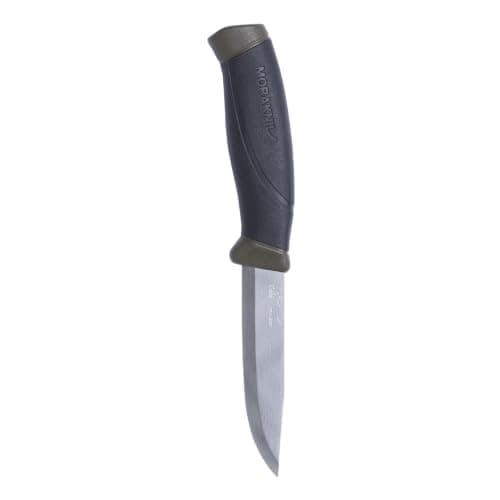
A Scandi-ground fixed blade that arrives genuinely sharp and takes an edge easily. It is the standard answer to 'what is the best cheap knife' for good reason.
Best for: The knife that punches far above its price9.0 - 5
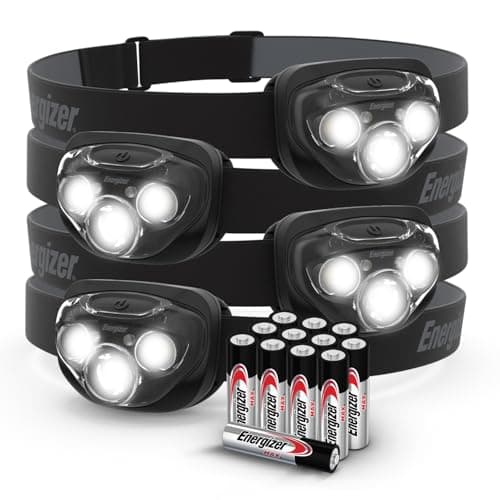
You arrive in the dark and you leave in the dark. A headlamp keeps both hands free, and at this price a spare in the truck is a reasonable idea.
Best for: Both ends of the day8.4 - 6
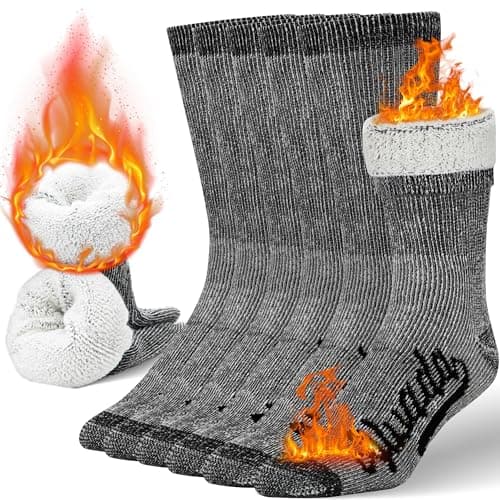
Merino keeps insulating when damp and cotton does not. Three pairs for the price of one premium pair is the correct budget trade, and it is the single best value on this page.
Best for: The cheapest upgrade that changes a whole day8.9 - 7
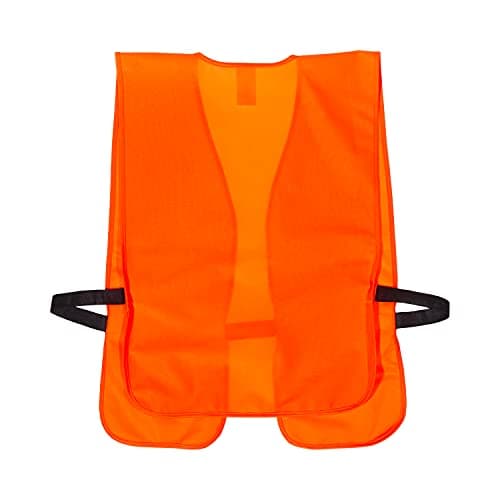
The cheapest item in the kit and the only one that can end your season before it starts. Where your state requires blaze orange, no budget argument applies.
Best for: Legally required, and almost free8.5 - 8
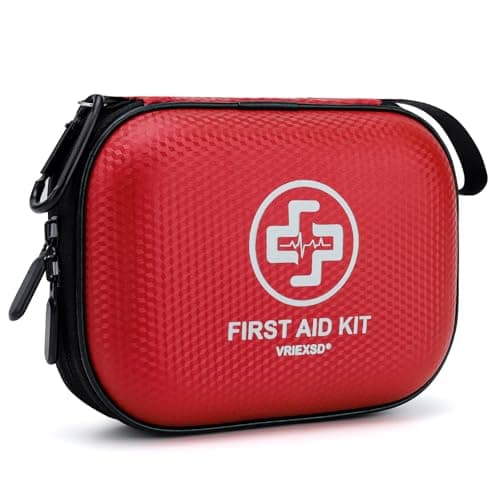
A hard-shell kit small enough that it permanently lives in the pack. Most hunting injuries are knife cuts during field dressing, and a kit in the truck is a kit you do not have.
Best for: The item you hope stays sealed8.2 - 9
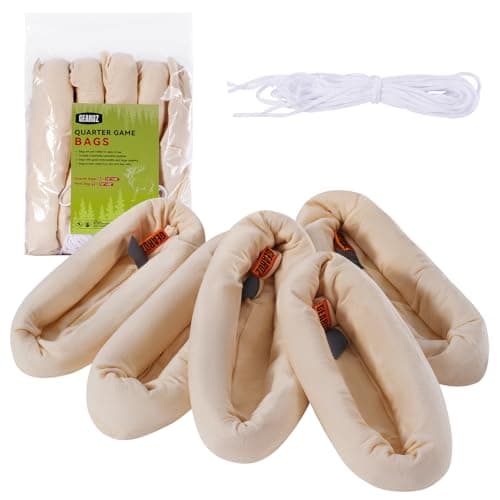
Breathable bags keep meat clean and cooling. It is the item nobody buys before their first deer and everybody buys before their second, so buy it now while the budget has room.
Best for: The optimistic purchase8.6
| # | Product | Best for | Score | Price |
|---|---|---|---|---|
| 1 | Hunthor 800g Insulated Rubber Hunting Boots Rubber boots are the cheapest way to be genuinely waterproof, because the whole boot is the barrier. At 800g they handle a cold sit, not just a wet walk. | The biggest line, and the one to protect | 8.7 | $85.49View on Amazon#ad |
| 2 | FROGG TOGGS Classic All-Sport 3-Layer Rain Suit A jacket-and-trouser rain suit for a fraction of what a technical shell costs. Rain is the second most common reason a first-season hunter quits early, and this fixes it outright. | The cheapest way to not go home | 8.8 | $69.99View on Amazon#ad |
| 3 | TIDEWE 25L Lightweight Camo Daypack Twenty-five liters is the right day volume and this is about the cheapest competent version of it. Big enough for a full sit, too small to let you overpack. | Carrying the other eight items | 8.3 | $34.99View on Amazon#ad |
| 4 | Morakniv Companion Fixed Blade Knife A Scandi-ground fixed blade that arrives genuinely sharp and takes an edge easily. It is the standard answer to 'what is the best cheap knife' for good reason. | The knife that punches far above its price | 9.0 | $19.99View on Amazon#ad |
| 5 | Energizer LED Headlamp You arrive in the dark and you leave in the dark. A headlamp keeps both hands free, and at this price a spare in the truck is a reasonable idea. | Both ends of the day | 8.4 | $22.64View on Amazon#ad |
| 6 | Alvada Merino Wool Hiking Socks (3 Pairs) Merino keeps insulating when damp and cotton does not. Three pairs for the price of one premium pair is the correct budget trade, and it is the single best value on this page. | The cheapest upgrade that changes a whole day | 8.9 | $14.99View on Amazon#ad |
| 7 | Allen Blaze Orange Safety Vest The cheapest item in the kit and the only one that can end your season before it starts. Where your state requires blaze orange, no budget argument applies. | Legally required, and almost free | 8.5 | $4.97View on Amazon#ad |
| 8 | Mini First Aid Kit, 150 Piece Waterproof Hard Shell A hard-shell kit small enough that it permanently lives in the pack. Most hunting injuries are knife cuts during field dressing, and a kit in the truck is a kit you do not have. | The item you hope stays sealed | 8.2 | $8.99View on Amazon#ad |
| 9 | GearOZ Game Bags, 5-Pack Reusable Quarter Bags Breathable bags keep meat clean and cooling. It is the item nobody buys before their first deer and everybody buys before their second, so buy it now while the budget has room. | The optimistic purchase | 8.6 | $23.99View on Amazon#ad |
The single most common thing that stops someone hunting is the belief that it costs thousands to start. It does not, and the forty-item retailer checklists that create that impression are doing it accidentally — they list everything the store sells because that is what a store checklist is for. This page is the opposite exercise: the smallest amount of equipment that gets a beginner into the woods legally, safely and comfortably enough to stay there.
What the $500 actually covers
Being precise about this matters, because a budget page that quietly excludes half the cost is worthless. The nine items above are everything except the weapon and the paperwork. At the live prices showing on this page today, all nine together land comfortably inside $500 with several hundred dollars of headroom — which is the room you need for the two things we did not list.
We are not printing a total in this paragraph, deliberately. Prices move week to week, and a number typed into an article is wrong within a month. Every button on this page shows today’s live price, and the date stamp under the picks tells you exactly when we last checked. Add them up yourself in thirty seconds and you will have a real number rather than one of ours.
| What | Roughly what to budget | Notes |
|---|---|---|
| The nine items above | Comfortably under $500 at today's prices | Live prices on every button |
| Hunter education course | Often free, commonly under $30 | Required in nearly every state |
| Resident license and tag | Commonly $20-$60 | Varies enormously by state and species |
| A weapon | The genuine variable | See below — and borrowing is normal |
Where the money should go
Not evenly. On a tight budget the correct strategy is to spend disproportionately on the two or three items whose failure ends a hunt, and buy the genuinely cheapest competent version of everything else.
Feet and weather get the money. Boots and rain gear are together most of this budget, and that is correct — cold wet feet and being soaked through are the top two reasons first-season hunters go home early, and a hunter who goes home at nine sees nothing. Everything else on the list is either trivially cheap or genuinely does not benefit much from spending more. A twenty-dollar knife that is sharp cuts exactly as well as a hundred-dollar knife that is sharp.
The cheapest upgrade on this entire site
Cheap versus too cheap
There is a real line here and it is worth naming. Cheap is fine when the item is simple and its failure is an inconvenience — a headlamp, a pack, a first aid kit, game bags. Cheap is a false economy when the item is doing safety work or weather work, because its failure ends the hunt or worse.
The specific things we would not buy at the very bottom of the market: a treestand or a safety harness (this budget assumes you are hunting from the ground, which is free and a perfectly good way to start), optics under about a hundred dollars — which is why there are no binoculars on this list at all — and anything load-bearing with a weight rating. If you want glass, borrow it for a season; the honest case for and against is in the beginner binoculars roundup, and the answer for a first season on a tight budget is usually to wait.
The weapon, honestly
This is the part budget articles skate over. A weapon is the genuine variable, and it can cost more than everything else here combined or it can cost nothing at all.
Borrowing is completely normaland it is what most new hunters actually do — from family, from a mentor, or through a state-run mentored-hunt program. Check your state agency’s site for “learn to hunt” or mentored hunt programs, because many of them supply the firearm and the instruction. Used is the next best answer; a serviceable used deer rifle or a pump shotgun is one of the better value propositions in the outdoors, and the shotgun in particular is more versatile than a rifle for a beginner.
If you are buying new, the pages to read are the best beginner hunting rifles, the best beginner hunting shotguns and rifle vs shotgun for your first hunt. If you are going the archery route, the bow is the dominant cost and the first bow season kit lays that budget out separately, because it does not fit inside this one.
One more honest note: check your regulations before you spend anything on a weapon. What is legal for deer varies by state and often by county, and buying the wrong thing is the most expensive mistake available to a beginner.
What to borrow instead of buy
Almost half this list is borrowable, and there is no virtue in owning things you use once. Borrow a headlamp, a pack, a knife and binoculars for a first season without hesitation. Borrow a weapon if anyone will lend you one. What you should not borrow is boots — fit is too personal and blisters end hunts — and anything with a weight rating, where you cannot see the history of the item.
The other thing worth doing before you spend is reading the gear that wastes beginners’ money. It is written by a site that earns commission on gear and it is the most useful thing here if your budget is genuinely tight, because the fastest way to blow $500 is on twelve items that all seemed essential in the store.
The upgrade order for year two
Hunt a season before you upgrade anything, because a season tells you what you actually reached for. That said, the order that holds true for most people is: binoculars first — the item you use every single sit and the one this budget deliberately skips. Then better outerwear, specifically a quiet jacket to replace the noisy rain suit, since noise is that suit’s one real weakness for deer. Then a proper pack if you have started walking further in.
Everything after that is genuinely optional forever. Once the kit above is filled out with one or two better pieces, additional spending buys you comfort and convenience rather than hunting success — and the complete beginner gear checklist is the master list to work from when you decide what year three looks like.
The picks in detail
Hunthor 800g Insulated Rubber Hunting Boots
8.7/10Best for: The biggest line, and the one to protect
Rubber boots are the cheapest way to be genuinely waterproof, because the whole boot is the barrier. At 800g they handle a cold sit, not just a wet walk.
- Insulation
- 800g
- Construction
- Rubber, seamless
- Waterproof
- Inherently — no membrane to fail
- No membrane means nothing to wear out or leak at a flex point
- 800g covers a genuinely cold sit, which a 400g leather boot does not
- Rubber holds no scent the way a leather-and-fabric boot does
- Rubber boots walk poorly over distance and offer little ankle support
- 800g is too warm for an early-season walk in — you will sweat
- Sizing in rubber boots is blunt; there is no lacing to fine-tune fit
FROGG TOGGS Classic All-Sport 3-Layer Rain Suit
8.8/10Best for: The cheapest way to not go home
A jacket-and-trouser rain suit for a fraction of what a technical shell costs. Rain is the second most common reason a first-season hunter quits early, and this fixes it outright.
- Type
- Jacket and trousers
- Construction
- 3-layer
- Packs
- Small enough to live in the pack
- Complete suit rather than a jacket, so your legs stay dry too
- Packs down small enough that it lives in the pack permanently
- Costs a fraction of a technical shell for the same core function
- The material is noisy, which matters more for deer than for anything else on this list
- Nowhere near as durable as a technical shell — briars will find it
- Minimal breathability; you will be damp from the inside on a walk in
TIDEWE 25L Lightweight Camo Daypack
8.3/10Best for: Carrying the other eight items
Twenty-five liters is the right day volume and this is about the cheapest competent version of it. Big enough for a full sit, too small to let you overpack.
- Capacity
- 25 L
- Use
- Day hunt
- Weight
- Lightweight
- 25 L genuinely fits water, layers, food and the kill kit with nothing spare
- Light enough that you wear it rather than leave it in the truck
- A fraction of the cost of a framed hunting pack that does the same day job
- No meat-hauling frame — this will not carry a quartered deer out
- Budget suspension is fine at day weight and unpleasant beyond it
- Zippers are the first thing to go on packs at this price
Morakniv Companion Fixed Blade Knife
9.0/10Best for: The knife that punches far above its price
A Scandi-ground fixed blade that arrives genuinely sharp and takes an edge easily. It is the standard answer to 'what is the best cheap knife' for good reason.
- Type
- Fixed blade
- Grind
- Scandi
- Includes
- Sheath
- A Scandi grind is the easiest bevel in the world for a beginner to sharpen correctly
- Arrives sharp enough to work with, which is not true of most knives at this price
- Cheap enough that losing it in the leaves is annoying rather than expensive
- You have to sharpen it — there is no replaceable blade shortcut here
- The plastic sheath is functional and nothing more
- No finger guard on the standard model; wet hands and pressure need respect
Energizer LED Headlamp
8.4/10Best for: Both ends of the day
You arrive in the dark and you leave in the dark. A headlamp keeps both hands free, and at this price a spare in the truck is a reasonable idea.
- Type
- Head-mounted LED
- Power
- Battery
- Hands
- Both free
- Hands free for a ladder, a gate or a drag
- Runs on batteries available at any gas station on the drive
- Cheap enough to own two
- No red or green mode — white light kills your night vision and announces you
- Cold weather shortens battery life noticeably
- Basic strap comfort; it is not a premium headlamp and does not pretend to be
Alvada Merino Wool Hiking Socks (3 Pairs)
8.9/10Best for: The cheapest upgrade that changes a whole day
Merino keeps insulating when damp and cotton does not. Three pairs for the price of one premium pair is the correct budget trade, and it is the single best value on this page.
- Material
- Merino wool blend
- Count
- 3 pairs
- Height
- Hiking / boot
- Merino still insulates when damp, which is the entire reason cotton socks ruin hunts
- Three pairs means a dry spare in the pack, which is worth more than the socks themselves
- Naturally odor-resistant, so they survive a weekend better than synthetics
- Blends wear faster at the heel than a full-thickness premium merino sock
- Not thick enough on their own for a genuinely cold late-season sit
- Merino needs gentler washing than the rest of your hunting clothes
Allen Blaze Orange Safety Vest
8.5/10Best for: Legally required, and almost free
The cheapest item in the kit and the only one that can end your season before it starts. Where your state requires blaze orange, no budget argument applies.
- Type
- Pull-over vest
- Color
- Blaze orange
- Worn
- Over outerwear
- Satisfies the requirement in most states for the price of a coffee
- Goes over everything, so it never becomes a layering problem
- Deer are effectively red-green colorblind — it costs you nothing in concealment
- Required square inches and whether a hat counts vary by state — check your regulations
- Adds no warmth and flaps in wind
- Thin material tears on briars
Mini First Aid Kit, 150 Piece Waterproof Hard Shell
8.2/10Best for: The item you hope stays sealed
A hard-shell kit small enough that it permanently lives in the pack. Most hunting injuries are knife cuts during field dressing, and a kit in the truck is a kit you do not have.
- Pieces
- 150
- Case
- Waterproof hard shell
- Size
- Pack-permanent
- Small enough that it lives in the pack instead of being left behind
- Hard shell keeps contents dry and intact, which soft pouches do not
- Covers the actual common injury: a knife cut with cold, slippery hands
- 150 pieces is mostly small adhesive bandages — check what is actually in it
- No trauma capability; add a pressure dressing if you hunt alone or far in
- Contents at this price are basic and worth supplementing over time
GearOZ Game Bags, 5-Pack Reusable Quarter Bags
8.6/10Best for: The optimistic purchase
Breathable bags keep meat clean and cooling. It is the item nobody buys before their first deer and everybody buys before their second, so buy it now while the budget has room.
- Count
- 5 bags
- Material
- Breathable, reusable
- Use
- Quarters and boned meat
- Breathable fabric lets meat cool rather than sweat, unlike a trash bag
- Keeps dirt and flies off on the drag and the drive
- Reusable, so it is a one-time cost
- Not refrigeration — they do nothing if you cannot get the meat cool
- Need washing promptly or they are unpleasant next season
- Genuinely skippable if a processor is your plan
Prices shown are from Amazon as of Sep 6, 2026 and change often — the button always goes to the current listing. Some links may earn us a commission at no extra cost to you. How this works.
Frequently asked questions
Can you really start hunting for under $500?
Yes, for the gear. The nine items on this page cover boots, rain protection, a pack, a knife, a headlamp, socks, blaze orange, a first aid kit and game bags, and at current live prices they land comfortably inside $500. The license and tags are commonly another $20-$60 and hunter education is often free. The weapon is the genuine variable, and borrowing one is completely normal.
What should a beginner hunter spend the most money on?
Boots, then rain gear. Cold wet feet and being soaked through are the two most common reasons a first-season hunter leaves the woods early, and a hunter who goes home at nine in the morning sees nothing. Almost everything else on a beginner list works fine in its cheapest competent version.
What hunting gear should you not buy cheap?
Anything doing safety work or weather work. Specifically: treestands and safety harnesses, anything with a weight rating, and optics below about a hundred dollars. Cheap is completely fine for a headlamp, a pack, a first aid kit, game bags and a knife, where failure is an inconvenience rather than a hazard.
Do I need binoculars to start hunting?
Not on a tight budget. Good glass costs real money and bad glass is genuinely worse than none, so this list skips binoculars entirely and names them as the first year-two upgrade instead. Borrow a pair for your first season - it will also tell you which configuration you actually reach for.
How much does a hunting license cost?
It varies substantially by state, species and residency, but a resident license and tag are commonly in the $20-$60 range, and hunter education is frequently free or under $30. Non-resident licenses cost considerably more. Your state wildlife agency's site is the only accurate source - prices change annually.
Sources
Keep reading
Not sure where to start?
The beginner gear checklist walks you through exactly what a first-season hunter needs — essentials first, nice-to-haves later, with one safe-default pick per category.