Starter kit · Deer
Your First Deer Hunt: The Complete Kit List
Eight items, in buying order. Everything here exists because it makes the hunt legal, keeps you in the woods past 9 a.m., or handles the animal after the shot. Everything else can wait for season two.
Disclosure: Creek Cover is reader-supported. If you buy through our links we may earn a commission, at no extra cost to you. It never changes which pick we tell a beginner to start with. Full disclosure.
Quick picks at a glance
Tap a pick to read the full write-up, or the price button to check it on Amazon.
- 1
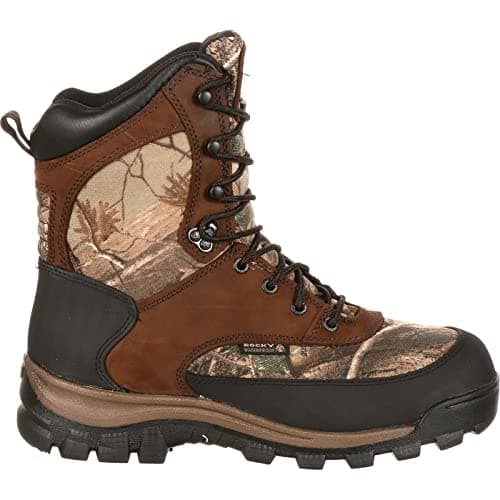
400g insulation and a waterproof membrane — the all-purpose middle for a first season across most of the country. The single piece of gear where spending more genuinely buys you more hunting time.
Best for: The one item worth real money9.0 - 2
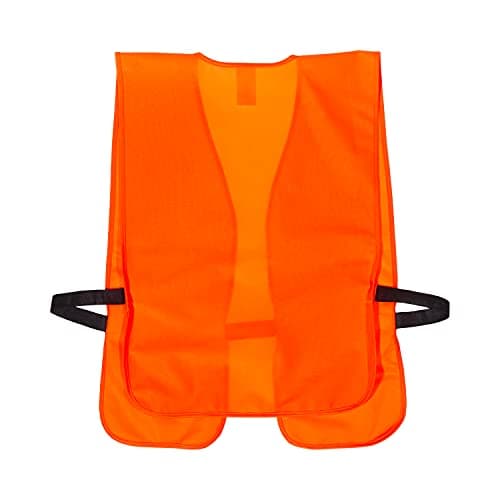
The cheapest item on this page and the only one that can end your hunt before it starts. Where the law requires blaze orange, it requires a specific square-inch minimum — a vest is the simplest way to clear it.
Best for: Legally required in most states8.5 - 3
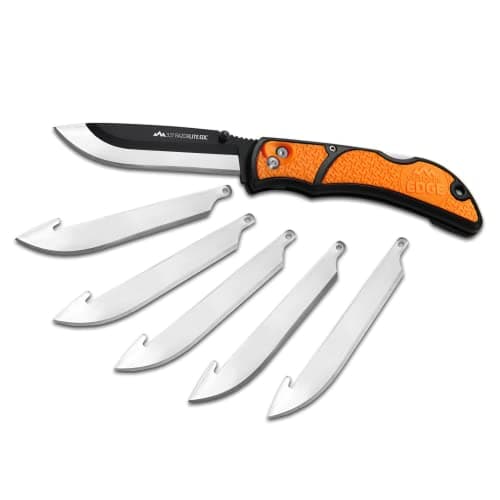
A replaceable-blade knife takes the hardest field skill — keeping an edge sharp enough to field-dress a deer — off your plate entirely. Snap in a fresh blade and the job stays easy the whole way through.
Best for: The knife that removes a skill you do not have yet9.2 - 4
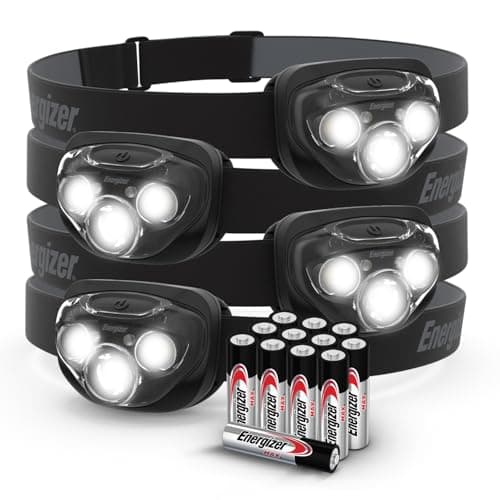
Deer hunting happens in the dark at both ends of the day. A headlamp keeps both hands free for a climb, a gate, or a drag, and it is the item beginners most often forget until the walk out.
Best for: Getting in before light and out after it8.4 - 5
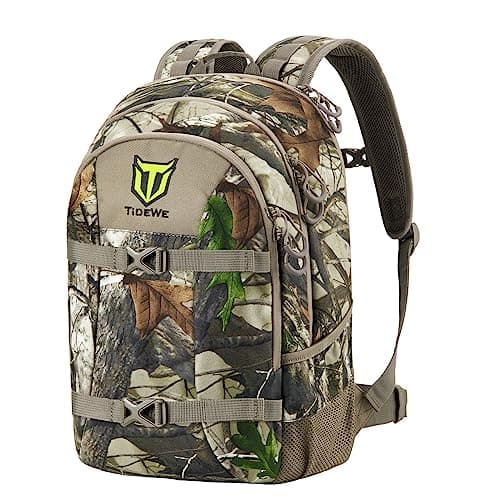
Twenty-five liters is the right size for a day sit: water, layers, snacks, knife, game bags and a first aid kit, with nothing left over to tempt you into carrying more.
Best for: Carrying the rest of this list8.3 - 6
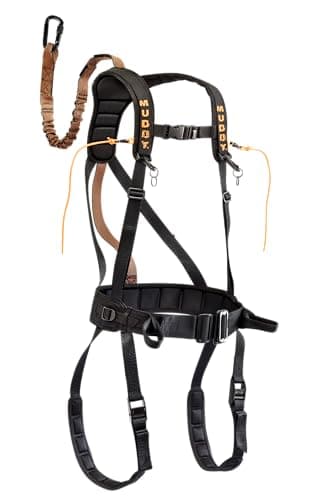
Treestand falls are the leading cause of serious hunting injury, and they overwhelmingly happen during the climb rather than the sit. If you are hunting from any elevated stand, this is not optional equipment.
Best for: Non-negotiable if your feet leave the ground9.1 - 7
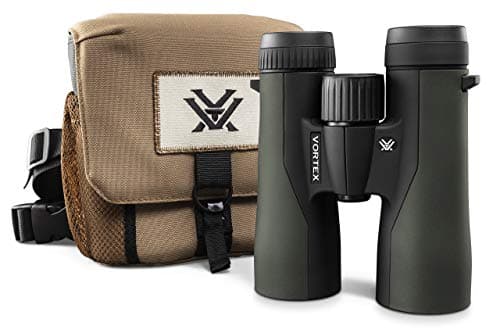
10x42 is the do-everything hunting standard, and the Crossfire HD is the point where glass gets genuinely good without getting expensive. Backed by Vortex's no-questions lifetime warranty.
Best for: The upgrade that pays back fastest8.8 - 8
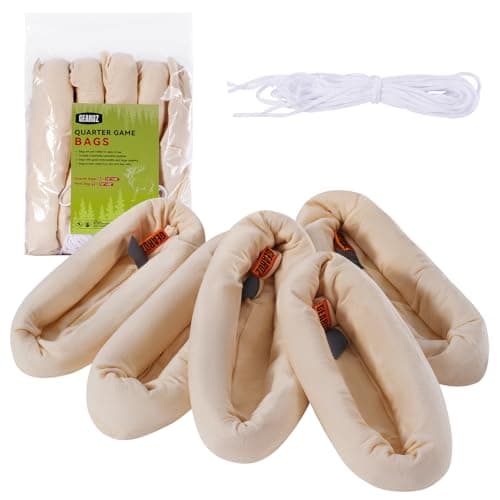
Breathable bags keep meat clean and let it cool, which is the whole ballgame in early-season warmth. Nobody buys these before their first deer, and everybody buys them before their second.
Best for: The item you will wish you had bought8.6
| # | Product | Best for | Score | Price |
|---|---|---|---|---|
| 1 | Rocky Core Waterproof 400G 400g insulation and a waterproof membrane — the all-purpose middle for a first season across most of the country. The single piece of gear where spending more genuinely buys you more hunting time. | The one item worth real money | 9.0 | $99.00View on Amazon#ad |
| 2 | Allen Blaze Orange Safety Vest The cheapest item on this page and the only one that can end your hunt before it starts. Where the law requires blaze orange, it requires a specific square-inch minimum — a vest is the simplest way to clear it. | Legally required in most states | 8.5 | $4.97View on Amazon#ad |
| 3 | Outdoor Edge RazorLite A replaceable-blade knife takes the hardest field skill — keeping an edge sharp enough to field-dress a deer — off your plate entirely. Snap in a fresh blade and the job stays easy the whole way through. | The knife that removes a skill you do not have yet | 9.2 | $34.99View on Amazon#ad |
| 4 | Energizer LED Headlamp Deer hunting happens in the dark at both ends of the day. A headlamp keeps both hands free for a climb, a gate, or a drag, and it is the item beginners most often forget until the walk out. | Getting in before light and out after it | 8.4 | $22.64View on Amazon#ad |
| 5 | TIDEWE 25L Lightweight Camo Daypack Twenty-five liters is the right size for a day sit: water, layers, snacks, knife, game bags and a first aid kit, with nothing left over to tempt you into carrying more. | Carrying the rest of this list | 8.3 | $34.99View on Amazon#ad |
| 6 | MUDDY The Safeguard Treestand Safety Harness Treestand falls are the leading cause of serious hunting injury, and they overwhelmingly happen during the climb rather than the sit. If you are hunting from any elevated stand, this is not optional equipment. | Non-negotiable if your feet leave the ground | 9.1 | $67.99View on Amazon#ad |
| 7 | Vortex Crossfire HD 10x42 10x42 is the do-everything hunting standard, and the Crossfire HD is the point where glass gets genuinely good without getting expensive. Backed by Vortex's no-questions lifetime warranty. | The upgrade that pays back fastest | 8.8 | $149.00View on Amazon#ad |
| 8 | GearOZ Game Bags, 5-Pack Reusable Quarter Bags Breathable bags keep meat clean and let it cool, which is the whole ballgame in early-season warmth. Nobody buys these before their first deer, and everybody buys them before their second. | The item you will wish you had bought | 8.6 | $23.99View on Amazon#ad |
Most first-deer-hunt checklists are written by people who need to sell you forty items. This one is eight, and two of them are optional. The test every item had to pass was simple: does it make the hunt legal, does it keep you in the woods past 9 a.m., or does it deal with the animal after the shot? Almost nothing in a hunting catalog passes that test, which is why the honest list is short.
The three things that come before gear
None of this matters without them, and all three are cheaper than the boots. You need a hunter education certificate, required in nearly every state and frequently free or under thirty dollars. You need a license and a deer tag for your state and unit — how to get your first hunting license covers the process. And you need somewhere legal to hunt, which for most beginners means public ground; public land hunting for beginners is the page for that.
We are deliberately not naming a weapon on this page. What you can legally use for deer varies enormously by state and often by county — some units are shotgun-and-muzzleloader only, some allow straight-wall cartridges and nothing else. Read your regulations first, then use what caliber a beginner should choose or the beginner bow roundup to narrow it down.
The buy order, and why
The list above is ranked by how much each item changes your day, not by price and not by how exciting it is. Boots sit at the top because cold, wet feet are the number one reason a first-season hunter climbs down early, and a hunter who climbs down at 8:30 does not see the deer that moves at 9:15. That is not a comfort argument, it is a success argument.
Blaze orange is second only because it costs five dollars and involves no decision. Where your state requires it, it is not optional at any price — states specify a minimum number of square inches and often whether a hat counts toward it, and those rules differ enough that the only correct source is your own regulations booklet. Buy the vest, read the rules, move on.
| Item | Why it is on the list | Can you borrow it? |
|---|---|---|
| Insulated waterproof boots | Ends the hunt if you get it wrong | Rarely — fit is personal |
| Blaze orange vest | Legally required in most states | Yes, but it costs $5 |
| Replaceable-blade knife | Removes a skill you do not have yet | Yes |
| Headlamp | You arrive and leave in the dark | Yes |
| 25L day pack | Carries everything else | Yes |
| Safety harness | Only if you hunt from an elevated stand | No — fit and condition matter |
| 10x42 binoculars | Optional in year one | Yes — borrow before buying |
| Game bags | Only needed after a successful shot | Yes |
What to wear on the day
Clothing is where beginners spend the most and need to spend the least. You do not need a camo wardrobe for deer. You need three layers doing three different jobs: a synthetic or merino base layer that moves sweat off your skin, an insulating middle layer you can add or remove, and a quiet outer layer that blocks wind. The full breakdown, including a temperature-by-temperature guide, is on what to wear hunting, and it is the page to read before you buy a single garment.
The one rule worth repeating here: no cotton. A cotton t-shirt or a pair of jeans holds sweat against your skin, stops insulating the moment it is damp, and takes hours to dry. It is the reason people describe deer hunting as unbearably cold when the temperature was forty degrees. The second rule is behavioral rather than material — walk in cold. Carry your insulating layer and put it on when you get to the stand, because arriving soaked in your own sweat undoes every good decision you made in the store.
Deer see color differently than you do
What to borrow or skip entirely
Borrow the binoculars for your first season. They are the most expensive optional item on this page and the easiest to test-drive. A borrowed pair for one season tells you whether you are a glasser or someone who mostly watches one trail at forty yards, and that answer is worth more than any spec sheet.
Skip scent-elimination sprays, at least for now. They are the highest-margin product in the category and they do not substitute for hunting the right wind. Skip rangefinders for a first firearm season inside a hundred yards. Skip a grunt call until you have watched enough deer to know when calling would help rather than hurt — calling at the wrong moment educates more deer than it kills. And skip the full camo outfit; a drab green and brown layering system you already own does the same job. The gear that wastes beginners’ money goes through the rest of the list, and it is the most useful page on this site if you are about to spend.
The half of the kit nobody plans for
Beginners plan meticulously for the shot and not at all for the two hours after it, which is where the actual work is. You need the knife, you need light — because this frequently happens at dusk — and you need a way to keep the meat clean and cooling. That is why the game bags are on this list even though there is a real chance you will not need them in year one.
The other thing to sort out before opening day is where the animal goes. How to field dress a deer walks the job through step by step, and it is worth reading twice before the season rather than once on your phone in the dark. Decide in advance whether you are taking it to a processor or handling it yourself; if it is the latter, the chain runs through a cooler with the drain open and eventually the freezer. Knowing which of those two paths you are on changes what you need in the truck.
The night before
Lay everything out on the floor. Not as a ritual — as a check. Every experienced hunter has driven an hour in the dark and discovered the tag is on the kitchen counter, or the headlamp batteries died in July. Put the license and tag in the same pocket every time. Charge or replace batteries. Put the knife in the pack rather than the truck door.
Then set the alarm earlier than feels reasonable. The single most common first-season mistake is not gear at all — it is arriving late, walking in with a headlamp during legal shooting light, and pushing every deer in the area out ahead of you. Being in the stand thirty minutes before you can legally shoot is free, and it is worth more than anything on this page.
When the season is over and you know which of these items earned its place, the complete beginner gear checklist is the master list to build year two from.
The picks in detail
Rocky Core Waterproof 400G
9.0/10Best for: The one item worth real money
400g insulation and a waterproof membrane — the all-purpose middle for a first season across most of the country. The single piece of gear where spending more genuinely buys you more hunting time.
- Insulation
- 400g
- Waterproof
- Yes, membrane
- Best for
- Early to mid season, walk-in and sit
- 400g is the honest all-purpose number: warm enough to sit, cool enough to walk in
- Waterproof membrane handles the wet grass and frost that soak a hiking boot before legal light
- Break-in is short compared with a stiff leather mountain boot
- Not enough boot for a genuinely cold late-season sit — that is 800g-plus territory
- Insulated boots are hot on a long walk in; you will still want to manage pace
- Sizing runs personal, and a boot bought online the week before opening day is a gamble
Allen Blaze Orange Safety Vest
8.5/10Best for: Legally required in most states
The cheapest item on this page and the only one that can end your hunt before it starts. Where the law requires blaze orange, it requires a specific square-inch minimum — a vest is the simplest way to clear it.
- Type
- Pull-over safety vest
- Color
- Blaze orange
- Fit
- Over outerwear
- Costs less than a box of ammunition and satisfies the requirement in most states
- Goes over whatever you are already wearing, so it never becomes a layering problem
- Deer are effectively red-green colorblind — orange does not cost you the hunt
- The required square inches and whether a hat also counts vary by state — check your regulations, not this page
- A thin vest is not a garment; it adds no warmth and flaps in wind
- Some states require orange on the walk in even during archery season
Outdoor Edge RazorLite
9.2/10Best for: The knife that removes a skill you do not have yet
A replaceable-blade knife takes the hardest field skill — keeping an edge sharp enough to field-dress a deer — off your plate entirely. Snap in a fresh blade and the job stays easy the whole way through.
- Blade
- Replaceable, scalpel-style
- Type
- Folding, one-handed
- Skill required
- None — no sharpening
- No sharpening skill required, which is exactly the skill a first-season hunter lacks
- A fresh blade mid-job beats a dull traditional knife every time
- Small enough to live in a pocket rather than on a belt
- You are buying replacement blades forever — a recurring cost a traditional knife does not have
- Thin blades are for cutting, not prying; they will snap if you lever a joint with one
- Blade changes with cold, wet, bloody hands take care — practice once at home first
Energizer LED Headlamp
8.4/10Best for: Getting in before light and out after it
Deer hunting happens in the dark at both ends of the day. A headlamp keeps both hands free for a climb, a gate, or a drag, and it is the item beginners most often forget until the walk out.
- Type
- Head-mounted LED
- Hands
- Both free
- Power
- Battery
- Both hands free on a treestand ladder, which is where headlamps stop being a convenience
- Cheap enough that a spare in the truck is a reasonable idea
- Runs on batteries you can buy at any gas station on the way
- No red or green mode on the basic unit — white light in the dark ruins your night vision and announces you
- Battery life drops sharply in genuine cold; carry spares
- A headlamp on full brightness in a shared parking area makes you unpopular fast
TIDEWE 25L Lightweight Camo Daypack
8.3/10Best for: Carrying the rest of this list
Twenty-five liters is the right size for a day sit: water, layers, snacks, knife, game bags and a first aid kit, with nothing left over to tempt you into carrying more.
- Capacity
- 25 L
- Use
- Day hunt
- Pattern
- Camo
- 25 L is genuinely the right day volume — big enough for a full sit, too small to overpack
- Costs a fraction of a technical hunting pack and does the same job for a day hunt
- Light enough that you actually wear it on the walk in rather than leaving it in the truck
- No meat-hauling frame — if you kill a deer a mile in, this pack is not carrying it out
- Budget suspension is fine at day-hunt weight and unpleasant well past it
- Camo is cosmetic on a pack; it does nothing a plain green pack would not do
MUDDY The Safeguard Treestand Safety Harness
9.1/10Best for: Non-negotiable if your feet leave the ground
Treestand falls are the leading cause of serious hunting injury, and they overwhelmingly happen during the climb rather than the sit. If you are hunting from any elevated stand, this is not optional equipment.
- Type
- Full-body harness
- Needed for
- Any elevated stand
- Wear it
- From the ground up, not once seated
- Full-body design is the current standard — a single belt is not a safety harness
- The one item on this list that addresses the actual leading cause of hunting injury
- Cheap relative to any part of the treestand it protects you in
- Only works if you are connected during the climb, which is when most falls happen
- Adds bulk and a strap-management step to every sit; beginners are tempted to skip it
- Does nothing for a ground blind hunt — skip it if you are hunting from the dirt
Vortex Crossfire HD 10x42
8.8/10Best for: The upgrade that pays back fastest
10x42 is the do-everything hunting standard, and the Crossfire HD is the point where glass gets genuinely good without getting expensive. Backed by Vortex's no-questions lifetime warranty.
- Configuration
- 10x42
- Glass
- HD
- Warranty
- Vortex VIP lifetime
- 10x42 is the correct first configuration: enough magnification, enough low-light objective
- You will use binoculars more than any other item here, including on a bow hunt
- The lifetime warranty is transferable and does not ask how you broke them
- The most expensive optional item on this list — it is a genuine want-versus-need call for a first season
- 10x shakes noticeably more than 8x for anyone with unsteady hands
- You can absolutely hunt your first deer without binoculars; borrow a pair before you commit
GearOZ Game Bags, 5-Pack Reusable Quarter Bags
8.6/10Best for: The item you will wish you had bought
Breathable bags keep meat clean and let it cool, which is the whole ballgame in early-season warmth. Nobody buys these before their first deer, and everybody buys them before their second.
- Count
- 5 bags
- Material
- Breathable, reusable
- Use
- Quarters and boned-out meat
- Breathable fabric lets meat cool instead of sweating the way it does in a trash bag
- Keeps dirt, hair and flies off the meat on the drag and the drive home
- Reusable, so the cost is once rather than every season
- Useless if you do not get the animal cold quickly — the bag is not refrigeration
- They need washing promptly after use or they are unpleasant next season
- Not needed at all if you are dragging a whole deer straight to a processor an hour away
Prices shown are from Amazon as of Sep 6, 2026 and change often — the button always goes to the current listing. Some links may earn us a commission at no extra cost to you. How this works.
Frequently asked questions
What do I need for my first deer hunt?
Legally: a hunter education certificate, a license and deer tag, and a weapon your state allows for deer in your unit. Practically: insulated waterproof boots, blaze orange where required, a knife you do not have to sharpen, a headlamp, a day pack, and a safety harness if you hunt from an elevated stand. Binoculars and game bags are worth having but can wait.
How much blaze orange do I legally need for deer hunting?
It varies by state and sometimes by season - most states that require it specify a minimum number of square inches of solid blaze orange visible from all sides, and some count a hat toward the total while others do not. A vest clears the requirement in most places, but the only correct source is your own state's current regulations.
Do I need camo to hunt deer?
No. Whitetail are effectively red-green colorblind, which is why blaze orange is safe to wear. What they detect is movement and scent. Drab, quiet clothing in greens and browns that you may already own works, and hunting the right wind matters more than any pattern you can buy.
Do I need binoculars for my first deer season?
Not strictly. They are the most expensive optional item on this list and the easiest to borrow for a season. If most of your hunting is a stand overlooking a trail at forty yards, you will use them less than you expect. Borrow a pair first, then buy the configuration you actually reached for.
What should I do with the deer after I shoot it?
Field dress it promptly, keep the meat clean and get it cooling - warmth is what ruins venison, not time by itself. Decide before opening day whether you are taking it to a processor or handling it yourself, because that decision changes what you need in the truck. Breathable game bags and a cooler cover the self-handled path.
Sources
- Michigan DNR — Deer hunting gear checklist (state agency beginner list)
- Hunter-ed.com — Hunting Gear for Beginners: How to Pack for a Hunt
- Vortex Optics — Crossfire HD binocular specifications and VIP warranty
- Rocky Boots — Core waterproof insulated boot specifications
- Outdoor Edge — RazorLite replaceable-blade knife specifications
Keep reading
Not sure where to start?
The beginner gear checklist walks you through exactly what a first-season hunter needs — essentials first, nice-to-haves later, with one safe-default pick per category.