Starter kit · Archery
Your First Bow Season: The Complete Kit List
The bow is roughly half of what you spend, and it is the half people obsess over. This list covers the other half — the parts that decide whether you are actually ready to hunt in six weeks.
Disclosure: Creek Cover is reader-supported. If you buy through our links we may earn a commission, at no extra cost to you. It never changes which pick we tell a beginner to start with. Full disclosure.
Quick picks at a glance
Tap a pick to read the full write-up, or the price button to check it on Amazon.
- 1
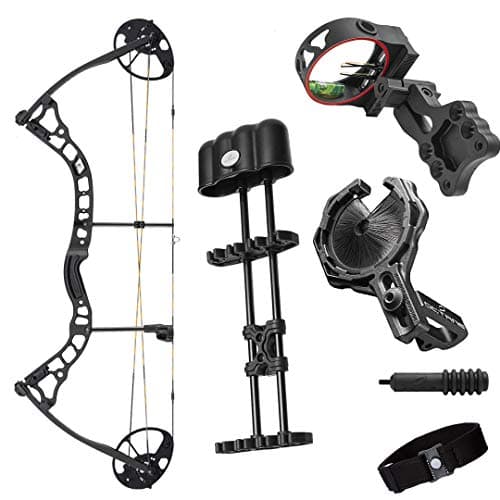
A wide-adjustment, ready-to-hunt compound package. You buy one bow instead of three, and it arrives with the accessories already mounted so you can start shooting rather than start shopping.
Best for: The one bow that fits you for years9.2 - 2
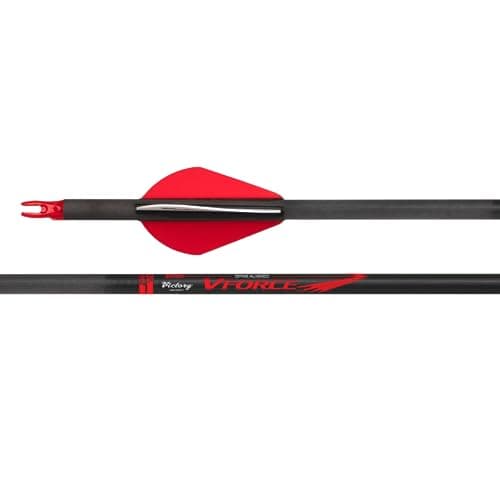
A 400-spine carbon arrow is the right stiffness for the draw weights most beginners actually shoot. Buy more than you think you need, because you will lose and break them while you learn.
Best for: Arrows matched to a beginner setup8.8 - 3
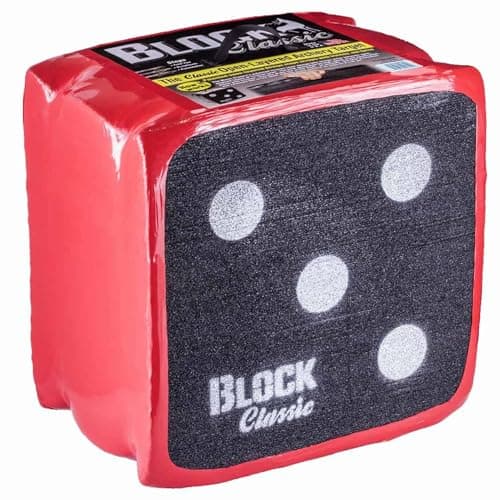
The least exciting purchase on this page and arguably the most important. Reps are what make an ethical bowhunter, and a target in the backyard is the difference between practicing daily and practicing when you can get to a range.
Best for: The item that actually makes you a hunter9.4 - 4
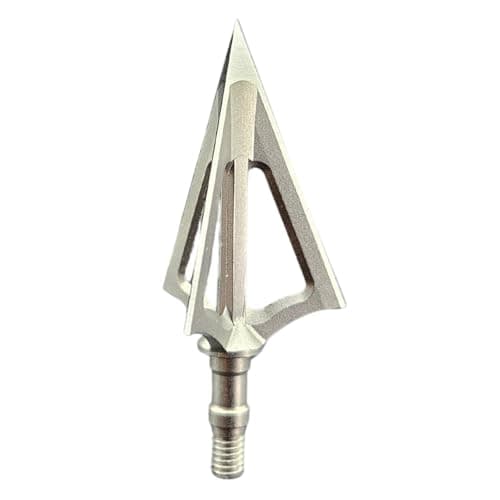
A one-piece fixed blade with nothing to fail mechanically, and at the modest speeds a beginner bow produces that reliability matters more than a wider mechanical cut.
Best for: The broadhead that suits a beginner setup8.9 - 5
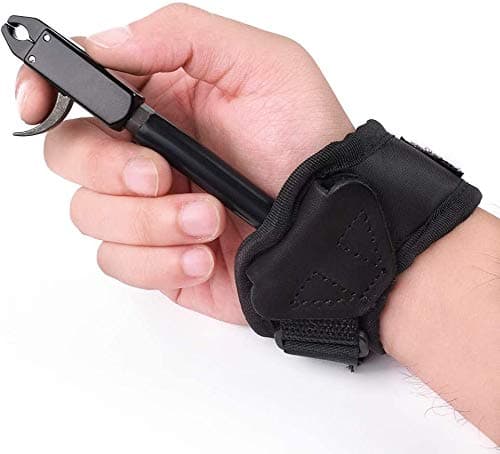
A wrist-strap caliper release is the standard beginner mechanism and it costs almost nothing. It takes your fingers off the string, which is the single biggest accuracy change available to a new archer.
Best for: The cheapest thing that changes your shooting8.5 - 6
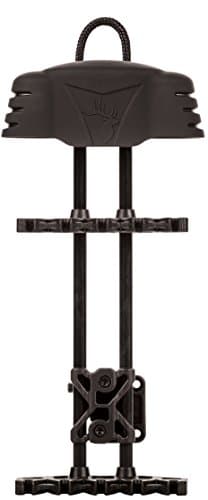
A quiver is the unglamorous safety item of a bow kit. Broadheads are surgically sharp and a bow-mounted quiver keeps five of them covered, secured and out of your hands on the climb.
Best for: Carrying broadheads without cutting yourself8.3 - 7
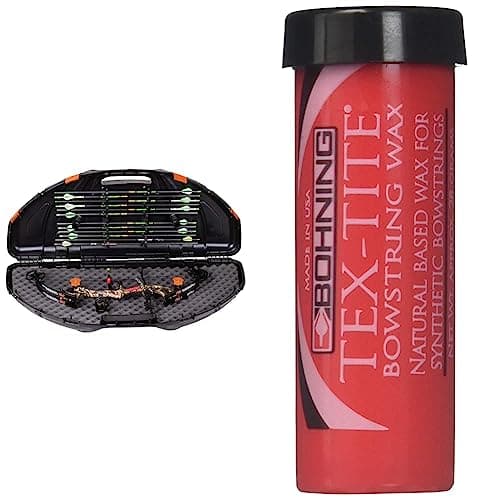
Transport is where bows get knocked out of tune. A hard case protects the sight and rest — the two components whose settings represent all of your practice time.
Best for: Protecting a sight that took an hour to zero8.2
| # | Product | Best for | Score | Price |
|---|---|---|---|---|
| 1 | Diamond Archery Infinite 305 A wide-adjustment, ready-to-hunt compound package. You buy one bow instead of three, and it arrives with the accessories already mounted so you can start shooting rather than start shopping. | The one bow that fits you for years | 9.2 | $349.95View on Amazon#ad |
| 2 | Victory Archery VForce Fletched Arrow, 400 Spine A 400-spine carbon arrow is the right stiffness for the draw weights most beginners actually shoot. Buy more than you think you need, because you will lose and break them while you learn. | Arrows matched to a beginner setup | 8.8 | $49.06View on Amazon#ad |
| 3 | BLOCK Classic Layered Foam Archery Target The least exciting purchase on this page and arguably the most important. Reps are what make an ethical bowhunter, and a target in the backyard is the difference between practicing daily and practicing when you can get to a range. | The item that actually makes you a hunter | 9.4 | $77.50View on Amazon#ad |
| 4 | G5 Outdoors Montec 100 Grain (3 Pack) A one-piece fixed blade with nothing to fail mechanically, and at the modest speeds a beginner bow produces that reliability matters more than a wider mechanical cut. | The broadhead that suits a beginner setup | 8.9 | $44.95View on Amazon#ad |
| 5 | NIKA ARCHERY Caliper Bow Release A wrist-strap caliper release is the standard beginner mechanism and it costs almost nothing. It takes your fingers off the string, which is the single biggest accuracy change available to a new archer. | The cheapest thing that changes your shooting | 8.5 | $14.99View on Amazon#ad |
| 6 | Trophy Ridge 5-Spot Archery Arrow Quiver A quiver is the unglamorous safety item of a bow kit. Broadheads are surgically sharp and a bow-mounted quiver keeps five of them covered, secured and out of your hands on the climb. | Carrying broadheads without cutting yourself | 8.3 | $35.25View on Amazon#ad |
| 7 | Flambeau Outdoors Safe Shot Bow Case Transport is where bows get knocked out of tune. A hard case protects the sight and rest — the two components whose settings represent all of your practice time. | Protecting a sight that took an hour to zero | 8.2 | $64.19View on Amazon#ad |
A first bow season fails for one of two reasons, and neither is the bow. Either the hunter buys everything in August and has not put enough arrows downrange by October to shoot ethically, or they spend the entire budget on the bow and have nothing left for the arrows, release and target that turn it into a weapon. This list is ordered to prevent both.
Work backward from opening day
Archery is the one hunt on this site with a genuine training requirement. Give yourself four to six weeks of regular practice before you hunt — not to become good, but to become consistent enough at twenty yards to take a clean shot at an animal. That number is what should drive your purchase date, not the season opener.
| When | What happens | Why it matters |
|---|---|---|
| 8 weeks out | Buy the bow, get it fitted, buy the target | You cannot practice with equipment you do not own |
| 7 weeks out | Arrows cut to your draw, release fitted | An uncut arrow is not shootable |
| 6-2 weeks out | Shoot most days at 20 yards | This is the entire point of the timeline |
| 2 weeks out | Switch to broadheads, re-sight | Broadheads rarely fly with field points |
| 1 week out | Practice from your actual hunting position | A seated, angled shot is a different shot |
The buy order
Bow, target, arrows, release — in that order, and ideally in the same week. The reason the target comes second rather than last is that it is the item people cut when the bow costs more than expected, and cutting it is what produces a hunter who has shot forty arrows in their life. Everything after those four is genuinely optional for a first season.
A ready-to-hunt package is the right buy for almost every beginner. It arrives with the sight, rest, quiver and stabilizer already installed and set up, which removes both a large accessory bill and a decision tree you do not yet have the experience to navigate. The full money breakdown, including what a shop visit realistically adds, is on what a complete beginner bow setup costs.
One thing a package does not remove: get the bow fitted. Draw length is the single most important measurement in archery, and a bow set to the wrong draw length cannot be shot well by anyone. What draw length do you need explains how to measure it, and a pro shop will confirm it in ten minutes for very little.
Draw weight: the mistake everyone makes
New archers hear seventy pounds and assume more is better. Then they cannot draw the bow smoothly while seated, in cold weather, wearing layers — which is precisely the shot they will be asked to make at a deer. A bow you have to fight is a bow that teaches you to flinch, and flinching is much harder to unlearn than it is to avoid.
Start lower than your ego wants. Most adults should begin somewhere in the forties, which is enough kinetic energy to take deer legally in most states and light enough to build genuine form. An adjustable bow then grows with you across seasons. What draw weight should a beginner use covers the state minimums and the strength progression properly — check your own state’s legal minimum before setting anything.
The shot that matters is not the one you practice
Arrows are not an afterthought
Arrows are the component beginners most often get wrong, because “arrows are arrows” feels true and is not. Two things have to match your setup: spine, which is the arrow’s stiffness, and length, which is cut to your draw. A 400-spine shaft suits most beginner draw weights, but the correct answer depends on your draw weight, your arrow length and your point weight together — arrow spine for beginners explains how those interact without the jargon.
Buy more arrows than you think you need. You will lose them in grass, bury them in dirt behind a target, and eventually put one through another one. A dozen is a sensible starting number and two packs is not excessive. The best hunting arrows for beginners roundup compares the field if you want to look past this pick.
Broadheads and the second sight-in
Here is the step that surprises people: your broadheads will not necessarily hit where your field points hit. A broadhead has surface area at the front of the arrow, so it steers — and it amplifies any tuning imperfection in the bow. Plan two weeks before the season to switch to broadheads and re-confirm your sight, and expect to move something.
Fixed blades like the Montec are the right first choice at beginner draw weights: nothing to fail mechanically, and less energy spent opening blades on impact. The trade is that they are unforgiving of a bow that is not tuned. Mechanicals fly more like field points and open wider, at the cost of some penetration and a mechanism that can fail — fixed vs mechanical broadheads argues both sides. Whichever you choose, buy a separate broadhead-rated target; a layered foam target will be ruined in one session.
What actually makes you ready
Twenty yards, most days, for a month. Not two hundred arrows on a Saturday — a dozen good arrows daily beats a hundred sloppy ones, because fatigue teaches bad form faster than repetition teaches good form. Stop when your groups start opening up, not when you run out of arrows.
Then be honest about your maximum range and hold to it. If your groups at thirty yards are the size of a dinner plate, your hunting range is twenty yards, and the answer is to let marginal shots go rather than to take them. That discipline is worth more than every item on this page. How to start bow hunting walks through the first-season roadmap in full.
What to skip in year one
Skip the upgraded sight, the stabilizer upgrade, the drop-away rest and the custom string. Your package accessories are fine at the ranges you will be shooting, and changing components means re-tuning and re-sighting — which costs you practice time, the one resource you genuinely cannot buy.
Skip the bow case if the budget is tight and the bow rides inside the cab. Skip the rangefinder for a first archery season inside thirty yards; learn to judge that distance by eye, because you will not always have time to use one. And skip the pile of scent products entirely — the gear that wastes beginners’ money explains why they are the most reliably regretted purchase in archery. Put every dollar you save into arrows and a target, and turn up in October able to shoot.
The picks in detail
Diamond Archery Infinite 305
9.2/10Best for: The one bow that fits you for years
A wide-adjustment, ready-to-hunt compound package. You buy one bow instead of three, and it arrives with the accessories already mounted so you can start shooting rather than start shopping.
- Type
- Compound, ready-to-hunt package
- Adjustability
- Wide draw length and weight range
- Included
- Sight, rest, quiver, stabilizer
- Wide adjustment range means it fits a beginner at low weight and still fits after two seasons of strength
- RTH package saves roughly the cost of the accessories again if bought separately
- Forgiving to shoot, which matters far more in year one than speed does
- Not a fast bow by modern standards — irrelevant for a beginner and annoying to spec-comparers
- Package accessories are entry-level; the sight is the first thing most people upgrade
- Still benefits from a shop checking the draw length and timing, which is a cost the box does not mention
Victory Archery VForce Fletched Arrow, 400 Spine
8.8/10Best for: Arrows matched to a beginner setup
A 400-spine carbon arrow is the right stiffness for the draw weights most beginners actually shoot. Buy more than you think you need, because you will lose and break them while you learn.
- Material
- Carbon
- Spine
- 400
- State
- Fletched
- 400 spine suits the 40-60 pound range where nearly all beginners live
- Carbon is far more forgiving of the abuse a new archer inflicts than aluminum
- Fletched and ready, so there is no vane-gluing project between you and practice
- Must be cut to your draw length — an uncut arrow is not a usable arrow
- Spine has to match your actual draw weight and arrow length, not a general recommendation
- You will destroy several learning, so budget for a second pack
BLOCK Classic Layered Foam Archery Target
9.4/10Best for: The item that actually makes you a hunter
The least exciting purchase on this page and arguably the most important. Reps are what make an ethical bowhunter, and a target in the backyard is the difference between practicing daily and practicing when you can get to a range.
- Type
- Layered foam
- Stops
- Field points
- Use
- Backyard practice
- Layered foam is easy on arrow removal, which sounds trivial until you have pulled forty arrows
- Backyard access turns practice from an outing into a daily habit
- Lasts multiple seasons if you rotate the faces and keep it out of the weather
- Field points only — broadheads will destroy a layered target, and you need a separate broadhead target
- Foam degrades faster if left outdoors year-round
- Bulky and heavy enough that it lives where you put it
G5 Outdoors Montec 100 Grain (3 Pack)
8.9/10Best for: The broadhead that suits a beginner setup
A one-piece fixed blade with nothing to fail mechanically, and at the modest speeds a beginner bow produces that reliability matters more than a wider mechanical cut.
- Type
- Fixed blade, one piece
- Weight
- 100 grain
- Count
- 3 per pack
- One-piece design has no moving parts, o-rings or bands to fail at the shot
- Fixed blades cost less kinetic energy on penetration, which suits lower beginner draw weights
- Resharpenable rather than disposable
- Fixed blades amplify any tuning fault — they will show you a bow that is not shooting straight
- You must re-sight with broadheads; they do not necessarily fly with your field points
- Narrower cut than a mechanical, which leaves a smaller blood trail to follow
NIKA ARCHERY Caliper Bow Release
8.5/10Best for: The cheapest thing that changes your shooting
A wrist-strap caliper release is the standard beginner mechanism and it costs almost nothing. It takes your fingers off the string, which is the single biggest accuracy change available to a new archer.
- Type
- Caliper, wrist strap
- Trigger
- Index finger
- Fit
- Adjustable strap
- Removes finger torque from the string, which is most of a beginner's left-right error
- Wrist strap means it is attached to you rather than lost in the leaves
- Cheap enough that a spare in the pack is sensible
- Budget releases have heavier, less crisp triggers than models costing several times more
- Index-finger triggers encourage punching the trigger, which is the root of target panic
- Changing release style later changes your anchor point and effectively resets your form
Trophy Ridge 5-Spot Archery Arrow Quiver
8.3/10Best for: Carrying broadheads without cutting yourself
A quiver is the unglamorous safety item of a bow kit. Broadheads are surgically sharp and a bow-mounted quiver keeps five of them covered, secured and out of your hands on the climb.
- Capacity
- 5 arrows
- Mount
- Bow-mounted
- Hood
- Covers broadheads
- Covered hood is genuine injury prevention with broadheads, not a convenience
- Bow-mounted means the arrows come with the bow when you move
- Five is the right number — enough to hunt, not enough to add real weight
- Adds weight and changes balance, and some archers shoot noticeably worse with it attached
- Many bowhunters detach it once in the stand, which defeats half the point
- Redundant if your ready-to-hunt package already included a quiver
Flambeau Outdoors Safe Shot Bow Case
8.2/10Best for: Protecting a sight that took an hour to zero
Transport is where bows get knocked out of tune. A hard case protects the sight and rest — the two components whose settings represent all of your practice time.
- Type
- Hard bow case
- Protects
- Sight, rest, cams
- Includes
- Bowstring wax
- A knocked sight undoes weeks of practice, and a hard shell is what prevents it
- Hard cases are required by most airlines and sensible in any truck bed
- Bundled string wax is a genuinely useful bit of maintenance kit
- Bulky to store, and a soft case is adequate if the bow rides inside the cab
- Check the internal dimensions against your bow's axle-to-axle before buying
- The lowest-priority item on this page — skip it in year one if the budget is tight
Prices shown are from Amazon as of Sep 6, 2026 and change often — the button always goes to the current listing. Some links may earn us a commission at no extra cost to you. How this works.
Frequently asked questions
What do I need for my first bow hunting season?
A ready-to-hunt compound package fitted to your draw length, a target, arrows cut to your draw with the right spine, a release, and broadheads. That is the working list. A quiver and a case are useful but optional, and your package accessories are good enough for year one.
How long before the season should I buy my bow?
Six to eight weeks, minimum. Archery is the one hunt with a genuine training requirement - four to six weeks of regular practice at twenty yards is what makes an ethical first-season bowhunter. Buying the bow in August for an October opener is the single most common reason a first bow season goes badly.
What draw weight should a beginner bow hunter start at?
Lower than most people expect - many adults should start in the forties. That is legal for deer in most states and light enough to build genuine form. A bow you can barely draw while seated and wearing layers, which is the real hunting shot, teaches you to flinch. Check your own state's legal minimum before setting anything.
Do broadheads shoot the same as field points?
Often not. A broadhead has surface area at the front of the arrow so it steers, and it exaggerates any tuning fault in the bow. Plan to switch to broadheads about two weeks before the season and re-confirm your sight. Use a broadhead-rated target - a layered foam practice target will be destroyed in one session.
Is a ready-to-hunt bow package worth it for a beginner?
For most beginners, yes. The sight, rest, quiver and stabilizer come installed and set up, which removes a large accessory bill and a set of decisions you do not yet have the experience to make well. You should still have the draw length confirmed by a shop, because no package can size itself to you.
Sources
Keep reading
Not sure where to start?
The beginner gear checklist walks you through exactly what a first-season hunter needs — essentials first, nice-to-haves later, with one safe-default pick per category.