Packs & Vests · Roundup
The Best Fly Fishing Travel Bags & Rod Cases
Rods almost never break while fishing. They break in car trunks, hotel doorways and baggage holds — which makes the fly fishing travel case the cheapest insurance in the sport.
Disclosure: Creek Cover is reader-supported. If you buy through our links we may earn a commission, at no extra cost to you. It never changes which pick we tell a new angler to start with. Full disclosure.
Quick picks at a glance
Tap a pick to read the full write-up, or the price button to check it on Amazon.
- 1
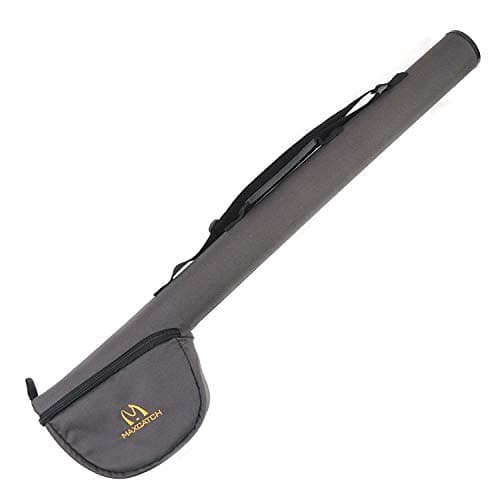
The case most anglers should own: padded, sized for a 9 foot four-piece rod, with a dedicated reel pouch so the reel is not rattling against the blank. It travels in a trunk, on a back seat and in a car-top box without a thought.
Best for: Best all-round rod and reel case9.3 - 2
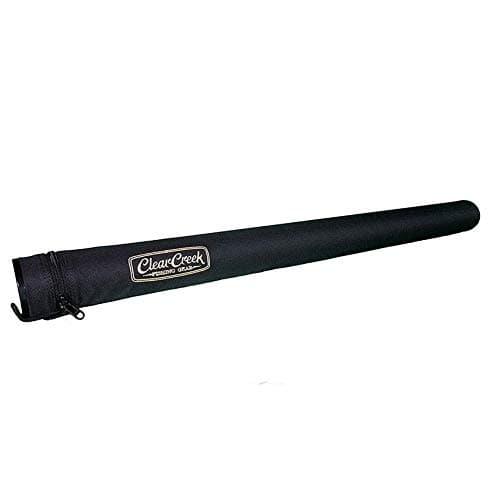
A rigid tube is the only thing that survives a baggage handler, and this is the sane-priced one. If a rod is going into a hold or under a pile of camping gear, nothing soft is good enough.
Best for: Best hard tube for flights9.2 - 3
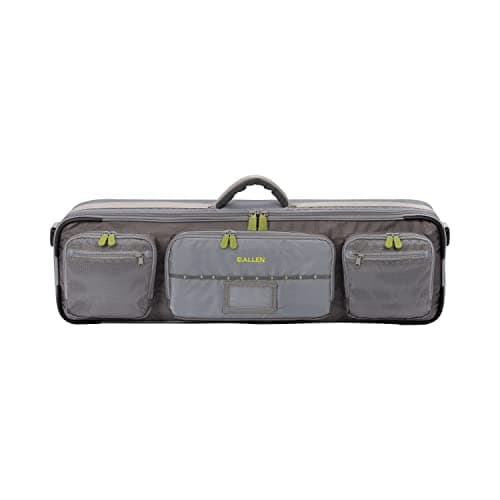
Four rod sleeves plus a gear compartment, which is the shape of an actual fishing trip: a 4 weight, a 5 weight, a spare, and the boxes, leaders and tools to go with them. One bag out of the truck and you are fishing.
Best for: Best for road trips with several rods9.1 - 4
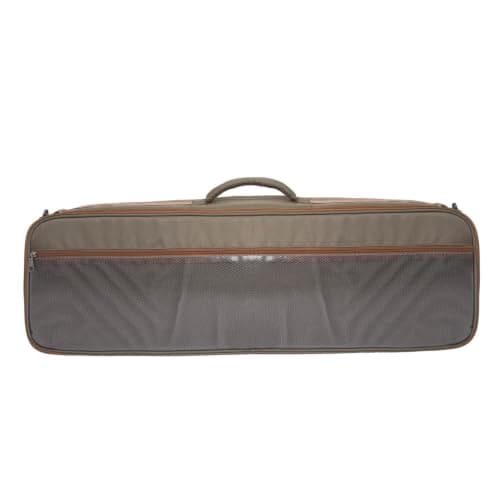
The cheaper version of the top pick, and a perfectly sensible buy if the rod inside it cost $100 rather than $1,000. Padding is thinner and the zips are plainer; it still stops the two most common forms of damage, which are knocks and grit.
Best for: Best budget rod-and-reel bag8.7 - 5
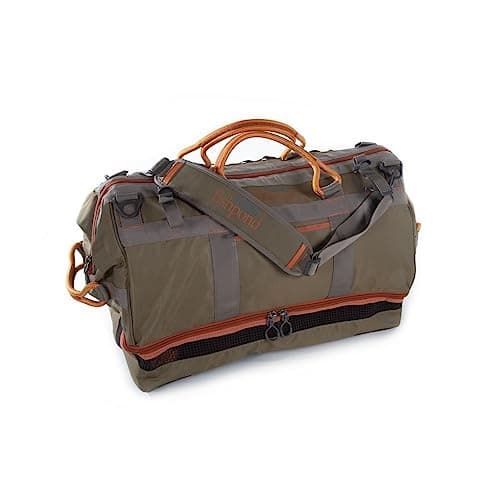
The problem nobody solves until it has ruined a hotel room: wet waders and gravel-filled boots have to travel somewhere. A dedicated wader duffel with a drainable base and a changing mat keeps the water in one place.
Best for: Best bag for wet waders and boots9.0
| # | Product | Best for | Score | Price |
|---|---|---|---|---|
| 1 | Maxcatch Fly Fishing Rod Case with Reel Pouch, 9 ft 4-Piece The case most anglers should own: padded, sized for a 9 foot four-piece rod, with a dedicated reel pouch so the reel is not rattling against the blank. It travels in a trunk, on a back seat and in a car-top box without a thought. | Best all-round rod and reel case | 9.3 | $42.95View on Amazon#ad |
| 2 | Clear Creek Fly Fishing Rod Tube, 9 ft (Four Piece) A rigid tube is the only thing that survives a baggage handler, and this is the sane-priced one. If a rod is going into a hold or under a pile of camping gear, nothing soft is good enough. | Best hard tube for flights | 9.2 | $34.95View on Amazon#ad |
| 3 | Allen Company Cottonwood Fly Fishing Rod & Gear Bag, Holds 4 Rods Four rod sleeves plus a gear compartment, which is the shape of an actual fishing trip: a 4 weight, a 5 weight, a spare, and the boxes, leaders and tools to go with them. One bag out of the truck and you are fishing. | Best for road trips with several rods | 9.1 | $130.00View on Amazon#ad |
| 4 | Kylebooker Fly Fishing Rod and Reel Travel Bag The cheaper version of the top pick, and a perfectly sensible buy if the rod inside it cost $100 rather than $1,000. Padding is thinner and the zips are plainer; it still stops the two most common forms of damage, which are knocks and grit. | Best budget rod-and-reel bag | 8.7 | $75.04View on Amazon#ad |
| 5 | Fishpond Cimarron Wader Duffel Bag The problem nobody solves until it has ruined a hotel room: wet waders and gravel-filled boots have to travel somewhere. A dedicated wader duffel with a drainable base and a changing mat keeps the water in one place. | Best bag for wet waders and boots | 9.0 | $249.95View on Amazon#ad |
For most anglers the right buy is the Maxcatch rod case with a reel pouch — one padded carry for rod and reel, under $45. If a rod is going on a plane, add the Clear Creek hard tube, because nothing soft survives a baggage hold. If you travel with several outfits, the Allen Cottonwood four-rod bag carries the lot. This page is written for the traveling angler: the test is what happens to your gear between the car and the water, not how it looks.
Which bag you actually need
Start from the trip, not the product. A day on a local creek needs a rod sock and nothing else. A week driving between streams needs a multi-rod bag and a wader duffel. A flight needs a rigid tube. Buying the wrong one is how people end up with three bags and still no protection.
| Trip type | What to carry it in | Why |
|---|---|---|
| Local day trip | Rod sock plus the maker's tube | Already in the box - nothing to buy |
| Weekend by car | Padded rod-and-reel case | Protects against knocks and grit |
| Road trip, several rods | Four-rod gear bag | One bag holds outfits and boxes |
| Flight | Rigid rod tube | Only format that survives a hold |
| Any trip with waders | Wader duffel | Keeps wet kit away from clothes |
Hard tube or padded bag
Hard tubes resist crushing; padded bags absorb knocks. Those are different problems. In a trunk, the risk is a cooler sliding onto the rod, which padding does not stop. On a back seat, the risk is a buckle scraping the blank, which padding does.
Most rods ship with a tube already. The aluminum or hard-plastic tube in the box is genuinely good protection, and the honest advice is to keep using it until a specific trip demands something else.
The upgrade worth paying for is the reel pouch. A reel loose in a bag chews the rod finish and bends guides. Keeping them separate inside one carry is the single most useful feature on this page.
Flying with a fly rod
A four-piece rod in a hard tube fits most carry-on rules, but airline policy varies and the gate agent's reading is the one that counts. Carry it on if you possibly can — a rod you can see is a rod that arrives.
If it must be checked, put the tube inside a soft bag. Bare tubes get loaded as awkward items; a tube inside a duffel, padded with clothes, gets handled like luggage. Multi-piece travel rods help here too, and the packing argument is in the backpacking fly rod roundup.
Pack tools and nippers in the checked bag, not the carry-on. Nippers and forceps are the two items most often pulled at security, and losing a zinger to a bin is an irritating way to start a trip.
The one item worth more than the bag
Label the tube with your name and number. Rod tubes are the single most commonly left-behind item in rental cars, lodges and shuttle vans, and an unmarked tube is unreturnable. A strip of tape with a phone number on it has recovered more rods than any insurance policy.
The wet-gear problem
Waders and boots never travel dry. They come off soaked, full of gravel and smelling of river, and they then sit in the same space as your clothes for three days. A dedicated duffel with a water-resistant base is the fix.
Boots need to dry or they stay wet all week. Loosen the laces fully, pull the tongues open and set them somewhere with air. Sealed in a bag they grow mildew within a day and the smell never fully leaves.
Never store waders folded on a crease for a trip. Roll them loosely from the feet up instead — a held fold becomes a permanent weak line and then a leak. More on wader care in the waders roundup.
Reels travel badly on their own. A loose reel in a duffel picks up grit in the drag housing and bends the line guard against whatever it is packed beside. Keep each reel in its neoprene pouch — they almost all ship with one — and back the drag off before it goes in the bag, because a drag left clamped for a week of travel takes a set in the washers. If you travel with spare spools, pouch those too: a spool rim dented in transit will never run true again.
How to pack a rod properly
Sock first, then tube. The cloth sock keeps sections from grinding against each other; the tube takes the impact. Both together, every time.
Tip sections go in last and come out first. They are the fragile parts, so they should sit where nothing presses on them and where you are not fishing them out past three butt sections.
Take the reel off for transport. A mounted reel is a lever on the reel seat and a hook magnet for everything in the bag. Off, pouched, back on at the water.
Dry everything before it goes away for the season. Trapped moisture in a tube lifts rod finish and corrodes reel-seat hardware. Open the tube, let it air overnight, then store it standing up.
What not to spend money on
A second soft case for a rod that already has a tube. Buy the reel pouch function, not a duplicate.
A hard case for a rod that never flies. If the rod lives in a trunk and goes to local creeks, the factory tube plus care is enough.
A big gear bag instead of a day pack. These bags are for getting gear to the water, not carrying it along the bank. For that you want a sling or a chest pack — see the sling pack roundup or the fishing backpack roundup.
For the tackle that stays in the trunk rather than on the plane. The best fishing bags covers tackle bags sized around 3600 trays, including the waterproof version for boat decks.
The picks in detail
Maxcatch Fly Fishing Rod Case with Reel Pouch, 9 ft 4-Piece
9.3/10Best for: Best all-round rod and reel case
The case most anglers should own: padded, sized for a 9 foot four-piece rod, with a dedicated reel pouch so the reel is not rattling against the blank. It travels in a trunk, on a back seat and in a car-top box without a thought.
- Fits
- 9 ft 4-piece rod
- Reel
- Separate padded pouch
- Shell
- Padded fabric
- Rod and reel in one carry
- Soft enough to pack flat when empty
- Under $45
- Not crush-proof for checked baggage
- One rod only
Clear Creek Fly Fishing Rod Tube, 9 ft (Four Piece)
9.2/10Best for: Best hard tube for flights
A rigid tube is the only thing that survives a baggage handler, and this is the sane-priced one. If a rod is going into a hold or under a pile of camping gear, nothing soft is good enough.
- Fits
- 9 ft 4-piece rod
- Construction
- Rigid tube
- Use
- Flights, rough transport
- Genuinely crush-resistant
- Light for a hard case
- Cheap insurance for an expensive rod
- Awkward shape to pack around
- No reel storage
Allen Company Cottonwood Fly Fishing Rod & Gear Bag, Holds 4 Rods
9.1/10Best for: Best for road trips with several rods
Four rod sleeves plus a gear compartment, which is the shape of an actual fishing trip: a 4 weight, a 5 weight, a spare, and the boxes, leaders and tools to go with them. One bag out of the truck and you are fishing.
- Capacity
- Up to 4 rods
- Extra
- Gear compartment
- Format
- Duffel-style rod bag
- Carries the whole outfit set
- Padded rod sleeves
- Heavy-duty fabric
- Too large for a day trip
- Not rigid - still pack carefully
Kylebooker Fly Fishing Rod and Reel Travel Bag
8.7/10Best for: Best budget rod-and-reel bag
The cheaper version of the top pick, and a perfectly sensible buy if the rod inside it cost $100 rather than $1,000. Padding is thinner and the zips are plainer; it still stops the two most common forms of damage, which are knocks and grit.
- Fits
- Rod plus reel
- Shell
- Padded fabric
- Carry
- Handle and strap
- Cheapest workable rod-and-reel bag
- Light
- Shoulder strap included
- Thinner padding
- Zips are the weak point
Fishpond Cimarron Wader Duffel Bag
9.0/10Best for: Best bag for wet waders and boots
The problem nobody solves until it has ruined a hotel room: wet waders and gravel-filled boots have to travel somewhere. A dedicated wader duffel with a drainable base and a changing mat keeps the water in one place.
- Holds
- Waders, boots, layers
- Base
- Drainable / water-resistant
- Extra
- Doubles as a changing mat
- Keeps wet kit away from everything else
- Stands up for changing on gravel
- Hard-wearing fabric
- The most expensive bag here
- No rod storage
Prices shown are from Amazon as of October 20, 2026 and change often — the button always goes to the current listing. Some links may earn us a commission at no extra cost to you. How this works.
Frequently asked questions
Do I need a fly rod travel case if my rod came with a tube?
Not for local trips. The factory tube plus the cloth sock is real protection. A travel case is worth buying when you want rod and reel in one carry, when several rods travel together, or when a rod is going into a baggage hold - which needs a rigid tube rather than a padded bag.
Can you take a fly rod on a plane as carry-on?
A four-piece rod in a hard tube usually fits carry-on size limits, but airline policy varies and the gate agent's decision is final. Carry it on if you can. If it must be checked, put the tube inside a soft duffel padded with clothes so it is handled as luggage rather than as an awkward item.
What is the difference between a rod tube and a rod bag?
A rigid tube resists crushing, which is what baggage holds and loaded car trunks do. A padded bag absorbs knocks and scrapes, which is what back seats and hotel doorways do. A bag with a separate reel pouch also stops the reel chewing the rod finish, which is the most common travel damage.
How should I pack wet waders for travel?
In a dedicated wader duffel with a water-resistant base, separate from clothing. Roll waders loosely from the feet up rather than folding them on a crease, open boot tongues and loosen laces so they can dry, and never seal wet kit in a bag for more than a day or it will grow mildew.
Sources
Keep reading
Not sure where to start?
The beginner gear guide walks you through exactly what a new stream angler needs — the six essentials first, nice-to-haves later, with one safe-default pick per category.