Flies & Lures
Flies & Creek Lures for Stream Trout
The end of your line is the cheapest part of the kit and the part that decides whether you catch anything. A dozen patterns covers almost every creek day in America.
Disclosure: Creek Cover is reader-supported. If you buy through our links we may earn a commission, at no extra cost to you. It never changes which pick we tell a new angler to start with. Full disclosure.
Tackle shops make their margin on the wall of flies, and it is the easiest place in this sport to spend two hundred dollars on things you will never tie on. The truth is unglamorous: a small number of patterns, in a couple of sizes, catches the overwhelming majority of creek trout in North America. What matters far more than pattern is size, depth and whether your drift looks natural.
If you are fishing spinning gear, start with the best creek fishing lures. If you are fishing a fly rod, start with the best trout flies for beginners. And if you are genuinely unsure which approach suits your water, the fly rod vs spinning rod comparison is the honest version of that argument.
Hardware: three lure types cover a creek
The inline spinner is the king of creek lures, and it is not close. A 1/16 or 1/8 ounce spinner cast upstream and retrieved just faster than the current puts flash and vibration in front of a trout that cannot resist investigating. It fishes at any depth, works in colored water, and a trout that misses it will often come back. If you buy one thing to fish a creek with, buy a handful of small spinners in silver, gold and a dark pattern.
Small minnow plugs — the 1 to 2 inch sinking or floating minnow — imitate the baitfish and small trout that bigger stream trout actually eat. They shine in the deeper pools and undercut banks where the larger fish in a creek live, and they are the best way to target a specific good fish rather than cover water.
Soft plastics and micro jigs are the quiet, deadly option when the water is cold, low and clear and the fish will not chase. A tiny grub on a 1/64 ounce head, drifted naturally through a pool, catches trout that have ignored everything with a blade on it.
Flies: the honest short list
You can fish creeks all season with three categories. Nymphs— a bead-head Hare’s Ear and a Pheasant Tail in sizes 14 to 18 — are what trout eat most of the time, because insects spend most of their lives underwater. Dry flies — an Elk Hair Caddis, a Parachute Adams and a small attractor in 14 to 18 — are how you fish the surface, and on a small stream dry-fly fishing is frequently the easiest way to catch, because creek trout are opportunists looking up. Streamers — the Woolly Bugger in olive or black, size 8 to 12 — imitate anything swimming and will take the biggest fish in a creek.
That is six patterns. An assortment box is the efficient way to get them, and a sensible assortment of reasonable hooks genuinely does the job on wild creek fish; this is not the place to spend money first. Where cheap assortments fail is hook quality on larger patterns and the inevitable duplication of flies nobody uses, which is why pairing an assortment with a handful of specifically chosen patterns is the sensible route.
Size, depth and drift beat pattern choice
Go smaller than you think.The most common correction an experienced angler makes to a beginner’s box is dropping two hook sizes. Creek insects are small, and a size 18 nymph will out-fish a size 12 on most days of the year.
Get to the right depth. Trout hold low and feed in the bottom third of the water column far more than at the surface. If you are not occasionally ticking the streambed with a nymph, you are fishing above the fish — add weight rather than changing fly.
Drag kills more drifts than pattern ever will. A fly or lure that is being pulled unnaturally across the current by your line is a fly trout ignore. Short casts, a high rod tip and a willingness to get closer to the fish — which small water lets you do — solve this better than anything you can buy.
Keep the whole lot in a waterproof box in a sling pack or vest, and if you are assembling a first kit from scratch the beginner gear guide lists what goes in it and in what order to buy.
Two pages added to this hub since launch: the best fly tying vises if you are moving from buying flies to tying them, and trout fishing gifts if you are buying this kind of tackle for somebody else.
Added to this hub on 2026-10-13: two species-specific lists — flies for brook trout and flies for rainbow trout, which need genuinely different boxes — plus the best cheap flies for anyone working out what the budget assortments actually cost per fish.
Added to this hub on 2026-10-13: the best nymphs for trout — the subsurface half of the box, and the flies that catch creek fish on the many days when nothing is rising.
Added to this hub on 2026-10-17: the best dry flies for trout, the surface half of the same box; the best streamers for trout for the days you want the biggest fish in the pool rather than the most; and the best trout spinners for anyone fishing a creek with a spinning rod instead.
Newest in this hub: the best summer trout flies, built around the terrestrials that creek trout eat once the hatches go quiet; what size flies to use for trout, which decodes hook numbering and names the sizes worth owning; and flies vs lures for creek trout — the honest comparison for anyone deciding which kind of tackle to buy first.
Explore Flies & Lures
The Best Trout Lures for Rivers, Creeks and Streams
Trout lures for rivers, creeks and streams ranked, with the 1/16 oz inline spinner as the clear winner. Five picks from $4.69, which colors to carry, and how to fish each one in moving water.
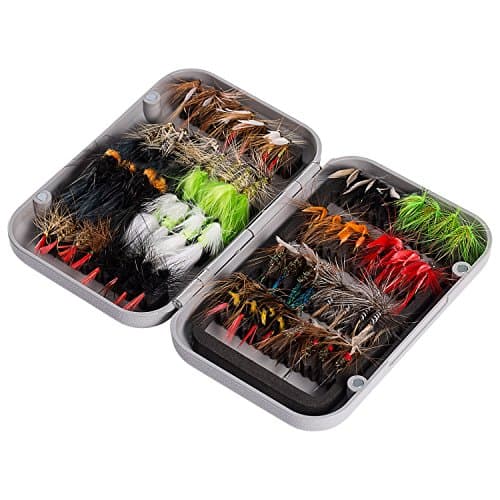
The Best Flies for Trout
Trout fly assortments ranked for beginners, from a $8 starter box to a $75 hand-tied set. The six patterns that genuinely cover a creek season, and why dropping two hook sizes beats buying more patterns.
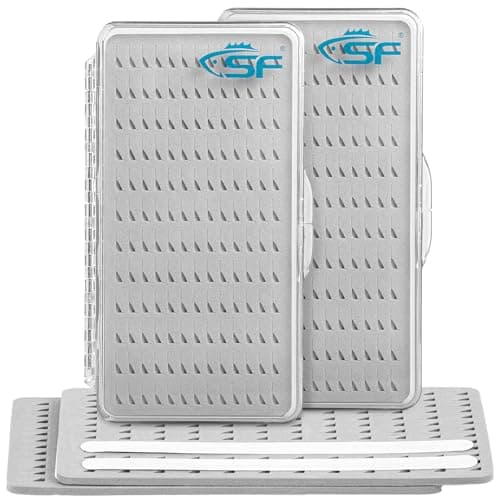
The Best Fly Boxes
Fly boxes ranked for creek fishing. Five picks from $7 to $16, slit foam versus swing leaf, why waterproof genuinely matters, and the drying habit that doubles how long your flies last.
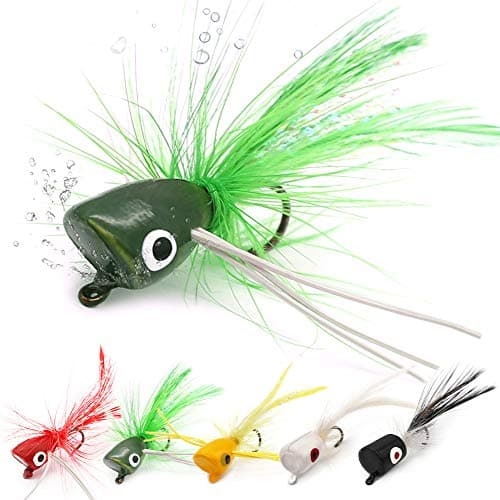
The Best Flies for Bluegill and Panfish
Five bluegill and panfish fly picks ranked from $6.49: foam popper kits, a dry and nymph assortment and Woolly Buggers. What size to fish, why poppers dominate, and why this is the best way to learn fly casting.
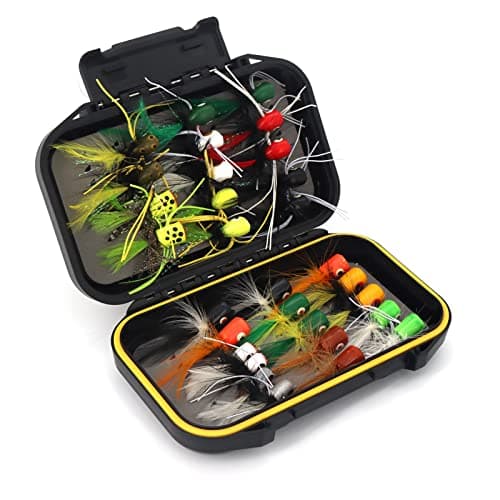
The Best Flies for Bass
Five bass fly picks ranked: popper assortments, Clouser minnows, crayfish patterns and Woolly Buggers. Which work for smallmouth in creeks and small rivers, and which are for largemouth ponds.
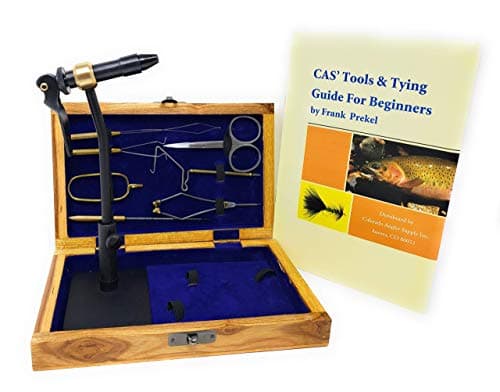
The Best Fly Tying Kit for Beginners
Five fly tying kits for beginners ranked, from a $41 tool kit to a $100 vise kit. What a vise must do, which flies to tie first, and the honest answer on whether tying saves money.
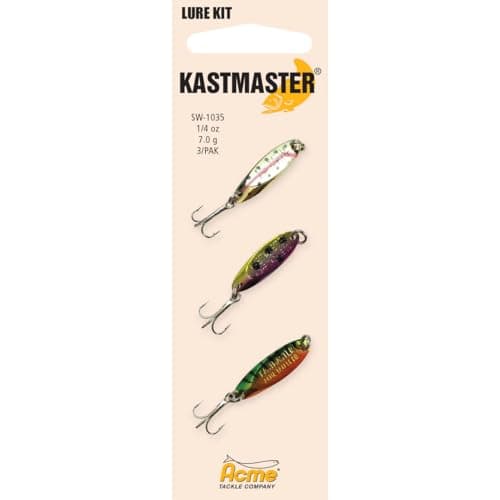
The Best Trout Lures for Lakes and Ponds
Six trout lures for lakes and ponds, ranked: casting spoons for distance, needlefish for trolling, a floating minnow, a budget spoon assortment and micro jigs for stocked ponds. Plus how deep to fish each season.
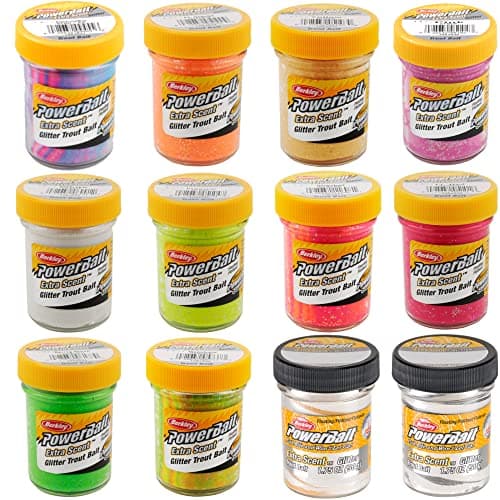
The Best Trout Bait
Six trout baits ranked: dough baits, salmon eggs, nibbles, nuggets, mice tails and artificial nightcrawlers. Which works on stocked versus wild trout, how to rig each, and how to keep fish releasable.
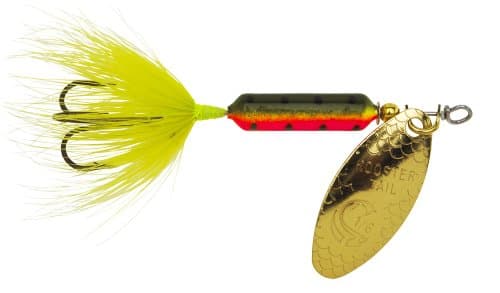
The Best Trout Lures
The six trout lures that cover every water type: inline spinners, casting spoons, sinking minnow plugs, soft-plastic trout worms, micro-jigs and a starter spinner kit. What to use when, and the sizes that actually matter.
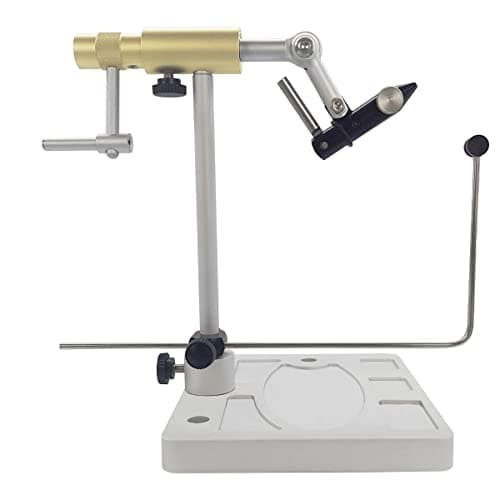
The Best Fly Tying Vises
Fly tying vises ranked from $40 to $240. True rotary versus fixed, C-clamp versus pedestal, what jaw range matters for small trout hooks, and the best budget and beginner picks.
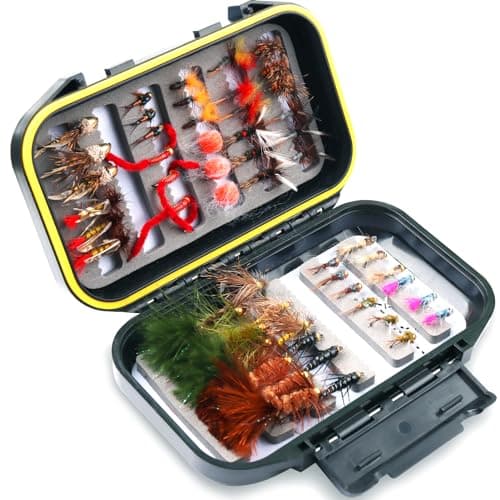
The Best Flies for Rainbow Trout
Flies for rainbow trout ranked: nymph-heavy assortments, the egg and San Juan worm patterns that work on stocked fish, and the five-fly box that covers wild and stocked rainbows through the season.
The Best Flies for Brook Trout
Flies for brook trout on small creeks: five assortments and patterns ranked, why brookies are the least selective trout, and the five-pattern box that covers a whole headwater season.
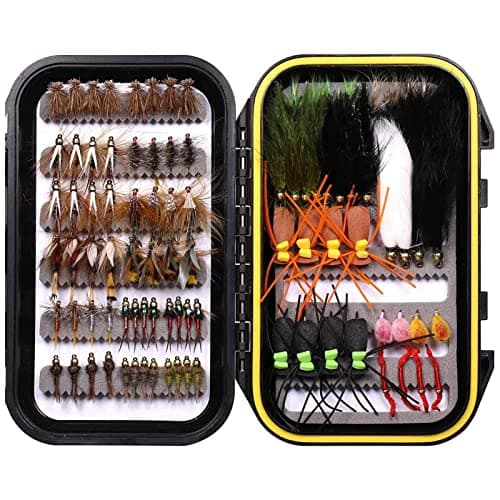
The Best Cheap Flies for Fly Fishing
Cheap flies for fly fishing ranked by cost per fly: six budget assortments and patterns from under $0.20 each. What assortment-grade flies give up, which patterns survive it, and when to pay for hand-tied.
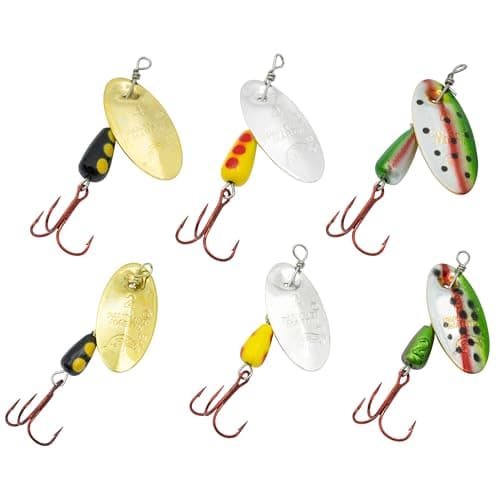
The Best Lures for Rainbow Trout
What lures to use for rainbow trout: five real lures - inline spinners, small spoons and a soft-plastic grub - with the sizes and colors that work on stocked and wild rainbows in small streams.
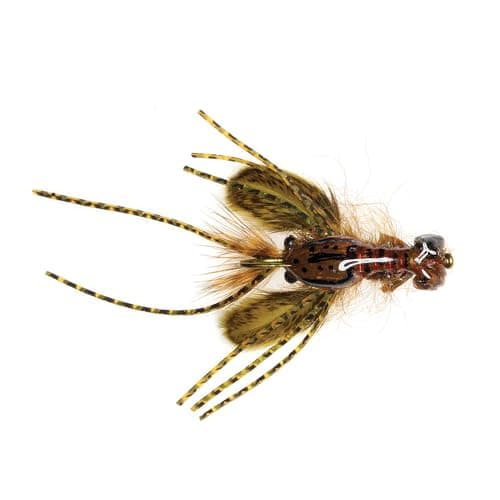
The Best Flies for Carp
Four flies that actually catch carp - a crayfish, a Woolly Bugger, a nymph assortment and a small Clouser - plus why presentation beats pattern and how to fish each one to a feeding fish.
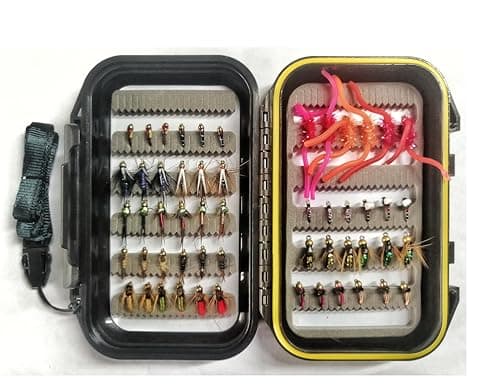
The Best Nymphs for Trout
Nymph patterns for creek and stream trout: five assortments ranked, why a bead head out-fishes a dry fly most of the year, and the sizes that decide whether the fly gets eaten.
The Best Trout Spinners for Streams
Inline spinners for creek and stream trout: Rooster Tail and Panther Martin compared, the weight to match each pool, spinner versus spoon, and how to fish a blade in small water.
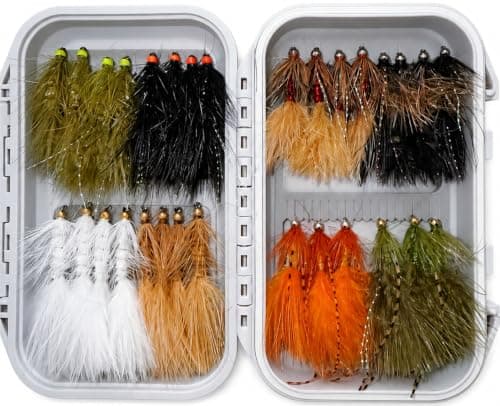
The Best Streamers for Trout
Streamers for creek and stream trout: the Woolly Bugger case, baitfish and crayfish patterns, sizes and colors for small water, and how to fish a streamer in twenty feet of room.
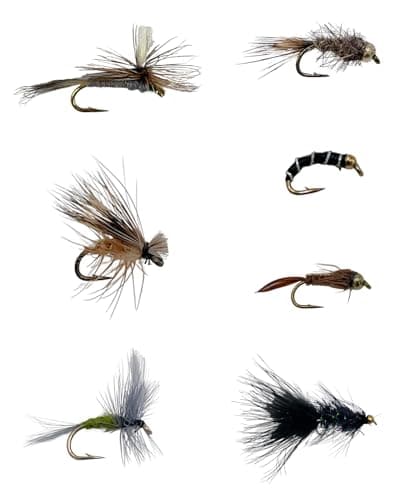
The Best Dry Flies for Trout
Dry flies for creek and stream trout: the five patterns that matter, the assortments with the best dry content, and why hackle quality is the one fly upgrade worth paying for.
Flies vs Lures for Creek Trout
Flies or lures for creek trout, compared on cover, clarity, cost, learning curve and release survival - plus the five cheapest ways to try each side on a small stream.
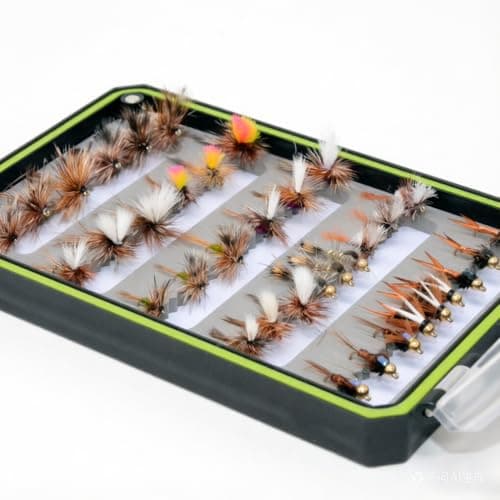
What Size Flies to Use for Trout
Fly sizes for trout, explained: why hook numbers run backwards, the sizes to carry for dries, nymphs, streamers and midges, and which size to change to when a fish refuses.
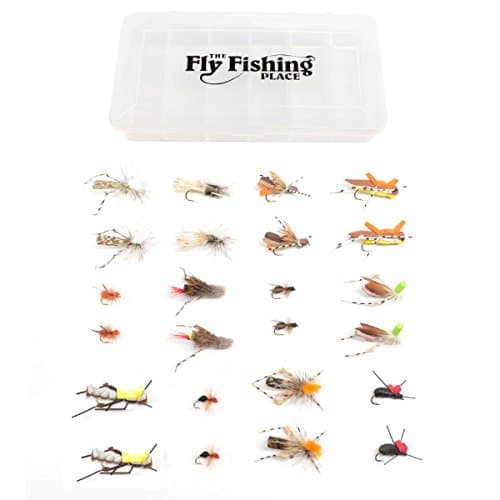
The Best Summer Trout Flies
Summer trout flies for creeks and small streams: terrestrials first, attractor dries for pocket water, small nymphs for the heat of the day, and five real boxes compared.
Frequently asked questions
What is the best lure for creek trout?
A small inline spinner in 1/16 or 1/8 ounce. Cast slightly upstream and retrieved just faster than the current, it produces flash and vibration that trout investigate at any depth, and it works in both clear and colored water. Carry silver, gold and one dark finish and you have covered most creek conditions.
What flies do I need to start fly fishing a small stream?
Six patterns will cover almost every day: a bead-head Hare's Ear and a Pheasant Tail nymph in sizes 14 to 18, an Elk Hair Caddis and a Parachute Adams dry fly in the same sizes, and a Woolly Bugger streamer in olive and black, size 8 to 12. Buying a reasonable assortment box is the cheapest way to get there.
How many flies do I actually need?
Far fewer than a tackle wall suggests. A box of 30 to 60 flies covering nymphs, dries and a couple of streamers in small sizes will fish a whole season of creeks. Depth, size and a drag-free drift matter much more than having the exact pattern, so breadth of sizes beats breadth of patterns.
Are cheap fly assortments any good?
For creek trout, yes, with one caveat. Wild stream fish are not fussy about tying quality, and a budget assortment gets you the sizes and categories you need for very little. The weak point is hook quality on bigger patterns and a lot of duplicated flies you will never use, so pair an assortment with a few deliberately chosen patterns.
Not sure where to start?
The beginner gear guide walks you through exactly what a new stream angler needs — the six essentials first, nice-to-haves later, with one safe-default pick per category.