Guides · Start Here
Fly Fishing Gear for Beginners: The Complete First Kit
Six things get you fishing. The industry would like you to believe it is thirty. Here is the honest list, in the order you should buy it, with one pick for each.
Disclosure: Creek Cover is reader-supported. If you buy through our links we may earn a commission, at no extra cost to you. It never changes which pick we tell a new angler to start with. Full disclosure.
Quick picks at a glance
Tap a pick to read the full write-up, or the price button to check it on Amazon.
- 1
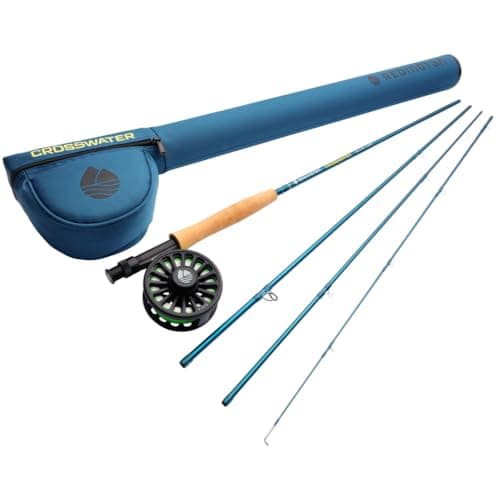
Solves the three decisions that matter in a single purchase, and the included Rio Mainstream line is the part that makes it worth more than cheaper kits. Nothing in the box needs replacing.
Best for: Step 1 — rod, reel and line in one box9.3 - 2
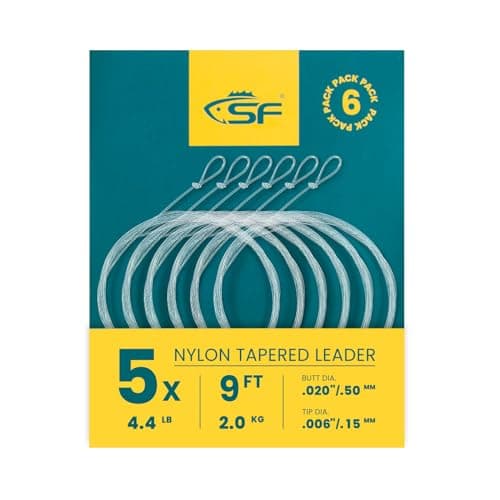
A 9-foot 5X tapered leader is the universal trout starting point. Costs less than a coffee, and without one you physically cannot fish — the fly line is far too thick to tie a fly to.
Best for: Step 2 — the leader that connects line to fly9.0 - 3
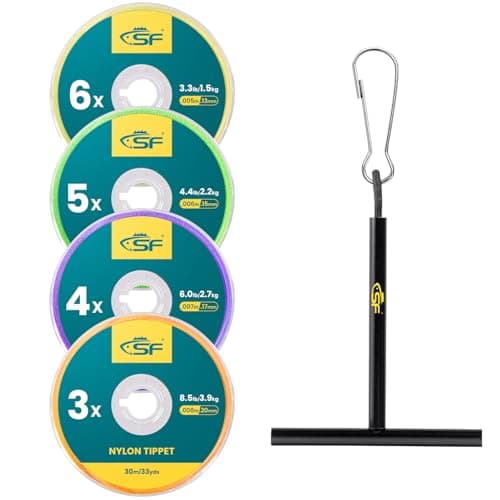
Every fly change shortens your leader. Tippet is the thin line you add back on, and without it a $7 leader becomes useless after a dozen flies. Buy 5X as your main and 6X for clear water.
Best for: Step 3 — rebuilding the leader as you fish9.1 - 4
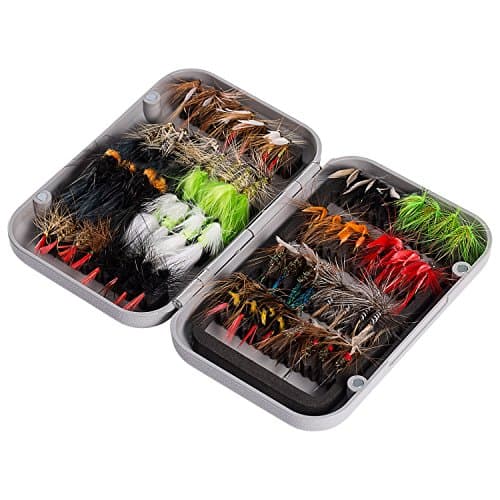
Dries, nymphs and streamers across useful sizes, with the box included. Wild creek trout are not fussy about tying quality, so this is genuinely enough for a full first season.
Best for: Step 4 — flies and a box, in one9.1 - 5
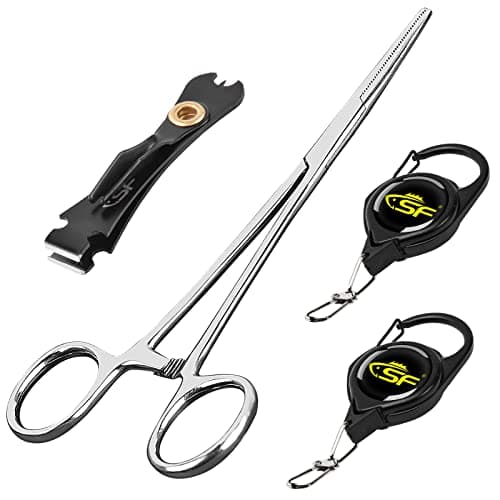
Nippers to cut line, forceps to unhook fish, and a retractor to keep both on your chest instead of in a bag. Under ten dollars, and it changes the rhythm of an entire fishing day.
Best for: Step 5 — the three tools you use constantly9.2 - 6
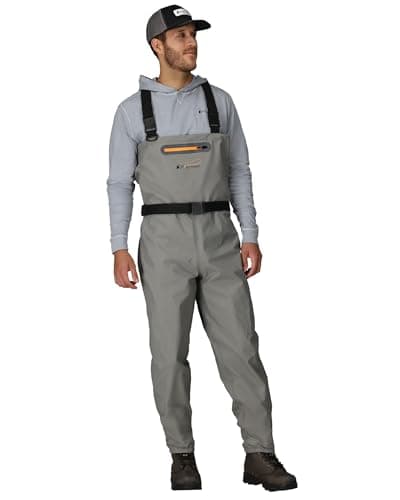
The one item you can genuinely defer. In warm months, wade wet in quick-dry trousers and old trainers. When the water turns cold, breathable stockingfoot chest waders are the answer.
Best for: Step 6 — waders, once it gets cold8.7
| # | Product | Best for | Score | Price |
|---|---|---|---|---|
| 1 | Redington Crosswater Fly Fishing Outfit, 9' 5WT Solves the three decisions that matter in a single purchase, and the included Rio Mainstream line is the part that makes it worth more than cheaper kits. Nothing in the box needs replacing. | Step 1 — rod, reel and line in one box | 9.3 | $229.99View on Amazon#ad |
| 2 | SF Fly Fishing Tapered Leader, 9FT 5X A 9-foot 5X tapered leader is the universal trout starting point. Costs less than a coffee, and without one you physically cannot fish — the fly line is far too thick to tie a fly to. | Step 2 — the leader that connects line to fly | 9.0 | $7.99View on Amazon#ad |
| 3 | SF Nylon Fly Fishing Tippet, 3X-6X 30m Spools Every fly change shortens your leader. Tippet is the thin line you add back on, and without it a $7 leader becomes useless after a dozen flies. Buy 5X as your main and 6X for clear water. | Step 3 — rebuilding the leader as you fish | 9.1 | $9.99View on Amazon#ad |
| 4 | BASSDASH 64-Piece Fly Fishing Flies Kit with Fly Box Dries, nymphs and streamers across useful sizes, with the box included. Wild creek trout are not fussy about tying quality, so this is genuinely enough for a full first season. | Step 4 — flies and a box, in one | 9.1 | $19.98View on Amazon#ad |
| 5 | SF Fly Fishing Tools Kit: Nipper, Zinger & Forceps Nippers to cut line, forceps to unhook fish, and a retractor to keep both on your chest instead of in a bag. Under ten dollars, and it changes the rhythm of an entire fishing day. | Step 5 — the three tools you use constantly | 9.2 | $9.99View on Amazon#ad |
| 6 | Frogg Toggs Canyon II Breathable Stockingfoot Chest Wader The one item you can genuinely defer. In warm months, wade wet in quick-dry trousers and old trainers. When the water turns cold, breathable stockingfoot chest waders are the answer. | Step 6 — waders, once it gets cold | 8.7 | $99.99View on Amazon#ad |
You need six things to fly fish a creek: a rod, reel and line (sold together as an outfit), a tapered leader, a spool of tippet, a box of flies, nippers and forceps, and something to stand in the water in — which in warm months is old trainers. That is the complete list. Every one of our picks above corresponds to one item on it, in buying order.
The reason this page exists is that fly fishing has a reputation for being expensive and complicated, and the reputation is largely manufactured. A setup that genuinely catches trout costs about what a decent pair of boots does. What follows is what each item does, why you need it, and the much longer list of things you do not. The line-by-line budget, with three complete starting totals, is in how much fly fishing costs.
The six things you actually need
| # | Item | What it does | Can you defer it? |
|---|---|---|---|
| 1 | Rod, reel & line (an outfit) | Casts the fly — the line's weight is what loads the rod | No |
| 2 | Tapered leader, 9ft 5X | Connects thick fly line to a tiny fly, invisibly | No |
| 3 | Tippet spool, 5X | Rebuilds the leader as flies are cut off | One trip, at most |
| 4 | Flies + a box | The thing the fish eats | No |
| 5 | Nippers & forceps | Cut line; unhook fish quickly | No — and they cost almost nothing |
| 6 | Waders & boots | Stand in cold water | Yes — wade wet in summer |
That is it. No vest, no net, no indicators, no floatant, no second rod. All of those are improvements and several are genuinely worth buying later — but none of them stands between you and your first trout.
Buy in this order
The most expensive beginner mistake is sequence, not product choice. People buy a premium rod and then discover they have no way to attach a fly to it, or buy a wall of flies before they own a leader.
First, the outfit. Rod, reel and line matched in one box. Everything else depends on what you are casting, and buying them matched removes the error beginners actually make — pairing a rod with the wrong line weight. Our top pick is the version where the line is good enough to keep; the outfits guide covers cheaper options, and the beginner rod roundup covers buying the rod separately.
Second, leader, tippet and flies. Together these cost less than a restaurant meal and they are what turn an outfit into a fishing system. Buy a 9ft 5X leader, a spool of 5X tippet, and an assortment box — details in the beginner flies guide.
Third, nippers and forceps. Under ten dollars and the best value purchase in the sport. You cut line dozens of times a day, and forceps let you unhook a trout in two seconds without touching it.
Fourth, waders and boots — and only when the water is cold enough to need them. See the waders roundup and the sizing guide, because sizing is why most wader purchases get returned.
Fifth, a pack and a net. A sling pack and a rubber-mesh net. The net matters for the fish rather than for you, which is a good reason to buy it sooner than the pack.
The jargon, defined once
Weight (as in 5-weight).Not how heavy the rod is — the mass of fly line the rod is built to cast, on a 1–15 scale. The rod and line must match. 5-weight is the all-purpose trout answer; 3-weight is nicer on small creeks. See 4wt vs 5wt.
Why fly casting is different.In spinning, the lure’s weight pulls line off the reel. In fly fishing the fly weighs nothing, so the line’s own weight is what you cast, and the fly just goes along for the ride. That one fact explains the whole rest of the equipment list.
WF-F. Weight-forward floating — a line with its mass concentrated near the front, which floats. The right line for creek trout, and what any sensible outfit includes.
Leader and tippet. The fly line is thick and highly visible, so you cannot tie a fly to it. The leader is a clear, tapered length that steps down from thick to fine; tippetis spooled line of a single fine diameter that you add to the leader’s end as it gets shortened by fly changes.
X ratings. Leader and tippet thickness, where a higher number is thinner: 3X is thick, 6X is fine. Rough rule — divide your hook size by three. Size 18 fly wants 6X; size 14 wants 5X. Carry 5X and it covers most creek fishing.
Dry fly, nymph, streamer. A dry floats on the surface; a nymph sinks and imitates an underwater insect; a streamer imitates a small fish and is retrieved. Trout eat underwater most of the time, so nymphs catch the most fish — but dries are more fun and work well on creeks.
The two knots you need
Get a license first
You need a fishing license on essentially all public water, including small creeks. A resident annual freshwater license is typically $20–$50 and takes about five minutes to buy online from your state wildlife agency. Fishing without one carries real penalties, and the money funds the stream access and habitat work you are about to benefit from.
While you are on the agency site, check the regulations for your specific water. These vary enormously and they genuinely matter: open and closed seasons, bait and tackle restrictions, special-regulation or catch-and-release-only stretches, size and bag limits, and whether felt-soled boots are legal in your state — several have banned them to slow invasive species. The same agency usually publishes access maps, which are the best free resource for finding water.
What to skip (the long list)
A second rod. Until the first one has shown you what it cannot do, you have no basis for choosing the next.
An expensive reel. On creek trout the reel is a line holder — you land fish by stripping line in by hand, not by reeling. Our reel guide explains when that changes.
Sinking and sink-tip lines, Euro-nymphing rigs, switch rods. All solve problems you have not met.
A vest full of gadgets. Strike indicators and floatant are worth adding after a trip or two; the other forty items in a tackle shop are not.
Wading boots, in summer. Quick-dry trousers and old trainers with decent tread work fine in warm water, and they are cooler and lighter. Do wear something — a rocky streambed barefoot or in sandals is how people cut feet and roll ankles.
Anything saltwater-rated. You are fishing a creek.
And polarized sunglasses — but only from us. They are genuinely one of the most valuable things you can own: they let you see fish, read structure and watch your footing, and they protect your eyes from a badly timed cast. We do not cover eyewear here; our sister site Polarized Club handles fishing sunglasses properly.
Your first trip
Spend an hour on grass first. Take the rod to a park with just the leader on and a tuft of yarn tied to the end. Watch the line. Fly casting is a timing skill, and learning it where you can see what is happening is several times faster than learning it on a creek while also managing current, branches and your footing. This single hour is the highest-return thing you will do.
Then fish upstream. Trout face into the current, so moving upstream puts you behind them, out of their field of view. Walking downstream pushes a bow wave of alarm ahead of you and you will catch a fraction as much. Stay low, keep your silhouette off the skyline, and accept that approach matters more than casting on small water.
Fish the small spots. Not the middle of the pool — the pocket behind one boulder, the seam where fast water meets slow, the head of a pool where food washes in, the shade under one branch, the depth of an undercut bank. Two or three casts into each, then move on. If a creek trout wants it, it takes early.
Start with a nymph. Trout feed underwater most of the time. Tie on a bead-head nymph, drift it through the likely spots, and watch where your line enters the water — if it pauses or hesitates, set the hook. If you see fish rising, switch to a dry fly and enjoy yourself.
Handle fish like they matter, because on creeks they do. Wild populations are small and local. Pinch your barbs down, wet your hands, keep the fish in the water, use a rubber net, and release it facing upstream until it swims off on its own.
The cheaper alternative
One last honest point. If your creek is brush-choked with no room for a backcast, or if your budget is tight, or if you want to catch a trout in your first hour rather than your third trip, an ultralight spinning setup is the better starting point and it costs roughly half as much.
A short ultralight rod, a 1000-size reel, 4 lb monofilament and a handful of 1/16 oz inline spinners will catch creek trout immediately, and the stream-reading skills you learn transfer completely to fly fishing later. There is no snobbery worth defending here — the comparison is laid out properly in fly rod vs spinning rod for trout. Plenty of people fish both and choose by the day.
Three pages to read alongside this one. If you are buying spinning tackle rather than fly gear, the equivalent list is beginner fishing supplies, and the rods are covered in the best fishing rods for beginners. And whichever route you take, the single highest-return purchase on this whole list is the one nobody mentions — see the best fly line.
Three pages added since this guide that answer the questions it raises: the fly fishing starter kit guide on which matched kit to buy and what the cheap sets leave out, how to tie tippet to leader on the join that stops most beginners, and fishing gift ideas if somebody is buying your first kit for you.
When the gear arrives, there is one more job before you fish. Assembling the rod, loading the reel the right way round and attaching leader and tippet is a twenty-minute sequence, and it is written out step by step in how to set up a fly rod.
Two companion pages finish the kit. The small items that decide whether a day runs smoothly — nippers, tippet, leaders, a net — are in buying order in the fly fishing accessories guide. And if you would rather choose by maker, the fly fishing brand guide says which company is best at which category.
Two more things to read before you spend anything. How to choose a fly rod works through the four decisions that decide whether a rod suits your water, and the best fly fishing books for beginners lists the six books worth owning, in the order to read them.
The picks in detail
Redington Crosswater Fly Fishing Outfit, 9' 5WT
9.3/10Best for: Step 1 — rod, reel and line in one box
Solves the three decisions that matter in a single purchase, and the included Rio Mainstream line is the part that makes it worth more than cheaper kits. Nothing in the box needs replacing.
- Rod
- 9'0" 5WT, 4-piece
- Reel
- Redington Crosswater
- Line
- Rio Mainstream WF5F
- Case
- Zippered travel case
- Rod, reel and quality line already matched
- Nothing in the box is a weak link
- Brand warranty and repair path
- The largest single cost in the kit
- Also sold in 8WT — order the 5
SF Fly Fishing Tapered Leader, 9FT 5X
9.0/10Best for: Step 2 — the leader that connects line to fly
A 9-foot 5X tapered leader is the universal trout starting point. Costs less than a coffee, and without one you physically cannot fish — the fly line is far too thick to tie a fly to.
- Length
- 9 ft
- Tippet rating
- 5X
- Loop
- Hand-tied, pre-looped
- Best for
- General trout fishing
- Pre-tied loop connects to the fly line in seconds
- 9ft 5X suits almost all creek flies
- Cheap enough to carry a spare
- Gets shorter every time you change flies
- Nylon, so it degrades in sunlight
SF Nylon Fly Fishing Tippet, 3X-6X 30m Spools
9.1/10Best for: Step 3 — rebuilding the leader as you fish
Every fly change shortens your leader. Tippet is the thin line you add back on, and without it a $7 leader becomes useless after a dozen flies. Buy 5X as your main and 6X for clear water.
- Sizes
- 3X, 4X, 5X, 6X
- Length
- 30 m per spool
- Material
- Nylon monofilament
- Multiple sizes covers every creek fly
- 30m lasts a long time
- Far cheaper than replacing leaders
- Needs a knot you must learn
- Replace spools each season
BASSDASH 64-Piece Fly Fishing Flies Kit with Fly Box
9.1/10Best for: Step 4 — flies and a box, in one
Dries, nymphs and streamers across useful sizes, with the box included. Wild creek trout are not fussy about tying quality, so this is genuinely enough for a full first season.
- Count
- 64 flies
- Types
- Dry, wet, nymph, streamer
- Box
- Included
- Covers all three categories you need
- Box included
- Cheap enough that losing flies is fine
- Adequate rather than premium hooks
- Some patterns you will never use
SF Fly Fishing Tools Kit: Nipper, Zinger & Forceps
9.2/10Best for: Step 5 — the three tools you use constantly
Nippers to cut line, forceps to unhook fish, and a retractor to keep both on your chest instead of in a bag. Under ten dollars, and it changes the rhythm of an entire fishing day.
- Includes
- Nipper, zinger retractor, forceps
- Mounting
- Clips to pack or shirt
- Best for
- Every fly angler, immediately
- All three essential tools in one cheap purchase
- Retractor keeps them reachable one-handed
- Forceps let you unhook without touching the fish
- Basic build quality
- Nipper blades dull over a season or two
Frogg Toggs Canyon II Breathable Stockingfoot Chest Wader
8.7/10Best for: Step 6 — waders, once it gets cold
The one item you can genuinely defer. In warm months, wade wet in quick-dry trousers and old trainers. When the water turns cold, breathable stockingfoot chest waders are the answer.
- Construction
- Breathable, waterproof
- Height
- Chest
- Foot
- Stockingfoot — boots sold separately
- Breathable, so one pair covers most of the year
- Cheapest sensible breathable chest wader
- Layer underneath for cold water
- Boots are an additional purchase
- Entirely skippable in summer
Prices shown are from Amazon as of October 20, 2026 and change often — the button always goes to the current listing. Some links may earn us a commission at no extra cost to you. How this works.
Frequently asked questions
What gear do I need to start fly fishing?
Six things: a fly rod, reel and line (buy them as a matched outfit), a 9-foot 5X tapered leader, a spool of 5X tippet, a small assortment of flies, nippers and forceps, and something to stand in the water in. In warm months the last item is old trainers, so it costs nothing.
How much does it cost to start fly fishing?
A complete working setup can be assembled for a few hundred dollars, with the rod-reel-line outfit as the main cost and everything else adding up to less than a restaurant meal. A resident annual fishing license is typically $20 to $50. An ultralight spinning alternative costs roughly half as much.
What should I buy first for fly fishing?
A matched rod, reel and line outfit, because every other choice depends on what you are casting and buying them matched prevents the most common beginner error. Then leader, tippet and flies; then nippers and forceps; then waders and boots when the water turns cold; then a pack and net.
Do I need waders to start fly fishing?
Not in warm weather. Wading wet in quick-dry trousers and old trainers with decent tread is cooler, lighter and cheaper, and plenty of experienced anglers fish small creeks that way all summer. Buy breathable chest waders when the water gets cold enough to cut your trips short.
What knots do I need to know for fly fishing?
Two. A clinch or improved clinch knot ties the fly to the tippet, which you will do dozens of times a day. A surgeon's knot or blood knot joins tippet to leader. Learn both at a table with dry hands and good light before your first trip rather than on a cold riverbank.
Sources
Keep reading
Not sure where to start?
The beginner gear guide walks you through exactly what a new stream angler needs — the six essentials first, nice-to-haves later, with one safe-default pick per category.