Waders · Roundup
The Best Fishing Waders
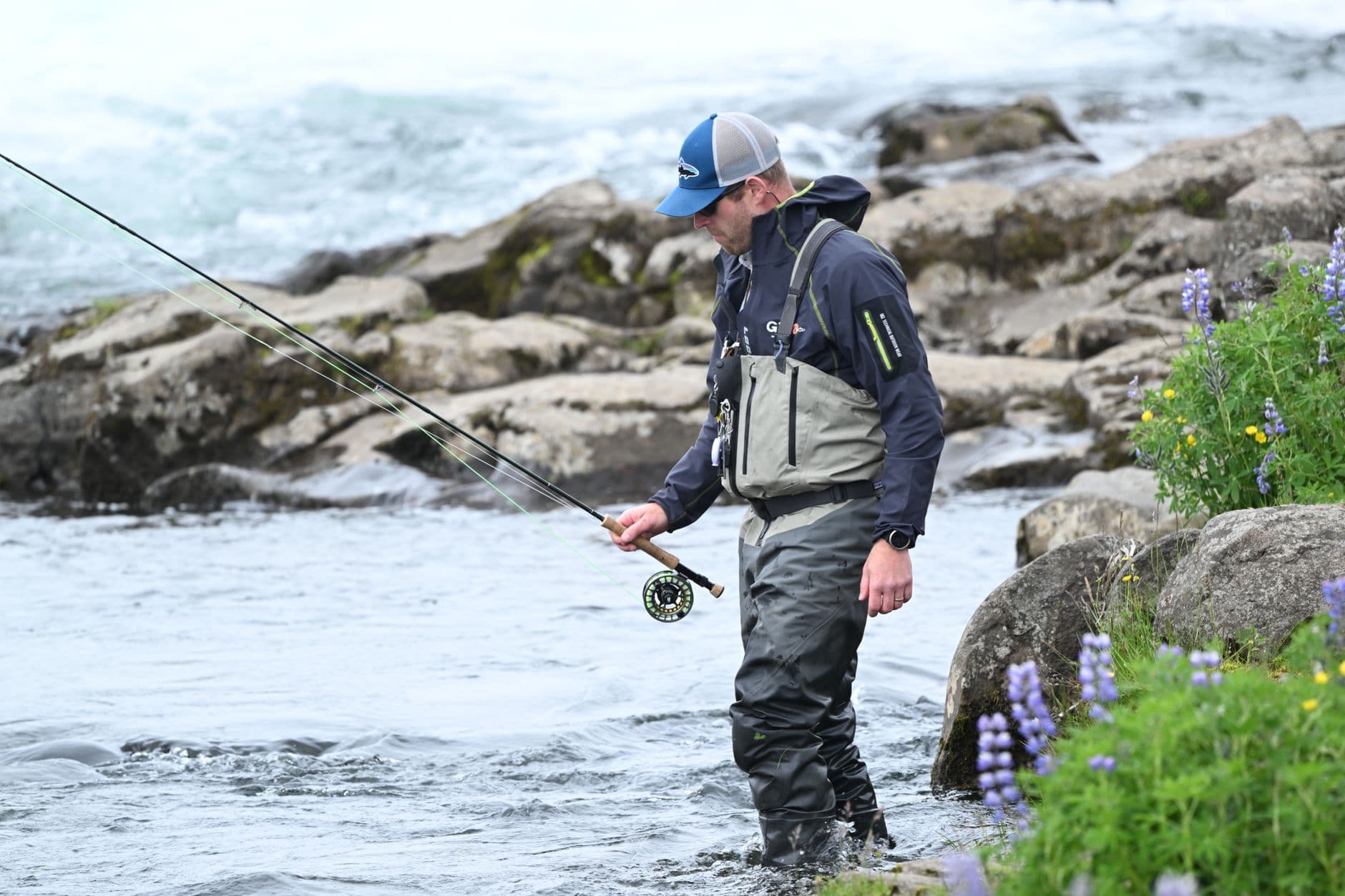
Waders are the most returned item in fishing, and it is almost always a fit problem rather than a quality problem. Get the construction and the size right and a $100 pair will last years.
Disclosure: Creek Cover is reader-supported. If you buy through our links we may earn a commission, at no extra cost to you. It never changes which pick we tell a new angler to start with. Full disclosure.
Quick picks at a glance
Tap a pick to read the full write-up, or the price button to check it on Amazon.
- 1
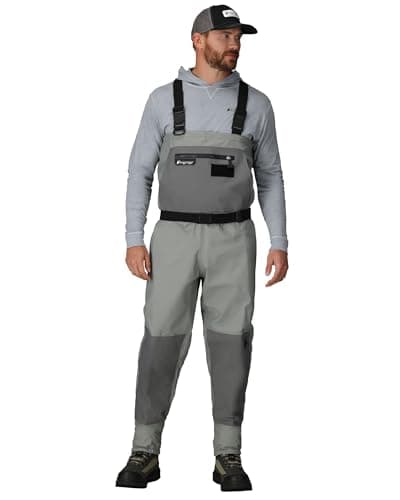
The configuration most stream anglers should buy: breathable, chest-high, stockingfoot, from a brand that has sold them for years — and the PRO is the version currently in the Frogg Toggs line-up. A 4-ply breathable upper, double-reinforced knees and taped 4mm neoprene booties. Pair with separate wading boots and you have a setup that works from March to November.
Best for: Best waders overall9.1 - 2
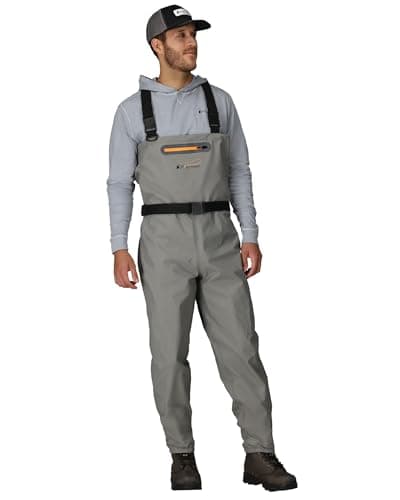
The same breathable stockingfoot formula as our top pick at a lower price. If you want to be properly equipped for stream fishing for under a hundred dollars, start here.
Best for: Best budget breathable chest wader8.7 - 3
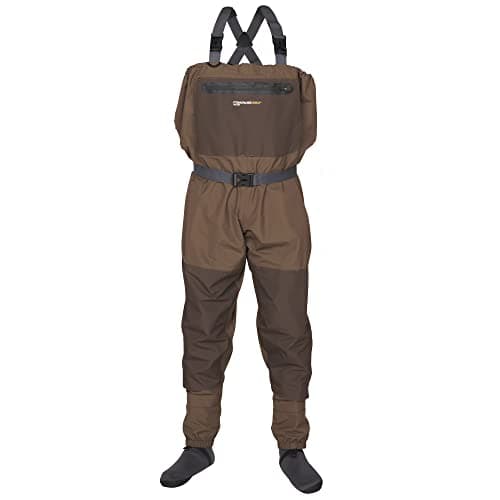
Breathable fabric with the boot already attached — the one-item solution. Quicker on and off than stockingfoot, warmer around the foot, and no separate boot purchase to budget for.
Best for: Best bootfoot breathable wader8.5 - 4
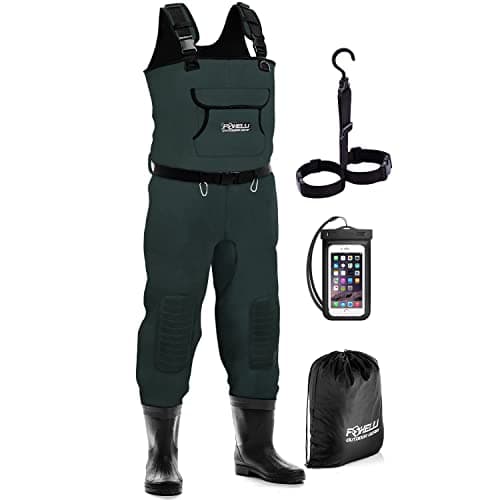
Four millimeters of neoprene is a wetsuit you stand in — warm without any layering, and tough. The right answer for deep winter water where you are not walking far, and the wrong one for a summer hike up a creek.
Best for: Best for cold, deep, stationary water8.3 - 5
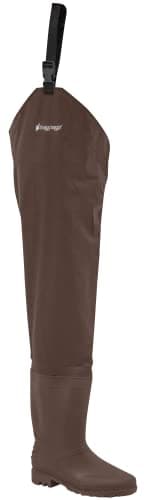
Hip waders are the forgotten option and they are perfect for genuinely small creeks you never wade above the thigh. A third the price of chest waders, far cooler in summer, and quick to pull on.
Best for: Cheapest way into a creek8.4
| # | Product | Best for | Score | Price |
|---|---|---|---|---|
| 1 | Frogg Toggs Hellbender PRO Breathable Stockingfoot Chest Wader The configuration most stream anglers should buy: breathable, chest-high, stockingfoot, from a brand that has sold them for years — and the PRO is the version currently in the Frogg Toggs line-up. A 4-ply breathable upper, double-reinforced knees and taped 4mm neoprene booties. Pair with separate wading boots and you have a setup that works from March to November. | Best waders overall | 9.1 | $169.99View on Amazon#ad |
| 2 | Frogg Toggs Canyon II Breathable Stockingfoot Chest Wader The same breathable stockingfoot formula as our top pick at a lower price. If you want to be properly equipped for stream fishing for under a hundred dollars, start here. | Best budget breathable chest wader | 8.7 | $99.99View on Amazon#ad |
| 3 | Compass 360 Deadfall Breathable STFT Chest Wader, Bootfoot Breathable fabric with the boot already attached — the one-item solution. Quicker on and off than stockingfoot, warmer around the foot, and no separate boot purchase to budget for. | Best bootfoot breathable wader | 8.5 | $127.41View on Amazon#ad |
| 4 | Foxelli Chest Waders, 4mm Neoprene with Boots Four millimeters of neoprene is a wetsuit you stand in — warm without any layering, and tough. The right answer for deep winter water where you are not walking far, and the wrong one for a summer hike up a creek. | Best for cold, deep, stationary water | 8.3 | $102.97View on Amazon#ad |
| 5 | Frogg Toggs Rana II PVC Bootfoot Hip Wader Hip waders are the forgotten option and they are perfect for genuinely small creeks you never wade above the thigh. A third the price of chest waders, far cooler in summer, and quick to pull on. | Cheapest way into a creek | 8.4 | $38.90View on Amazon#ad |
The verdict: buy breathable stockingfoot chest waders and a separate pair of studded rubber wading boots. That combination covers spring through autumn, handles winter with layers underneath, gives you real ankle support on slick rock, and is what nearly every experienced trout angler ends up owning. If your creek never goes above your thigh and you fish in warm months, a hip wader does the same job for a third of the money.
How we picked these
We compared published construction (breathable laminate, neoprene thickness, PVC), height, foot configuration, size availability and included boots, against the real demands of creek and stream fishing: walking the bank between pools, wading moving water over rounded cobble, and a season that runs from cold spring runoff to low summer water. We weighted breathability and correct configuration over feature lists, and we did not reward published waterproof ratings, which are not comparable between manufacturers. We do not submerge waders in a test tank — our method is on the how we research and pick page, and prices here are live and dated.
Breathable or neoprene
This is the first and biggest decision, and most beginners get it wrong by buying for warmth.
| Breathable | Neoprene | |
|---|---|---|
| Warmth as supplied | None — you layer underneath | Warm with nothing underneath |
| Walking a mile of bank | Comfortable | You will soak yourself in sweat |
| Weight and packability | Light, packs small | Heavy, bulky |
| Season coverage | All year with layers | Cold weather only, realistically |
| Durability | Good — fabric can snag | Excellent — puncture-resistant |
| Trout stream verdict | Buy this | Only for deep, cold, stationary water |
Breathable wins for almost every stream angler. The reason is sweat. Waders are a sealed bag; if that bag cannot pass water vapor, your own perspiration condenses inside it, and a mile of creek bank in October will leave you as wet as a leak would. Breathable fabric lets vapor out, and you add warmth with base layers underneath — which means one pair of waders covers the whole season instead of two.
Neoprene is still right for one use case: standing in cold, deep water without moving much. It is warm, cheap for the warmth, and extremely tough. If that is your fishing, the 4mm neoprene pick is sensible. If you walk, it is the wrong tool.
Chest, waist or hip
Chest waders are the default and the most versatile — you can wade deep, kneel, and they double as rain protection for your legs. The hidden advantage is that you can always roll them down to waist height on a hot day, which means a chest wader is also a waist wader when you want one.
Waist waders (wading pants) are cooler and more comfortable for summer fishing where you never go deep. A good choice as a second pair, rarely as your only pair.
Hip waders are genuinely underrated for creek fishing. On small water you rarely wade above the knee, and hip waders cost a fraction of chest waders, run far cooler, and pull on in seconds at the truck. The limit is absolute: step into water above your thigh and you are swimming. For a first pair on genuinely small creeks in warm months, they are an excellent, cheap decision.
Stockingfoot or bootfoot
Stockingfoot waders end in a snug neoprene sock, and you buy wading boots separately. This is what serious stream anglers use, for one reason: you get a real laced boot in your actual shoe size, with genuine ankle support on rounded, slippery streambed rock. Wading injuries come from rolled ankles, and this is the configuration that prevents them.
Bootfoot waders have the boot molded on. One item, nothing to lace, warmer because air circulates around your foot rather than being compressed in a wet sock, and much faster on and off. The cost is fit — the boot is whatever shape the manufacturer chose — and support, which is poor for walking distance. Our full comparison works through who should pick which.
The hidden cost of stockingfoot
Sizing: the reason most waders get returned
Waders are sized on shoe size plus a body dimension, and you must size for the thickest layers you will ever wear underneath. This is counterintuitive: the temptation is to buy a snug fit because that is how clothes should fit, and then in November you cannot get a fleece under them.
The number people get wrong most is inseam. Too long and the excess fabric bunches at the crotch, where it flexes constantly and abrades — that is a leading cause of the seam leak that kills waders in their second season. Too short and you cannot lift a knee onto a high bank or crouch to land a fish without the whole garment pulling at your shoulders.
Three checks before the tags come off, done at home in your usual layers: lift one knee to your chest; crouch all the way down as if landing a fish; and take a long stride. If any of those pulls hard at the shoulders or the crotch, the size is wrong. The full sizing guide covers the measurements and the between-sizes decision.
Every pair leaks eventually
This is not a defect; it is the nature of a flexible waterproof garment that gets folded, abraded and submerged. The useful question is not whether yours will leak but whether it happens in year two or year eight, and whether anyone will fix it.
Three things extend wader life more than price does. Hang them to dry inside out after every trip — mildew and trapped moisture destroy laminates and seam tape. Never store them folded on a crease; hang them or roll them loosely, because a permanent fold line is a future leak. And carry a patch kit: a pinhole found and fixed at home is a five-minute job, while the same pinhole ignored becomes a delaminated seam.
When you do find a leak, turn the waders inside out and look for the wet patch after a trip, or shine a torch from inside in a dark room. Most pinholes are in the lower legs from brush and gravel, and both are repairable with the kit.
Next: wading boots to go with stockingfoot waders, and a wading staff, which is the cheapest safety equipment in fishing. If you are putting a first kit together from scratch, the beginner gear guide puts waders in their proper place in the buying order — which is third, after the rod and the flies.
Two pages cover what this one deliberately does not. If you need a women's cut — a shorter torso, a different hip-to-waist ratio and a smaller bootie — see the best waders for women, because a small men's wader is a different shape rather than a smaller one. And if your budget is genuinely tight, our TIDEWE waders review covers whether forty-dollar bootfoot waders are a false economy.
Three pages that follow on from this one: the best cheap waders if the budget is under $110, what to wear under waders because breathable waders have no insulation of their own, and the best fishing rain jackets for the top half in the same weather.
Two related questions come up constantly here. If you are weighing waders against waterproof bibs — and they are not interchangeable — read waders vs bibs. And if standard size charts have never fit you, the stout and extended cuts in the Paramount waders review are the fix most anglers do not know exists.
And if none of these is quite the shape you need, the category is wider than this page. Types of waders explained covers chest, waist and hip heights side by side, the best hip waders is the cheap shallow-creek answer, and the best waders for big guys lists the stout and King cuts for anglers the standard size chart does not fit. Budget neoprene buyers should also read the HISEA waders review.
Two more pages if durability or a specific brand is what brought you here. High quality waders built to last ranks five pairs on seams, knee reinforcement and repair support, and the Gator Waders review covers the fishing-relevant models from a brand most anglers meet through its hunting range.
The picks in detail
Frogg Toggs Hellbender PRO Breathable Stockingfoot Chest Wader
9.1/10Best for: Best waders overall
The configuration most stream anglers should buy: breathable, chest-high, stockingfoot, from a brand that has sold them for years — and the PRO is the version currently in the Frogg Toggs line-up. A 4-ply breathable upper, double-reinforced knees and taped 4mm neoprene booties. Pair with separate wading boots and you have a setup that works from March to November.
- Construction
- Breathable 4-ply nylon upper
- Height
- Chest
- Foot
- Stockingfoot, 4mm neoprene (boots sold separately)
- Knees
- Double-reinforced
- Breathable — you stay dry walking the bank
- Layer underneath for cold-weather use
- Reinforced knees and a waterproof zippered pocket
- Needs wading boots on top of the purchase
- Not as warm as neoprene in winter still water
Frogg Toggs Canyon II Breathable Stockingfoot Chest Wader
8.7/10Best for: Best budget breathable chest wader
The same breathable stockingfoot formula as our top pick at a lower price. If you want to be properly equipped for stream fishing for under a hundred dollars, start here.
- Construction
- Breathable, waterproof
- Height
- Chest
- Foot
- Stockingfoot
- Color
- Gray
- Breathable construction at a budget price
- Correct configuration for stream fishing
- Leaves budget for decent boots
- Thinner fabric than the Hellbender PRO
- Fewer features and pockets
Compass 360 Deadfall Breathable STFT Chest Wader, Bootfoot
8.5/10Best for: Best bootfoot breathable wader
Breathable fabric with the boot already attached — the one-item solution. Quicker on and off than stockingfoot, warmer around the foot, and no separate boot purchase to budget for.
- Construction
- Breathable STFT
- Height
- Chest
- Foot
- Bootfoot (boots attached)
- Best for
- Cold weather, less walking
- No separate boot purchase needed
- Warmer foot than stockingfoot plus boot
- Fast to get on and off
- Attached boot fits however the maker shaped it
- Poor ankle support for long walks on cobble
Foxelli Chest Waders, 4mm Neoprene with Boots
8.3/10Best for: Best for cold, deep, stationary water
Four millimeters of neoprene is a wetsuit you stand in — warm without any layering, and tough. The right answer for deep winter water where you are not walking far, and the wrong one for a summer hike up a creek.
- Construction
- 4mm neoprene
- Height
- Chest
- Foot
- Bootfoot, cleated
- Best for
- Cold water, low mobility
- Warm with no layering required
- Durable and puncture-resistant
- Boots included
- Non-breathable — you overheat walking
- Heavy and bulky to carry or pack
Frogg Toggs Rana II PVC Bootfoot Hip Wader
8.4/10Best for: Cheapest way into a creek
Hip waders are the forgotten option and they are perfect for genuinely small creeks you never wade above the thigh. A third the price of chest waders, far cooler in summer, and quick to pull on.
- Construction
- Waterproof PVC
- Height
- Hip
- Foot
- Bootfoot, cleated
- Best for
- Shallow creeks, summer
- By far the cheapest option here
- Much cooler than chest waders in warm weather
- Fast on and off at the truck
- Useless above thigh depth
- PVC does not breathe at all
Prices shown are from Amazon as of October 20, 2026 and change often — the button always goes to the current listing. Some links may earn us a commission at no extra cost to you. How this works.
Frequently asked questions
What are the best waders for fishing?
Breathable stockingfoot chest waders with separate studded-rubber wading boots, for almost every stream angler. Breathable fabric lets sweat vapor out so you stay dry walking the bank, layering underneath covers cold weather, and separate boots give you proper ankle support and real shoe sizing on slippery streambed rock.
Are breathable or neoprene waders better?
Breathable, unless you fish deep cold water without walking far. Neoprene is warm with no layering and very tough, but it traps your own perspiration, so any significant walking leaves you soaked from the inside. Breathable waders plus base layers cover the whole season in one garment.
Are hip waders good enough for creek fishing?
On genuinely small creeks, yes, and they are a bargain. If you rarely wade above the knee, hip waders cost a fraction of chest waders, run much cooler in warm weather and pull on in seconds. The limitation is strict - anything above thigh depth and you need chest waders.
How long do fishing waders last?
Anywhere from two to eight or more seasons, and care matters more than price. Hang them inside out to dry after every trip, never store them folded on a crease, and repair pinholes as soon as you find them. Buying from a company with a real repair program matters more than buying the most expensive pair.
Sources
Keep reading
Not sure where to start?
The beginner gear guide walks you through exactly what a new stream angler needs — the six essentials first, nice-to-haves later, with one safe-default pick per category.