Waders · Roundup
The Best Wading Boots
The only piece of fishing gear whose job is keeping you upright. Sole choice is a safety decision and a legal one, and sizing over a wader bootie catches almost everybody out.
Disclosure: Creek Cover is reader-supported. If you buy through our links we may earn a commission, at no extra cost to you. It never changes which pick we tell a new angler to start with. Full disclosure.
Quick picks at a glance
Tap a pick to read the full write-up, or the price button to check it on Amazon.
- 1
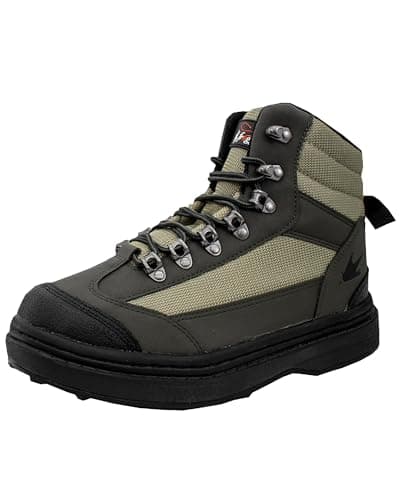
The sensible default: a laced wading boot with a cleated rubber sole, available in felt if your state allows it, at a price that pairs naturally with mid-range waders.
Best for: Best wading boots overall9.0 - 2
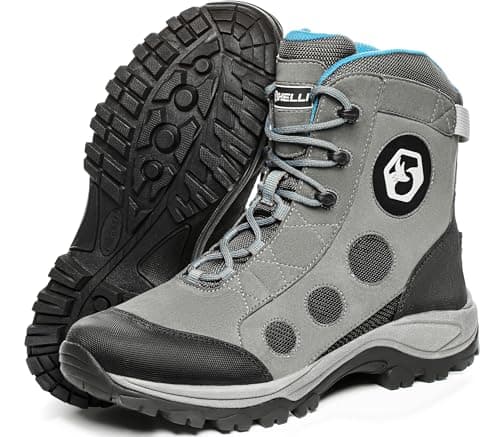
Light is the right priority for creek fishing, where you walk between pools all day. These keep weight down without giving up a laced fit, which is the trade premium boots usually make you pay for.
Best for: Best lightweight wading boot8.8 - 3
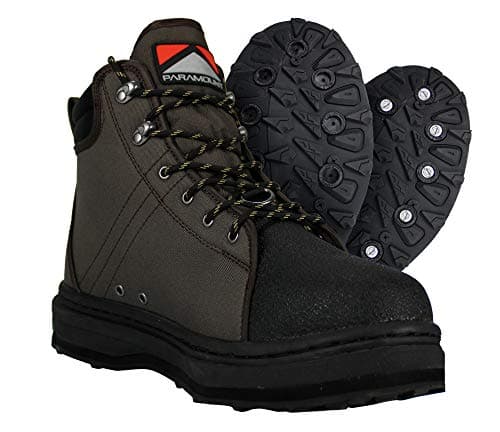
An aggressively cleated rubber sole on a conventional laced boot. The cleat pattern is the point — it is the cheapest way to get meaningfully better purchase on a rocky streambed.
Best for: Best grip at a budget price8.6 - 4
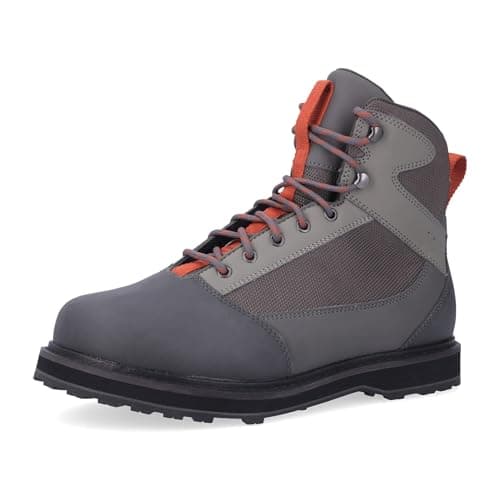
The entry point into Simms, which is the brand the guide on your river is probably wearing. Better support, better materials and a repair path — and still well short of their flagship price.
Best for: Best mid-premium boot9.1 - 5
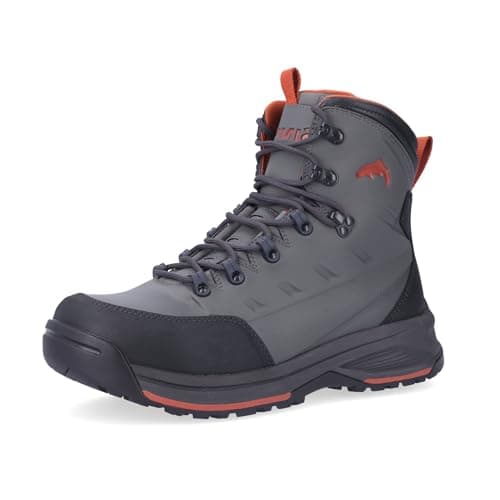
The buy-once option. Most supportive and most durable here, and the boot to choose if you wade big water, walk long distances, or simply want to stop replacing boots every other season.
Best for: Best for hard use and long days9.2
| # | Product | Best for | Score | Price |
|---|---|---|---|---|
| 1 | Frogg Toggs Hellbender Wading Boot, Cleated The sensible default: a laced wading boot with a cleated rubber sole, available in felt if your state allows it, at a price that pairs naturally with mid-range waders. | Best wading boots overall | 9.0 | $89.95View on Amazon#ad |
| 2 | Foxelli Wading Boots, Rubber Sole Light is the right priority for creek fishing, where you walk between pools all day. These keep weight down without giving up a laced fit, which is the trade premium boots usually make you pay for. | Best lightweight wading boot | 8.8 | $89.97View on Amazon#ad |
| 3 | Paramount Outdoors Stonefly Cleated Sole Wading Boot An aggressively cleated rubber sole on a conventional laced boot. The cleat pattern is the point — it is the cheapest way to get meaningfully better purchase on a rocky streambed. | Best grip at a budget price | 8.6 | $89.99View on Amazon#ad |
| 4 | Simms Tributary Boot, Rubber The entry point into Simms, which is the brand the guide on your river is probably wearing. Better support, better materials and a repair path — and still well short of their flagship price. | Best mid-premium boot | 9.1 | $179.95View on Amazon#ad |
| 5 | Simms Freestone Boot, Rubber The buy-once option. Most supportive and most durable here, and the boot to choose if you wade big water, walk long distances, or simply want to stop replacing boots every other season. | Best for hard use and long days | 9.2 | $229.95View on Amazon#ad |
Buy the Frogg Toggs Hellbender in cleated rubber, order it one to one and a half sizes above your normal shoe size, and add carbide studs if your streambed is slick bedrock. That covers almost every creek angler. The sole section below is the part worth reading even if you buy something else, because it is a safety decision and, in some states, a legal one.
How we picked these
We compared published sole type and pattern, closure, construction weight, available sizes and whether the boot accepts studs — judged against wading small to medium streams: rounded algae-covered cobble underfoot, repeated walking between pools, and constant wetting and drying. We weighted sole legality and grip first because falling is the actual risk, then weight, then support. We do not run slip-resistance tests on wet rock and do not claim to; our method is on the how we research and pick page, and prices are live and dated.
Rubber, felt or studs — and the legal issue
Three options, and the right answer has changed in the last fifteen years because of regulation rather than performance.
| Sole | Grip on slick rock | On bank / in vehicle | Legal status |
|---|---|---|---|
| Felt | Best | Poor — slippery, holds water | Banned in several US states |
| Plain rubber | Adequate | Good | Legal everywhere |
| Cleated rubber | Good | Very good | Legal everywhere |
| Studded rubber | Excellent | Noisy, marks surfaces | Legal everywhere |
Felt is the best gripper and the worst citizen. Its dense fibers hold water — and with it algae spores, didymo and invertebrate larvae — which is why a number of states have banned felt soles outright to slow the spread of invasive organisms between watersheds. Check your state wildlife agency before buying felt, and check again if you travel to fish. Several of these boots are sold in both versions under near-identical listings, so read the title.
Studded rubber is the modern answer. Carbide studs screwed into a rubber sole bite into algae-covered stone and close most of the gap with felt, while remaining legal everywhere and usable on dry ground. Studs are cheap, sold separately, and fit most boots — which means you can buy rubber-soled boots now and upgrade the grip later for very little.
Studs are not free
Sizing over a wader bootie
This is the mistake almost everybody makes once. A wading boot goes on over the neoprene bootie of your stockingfoot waders plus socks, which together add real bulk.
Order one to one and a half US sizes above your normal shoe size. If you wear a 10, buy an 11 or 11.5. A boot that fits your bare foot will crush the bootie, restrict blood flow, and give you cold feet in warm water — the classic symptom of a boot that is too small rather than a wader that is too thin.
Fit check at home, in your waders and the socks you will actually wear: lace them fully, stand up, and rock forward onto your toes. Your heel should not lift more than slightly. Then kick the toe gently against a wall — your toes should not reach the end. A little extra room is fine; a loose heel is not, because that is what rolls an ankle.
Socks over the bootie, not under it. Two thin pairs work better than one thick pair, and both go outside the neoprene bootie where they insulate without compressing.
Support, drainage and weight
Support is the whole reason stockingfoot exists. You are walking on rounded, invisible, moving rock. A laced boot that holds your heel locked and your ankle supported is what stops the roll that ends a day. This is the one area where premium boots like the Freestone are measurably better, and why they are worth it to someone who fishes forty days a year.
Drainage matters for weight, not for comfort. A boot that holds water weighs several pounds more with every step out of the river. Look for drain ports or a mesh panel. You are going to be wet regardless; the question is how much water you are lifting.
Weight is the creek-specific priority. Big-river anglers wade and stand; creek anglers walk. Over four miles of streambank, the difference between a light boot and a heavy one is substantial, which is why the lightweight pick ranks as highly as it does despite less ankle structure.
Cleaning between waters is not optional
Wading boots are the main vector by which anglers move invasive species between watersheds, and the damage is permanent. The accepted practice is simple: clean, drain, dry. Scrub off visible mud and plant matter before you leave the water, drain everything, and let the boots dry completely — ideally 48 hours — before fishing a different stream. Some states require specific decontamination steps; check locally.
This also makes boots last longer. Grit left in the sole and laces grinds at the upper every time it flexes, and the fastest way to destroy a wading boot is to leave it wet and dirty in a sealed bag. Dry them out of direct sunlight, with the laces open.
When you do not need wading boots at all
Two honest cases. Bootfoot waders have the boot attached, so there is nothing extra to buy — worse support and fit, better warmth and convenience, and the full trade is in the comparison.
Wading wet in summer. On warm small creeks in July, plenty of experienced anglers skip waders entirely: quick-dry trousers, neoprene socks and a pair of dedicated wading shoes or old trainers with decent tread. It is cooler, lighter and cheaper. You still want something on your feet with real grip and toe protection — barefoot or sandals on a rocky streambed is how people get cut and turn ankles.
Next: the waders themselves if you have not bought them yet, a wading staff from the packs and nets hub, and the beginner gear guide for where boots sit in the overall buying order.
Two things this page does not cover. Boots built on a women's last are a genuinely different shape, not a smaller size — see the best wading boots for women. And if you are considering bootfoot waders instead, so that no separate boot is needed, our TIDEWE waders review covers that trade-off at the budget end.
Two pages added since this one that bear on the same decision: the best wading boots for men, which covers men's sizing, wide feet and the big sizes that sell out first, and the best wading staffs — a third point of contact does more for your footing in pushy water than any sole upgrade.
Two specific boot questions have their own pages. If you want one pair that handles both felt-legal and felt-ban water, the interchangeable-sole system in the Korkers wading boots review is the answer. If a day on your feet is what wears you out, start instead with the lightest wading boots.
Two specialist cases worth a separate look. If you walk a mile or more to your water, the lighter rubber-soled boots in wading boots for hiking are the ones to shortlist, and the commercial-grade option from Grundens is covered in the Grundens waders review. And if the problem is fit rather than grip, no boot in this category is sold in a width — wading boots for wide feet sets out what actually solves it.
The picks in detail
Frogg Toggs Hellbender Wading Boot, Cleated
9.0/10Best for: Best wading boots overall
The sensible default: a laced wading boot with a cleated rubber sole, available in felt if your state allows it, at a price that pairs naturally with mid-range waders.
- Sole
- Cleated rubber (felt option available)
- Closure
- Laced
- Construction
- Waterproof upper
- Best for
- General stream wading
- Rubber sole is legal in every state
- Cleated pattern grips better than plain rubber
- Price matches sensible wader budgets
- Not as supportive as premium boots on long walks
- Studs sold separately if you want them
Foxelli Wading Boots, Rubber Sole
8.8/10Best for: Best lightweight wading boot
Light is the right priority for creek fishing, where you walk between pools all day. These keep weight down without giving up a laced fit, which is the trade premium boots usually make you pay for.
- Sole
- Rubber
- Closure
- Laced
- Weight
- Lightweight construction
- Best for
- Walking between pools
- Noticeably lighter than most wading boots
- Drains and dries faster than heavy builds
- Comfortable for long bank walks
- Less ankle structure than a heavy boot
- Lighter uppers are less abrasion-resistant
Paramount Outdoors Stonefly Cleated Sole Wading Boot
8.6/10Best for: Best grip at a budget price
An aggressively cleated rubber sole on a conventional laced boot. The cleat pattern is the point — it is the cheapest way to get meaningfully better purchase on a rocky streambed.
- Sole
- Cleated rubber
- Closure
- Laced
- Best for
- Rocky streambeds
- Aggressive cleat pattern grips well
- Solid value for the construction
- Takes studs readily
- Heavier than lightweight builds
- Basic fit adjustment
Simms Tributary Boot, Rubber
9.1/10Best for: Best mid-premium boot
The entry point into Simms, which is the brand the guide on your river is probably wearing. Better support, better materials and a repair path — and still well short of their flagship price.
- Sole
- Rubber
- Closure
- Laced
- Color
- Basalt
- Best for
- Anglers who fish a lot
- Genuinely better support and materials
- Brand with real service and spares
- Holds its shape over seasons
- Roughly double the budget picks
- Heavier than the lightweight options
Simms Freestone Boot, Rubber
9.2/10Best for: Best for hard use and long days
The buy-once option. Most supportive and most durable here, and the boot to choose if you wade big water, walk long distances, or simply want to stop replacing boots every other season.
- Sole
- Rubber (felt version available)
- Closure
- Laced
- Color
- Gunmetal
- Best for
- Heavy use, long seasons
- Best ankle support on this page
- Built to be resoled and repaired
- Stable on uneven, rounded cobble
- The most expensive option here by a wide margin
- Heavy — more boot than a small creek needs
Prices shown are from Amazon as of October 20, 2026 and change often — the button always goes to the current listing. Some links may earn us a commission at no extra cost to you. How this works.
Frequently asked questions
What size wading boots should I buy?
One to one and a half US sizes above your normal shoe size. The boot goes on over the neoprene bootie of your stockingfoot waders plus socks, which adds real bulk. A boot sized to your bare foot compresses the bootie, restricts circulation and gives you cold feet even in mild water.
Are rubber or felt soles better for wading boots?
Felt grips algae-covered rock slightly better, but it is banned in several US states because it transports invasive organisms between watersheds, and it is poor on dry bank and in vehicles. Studded rubber is legal everywhere and closes most of the grip gap, which makes it the better default for most anglers.
Do I need studs on my wading boots?
On slick bedrock and heavy algae, studs make a real difference and are worth adding. On sand, gravel and small cobble, cleated rubber is enough - and studs are noisy on rock, which can spook trout on small creeks through vibration in the streambed. Studs are cheap and can be added later.
How do you clean wading boots between rivers?
Clean, drain, dry. Scrub off visible mud and plant material before leaving the water, drain the boots completely, and let them dry fully - ideally 48 hours - before fishing a different stream. This prevents moving invasive species between watersheds and also makes boots last considerably longer.
Sources
Keep reading
Not sure where to start?
The beginner gear guide walks you through exactly what a new stream angler needs — the six essentials first, nice-to-haves later, with one safe-default pick per category.