Fly Rods · Roundup
The Best Fly Fishing Rods for Creeks and Streams
Every rod on this page will cast well enough to catch trout. The differences that matter are weight, length and how forgiving the action is when your timing is off.
Disclosure: Creek Cover is reader-supported. If you buy through our links we may earn a commission, at no extra cost to you. It never changes which pick we tell a new angler to start with. Full disclosure.
Quick picks at a glance
Tap a pick to read the full write-up, or the price button to check it on Amazon.
- 1
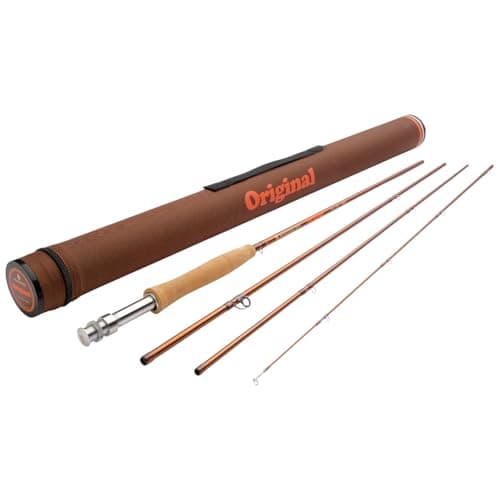
A 5-weight, 9-foot, medium-fast rod from a recognized trout-rod brand, and the rod that now occupies the entry slot in Redington's own line-up — so it is the one that stays in production, in stock and under warranty. Versatile enough for creeks and rivers both, at a price that leaves money for line.
Best for: Best all-round first fly rod9.2 - 2
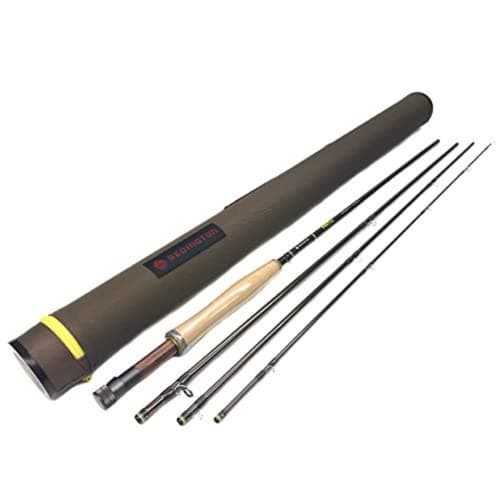
The rod the Original replaced, and still worth buying while stock lasts: same 5-weight 9-foot medium-fast formula, four pieces, and a hard travel tube the Original does not list. Redington has retired it from their current range, so treat it as a run-out deal rather than a rod you will be able to re-buy in two years.
Best for: Best outgoing-model bargain8.8 - 3
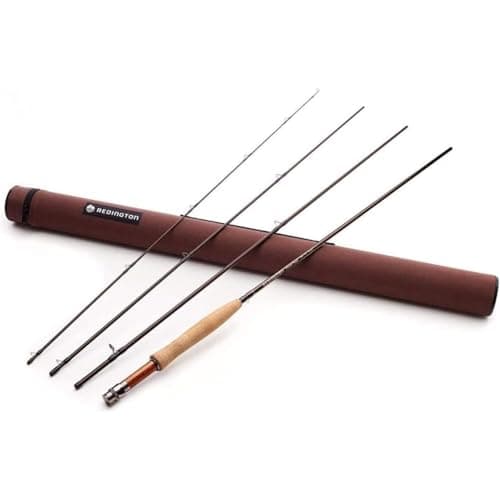
A deliberately moderate-action trout rod with a case included. Moderate means it bends deeper and loads on a twenty-foot cast, which is exactly what creek fishing asks for and what most fast-action rods do badly.
Best for: Best for short casts and dry flies9.0 - 4
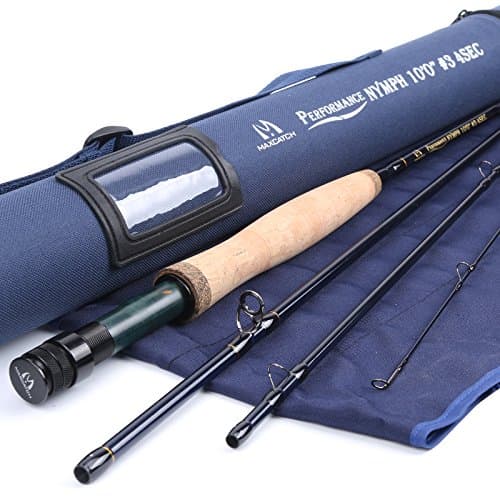
A long, light specialist rod for drifting nymphs on a short line — the single most productive way to catch creek trout most of the year. Ten feet of reach lets you hold line off the current and keep a drag-free drift.
Best for: Best for nymphing small streams8.5 - 5

The step up for someone who has fished a budget rod for a season and wants to feel the difference. Lighter, crisper and better finished than anything above it here — and the point at which you stop blaming the rod.
Best for: Best upgrade rod9.1
| # | Product | Best for | Score | Price |
|---|---|---|---|---|
| 1 | Redington Original 5wt 9'0" Medium-Fast A 5-weight, 9-foot, medium-fast rod from a recognized trout-rod brand, and the rod that now occupies the entry slot in Redington's own line-up — so it is the one that stays in production, in stock and under warranty. Versatile enough for creeks and rivers both, at a price that leaves money for line. | Best all-round first fly rod | 9.2 | $99.99View on Amazon#ad |
| 2 | Redington Path 5wt 9'0" 4-Piece The rod the Original replaced, and still worth buying while stock lasts: same 5-weight 9-foot medium-fast formula, four pieces, and a hard travel tube the Original does not list. Redington has retired it from their current range, so treat it as a run-out deal rather than a rod you will be able to re-buy in two years. | Best outgoing-model bargain | 8.8 | $89.99View on Amazon#ad |
| 3 | Redington Classic Trout 4-Piece, Moderate Action A deliberately moderate-action trout rod with a case included. Moderate means it bends deeper and loads on a twenty-foot cast, which is exactly what creek fishing asks for and what most fast-action rods do badly. | Best for short casts and dry flies | 9.0 | $199.99View on Amazon#ad |
| 4 | Maxcatch Performance Nymph Fly Rod, 10ft 2/3/4wt A long, light specialist rod for drifting nymphs on a short line — the single most productive way to catch creek trout most of the year. Ten feet of reach lets you hold line off the current and keep a drag-free drift. | Best for nymphing small streams | 8.5 | $89.95View on Amazon#ad |
| 5 | ECHO Carbon-XL Fly Rod 9'0" #5 The step up for someone who has fished a budget rod for a season and wants to feel the difference. Lighter, crisper and better finished than anything above it here — and the point at which you stop blaming the rod. | Best upgrade rod | 9.1 | $289.99View on Amazon#ad |
If you want the short answer: buy the Redington Original in 5-weight, 9 foot, put a decent weight-forward floating line on it, and go fishing. It is the most versatile fly rod you can own for trout, it is forgiving enough to learn on, and it costs less than a tank of fuel for a long weekend. Everything below explains when one of the other four is the better call — and the single most useful thing on this page is the length section, because nine feet is not actually the right answer for a lot of creeks.
How we picked these
We compared published line weight, length, piece count, action and included accessories against one specific use case: trout in creeks and small to medium streams, cast at distances between fifteen and forty feet, frequently under cover. We weighted forgiving actions over fast ones, shorter and multi-piece builds over long single-purpose blanks, and brands with a real warranty and repair path over unbranded blanks that cost slightly less. We do not run a casting lab and do not claim to — our method is on the how we research and pick page, and every price here is live and dated rather than typed into the article.
Rod weight: the only spec that is non-negotiable
Rod weight has nothing to do with how heavy the rod is. It is the mass of fly line the rod is designed to cast, numbered 1 to 15, and the rod and the line must match. Put a 7-weight line on a 5-weight rod and it feels like casting a wet rope; put a 3-weight line on it and the rod never loads at all. This is the mistake that makes people think they cannot cast.
| Weight | What it is for | Creek verdict |
|---|---|---|
| 1-2wt | Tiny flies, tiny fish, dead-calm conditions | Specialist — fun, but limiting |
| 3wt | Small streams, light tippet, short casts | Ideal if you only fish small water |
| 4wt | Small to medium water, most dry flies | The connoisseur's creek choice |
| 5wt | Everything from creeks to rivers | Buy this if you own one rod |
| 6wt+ | Big flies, big water, wind, bass | More rod than creek trout need |
For a first rod the honest recommendation is a 5-weight, because it is the one weight that does not stop you fishing anywhere. If you know for certain that your water is small and brushy and that you will never fish a big river, a 3 or 4-weight is more enjoyable and protects fine tippet better. Our 4-weight vs 5-weight comparison works through that decision properly.
Length: why nine feet is often wrong
Nine feet is the industry default because length helps you cast far, keep line off the water at distance, and control a long drift. None of those are your problems on a creek. What you actually face is a tunnel of alders, a cast of twenty feet, and the need to drop a fly into a pocket the size of a dinner plate.
On tight water, 7′6" to 8′6" is better in every way that matters. A shorter rod loads on a short cast, swings between branches, and is easier to flick sideways under cover. On open meadow streams and anything you would call a river, keep the nine feet. And there is one exception that runs the other way: if you intend to nymph a lot, a long rod like the 10-foot Maxcatch buys you reach to hold line off the current, which is worth more than compactness in open pockets.
Four pieces, not two
Action: fast sells, moderate catches
Action describes where and how much the rod bends. Fast rods are stiff through the middle and recover quickly: they generate line speed, punch into wind, and demand accurate timing. Moderate and slow rods bend deeper into the blank, load with less line out, and absorb timing errors instead of punishing them.
The industry sells fast because fast demos well at a casting pond where the measure is distance. On a creek, where the measure is dropping a size 16 nymph into a seam at twenty feet, moderate wins — and it also protects light tippet when a fish takes hard at close range, which is where you lose fish on a stiff rod. That is why the moderate-action Classic Trout is here despite costing more than our top pick, and why we recommend medium-fast rather than fast for a first rod.
The line matters as much as the rod
Anglers will deliberate for weeks over a rod and then spool whatever line was cheapest. This is backwards. A good weight-forward floating line makes a budget rod feel alive; a stiff, poorly tapered line makes a premium rod feel dead. If you buy any rod on this page as a bare blank, budget for a proper WF-F line in the rod’s weight at the same time — it is the highest-return money in fly fishing.
You also need a tapered leader and a spool of tippet, which together cost less than lunch and are explained in the beginner gear guide. If buying four separate things sounds like a lot, a matched outfit solves it in one purchase — see the best fly fishing combo kits, and the reel guide if you would rather assemble it yourself.
What to skip
Skip anything above 6-weight for creek trout — you will be carrying a bass rod and casting like you are angry. Skip sinking and sink-tip lines until you have a reason. Skip the second rod until the first one has shown you its limits, because the answer to “which rod next” only becomes obvious after a season. And skip the premium tier on a first purchase: the ECHO Carbon-XL is a genuinely better rod than our top pick, and a beginner will not be able to tell. Buy it as your second rod, when you can.
Next decisions: waders to stand in the water, and flies to tie on the end. If a fly rod is starting to sound like the wrong tool for your particular creek, read fly rod vs spinning rod for trout before you spend anything.
One last thing worth more than a rod upgrade: the line on it. Our fly line roundup explains why line is the cheapest real improvement in fly fishing, and the fly rod brands page covers what each maker is actually good at and whose warranty you can rely on. If your creek warms up in summer and the trout stop feeding, the same rod handles smallmouth bass on a fly.
Two narrower versions of this question have their own pages. If you are buying once and keeping it, start with high quality fly rods, which ranks on warranty and repairability rather than spec sheets. If the rod has to fit in a pack, see the backpacking fly rod roundup.
Two water types need a different rod than anything on this page. On genuinely small water a 7 to 8 foot 2 to 4 weight beats every 9-foot 5-weight here, which is the case made in the small-stream rod guide. At the other end, tributary steelhead want a 7 or 8 weight — the options are in the steelhead rod roundup.
Two pages if you want the reasoning rather than the ranking. How to choose a fly rod takes the four decisions in order, and the Moonshine fly rods review covers the value brand that ships a spare tip with every rod.
The picks in detail
Redington Original 5wt 9'0" Medium-Fast
9.2/10Best for: Best all-round first fly rod
A 5-weight, 9-foot, medium-fast rod from a recognized trout-rod brand, and the rod that now occupies the entry slot in Redington's own line-up — so it is the one that stays in production, in stock and under warranty. Versatile enough for creeks and rivers both, at a price that leaves money for line.
- Line weight
- 5wt
- Length
- 9'0"
- Action
- Medium-fast
- Status
- Current Redington line-up
- Medium-fast action forgives beginner timing errors
- Current production, so sizes and warranty support stay available
- Leaves budget for a decent line
- Nine feet is longer than ideal on brush-choked creeks
- No reel, line or hard tube listed — budget for those
Redington Path 5wt 9'0" 4-Piece
8.8/10Best for: Best outgoing-model bargain
The rod the Original replaced, and still worth buying while stock lasts: same 5-weight 9-foot medium-fast formula, four pieces, and a hard travel tube the Original does not list. Redington has retired it from their current range, so treat it as a run-out deal rather than a rod you will be able to re-buy in two years.
- Line weight
- 5wt
- Length
- 9'0"
- Pieces
- 4
- Action
- Medium-fast
- Included
- Hard rod tube
- Hard tube included at this price is unusual
- Four-piece breakdown fits in a car or pack
- Run-out pricing on a rod that was the category benchmark for years
- Discontinued line, so stock and spare tips will dry up
- Still a 9-foot rod on small water
Redington Classic Trout 4-Piece, Moderate Action
9.0/10Best for: Best for short casts and dry flies
A deliberately moderate-action trout rod with a case included. Moderate means it bends deeper and loads on a twenty-foot cast, which is exactly what creek fishing asks for and what most fast-action rods do badly.
- Action
- Moderate
- Pieces
- 4
- Use
- Freshwater trout
- Included
- Case
- Moderate action loads properly at short range
- Protects light tippet on a hard take
- The nicest rod here to fish dry flies with
- Noticeably more expensive than the Path
- Moderate action struggles to punch into stiff wind
Maxcatch Performance Nymph Fly Rod, 10ft 2/3/4wt
8.5/10Best for: Best for nymphing small streams
A long, light specialist rod for drifting nymphs on a short line — the single most productive way to catch creek trout most of the year. Ten feet of reach lets you hold line off the current and keep a drag-free drift.
- Line weight
- 2wt / 3wt / 4wt
- Length
- 10ft / 11ft
- Blank
- IM10 carbon
- Grip
- AAA cork
- Extra length gives genuine line control on a drift
- Very light in hand for a 10-foot rod
- Cheapest route into Euro-style nymphing
- A specialist tool, not a first rod
- Ten feet is unmanageable under tight canopy
ECHO Carbon-XL Fly Rod 9'0" #5
9.1/10Best for: Best upgrade rod
The step up for someone who has fished a budget rod for a season and wants to feel the difference. Lighter, crisper and better finished than anything above it here — and the point at which you stop blaming the rod.
- Line weight
- 5wt
- Length
- 9'0"
- Series
- Carbon-XL
- Best for
- Second rod / committed angler
- Appreciably lighter and crisper in hand
- Better components and finish throughout
- A rod you keep rather than replace
- Roughly three times the price of our top pick
- The difference is lost on a true beginner
Prices shown are from Amazon as of October 20, 2026 and change often — the button always goes to the current listing. Some links may earn us a commission at no extra cost to you. How this works.
Frequently asked questions
What is the best fly rod for a beginner?
A 5-weight, 9-foot, four-piece rod with a medium-fast action. That configuration casts the widest range of trout flies, works on creeks and rivers both, and is forgiving enough to learn on. Our top pick is the Redington Original in exactly that specification, because it pairs a trustworthy brand with a price that leaves money for a decent line.
What weight fly rod should I buy for small streams?
A 5-weight if it is your only rod, or a 3 to 4-weight if you fish small water exclusively. The 5-weight handles bigger flies and wind and does not limit where you can fish. A 3 or 4-weight is more enjoyable on genuinely small creeks and protects fine tippet better when a fish takes at close range.
Is a 9-foot fly rod too long for creek fishing?
Often, yes. On brushy, overgrown creeks a 7-foot 6-inch to 8-foot 6-inch rod loads better on short casts and fits between branches. Nine feet is the right default for open streams and rivers, and long rods of 10 feet are genuinely useful for nymphing - but under tight canopy, shorter is better.
Do expensive fly rods cast better?
They are lighter, crisper and better finished, and an experienced caster will feel the difference immediately. A beginner usually will not, because at that stage casting faults dominate rod differences. Spend modestly on your first rod, spend properly on the line, and upgrade the rod after a season when you can tell what you are paying for.
Sources
Keep reading
Not sure where to start?
The beginner gear guide walks you through exactly what a new stream angler needs — the six essentials first, nice-to-haves later, with one safe-default pick per category.