Packs, Vests & Nets
Fishing Packs, Vests & Nets for Stream Anglers
Everything you carry has to work while you are standing in moving water with both hands busy. That one constraint explains every design decision in a fishing pack.
Disclosure: Creek Cover is reader-supported. If you buy through our links we may earn a commission, at no extra cost to you. It never changes which pick we tell a new angler to start with. Full disclosure.
Nothing in fishing is a worse experience than needing a pair of nippers, a fly box and a net at the same moment, in thigh-deep water, with a fish on. How you carry gear is not an accessory decision — it is the difference between fishing smoothly and spending your day fighting your own equipment.
Start with the best fly fishing sling packs for the carry system most stream anglers end up with, and the best fly fishing nets for the one piece of gear that is genuinely about the fish rather than about you.
Sling, chest pack or vest
The sling pack is the modern default and the right answer for most people. It rides on your back out of the way while you walk and cast, then swings round to your front when you need it, giving you a flat working surface at chest height. One strap, no weight on your front while casting, and enough volume for a day. The compromise is that swinging it round is a deliberate motion, so the things you use constantly should live outside it.
The chest pack puts a small tray directly under your chin: everything visible and reachable without moving anything, which is ideal when you are wading deep or changing flies constantly. It is also small by design, and some people find it in the way of the rod hand. Best as a minimalist system or paired with a backpack on long days.
The vest is the traditional answer and still the best at one thing: spreading a lot of small items across many pockets at chest height, with nothing to swing or unclip. Its weaknesses are heat on summer days and a tendency to fill every pocket because the pockets exist. A modern lightweight mesh vest is a genuinely good system if you like knowing exactly where each item lives.
What goes in it, and what does not
The honest creek day list is short: one or two fly or lure boxes, a spool or two of tippet, a tapered leader, nippers, forceps or small pliers for unhooking, floatant if you fish dries, a couple of strike indicators, sunscreen, water and your phone in something waterproof. That is it. Everything else is a thing to carry and lose.
Keep the constant-use items outside the bag. Nippers on a zinger, forceps clipped to a strap. Items you reach for twenty times a day should not be behind a zip, and the small tool kits that bundle nippers, forceps and a retractor are the cheapest meaningful upgrade to how a day feels.
The net is for the fish, not for you
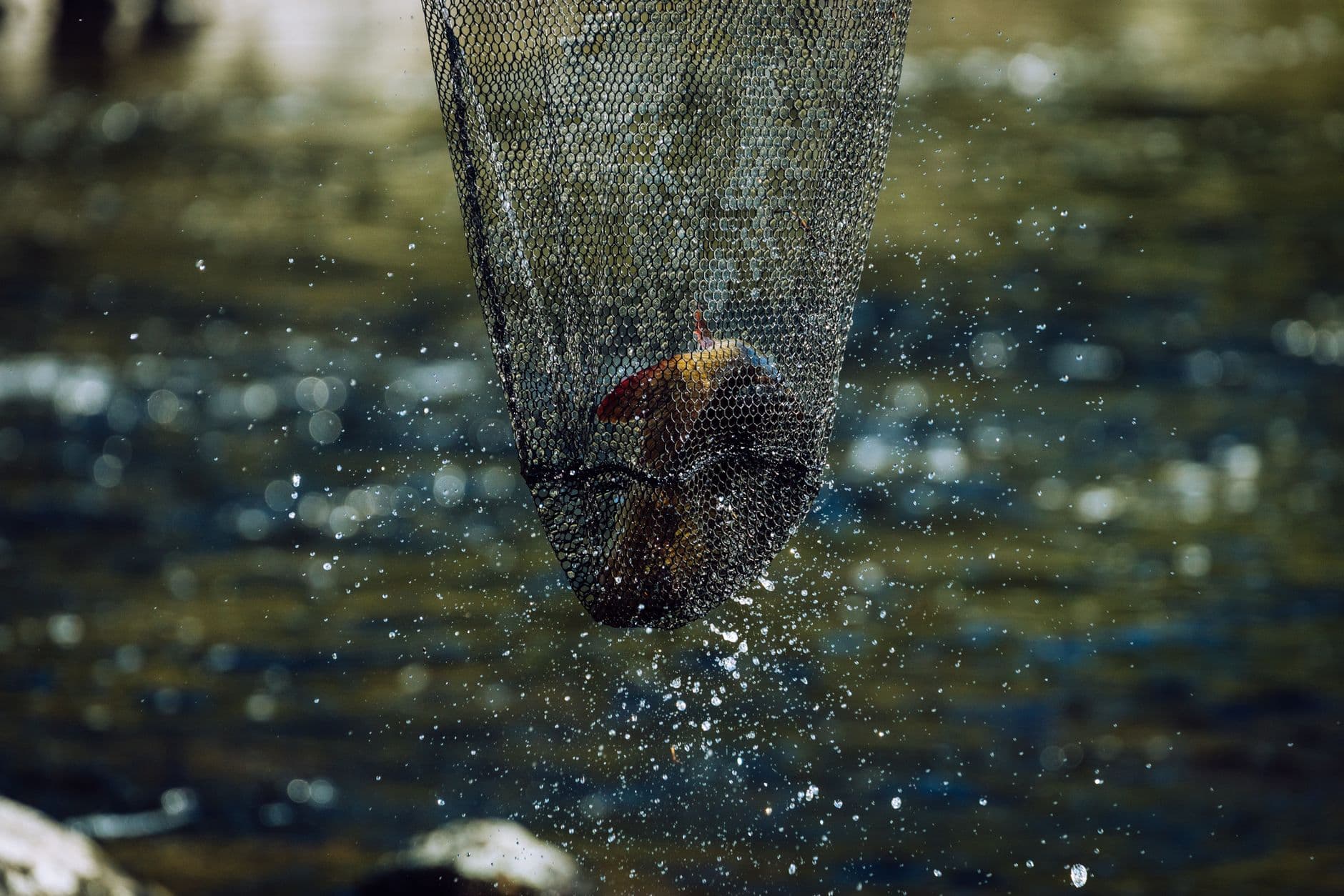
A landing net on small water is primarily a conservation tool. A netted trout is controlled in the water instead of being dragged onto gravel, which is exactly where release mortality comes from. Two features matter: soft rubber or silicone mesh, which does not strip slime or catch fins the way knotted nylon does and does not tangle flies, and a magnetic release on your pack so the net is out of the way until the moment you need it, then in your hand in one motion. Size it to your water — a small creek net you actually carry beats a big net left in the truck.
Two things worth more than they look
A wading staff is the cheapest safety equipment in fishing. A collapsible staff on your hip turns a sketchy crossing into a routine one and a fall into a wobble, and moving water is genuinely dangerous above knee depth. Polarized sunglasses are the other high-value item — they let you see fish, structure and your footing, and they protect your eyes from a badly timed cast. We do not cover sunglasses here; our sister site Polarized Club handles fishing eyewear properly.
With rod (fly or ultralight), waders and boots, flies or lures and a way to carry it all, you are equipped. The beginner gear guide has the full list with a running cost total.
Added to this hub since launch: the best fishing chest packs — the small-water alternative to a sling, with everything in front of you and above the waterline.
Added to this hub on 2026-10-13: Simms fishing packs, comparing the Tributary sling, chest and hip packs and the Tailwind backpack — and explaining why format, not capacity, is the decision that matters on a creek.
Explore Packs, Vests & Nets
The Best Fly Fishing Nets
Landing nets ranked for creek trout, where the net is a conservation tool. Five rubber-mesh picks from $19, why knotted nylon damages fish, and what size actually fits small water.
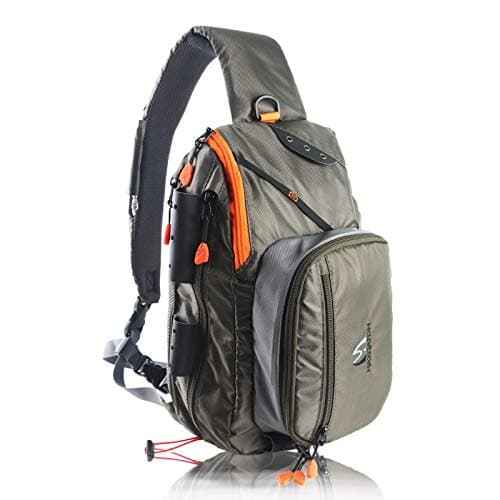
The Best Fly Fishing Sling Pack
Fishing sling packs ranked for creek and stream use. Five picks from $30 to $130, how much volume you actually need, and whether a waterproof sling pack is worth the premium.
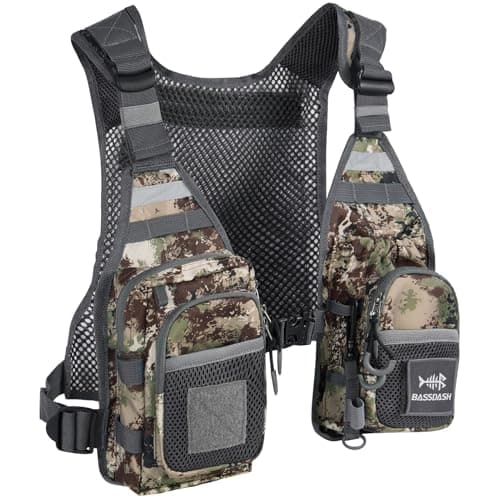
The Best Fly Fishing Vests & Chest Packs
Fly fishing vests and chest packs ranked for stream use. Five picks from $24 to $90, when a vest beats a sling, and the honest list of what belongs in the pockets.
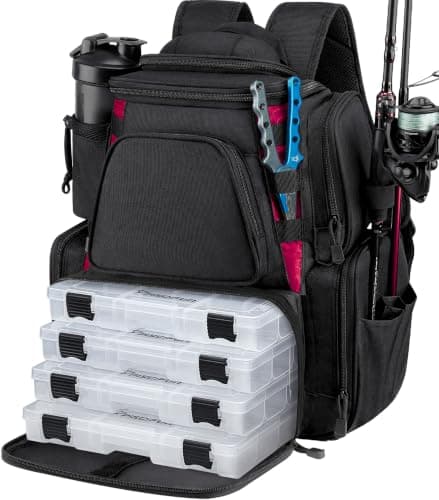
The Best Fishing Backpack
Five fishing backpacks with rod holders ranked, from a $35 budget 42L to an $84 50L. How much volume you actually need, what a rain cover is worth, and when a sling pack is the better buy.
The Best Fishing Chest Packs
Fishing chest packs ranked for creek and stream fishing. Five picks from $25 to $90, how a chest pack compares with a sling or a vest, and what actually fits in one.
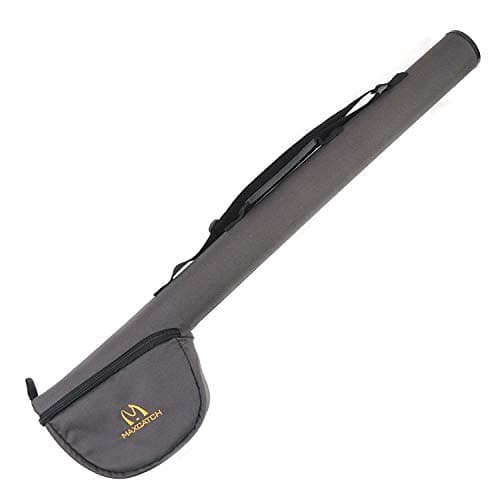
The Best Fly Fishing Travel Bags & Rod Cases
Fly fishing travel bags and rod travel tubes ranked by what they protect against: a rod-and-reel case for the trunk, a hard tube for flights, a four-rod gear bag for road trips and a wader duffel for wet kit.
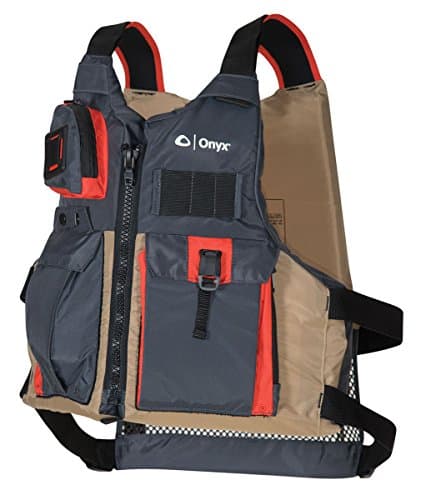
The Best Fishing Vests With a Life Jacket
Fishing vests with a life jacket built in: five USCG-approved PFD vests compared on buoyancy type, pocket layout and bulk, with guidance on what wading anglers need rather than boat anglers.
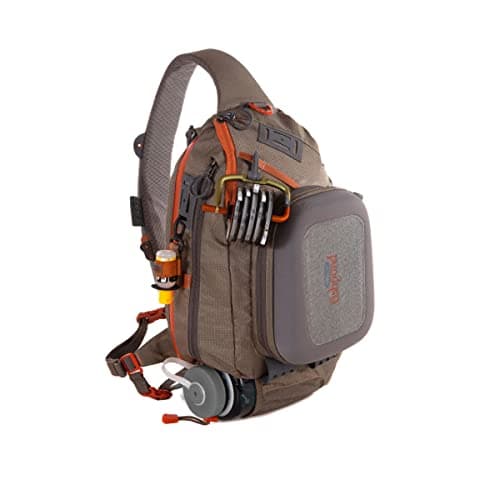
Patagonia Fishing Packs
The Patagonia Stealth Sling 10L, Stealth Hip Pack 11L and Stealth Work Station explained - materials, format and who each suits - plus the priced sling, hip pack and chest pack equivalents for small-stream anglers.
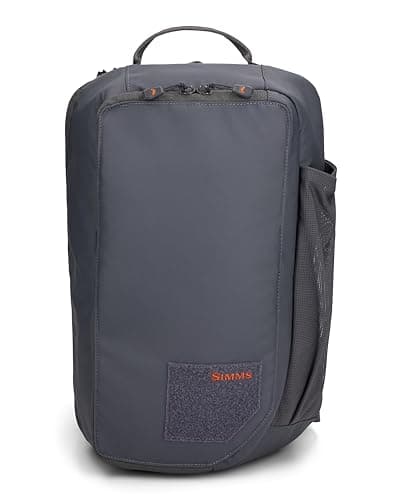
Simms Fishing Packs
Simms fishing packs compared: Tributary sling, chest and hip packs and the Tailwind backpack. Which format fits creek and stream fishing, what each carries, and the cheaper pack that does the same job.
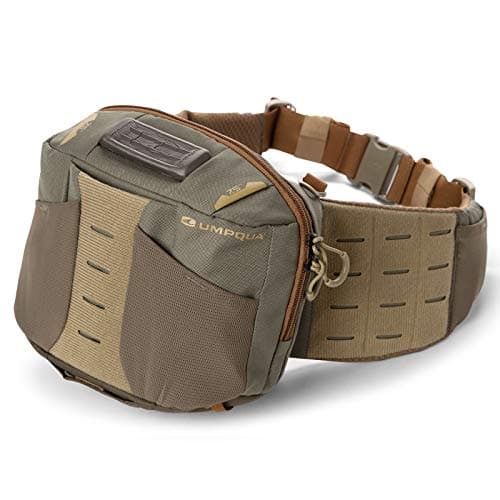
Umpqua Fishing Packs
Umpqua fishing packs compared: Ledges ZS2 500 and 650 waist packs, the Steamboat ZS2 1200 sling, the Northfork sling and the modular Swiftlink Overlook chest pack, with what Zero Sweep actually does for you.
Fly Fishing Vest vs Pack
Fly fishing vest vs sling pack vs chest pack vs hip pack: what each one changes about heat, wading depth, access and price, which suits brushy creeks, and one real pick for each style.
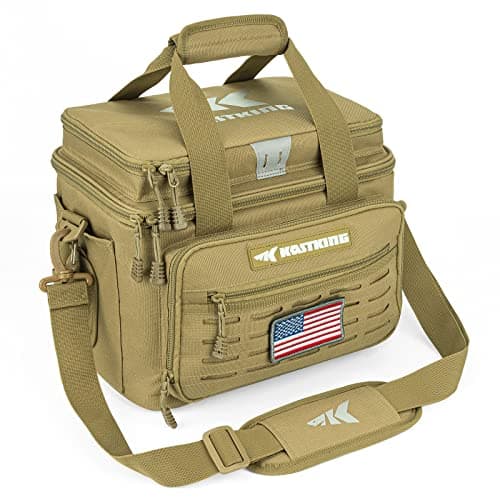
The Best Fishing Bags
Five fishing tackle bags from $23 to $56 compared on how many 3600 boxes they hold, waterproofing and carry style, plus when a bag is the wrong answer and you want a sling or a backpack instead.
Frequently asked questions
Is a sling pack or a vest better for fly fishing?
A sling pack suits most stream anglers: it carries a full day's gear on your back while you walk and cast, then swings to your front as a working surface. A vest is better if you prefer many small pockets at chest height with nothing to unclip, and it is cooler to work from in cold weather but hotter in summer.
What should I carry in a fly fishing pack for a day on a creek?
One or two fly or lure boxes, tippet, a spare tapered leader, nippers, forceps for unhooking, floatant if you fish dry flies, a few strike indicators, sunscreen, water and a waterproof phone case. Keep nippers and forceps clipped outside the pack - you use them constantly and they should not be behind a zip.
Why do fly fishing nets use rubber mesh?
Soft rubber or silicone mesh does not strip the protective slime layer from a trout or catch its fins the way knotted nylon does, which meaningfully improves survival after release. It also does not tangle hooks and flies, so unhooking a netted fish is faster and the fish spends less time out of the water.
Do I need a wading staff on small streams?
It is the cheapest safety gear you can buy and worth carrying on any water above knee depth. A collapsible staff on your hip gives you a third point of contact on slick, rounded cobble, turns risky crossings into routine ones, and folds out of the way when you are fishing.
Not sure where to start?
The beginner gear guide walks you through exactly what a new stream angler needs — the six essentials first, nice-to-haves later, with one safe-default pick per category.