Trout & Ultralight · Roundup
The Best Ultralight Spinning Reels
A trout reel has one hard job: pay out 4 lb line smoothly from a standstill. Almost every other specification on the box is irrelevant on a creek.
Disclosure: Creek Cover is reader-supported. If you buy through our links we may earn a commission, at no extra cost to you. It never changes which pick we tell a new angler to start with. Full disclosure.
Quick picks at a glance
Tap a pick to read the full write-up, or the price button to check it on Amazon.
- 1
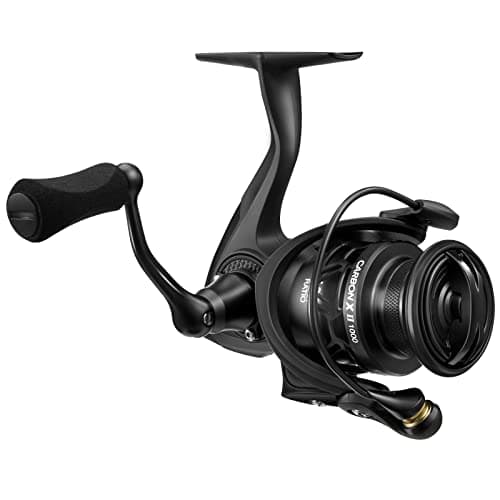
Five and a half ounces in the correct 1000 size, with a drag smooth enough at light settings to protect 4 lb line. Light, balanced and genuinely well made for the money.
Best for: Best ultralight spinning reel overall9.2 - 2
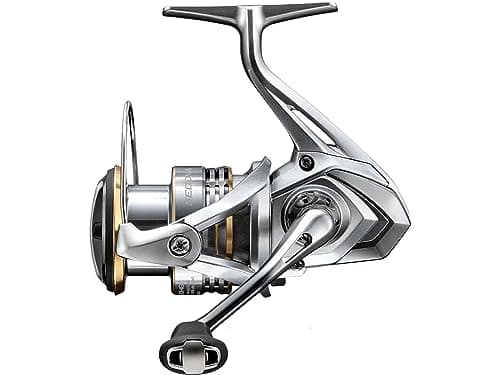
Shimano's entry trout reel, which means a drag and gear train from the company that sets the standard, plus parts availability years from now. The one here you keep.
Best for: Best buy-it-once reel9.3 - 3
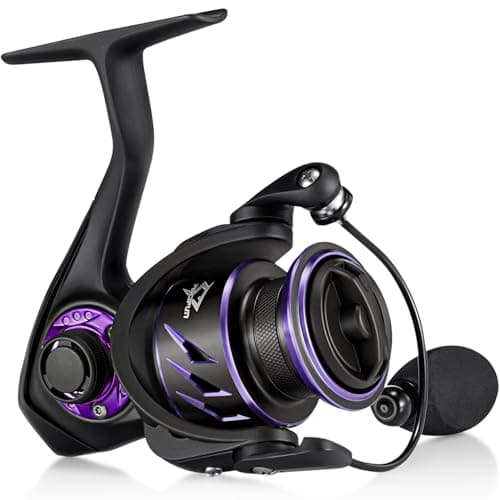
The cheapest reel here in the right size with a usable drag. If you are assembling a first creek setup and the rod is where your money is going, this does the job.
Best for: Best budget 1000-size reel8.6 - 4No image
A 500 size — smaller and lighter still, and the right match for a 5'6" rod where every ounce at the butt changes how the rod feels. A specialist choice, correctly specified.
Best for: Best for the shortest creek rods8.9 - 5No image
A compact 2000: the 1000-size body with a slightly larger spool. The sensible pick if one reel has to cover creek trout and the occasional pond or small river session.
Best for: Best if you also fish bigger water8.8
| # | Product | Best for | Score | Price |
|---|---|---|---|---|
| 1 | Piscifun Carbon X II Ultralight Spinning Reel, 1000 Size Five and a half ounces in the correct 1000 size, with a drag smooth enough at light settings to protect 4 lb line. Light, balanced and genuinely well made for the money. | Best ultralight spinning reel overall | 9.2 | $62.99View on Amazon#ad |
| 2 | Shimano Sedona FJ Spinning Reel, 1000 Size Shimano's entry trout reel, which means a drag and gear train from the company that sets the standard, plus parts availability years from now. The one here you keep. | Best buy-it-once reel | 9.3 | $89.99View on Amazon#ad |
| 3 | Piscifun Viper X Spinning Reel, 1000 Size The cheapest reel here in the right size with a usable drag. If you are assembling a first creek setup and the rod is where your money is going, this does the job. | Best budget 1000-size reel | 8.6 | $32.39View on Amazon#ad |
| 4 | No image Shimano Sedona 500 Spinning Reel A 500 size — smaller and lighter still, and the right match for a 5'6" rod where every ounce at the butt changes how the rod feels. A specialist choice, correctly specified. | Best for the shortest creek rods | 8.9 | Check price on Amazon#ad |
| 5 | No image Shimano C2000S Sedona Spinning Reel A compact 2000: the 1000-size body with a slightly larger spool. The sensible pick if one reel has to cover creek trout and the occasional pond or small river session. | Best if you also fish bigger water | 8.8 | Check price on Amazon#ad |
Buy a 1000-size reel and spool it with 4 lb monofilament. Our top pick, the Piscifun Carbon X II, is 5.5 ounces with a drag that behaves at light settings; the Shimano Sedona 1000 is the version you keep for a decade. The rest of this page is about why almost everything printed on a reel box does not matter for creek trout — and the one thing that does.
How we picked these
We compared published reel size, weight, gear ratio, bearing count and drag specification against creek trout fishing: 2–6 lb line, lures from 1/32 to 1/4 ounce, fish mostly under twelve inches, and all-day one-handed casting. We weighted size correctness and low weight first, then drag behavior at light settings, then parts availability. We deliberately ignored published maximum-drag figures, which are specified for species you are not fishing for. We do not bench-test drag curves; our method is on the how we research and pick page, and prices here are live and dated.
Why 1000 is the right size
Spinning reels are numbered by spool and body size: 500, 1000, 2000, 2500, 3000 and up. The number corresponds roughly to how much line of a given strength the spool holds, and it correlates directly with weight.
| Size | Typical use | Creek trout verdict |
|---|---|---|
| 500 | Micro lures, very short rods | Excellent on a 5'6" rod |
| 1000 | Trout, panfish, light finesse | The right default |
| 2000 / C2000 | Light all-round freshwater | Fine if one reel must do more |
| 2500 | Bass, walleye, general purpose | Too heavy — unbalances an ultralight rod |
| 3000+ | Bigger species, some saltwater | Wrong tool entirely |
A 2500 is the most commonly sold size and the wrong one here. It is the all-purpose freshwater reel, built for bass, and bolting one to a genuine ultralight rod makes the outfit butt-heavy and dead in the hand. You lose exactly the sensitivity you bought the rod for. A 1000 holds far more 4 lb line than you will ever need — spool capacity is simply not a constraint when no creek trout will take you past the first thirty feet.
Check balance before the first trip: assemble the rod, mount the reel, spool the line, then rest the whole outfit on one finger just in front of the reel seat. It should sit roughly level. If the butt drops hard, the reel is too big. The pairing logic in full is in the ultralight rod guide.
Drag: startup inertia is the real spec
Reel boxes advertise maximum drag — 20 lb, 33 lb — and on an ultralight reel that number is meaningless. You are fishing 4 lb line. Anything above about 2 lb of drag breaks you off before the reel is even working.
What actually matters is startup inertia: how much force it takes to get the spool turning from a dead stop. A cheap drag sticks, then releases in a jerk, and that jerk is what snaps light line when a better-than-average fish turns hard at close range. A good drag begins to slip smoothly and predictably at a very light setting.
This is the one place where paying more buys something real, and it is why the Shimano picks rate as highly as they do despite costing several times the budget option. It is also why published bearing counts are a poor proxy for quality — ten cheap bearings do not make a smooth drag.
Set the drag by hand, not by feel on the handle
Specifications you can ignore
Maximum drag. Covered above. A 33 lb figure on a trout reel is a number for the box.
Bearing count. Bearings are cheap. Their placement and quality matter, and neither is published. Six good bearings beat eleven poor ones.
Gear ratio. Ratio determines how much line comes in per handle turn. On a creek you are retrieving a spinner slowly and deliberately — a faster ratio just means you turn the handle less. It is not a performance factor here.
Saltwater sealing and corrosion ratings. You are standing in a trout stream.
Braid-ready spools. Useful on bass gear. For creek trout, monofilament is usually the better main line — it stretches, which is what forgives a hard strike on a short line.
Spooling it correctly
Most line problems on spinning reels are spooling problems, and they are easy to avoid.
Fill the spool to within about 1/8 inch of the lip. Underfilled and your casting distance drops noticeably; overfilled and line jumps off in loose coils every cast.
Let the line come off the filler spool in the same direction the reel winds it on. Lay the filler spool flat on the floor, label up, wind a few turns, then check for twist by letting out slack — if it coils, flip the filler spool over. Getting this wrong is the single most common cause of a reel that tangles every third cast.
Keep light tension while winding. Run the line between finger and thumb so it beds down tightly. Loosely spooled line digs into itself under load and then jams.
Replace it every season. Monofilament degrades in sunlight and takes a permanent memory from the spool. A fresh spool costs less than a lure and prevents the break-off that otherwise happens on your best fish of the year.
Keeping it alive
Creek reels get dunked, dropped on gravel and splashed constantly, which is harder on them than most freshwater use.
Rinse and dry after every trip. A quick rinse with fresh water and a wipe down, then leave it to dry fully with the drag backed off. Leaving the drag tight compresses the washers and is the main cause of a drag that becomes sticky over a season.
Never submerge it to clean it. You push grit past the seals rather than washing it away. Rinse, do not dunk.
A drop of reel oil on the handle knob and line roller once a season is genuinely all the maintenance a trout reel needs. The line roller is the part that seizes first, and a seized roller twists line badly.
Next: the rod to put it on, lures to tie on, and waders to reach the water. Weighing spinning against a fly setup? Read fly rod vs spinning rod for trout, and the beginner gear guide covers both routes.
Three related pages. For the reel and rod bought matched, see the best trout rod and reel combo; for a first general-freshwater setup rather than a trout one, the best fishing rods for beginners. And if you fish still water as well as creeks, trout lures for lakes and ponds covers the heavier spoons a 1000-size reel still handles.
Two brands come up so often they have their own pages. If you are deciding inside one catalog rather than across the market, the KastKing reels review covers the Zephyr, Centron and Kestrel SE and which sizes suit a creek, and the Piscifun reels review does the same for the Carbon X and Viper X.
The picks in detail
Piscifun Carbon X II Ultralight Spinning Reel, 1000 Size
9.2/10Best for: Best ultralight spinning reel overall
Five and a half ounces in the correct 1000 size, with a drag smooth enough at light settings to protect 4 lb line. Light, balanced and genuinely well made for the money.
- Size
- 1000
- Weight
- 5.5 oz
- Best for
- Creek trout, panfish
- Pair with
- Ultralight rod, 4 lb mono
- Light enough to balance a true ultralight rod
- Smooth drag at the light settings that matter
- Correct size — no excess spool capacity
- Not a legacy brand with decades of service history
- Carbon body feels less solid than metal
Shimano Sedona FJ Spinning Reel, 1000 Size
9.3/10Best for: Best buy-it-once reel
Shimano's entry trout reel, which means a drag and gear train from the company that sets the standard, plus parts availability years from now. The one here you keep.
- Size
- 1000 (SE1000FJ)
- Series
- Sedona FJ
- Best for
- Long-term ownership
- Smoothest drag and gear feel on this page
- Parts and service genuinely available
- Holds its value and its tolerances
- Roughly triple the budget picks
- Slightly heavier than the Carbon X
Piscifun Viper X Spinning Reel, 1000 Size
8.6/10Best for: Best budget 1000-size reel
The cheapest reel here in the right size with a usable drag. If you are assembling a first creek setup and the rod is where your money is going, this does the job.
- Size
- 1000
- Bearings
- 10+1
- Gear ratio
- 6.2:1
- Max drag
- 33 lb (far more than needed)
- Lowest cost in the correct size
- Plenty of bearings for the price
- Leaves budget for the rod
- Drag is coarse at very light settings
- Published max drag is marketing, not useful here
Shimano Sedona 500 Spinning Reel
8.9/10Best for: Best for the shortest creek rods
A 500 size — smaller and lighter still, and the right match for a 5'6" rod where every ounce at the butt changes how the rod feels. A specialist choice, correctly specified.
- Size
- 500
- Series
- Sedona (23)
- Best for
- 5'6"-6' creek rods
- Lightest option here — superb balance on a short rod
- Shimano drag quality
- Ideal for 2-4 lb line
- Too small if you also fish bigger water
- Limited line capacity (irrelevant on creeks)
Shimano C2000S Sedona Spinning Reel
8.8/10Best for: Best if you also fish bigger water
A compact 2000: the 1000-size body with a slightly larger spool. The sensible pick if one reel has to cover creek trout and the occasional pond or small river session.
- Size
- C2000S (compact body)
- Series
- Sedona (23)
- Best for
- Creek plus occasional bigger water
- Compact body keeps weight near a 1000
- More capacity for 6 lb line and larger fish
- Genuinely versatile
- Marginally heavy on a 5'6" rod
- More reel than a dedicated creek angler needs
Prices shown are from Amazon as of October 20, 2026 and change often — the button always goes to the current listing. Some links may earn us a commission at no extra cost to you. How this works.
Frequently asked questions
What size spinning reel is best for trout?
A 1000 size for most creek and stream trout fishing, or a 500 if you fish a very short rod and want the lightest possible outfit. A 1000 holds far more 4 lb line than you will ever need and keeps the reel light enough to balance an ultralight rod properly.
Is a 2500 reel too big for trout?
On an ultralight rod, yes. The 2500 is the most commonly sold size because it suits bass and general freshwater use, but it makes a light trout rod feel butt-heavy and kills the sensitivity you bought the rod for. Fit a 1000 and the whole outfit balances.
What drag setting should I use for trout on 4 lb line?
Light - lighter than most people expect. Pull line directly off the spool by hand and set the drag so it slips under a steady moderate pull. On a creek your fingers and the rod do the fighting; the drag only needs to stop a surprise fish breaking off instantly.
Does bearing count matter on a spinning reel?
Not much. Bearings are cheap, and what matters is their quality and placement, neither of which is published. Six well-made bearings outperform eleven poor ones. For trout fishing, drag smoothness at light settings is a far better indicator of a reel worth buying.
Sources
Keep reading
Not sure where to start?
The beginner gear guide walks you through exactly what a new stream angler needs — the six essentials first, nice-to-haves later, with one safe-default pick per category.