Fly Rods & Reels · Roundup
High Quality Fly Reels Worth Upgrading To
A trout reel holds line and applies gentle pressure, which is why a $40 reel works. These five are for the angler who has fished one for three seasons and wants to know what the extra $200 actually buys.
Disclosure: Creek Cover is reader-supported. If you buy through our links we may earn a commission, at no extra cost to you. It never changes which pick we tell a new angler to start with. Full disclosure.
Quick picks at a glance
Tap a pick to read the full write-up, or the price button to check it on Amazon.
- 1
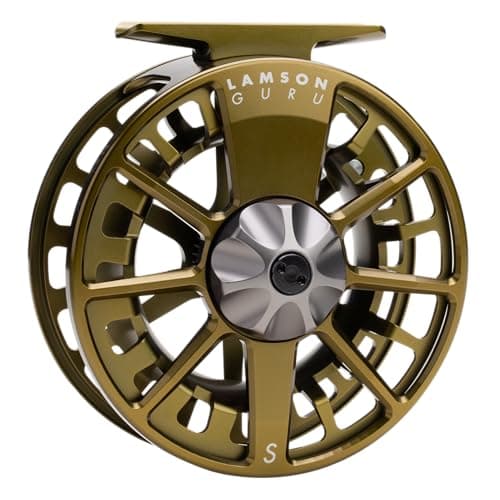
Lamson's sealed conical drag is the one genuinely meaningful upgrade over a cast reel: it starts up without a bump, it does not care about grit, and it needs no servicing. Around $300 buys that in a machined frame sized for 4 to 6 weight rods, which is the whole trout range.
Best for: Best high-end trout reel overall9.5 - 2
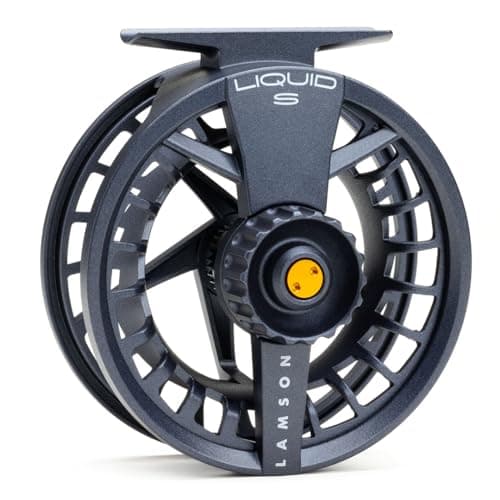
The same sealed-drag idea in a cast frame rather than a machined one, sized for 2 to 4 weight rods — which is exactly what a creek angler fishes. Half the Guru's price and 90% of what matters on small water.
Best for: Best value route to a sealed drag9.3 - 3
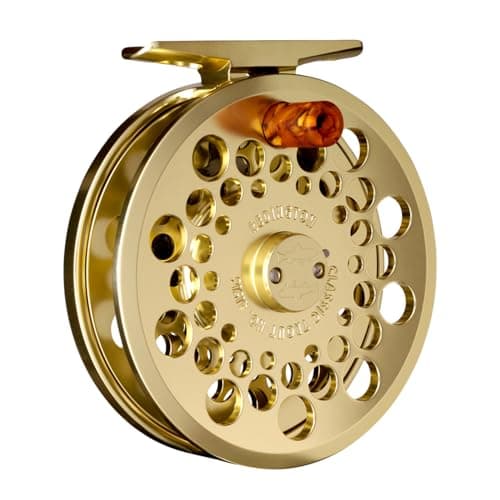
A machined click-and-pawl reel, which is a deliberate step sideways rather than up: less drag, more noise, more pleasure. On a creek where no fish will ever run into the backing, a click-pawl is the honest choice and the one experienced small-water anglers keep buying.
Best for: Best for anglers who want the sound9.2 - 4
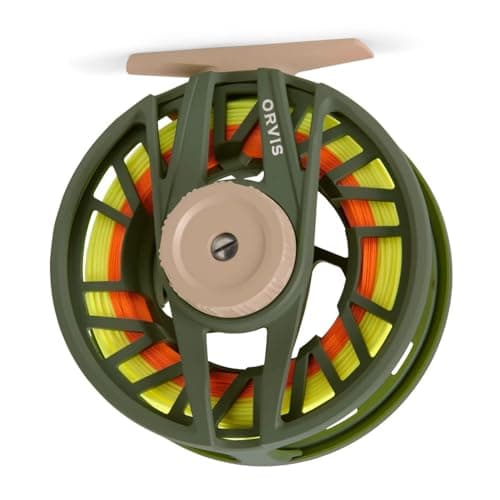
A large-arbor reel with a corrosion-resistant drag from the company most likely to still sell you a spare spool in 2036. Not the most exciting reel here; comfortably the easiest one to live with and to service.
Best for: Best supported upgrade9.1 - 5
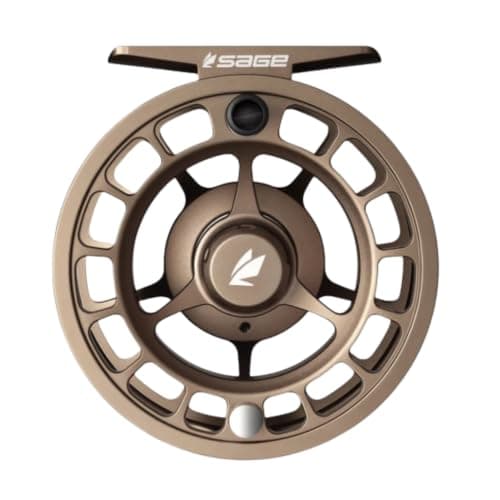
A sealed carbon drag in a large-arbor Sage frame — the reel to buy if you have decided the reel is part of why you fish rather than a line holder. On a creek it is more machine than the job needs, and that is a legitimate reason to want it.
Best for: Best if the reel is the point9.0
| # | Product | Best for | Score | Price |
|---|---|---|---|---|
| 1 | LAMSON Guru S-Series Fly Fishing Reel, All-Water, 4wt-6wt Lamson's sealed conical drag is the one genuinely meaningful upgrade over a cast reel: it starts up without a bump, it does not care about grit, and it needs no servicing. Around $300 buys that in a machined frame sized for 4 to 6 weight rods, which is the whole trout range. | Best high-end trout reel overall | 9.5 | $297.49View on Amazon#ad |
| 2 | LAMSON Liquid -3+ S-Series Fly Reel, 2wt-4wt The same sealed-drag idea in a cast frame rather than a machined one, sized for 2 to 4 weight rods — which is exactly what a creek angler fishes. Half the Guru's price and 90% of what matters on small water. | Best value route to a sealed drag | 9.3 | $159.99View on Amazon#ad |
| 3 | Redington Classic Trout Fly Reel, Click-and-Pawl, CNC-Machined A machined click-and-pawl reel, which is a deliberate step sideways rather than up: less drag, more noise, more pleasure. On a creek where no fish will ever run into the backing, a click-pawl is the honest choice and the one experienced small-water anglers keep buying. | Best for anglers who want the sound | 9.2 | $220.00View on Amazon#ad |
| 4 | Orvis Clearwater Fly Fishing Reel, Large-Arbor A large-arbor reel with a corrosion-resistant drag from the company most likely to still sell you a spare spool in 2036. Not the most exciting reel here; comfortably the easiest one to live with and to service. | Best supported upgrade | 9.1 | $149.00View on Amazon#ad |
| 5 | Sage Shift Large Arbor Fly Reel, Sealed Carbon Drag A sealed carbon drag in a large-arbor Sage frame — the reel to buy if you have decided the reel is part of why you fish rather than a line holder. On a creek it is more machine than the job needs, and that is a legitimate reason to want it. | Best if the reel is the point | 9.0 | $360.00View on Amazon#ad |
Upgrade to the Lamson Guru S-Series if you want one answer: a machined frame and a sealed conical drag that never needs maintenance, at around $300. For creek rods specifically, the Liquid -3+ gets you the same sealed drag in a 2 to 4 weight size for half that. If what you actually want is the sound of a reel rather than more drag, buy the Redington Classic Trout click-pawl and enjoy it. This page is written for the angler upgrading, not starting out.
What the money actually changes
Drag startup, first and most. Cheap drags stick for a fraction of a turn before they release. That moment is when a 5X tippet breaks. A sealed, well-engineered drag comes alive smoothly, and that is the single difference you can feel on a fish.
Grit tolerance, second. An open drag stack full of creek sand becomes jerky and stays jerky. A sealed drag does not take sand in at all, which is why it also never needs stripping down.
Frame stiffness, third. A machined frame holds the spool concentric under load, so the spool never rubs the frame. Cast frames flex a little more; on trout weights you will rarely load them enough to notice.
What does not change: how many fish you catch. On small water nothing takes line past the leader. An honest high-end reel purchase is about feel, longevity and pleasure, and it is worth saying that plainly.
Sealed drags, explained
A sealed drag puts the friction surfaces inside a closed housing so water, sand and grit cannot reach them. That matters on a creek for an unobvious reason: you set a reel down in gravel every time you unhook a fish.
The maintenance difference is the real benefit. An unsealed drag wants cleaning and occasional lubrication. A sealed one wants a rinse under a tap and nothing else, for a decade.
| Feature | $40 reel | $150-$300 reel | Matters on a creek? |
|---|---|---|---|
| Drag startup | Slight stick | Smooth from rest | Yes - it is the whole upgrade |
| Sealing | Open stack | Usually sealed | Yes - gravel and sand |
| Frame | Cast | Cast or machined | Rarely - trout do not load it |
| Spare spools | Sometimes | Usually, for years | Yes if you swap lines |
| Backing capacity | Plenty | Plenty | No - never used |
Click-pawl or disc drag
A click-pawl reel applies a fixed, light resistance and makes a noise doing it. It is the traditional trout mechanism, it weighs less, and there is almost nothing to go wrong. On a creek it is entirely sufficient — you palm the rim if a fish genuinely runs.
A disc drag is adjustable and much stronger. You need it for bass, carp and anything saltwater, and it is the sensible choice if one reel has to cover everything. If bass are part of the plan, the flies that catch them are in the bass fly roundup.
The honest split: if this reel lives on a 3 or 4 weight creek rod, click-pawl is a pleasure rather than a compromise. If it is your only fly reel, buy the disc.
Machined or cast
Machined means cut from solid bar stock; cast means poured into a mold. Machined frames are stiffer and more precise, and cost more because the process wastes material and time.
On 2 to 5 weight reels the practical gap is small. A good cast reel with a sealed drag — the Liquid, for instance — outperforms a machined reel with a mediocre open drag. Prioritize the drag over the frame.
Buy the spare spool at the same time
Arbor size is the other thing worth understanding. A large arbor winds line back faster and stores it in wider coils, so the line comes off with less memory and fewer tangles — which on a creek matters more than drag ever will, because you are stripping line in and picking it back up all day. A classic small arbor holds more backing you will never use and coils the line tighter. If a reel is sold in both, buy the large arbor.
Matching the reel to the rod
Match the line weight range, not the brand. A reel listed for 4 to 6 weight fits a 5 weight rod with its line and some backing. Going a size up to get more backing adds weight at the worst end of the rod.
Check the balance point. With line on, hold the rod at the front of the grip: it should sit close to level. A reel too light leaves the tip heavy, which tires your wrist just as surely as one too heavy.
And if the rod is the weaker half, fix that first. A $300 reel on a $60 rod is money in the wrong place on small water — the argument is laid out in the high-end fly rod roundup.
When to keep the reel you have
If your line is more than two seasons old. A new fly line transforms how a setup casts far more than a new reel does, and costs a third as much.
If you have never had a fish take line off the reel. That is normal on creeks, and it means the drag has never been tested. Upgrade for feel if you want to — just know what you are buying.
If the budget is one purchase and the rod is nine feet long. A shorter rod changes creek fishing more than any reel can. Start with the main fly rod roundup, or with the trout fly reel roundup if you simply need a second reel that works.
And the honest counter-argument to this whole page. On creek trout a machined $50 reel does the same job — the best fly reel for the money ranks five budget reels and sets out exactly what they give up.
The picks in detail
LAMSON Guru S-Series Fly Fishing Reel, All-Water, 4wt-6wt
9.5/10Best for: Best high-end trout reel overall
Lamson's sealed conical drag is the one genuinely meaningful upgrade over a cast reel: it starts up without a bump, it does not care about grit, and it needs no servicing. Around $300 buys that in a machined frame sized for 4 to 6 weight rods, which is the whole trout range.
- Suits
- 4-6 weight rods
- Drag
- Sealed conical
- Frame
- Machined aluminum
- Sealed drag ignores sand and water
- No maintenance beyond rinsing
- Spare spools available
- More drag than any trout will ever ask for
- Plainer finish than show-piece reels
LAMSON Liquid -3+ S-Series Fly Reel, 2wt-4wt
9.3/10Best for: Best value route to a sealed drag
The same sealed-drag idea in a cast frame rather than a machined one, sized for 2 to 4 weight rods — which is exactly what a creek angler fishes. Half the Guru's price and 90% of what matters on small water.
- Suits
- 2-4 weight rods
- Drag
- Sealed
- Frame
- Cast aluminum
- Sealed drag at $160
- Right size for small-stream rods
- Light for the class
- Cast frame, not machined
- Finish scuffs more easily than the Guru
Redington Classic Trout Fly Reel, Click-and-Pawl, CNC-Machined
9.2/10Best for: Best for anglers who want the sound
A machined click-and-pawl reel, which is a deliberate step sideways rather than up: less drag, more noise, more pleasure. On a creek where no fish will ever run into the backing, a click-pawl is the honest choice and the one experienced small-water anglers keep buying.
- Drag
- Click-and-pawl
- Frame
- CNC-machined, large arbor
- Suits
- Trout weights
- Machined build with a classic mechanism
- The sound is the point
- Simple enough to never fail
- Little real stopping power
- Wrong reel if you ever fish bass or salt
Orvis Clearwater Fly Fishing Reel, Large-Arbor
9.1/10Best for: Best supported upgrade
A large-arbor reel with a corrosion-resistant drag from the company most likely to still sell you a spare spool in 2036. Not the most exciting reel here; comfortably the easiest one to live with and to service.
- Arbor
- Large
- Drag
- Corrosion-resistant disc
- Support
- Orvis stores plus mail-in
- Spare spools stay available for years
- Easy warranty access
- Balances Clearwater rods exactly
- Heavier than the Lamsons
- Unremarkable to look at
Sage Shift Large Arbor Fly Reel, Sealed Carbon Drag
9.0/10Best for: Best if the reel is the point
A sealed carbon drag in a large-arbor Sage frame — the reel to buy if you have decided the reel is part of why you fish rather than a line holder. On a creek it is more machine than the job needs, and that is a legitimate reason to want it.
- Drag
- Sealed carbon
- Arbor
- Large
- Suits
- Heavier line weights
- Serious sealed drag
- Sage build and support
- Handles anything freshwater
- Sized above most creek fishing
- The most expensive reel here
Prices shown are from Amazon as of October 20, 2026 and change often — the button always goes to the current listing. Some links may earn us a commission at no extra cost to you. How this works.
Frequently asked questions
Are expensive fly reels worth it for trout?
For feel and longevity, yes; for catching more trout, no. On small water nothing runs into the backing, so the drag is rarely tested. What you buy at $150 to $300 is a drag that starts up smoothly without sticking, a sealed housing that ignores grit, and spare spools that stay available for years.
What is a sealed drag and does it matter?
A sealed drag encloses the friction surfaces so water, sand and grit cannot reach them. It matters on creeks mainly because you set the reel down in gravel constantly, and because a sealed drag needs nothing but a rinse for its whole life - no stripping down, no lubrication.
Click-pawl or disc drag for a small-stream fly reel?
Click-pawl is enough for creek trout and is lighter, simpler and more enjoyable, since you palm the rim if a fish actually runs. Choose a disc drag if the same reel has to handle bass, carp or anything saltwater, or if you only want to own one fly reel.
How much should I spend on a trout fly reel?
Around $150 buys a sealed drag in the right size for a 3 to 5 weight rod, which is the meaningful upgrade. Near $300 adds a machined frame and a stronger drag. Above that you are paying for finish and brand rather than anything a trout will test.
Sources
Keep reading
Not sure where to start?
The beginner gear guide walks you through exactly what a new stream angler needs — the six essentials first, nice-to-haves later, with one safe-default pick per category.