Fly Rods · Roundup
The Best Fly Line
The line is what you actually cast — the rod just bends. It is also the component every budget outfit economizes on, which makes it the highest-return upgrade in the sport.
Disclosure: Creek Cover is reader-supported. If you buy through our links we may earn a commission, at no extra cost to you. It never changes which pick we tell a new angler to start with. Full disclosure.
Quick picks at a glance
Tap a pick to read the full write-up, or the price button to check it on Amazon.
- 1
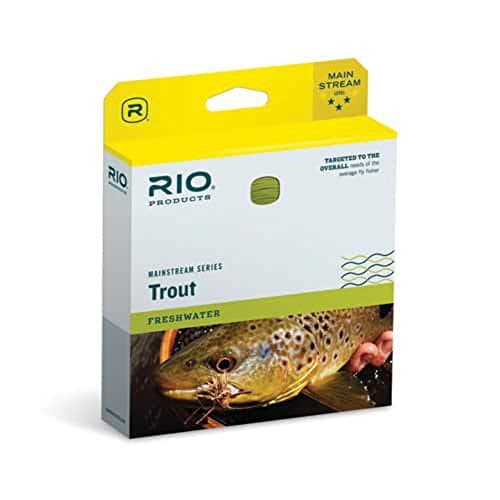
A weight-forward floating taper built for ordinary trout fishing rather than for distance records. It loads a rod at the short range creeks actually demand, and it floats without needing dressing every hour.
Best for: Best fly line for trout overall9.4 - 2
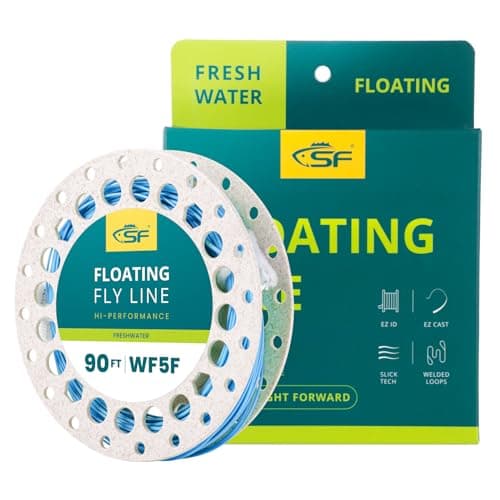
A perfectly competent weight-forward floating line at under twenty dollars, with welded loops so you can attach a leader without tying a nail knot. For a first line, or for replacing the junk that came on a kit, this is the right buy.
Best for: Best fly line for beginners9.1 - 3
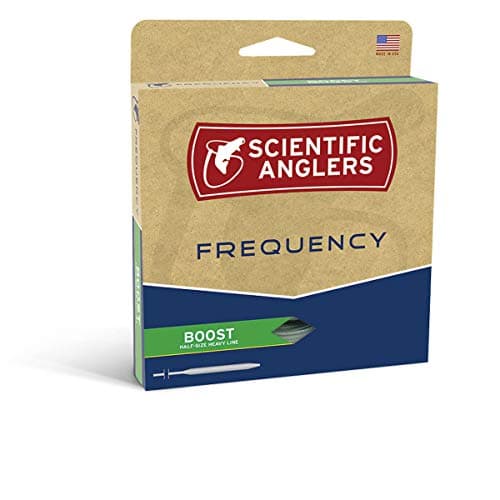
A half-size-heavy front taper that loads a stiff modern rod quickly, which is exactly what fast-action blanks need at short range. The best-casting line here and the most expensive.
Best for: Best for fast-action rods9.3 - 4
A double taper lands a dry fly more delicately than any weight-forward line, because the mass is distributed evenly rather than concentrated up front. It also reverses when one end wears — two lines in one box.
Best for: Best fly line for dry flies9.2 - 5
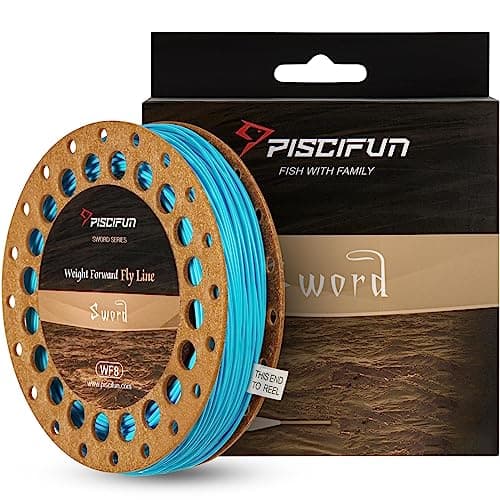
Twelve dollars for a hundred feet of weight-forward floating line with a welded loop. It is the cheapest way to replace a dead kit line, and it is unambiguously better than what it replaces.
Best for: Best budget line8.6
| # | Product | Best for | Score | Price |
|---|---|---|---|---|
| 1 | Rio Mainstream Trout Fly Fishing Line, Weight Forward Floating A weight-forward floating taper built for ordinary trout fishing rather than for distance records. It loads a rod at the short range creeks actually demand, and it floats without needing dressing every hour. | Best fly line for trout overall | 9.4 | $49.99View on Amazon#ad |
| 2 | SF Fly Line, Weight Forward Floating WF5F, 90 ft A perfectly competent weight-forward floating line at under twenty dollars, with welded loops so you can attach a leader without tying a nail knot. For a first line, or for replacing the junk that came on a kit, this is the right buy. | Best fly line for beginners | 9.1 | $19.99View on Amazon#ad |
| 3 | Scientific Anglers Frequency Boost Fly Line, WF5F A half-size-heavy front taper that loads a stiff modern rod quickly, which is exactly what fast-action blanks need at short range. The best-casting line here and the most expensive. | Best for fast-action rods | 9.3 | $59.95View on Amazon#ad |
| 4 | Rio Mainstream Trout Fly Line, Double Taper A double taper lands a dry fly more delicately than any weight-forward line, because the mass is distributed evenly rather than concentrated up front. It also reverses when one end wears — two lines in one box. | Best fly line for dry flies | 9.2 | $49.99View on Amazon#ad |
| 5 | Piscifun Sword Fly Fishing Line with Welded Loop, WF5wt, 100 ft Twelve dollars for a hundred feet of weight-forward floating line with a welded loop. It is the cheapest way to replace a dead kit line, and it is unambiguously better than what it replaces. | Best budget line | 8.6 | $12.59View on Amazon#ad |
The best fly line for trout is the Rio Mainstream Trout weight-forward floating — for anyone fishing nymphs and dries on creeks and small rivers, which is most trout anglers. If this is your first line or you are replacing a kit line, the SF WF5F at under twenty dollars is the sensible buy. If you fish dry flies almost exclusively, the double-taper Mainstream lands them more softly than any weight-forward line can.
Here is the thing almost nobody tells a beginner: the line is the thing you cast.A fly weighs nothing, so there is nothing for the rod to throw except the line's own mass. The rod is a lever that bends and unbends; the line is the projectile. Which is why a good line on a cheap rod casts better than a bad line on an expensive one, every time.
How we picked these
We selected for short-range loading above everything else, because that is what small water demands. Most fly line marketing is about distance, and most creek casts are twenty feet. A line that needs forty feet out of the tip before the rod loads is the wrong line for a stream, however well it reviews.
Beyond that we judged published taper profile, density, length, whether welded loops are included, and the stated weight designation against standard ratings. We chose one line per job — general trout, beginner, fast rod, dry fly, budget — rather than five weight-forward floating fives.
We do not run casting-distance trials or claim hours on water we have not logged; the method is on the how we research and pick page. Every price on this page is read live and carries a date stamp.
Why line matters more than the rod
Three reasons, and they compound.
First, physics. In every other kind of fishing the lure provides the casting weight. In fly fishing the line does, so line mass and its distribution along the line are the whole casting system. Change the line and you have genuinely changed how the rod behaves.
Second, this is where kits save money. A manufacturer building a hundred-dollar outfit has three components to economize on, and the line is invisible on a spec sheet. So that is where it happens. The practical result: a budget outfit casts worse than its rod deserves, and the owner concludes the rod is bad. It usually is not. Our combo roundup covers which outfits ship with a line worth keeping.
Third, the cost ratio. A quality line is twenty to sixty dollars against rods at eighty to four hundred. Replacing the line is the cheapest meaningful upgrade available in fly fishing, and if your casting feels like hard work it is the first thing to change — before a lesson, and well before a new rod.
If you buy one thing after a kit
How to choose fly line: the three decisions
Fly line codes look impenetrable and describe only three things. WF5F means weight forward, 5-weight, floating. That is it.
| Decision | Options | What to pick for creek trout |
|---|---|---|
| Taper | WF (weight forward), DT (double taper) | WF for general use; DT if you fish dries almost exclusively |
| Weight | 1 through 12 | Match your rod exactly — a 5wt rod takes a 5wt line |
| Density | F (floating), S (sinking), F/S (sink tip) | Floating, always, for stream trout |
For creek and stream trout the answer is almost always WF floating, matched to your rod weight. Sinking and sink-tip lines are for lakes and for streamer fishing deep rivers, and they are a second line rather than a first one. If you want a sink tip later, see the reel guide on spare spools — swapping spools is cheaper than a second reel.
Taper: weight forward or double taper
This is the one genuinely interesting decision, and it is a trade between distance and delicacy.
Weight forward concentrates mass in the front thirty feet. It loads the rod quickly, shoots line easily, and turns over a weighted nymph or a bulky fly in wind. It is the right default and it is what four of the five lines here are.
Double taper distributes mass evenly, tapering down at both ends. That means a softer landing — the line settles rather than slaps, which matters when a dry fly is sitting on flat water and a trout is looking up. Two further advantages on small water: double taper roll-casts beautifully, which is how you cast when trees are behind you; and when one end wears out you reverse it and have a new line.
The cost: a double taper will not shoot line for distance, and it struggles to turn over heavy flies or cut wind. If you fish one line on a creek with a mix of nymphs and dries, buy weight forward. If you fish dry flies on flat water and cast under thirty feet, double taper is genuinely better.
Line weight, and when to go half a size up
Match the line weight to the rod weight. A 5-weight rod is designed around the mass of 5-weight line, and that is where its action works. This is not a place to improvise.
The one real exception: a stiff, fast-action rod fished at short range can be under-loaded by its nominal line, because there is not enough line out of the tip to bend the blank. Going half a size up — or buying a line like the Frequency Boost, which is built half-heavy — fixes that. It is a real technique, not a workaround.
Do not do it on a soft or moderate rod. A heavier line on an already-soft blank over-bends it, the loop collapses, and accuracy goes. If you are not sure what action your rod is, assume moderate and match the weight exactly. Our fly rod weight guide covers which weight suits which water, and the fly rod roundup lists the actions of each pick.
Cleaning line, and when to replace it
Fly line fails gradually and people tolerate it for years without realizing. Two maintenance habits and one replacement rule cover it.
Clean it.A fly line picks up algae, grit and sunscreen, and a dirty line floats worse, shoots worse and abrades the rod guides. Wipe it down with a damp cloth every few trips — that is the whole procedure, and it restores most of a tired line's performance.
Stretch it before fishing. Line stored on a reel takes a set and comes off in coils. Pull off thirty feet and stretch it gently between your hands before the first cast. Coiled line tangles, catches on everything and will not shoot.
Replace it when the tip sinks, cracks appear, or it will not float after cleaning. A well-treated line lasts several seasons of regular use. A line that has been left in a hot car, dragged over gravel or stored under tension for a winter will be done much sooner. If you are unsure, the tell is the first ten feet: if it sinks after cleaning, the coating is gone and no amount of dressing brings it back.
Line demand runs steadily from March through September and peaks in September, which is a reasonable buying signal in itself — autumn is when people discover that the line they fished all summer is finished. Also worth knowing: the leader and tippet in front of the line are separate consumables and need replacing far more often. The beginner gear guide covers the whole line-leader-tippet system in order.
Two next steps: how to tie tippet to leader covers the joins between this line and the fly, and the trout reel guide covers the reel this line is going onto.
Streamers are the one job a floating line cannot always do. If you fish weighted flies down and across, the sink-tip options are ranked in the best fly line for streamers. For what goes on the end of any of them, fly line, leader and tippet explained decodes the leader and the X sizing system.
The picks in detail
Rio Mainstream Trout Fly Fishing Line, Weight Forward Floating
9.4/10Best for: Best fly line for trout overall
A weight-forward floating taper built for ordinary trout fishing rather than for distance records. It loads a rod at the short range creeks actually demand, and it floats without needing dressing every hour.
- Taper
- Weight forward (WF)
- Density
- Floating
- Best for
- General trout, nymphs and dries
- Range
- Short to medium casts
- Loads the rod at short creek range
- Floats reliably with minimal maintenance
- The taper most trout anglers actually need
- Not the longest-casting line here
- Costs more than twice the budget options
SF Fly Line, Weight Forward Floating WF5F, 90 ft
9.1/10Best for: Best fly line for beginners
A perfectly competent weight-forward floating line at under twenty dollars, with welded loops so you can attach a leader without tying a nail knot. For a first line, or for replacing the junk that came on a kit, this is the right buy.
- Taper
- Weight forward
- Length
- 90 ft
- Loops
- Welded
- Best for
- First line, kit replacement
- Welded loops — no knots to tie
- A third of the price of premium lines
- A clear upgrade on any kit-supplied line
- Coating wears faster than premium lines
- Develops memory coils in cold weather
Scientific Anglers Frequency Boost Fly Line, WF5F
9.3/10Best for: Best for fast-action rods
A half-size-heavy front taper that loads a stiff modern rod quickly, which is exactly what fast-action blanks need at short range. The best-casting line here and the most expensive.
- Taper
- Weight forward, boosted front
- Weight
- Half size heavy
- Best for
- Fast-action rods, short loads
- Density
- Floating
- Loads a stiff rod with very little line out
- Best turnover of a weighted nymph rig here
- Durable coating
- Overloads a soft or moderate-action rod
- The most expensive line on this page
Rio Mainstream Trout Fly Line, Double Taper
9.2/10Best for: Best fly line for dry flies
A double taper lands a dry fly more delicately than any weight-forward line, because the mass is distributed evenly rather than concentrated up front. It also reverses when one end wears — two lines in one box.
- Taper
- Double taper (DT)
- Density
- Floating
- Best for
- Dry flies, delicate presentation
- Bonus
- Reversible when one end wears
- The softest presentation of any line here
- Excellent roll casting on tight creeks
- Reversible, so it lasts twice as long
- Will not cast as far as a weight-forward line
- Struggles to turn over heavy nymph rigs or wind
Piscifun Sword Fly Fishing Line with Welded Loop, WF5wt, 100 ft
8.6/10Best for: Best budget line
Twelve dollars for a hundred feet of weight-forward floating line with a welded loop. It is the cheapest way to replace a dead kit line, and it is unambiguously better than what it replaces.
- Taper
- Weight forward
- Length
- 100 ft
- Loops
- Welded front loop
- Best for
- Spare spools, kit replacement
- Lowest price here by a wide margin
- Welded loop included
- Good as a second line on a spare spool
- Coating is the first thing to go
- Floats less reliably than the Rio once dirty
Prices shown are from Amazon as of October 20, 2026 and change often — the button always goes to the current listing. Some links may earn us a commission at no extra cost to you. How this works.
Frequently asked questions
What is the best fly line for trout?
A weight-forward floating line matched to your rod weight — the Rio Mainstream Trout is the standard recommendation because its taper loads a rod at the short ranges creeks actually demand rather than at distance. If you fish dry flies almost exclusively, a double taper lands them more softly.
How do I choose a fly line?
Three decisions. Taper: weight forward for general use, double taper for delicate dry-fly work. Weight: match your rod exactly, so a 5-weight rod takes a 5-weight line. Density: floating, always, for stream trout. A code like WF5F means weight forward, 5-weight, floating — that is all it describes.
What is the difference between weight forward and double taper fly line?
Weight forward concentrates mass in the front thirty feet, so it loads the rod fast, shoots line for distance and turns over heavy or bulky flies. Double taper spreads mass evenly, so it lands a dry fly more softly, roll-casts better on tight creeks, and can be reversed when one end wears out. Weight forward is the better default.
What is the best fly line for beginners?
A weight-forward floating line with welded loops in your rod's weight, such as the SF WF5F at under twenty dollars. Welded loops mean you attach a leader without tying a nail knot. It is also the first upgrade to make on any kit outfit, because the line is where manufacturers economize.
Should I buy a heavier fly line than my rod?
Only on a stiff, fast-action rod fished at short range, where the nominal line may not have enough mass out of the tip to load the blank. Going half a size up fixes that. Never do it on a soft or moderate-action rod — a heavier line over-bends it and the loop collapses.
How often should you replace fly line?
When the first ten feet sinks after cleaning, when the coating cracks, or when it will not float properly despite being clean. A well-kept line lasts several seasons; one stored in a hot car, dragged over gravel or left under tension over winter fails much sooner. Clean it with a damp cloth every few trips and stretch it before fishing.
Sources
Keep reading
Not sure where to start?
The beginner gear guide walks you through exactly what a new stream angler needs — the six essentials first, nice-to-haves later, with one safe-default pick per category.