Waders · Roundup
The Best Base Layers to Wear Under Waders
Breathable waders have no insulation at all — they are a shell. Everything that keeps you warm in 45-degree water is what you put on underneath, and cotton is the thing that makes people cold.
Disclosure: Creek Cover is reader-supported. If you buy through our links we may earn a commission, at no extra cost to you. It never changes which pick we tell a new angler to start with. Full disclosure.
Quick picks at a glance
Tap a pick to read the full write-up, or the price button to check it on Amazon.
- 1
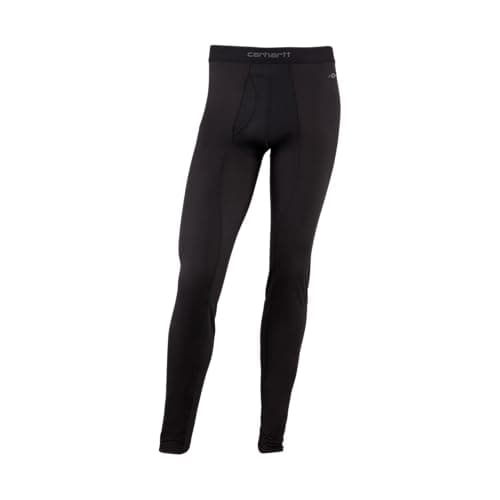
The one to buy if you fish cold water regularly. Heavyweight synthetic with real stretch, which matters because a base layer that binds at the knee when you climb a bank is one you will stop wearing. Dries far faster than cotton or wool.
Best for: Best base layer under waders overall9.1 - 2
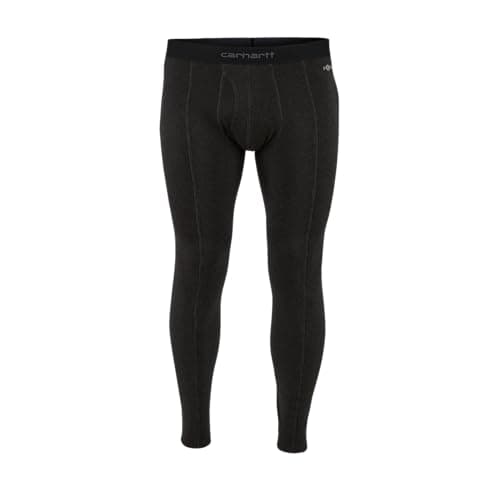
A merino-blend fleece, which gets you wool's warmth-when-damp behavior with synthetic durability and faster drying. This is the layer for 38-degree water in February, and it is too much for anything milder.
Best for: Warmest option for winter water9.0 - 3
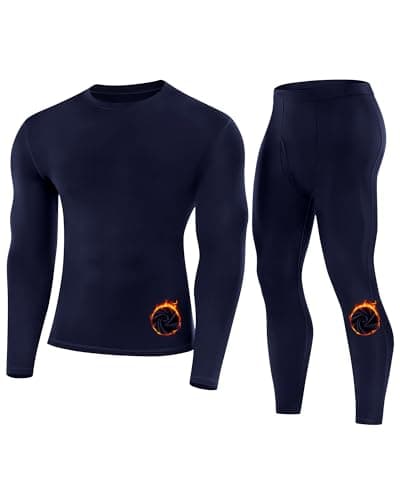
Top and bottom in one purchase, fleece-lined for cold mornings. The top matters more than people expect under waders: chest waders cover your torso, so the base layer under them is what keeps your core warm.
Best for: Best value set with a top included8.6 - 4
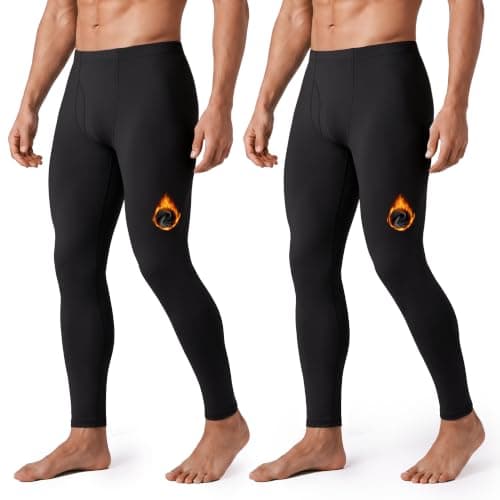
Two pairs for the price of a sandwich each, which solves the real problem: one pair is always in the wash or still damp in the truck. Not technical fabric, but synthetic, which is the only thing that genuinely matters.
Best for: Best value — two pairs8.4 - 5
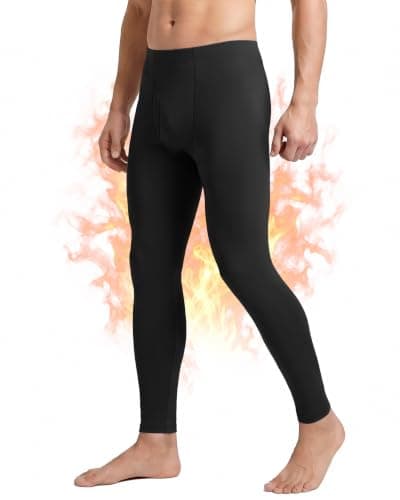
The under-$10 answer. If you are wading cold water in jeans right now, this single purchase will change your fishing more than any piece of tackle at the same price.
Best for: Cheapest thing that works8.2
| # | Product | Best for | Score | Price |
|---|---|---|---|---|
| 1 | Carhartt Men's Force Heavyweight Stretch Base Layer Pant The one to buy if you fish cold water regularly. Heavyweight synthetic with real stretch, which matters because a base layer that binds at the knee when you climb a bank is one you will stop wearing. Dries far faster than cotton or wool. | Best base layer under waders overall | 9.1 | $54.99View on Amazon#ad |
| 2 | Carhartt Men's Force Heavyweight Synthetic Merino Wool-Blend Fleece Base Layer Pant A merino-blend fleece, which gets you wool's warmth-when-damp behavior with synthetic durability and faster drying. This is the layer for 38-degree water in February, and it is too much for anything milder. | Warmest option for winter water | 9.0 | $62.82View on Amazon#ad |
| 3 | Runhit Thermal Underwear for Men, Fleece Lined Base Layer Top and Bottom Set Top and bottom in one purchase, fleece-lined for cold mornings. The top matters more than people expect under waders: chest waders cover your torso, so the base layer under them is what keeps your core warm. | Best value set with a top included | 8.6 | $26.99View on Amazon#ad |
| 4 | 2 Pack Thermal Underwear for Men, Fleece Lined Base Layer Pants Two pairs for the price of a sandwich each, which solves the real problem: one pair is always in the wash or still damp in the truck. Not technical fabric, but synthetic, which is the only thing that genuinely matters. | Best value — two pairs | 8.4 | $13.99View on Amazon#ad |
| 5 | Thermal Underwear for Men, Long Johns Bottom Fleece Lined Base Layer Pants The under-$10 answer. If you are wading cold water in jeans right now, this single purchase will change your fishing more than any piece of tackle at the same price. | Cheapest thing that works | 8.2 | $12.99View on Amazon#ad |
Wear synthetic or merino base layer pants under waders — never cotton, never jeans. For spring and fall creek fishing, one heavyweight synthetic layer like the Carhartt Force is enough. For winter water, add a fleece or go to the merino blend. If you are currently wading in jeans, the under-$10 thermals will do more for your comfort than anything else you can buy for the money.
The short answer
Breathable waders are a waterproof shell with no insulation whatsoever. The water you are standing in is often 45°F or colder, and it will pull heat out of your legs all day. What stops that is the air trapped in the layers you wear underneath — which means the base layer is not an accessory, it is the insulation.
Three rules cover it. Synthetic or wool, never cotton. Snug but not compressive, because squashed fabric traps no air. Keep total bulk in check, because waders are sized for a body plus one or two layers, not three.
Why cotton is the problem
Cotton absorbs and holds moisture. Inside waders, the moisture is your own sweat — you generate plenty walking a streambank — and cotton holds it against your skin instead of passing it out through the breathable laminate. Wet cotton conducts heat away from your body many times faster than dry fabric, so you get colder the longer you fish.
Jeans are the worst version of this and the most common. They are cotton, they are thick, they bunch at the knee, and the seams press through neoprene booties. Anybody who has been cold and uncomfortable in waders in April was almost certainly wearing jeans.
Synthetics move moisture; merino stays warm when damp. Polyester and polypropylene wick sweat outward to where the wader laminate can pass it. Merino wool holds warmth even when it has taken up moisture, which is why it dominates cold-weather base layers — at the cost of slower drying and a higher price.
What to wear at what water temperature
| Water temp | Legs | Torso |
|---|---|---|
| 65°F+ | Quick-dry pants or nothing but shorts | Shirt — consider wading wet instead |
| 55-65°F | Lightweight synthetic base layer | Base layer plus a shirt |
| 45-55°F | Heavyweight synthetic base layer | Base layer plus fleece |
| 38-45°F | Base layer plus fleece pants | Base layer, fleece, light puffy |
| Under 38°F | Merino or fleece-backed layer plus fleece pants | Full layering, and keep the day short |
Judge by water temperature, not air temperature.A 70°F day in April with 44°F snowmelt in the creek is a cold-legs day. Standing in moving water is a far more efficient way to lose heat than standing in air, and the air temperature on the bank tells you almost nothing about it.
Two thin layers beat one thick layer. The insulation is the trapped air between them, so two thin layers trap more than one thick one of the same total weight — and they let you take one off when the sun comes out.
Bulk, and how it ruins wader fit
Waders are sized for a body plus layers. Most makers size assuming one or two underneath. Add a third and the waders stretch tight across the thighs and seat, which does two bad things: it compresses the insulation you just added, and it puts the seams under permanent tension, which is where waders eventually leak.
If you plan to fish winter water, size the waders for it. That is a decision made when you buy the waders, not when you get cold — our wader sizing guide covers how much to allow, and the waders roundup covers which models run roomy.
Watch the knees and the bootie. Bulky fleece bunches behind the knee when you crouch, and anything thick inside the neoprene bootie compresses and makes your feet colder, not warmer.
If your feet are cold, it is probably your boots
Socks, which matter more than pants
Wool or synthetic, outside the bootie. Your socks go over the neoprene bootie of stockingfoot waders, not under it, where they insulate without being compressed by the bootie itself.
Two thin pairs, not one thick pair. Same principle as the legs, and it preserves the room your boots need.
Never cotton socks. They are the single fastest route to cold feet, and feet are where a cold day becomes a short day.
What to wear under waders in summer
Quick-dry pants, or consider not wearing waders at all.Above about 65°F water, the warmth is not the issue — the sweat is. A breathable wader can only pass so much vapor, and in July on a small creek plenty of experienced anglers wade wet in quick-dry pants, neoprene socks and wading shoes. It is cooler, lighter and cheaper, and it is covered at the end of the wading boot guide.
Avoid shorts under breathable waders. Bare skin against the inside of a laminate is clammy, sticks when you walk, and gives you nothing to wick sweat into. One thin synthetic layer is more comfortable in warm weather than none, which surprises people the first time.
If the waders themselves are the next purchase rather than the layers, the cheap waders guide covers what works under $110 and the wading jacket guide covers the top half for the same weather that makes you want base layers in the first place.
Three mistakes that waste good layers
Layering tight. Insulation is trapped air, and compressed fabric traps none. If the waders are stretched over three layers, you are colder than you would be in two.
Starting the walk warm. If you dress for the water and then hike twenty minutes to it, you arrive damp with sweat inside a shell that cannot dry you out. Walk in slightly cold and add a layer at the water.
Cotton anywhere in the stack. One cotton t-shirt under a good merino layer undoes the merino, because the cotton holds the moisture the wool was moving. Check what is against your skin, not just what is over it.
The picks in detail
Carhartt Men's Force Heavyweight Stretch Base Layer Pant
9.1/10Best for: Best base layer under waders overall
The one to buy if you fish cold water regularly. Heavyweight synthetic with real stretch, which matters because a base layer that binds at the knee when you climb a bank is one you will stop wearing. Dries far faster than cotton or wool.
- Fabric
- Heavyweight synthetic, stretch
- Warmth
- Cold water, spring and fall
- Best for
- Regular cold-water days
- Moves moisture instead of holding it
- Stretch makes it easy to pull on and wade in
- Durable enough for repeated seasons
- Five times the price of basic thermals
- Too warm for 60-degree water
Carhartt Men's Force Heavyweight Synthetic Merino Wool-Blend Fleece Base Layer Pant
9.0/10Best for: Warmest option for winter water
A merino-blend fleece, which gets you wool's warmth-when-damp behavior with synthetic durability and faster drying. This is the layer for 38-degree water in February, and it is too much for anything milder.
- Fabric
- Merino wool blend, fleece-backed
- Warmth
- Winter water
- Best for
- The coldest days you fish
- Wool stays warm when damp
- Fleece backing adds real warmth
- Less odor than pure synthetics
- Bulky — check your wader fit
- Most expensive here
Runhit Thermal Underwear for Men, Fleece Lined Base Layer Top and Bottom Set
8.6/10Best for: Best value set with a top included
Top and bottom in one purchase, fleece-lined for cold mornings. The top matters more than people expect under waders: chest waders cover your torso, so the base layer under them is what keeps your core warm.
- Fabric
- Fleece-lined synthetic
- Includes
- Top and bottom
- Best for
- A complete first set
- Top and bottom together
- Fleece lining for cold days
- Mid-price for a set
- Bulkier than a technical base layer
- Sizing runs small — check the chart
2 Pack Thermal Underwear for Men, Fleece Lined Base Layer Pants
8.4/10Best for: Best value — two pairs
Two pairs for the price of a sandwich each, which solves the real problem: one pair is always in the wash or still damp in the truck. Not technical fabric, but synthetic, which is the only thing that genuinely matters.
- Fabric
- Fleece-lined synthetic
- Quantity
- 2 pairs
- Best for
- Having a dry pair available
- Two pairs means one is always dry
- Synthetic, not cotton
- Very cheap
- Thin at the knees over time
- No stretch panels
Thermal Underwear for Men, Long Johns Bottom Fleece Lined Base Layer Pants
8.2/10Best for: Cheapest thing that works
The under-$10 answer. If you are wading cold water in jeans right now, this single purchase will change your fishing more than any piece of tackle at the same price.
- Fabric
- Fleece-lined synthetic
- Warmth
- Cool to cold
- Best for
- Replacing cotton immediately
- Costs almost nothing
- Synthetic, dries fast
- Thin enough not to affect wader fit
- Basic construction
- Not warm enough for winter alone
Prices shown are from Amazon as of October 20, 2026 and change often — the button always goes to the current listing. Some links may earn us a commission at no extra cost to you. How this works.
Frequently asked questions
What pants do you wear under waders?
Synthetic or merino base layer pants, never cotton or jeans. Breathable waders have no insulation of their own, so the base layer is what keeps you warm against cold water. Add fleece pants over the base layer for water below about 45 degrees.
Why should you not wear jeans under waders?
Jeans are cotton, which absorbs sweat and holds it against your skin instead of letting the breathable laminate pass it out. Wet cotton conducts heat away from your body far faster than dry fabric, so you get progressively colder. Jeans are also thick and bunch behind the knee.
How many layers should you wear under waders?
One base layer for 55 to 65 degree water, a heavyweight base layer for 45 to 55, and a base layer plus fleece pants below that. Two thin layers trap more air than one thick layer of the same weight. Avoid a third layer unless your waders were sized with room for it.
What socks should you wear with waders?
Wool or synthetic, worn over the neoprene bootie rather than under it, and two thin pairs rather than one thick pair. Never cotton. If your feet are cold in mild water, the usual cause is a wading boot that is too small compressing the bootie, not a sock that is too thin.
Sources
Keep reading
Not sure where to start?
The beginner gear guide walks you through exactly what a new stream angler needs — the six essentials first, nice-to-haves later, with one safe-default pick per category.