Waders · Roundup
The Best Wading Boots for Women
A women's wading boot is not a men's boot in a smaller size — the last is narrower through the heel and the volume is different. That one fact decides whether a day in the water is comfortable.
Disclosure: Creek Cover is reader-supported. If you buy through our links we may earn a commission, at no extra cost to you. It never changes which pick we tell a new angler to start with. Full disclosure.
Quick picks at a glance
Tap a pick to read the full write-up, or the price button to check it on Amazon.
- 1
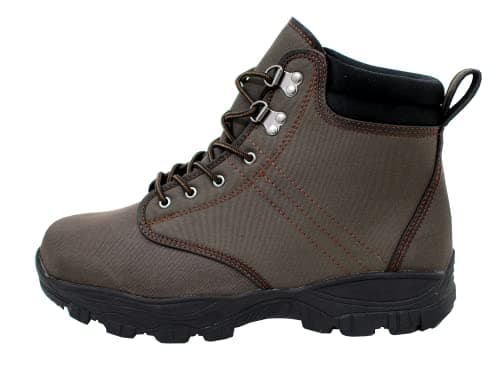
Built on a women's last rather than scaled down from a men's, with a rubber lug sole that is legal everywhere and a synthetic upper that drains and dries. The best balance of fit, legality and price here.
Best for: Best women's wading boot overall9.2 - 2
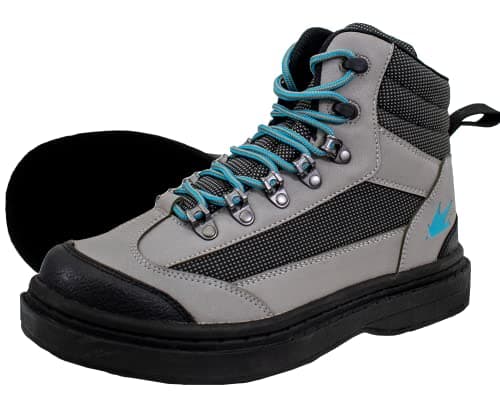
The cleated sole is the upgrade that matters most on bedrock and algae-covered cobble. Same women's fit as the Rana, more aggressive tread, noticeably more support through the midsole.
Best for: Best grip on slick rock9.1 - 3
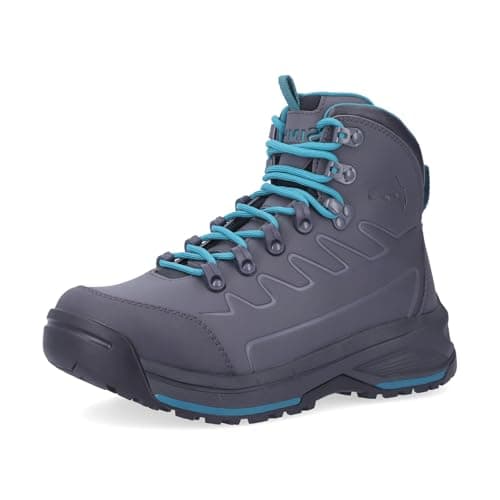
The boot you buy if you wade most weekends. A stiffer, better-supported chassis, a stud-compatible rubber outsole and the repair and warranty network a specialist brand brings — at three times the entry price.
Best for: Best premium boot9.4 - 4
The same boot as our top pick with a felt sole instead of rubber. Felt still grips algae-slick rock better than plain rubber does — but only buy it if felt is legal in the state you fish.
Best for: Best budget felt option8.7 - 5
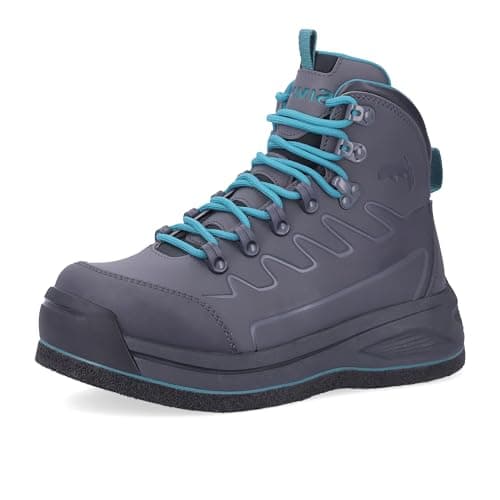
For an angler who fishes one felt-legal river most of the year and wants maximum grip with premium support. A narrow brief, and the best boot in it.
Best for: Best premium felt9.0
| # | Product | Best for | Score | Price |
|---|---|---|---|---|
| 1 | FROGG TOGGS Women's Rana Elite Wading Boot, Rubber Lug Sole Built on a women's last rather than scaled down from a men's, with a rubber lug sole that is legal everywhere and a synthetic upper that drains and dries. The best balance of fit, legality and price here. | Best women's wading boot overall | 9.2 | $68.44View on Amazon#ad |
| 2 | FROGG TOGGS Women's Hellbender Wading Boot, Cleated Sole The cleated sole is the upgrade that matters most on bedrock and algae-covered cobble. Same women's fit as the Rana, more aggressive tread, noticeably more support through the midsole. | Best grip on slick rock | 9.1 | $118.48View on Amazon#ad |
| 3 | Simms Women's Freestone Boot, Rubber The boot you buy if you wade most weekends. A stiffer, better-supported chassis, a stud-compatible rubber outsole and the repair and warranty network a specialist brand brings — at three times the entry price. | Best premium boot | 9.4 | $229.95View on Amazon#ad |
| 4 | FROGG TOGGS Women's Rana Elite Wading Boot, Felt Sole The same boot as our top pick with a felt sole instead of rubber. Felt still grips algae-slick rock better than plain rubber does — but only buy it if felt is legal in the state you fish. | Best budget felt option | 8.7 | $64.74View on Amazon#ad |
| 5 | Simms Women's Freestone Boot, Felt For an angler who fishes one felt-legal river most of the year and wants maximum grip with premium support. A narrow brief, and the best boot in it. | Best premium felt | 9.0 | $129.00View on Amazon#ad |
The best wading boot for women is the FROGG TOGGS Rana Elite with the rubber lug sole — a women's-specific last, legal in every state, at roughly a third of the price of a premium boot. If you wade most weekends and want a boot that lasts years, the Simms Women's Freestone is the upgrade worth paying for. If your rivers are slick bedrock and you want more bite without the premium price, the cleated Hellbender sits between them.
One thing to settle before you shop: size up. Wading boots go over stockingfoot waders, and the neoprene bootie plus a wading sock takes up real volume. The standard guidance is one to two full sizes above your street shoe size, and getting this wrong is the main reason wading boots get returned.
How we picked these
We only considered boots built on a women's-specific last. That is the whole premise of the page — a men's boot in a small size is a different shape, not a smaller one, and it is why so many women end up with heel slip and a boot that never feels right no matter how tight the laces.
Beyond that we judged sole type and its legal status by state, upper material and how fast it drains, midsole stiffness and support, and stud compatibility. Specifications come from the manufacturers' published listings. We do not run wet-rock traction tests or claim hands-on hours we have not put in; our method is on the how we research and pick page, and every price here is read live and carries a date.
Why a women's last actually matters
Footwear brands build women's models on a different last because, on average, women's feet are narrower through the heel relative to the forefoot, have a lower instep volume, and sit on a slightly different arch geometry. Scale a men's boot down and the heel cup stays too wide for the foot that is in it.
In a hiking boot that is a comfort issue. In a wading boot it is a safety one. The whole job of the boot is to keep your foot locked over the sole while that sole is being pushed sideways by current on a rounded, slippery rock. A heel that lifts inside the boot means the sole moves before your weight does, and that is how people fall in rivers.
If a women's boot still does not fit
Sizing over stockingfoot waders
Stockingfoot waders end in a neoprene bootie, and that bootie goes inside the wading boot along with a wading sock. Together they add significant volume, which is why wading boots are sized differently from every other shoe you own.
| What you wear | Size adjustment | Note |
|---|---|---|
| Stockingfoot waders plus wading sock | Up 1-2 full sizes | The normal case — start at +1.5 |
| Stockingfoot waders, thin sock, warm weather | Up 1 size | Any less and the bootie compresses your toes |
| Heavy winter sock plus waders | Up 2 sizes | Cold feet are usually a too-tight boot, not a thin sock |
| Wading wet, neoprene sock only | Up 0.5-1 size | Summer only — the boot will feel loose with waders |
Try them on with the waders you own, laced, standing up. A boot that fits barefoot in a shop will be unwearable over a bootie, and a boot sized for winter socks will float on your foot in July. If you only have one pair of boots, size for the sock you will wear most of the season, not the coldest day of it.
And one warning worth more than any spec: do not size up to get warmth. A loose boot restricts circulation less but moves more, and the heel slip it creates is both the blister cause and the slip risk. Warmth comes from the wader and the sock.
Which sole to buy
Three options, and for most people the decision is made by law rather than preference.
Rubber lug — legal in all fifty states, fine on gravel, cobble and banks, and the weakest of the three on algae-covered bedrock. The right default, and what our top pick uses.
Cleated or studded rubber — rubber with aggressive tread or screw-in carbide studs. This closes most of the gap to felt while staying legal everywhere, and it is the answer for anyone wading genuinely slick rock. Studs can be added later to any stud-compatible boot, which is one reason the Simms chassis is worth its premium.
Felt — still the best grip on slick rock, and banned in a number of US states because the dense fiber carries invasive organisms like didymo between watersheds. Buy felt only if you fish one river in a felt-legal state. The comparison is laid out in full on our felt vs rubber wading boots page, and you should check your state wildlife agency's current rules before ordering — they change.
Pairing boots with women's waders
Boots and waders are bought as a system, not separately, and two details trip people up.
Stockingfoot waders need boots; bootfoot waders do not. If you own or are buying bootfoot waders — the kind with the boot molded on — you do not need anything on this page. Stockingfoot is the better system for a woman specifically, because you can size the wader to your body and the boot to your foot rather than accepting whatever foot size the manufacturer paired with your chest size. Our stockingfoot vs bootfoot comparison covers the trade-off.
Buy the wader first, then the boot. Wader sizing is driven by inseam and chest, and the bootie size comes with it. Once you know the bootie size, size the boot over it. Doing it the other way round means guessing. The women's waders roundup covers that half of the purchase, and how to size waders has the measurement detail.
Drying, cleaning and the invasive-species rule
Wading boots fail in two ways: the seams blow out, or they start to smell so badly you stop wearing them. Both are drying problems.
Rinse and dry them after every trip, laces loose and tongue open, out of direct sun. Never dry them on a radiator or in a hot car — heat is what delaminates the sole from the upper, and that is the most common way a good boot dies.
Then there is the rule that is not about your boots. Felt and, to a lesser extent, porous synthetic uppers carry invasive organisms between watersheds. If you fish more than one river, clean and fully dry your boots between waters — many states publish a specific clean-drain-dry protocol, and some require it. Check your state wildlife agency for the current requirement in the waters you fish. It is five minutes of rinsing against the risk of carrying didymo into a river that does not have it.
Peak demand for women's wading boots runs March through May, which is exactly when the water is highest and coldest. If you are buying for a spring season, buy in February — the sizing-up problem is much easier to solve by exchange when you are not already missing fishing days.
Two related pages: fly fishing gear for women sets out which items genuinely need a women's cut and which are unisex, and the men's wading boot guide covers the wider last if you are buying for somebody else.
The picks in detail
FROGG TOGGS Women's Rana Elite Wading Boot, Rubber Lug Sole
9.2/10Best for: Best women's wading boot overall
Built on a women's last rather than scaled down from a men's, with a rubber lug sole that is legal everywhere and a synthetic upper that drains and dries. The best balance of fit, legality and price here.
- Sole
- Rubber lug
- Last
- Women's-specific
- Upper
- Synthetic, drainable
- Legal
- All US states
- Women's last, not a downsized men's boot
- Rubber sole is legal in every state
- Costs a third of a premium boot
- Plain rubber grips less on algae than felt or studded rubber
- Not as supportive as a stiffer premium boot on a long day
FROGG TOGGS Women's Hellbender Wading Boot, Cleated Sole
9.1/10Best for: Best grip on slick rock
The cleated sole is the upgrade that matters most on bedrock and algae-covered cobble. Same women's fit as the Rana, more aggressive tread, noticeably more support through the midsole.
- Sole
- Cleated rubber
- Last
- Women's-specific
- Support
- Stiffer midsole than the Rana
- Legal
- All US states
- Much better bite on wet rock than plain lug
- More ankle and midsole support for long days
- Still legal everywhere
- Noticeably heavier than the Rana Elite
- Cleats are loud on a quiet creek and wear on dry rock
Simms Women's Freestone Boot, Rubber
9.4/10Best for: Best premium boot
The boot you buy if you wade most weekends. A stiffer, better-supported chassis, a stud-compatible rubber outsole and the repair and warranty network a specialist brand brings — at three times the entry price.
- Sole
- Rubber, stud-compatible
- Last
- Women's-specific
- Support
- Full — stiff chassis
- Legal
- All US states
- Best support and durability on this page
- Takes screw-in studs for serious grip
- Brand repair and warranty path
- Three times the cost of the Frogg Toggs boots
- A beginner will not feel the full difference in year one
FROGG TOGGS Women's Rana Elite Wading Boot, Felt Sole
8.7/10Best for: Best budget felt option
The same boot as our top pick with a felt sole instead of rubber. Felt still grips algae-slick rock better than plain rubber does — but only buy it if felt is legal in the state you fish.
- Sole
- Felt
- Last
- Women's-specific
- Grip
- Best on algae-covered rock
- Legal
- Banned in several states — check first
- Grips slick bedrock better than plain rubber
- Same women's fit and price as the rubber version
- Quiet on the riverbed
- Illegal in a number of states because felt spreads invasive organisms
- Poor on dry banks and in snow
Simms Women's Freestone Boot, Felt
9.0/10Best for: Best premium felt
For an angler who fishes one felt-legal river most of the year and wants maximum grip with premium support. A narrow brief, and the best boot in it.
- Sole
- Felt
- Last
- Women's-specific
- Support
- Full — stiff chassis
- Legal
- Banned in several states — check first
- Premium support with maximum wet-rock grip
- Same chassis as the rubber Freestone
- Brand repair and warranty path
- Most expensive option here, and state-restricted
- Cannot travel between watersheds without cleaning rules applying
Prices shown are from Amazon as of October 20, 2026 and change often — the button always goes to the current listing. Some links may earn us a commission at no extra cost to you. How this works.
Frequently asked questions
What size wading boots should a woman buy?
One to two full sizes above your street shoe size, because the boot goes over a neoprene wader bootie plus a wading sock. Start at one and a half sizes up and try them on with the waders you actually own, laced and standing. Sizing for a bare foot is the main reason wading boots get returned.
Are women's wading boots different from men's?
Yes, and not just in size. Women's models are built on a different last — narrower through the heel relative to the forefoot and lower in instep volume. A men's boot in a small size keeps the wider heel cup, which allows heel lift. In a wading boot that is a slip risk, not just a comfort issue.
Should I buy felt or rubber soles?
Rubber, unless you fish one river in a state where felt is legal. Felt still grips algae-covered rock best, but it is banned in a number of US states because it transports invasive organisms between watersheds. Cleated or studded rubber closes most of the grip gap and is legal everywhere.
Do I need wading boots if I have waders?
Only with stockingfoot waders, which end in a neoprene bootie and require a separate boot. Bootfoot waders have the boot built in and need nothing extra. Stockingfoot plus a separate boot is usually the better system because you can size the wader to your body and the boot to your foot independently.
How much should I spend on women's wading boots?
About $70 for a competent rubber-soled boot that is legal everywhere, which is enough if you wade a few times a season. Around $100 buys a cleated sole and better support. Over $200 buys a premium chassis, stud compatibility and a brand repair path, which is worth it if you wade most weekends.
How do I stop my wading boots smelling?
Rinse them after every trip and dry them fully with the laces loose and the tongue open, away from direct heat. Never dry them on a radiator or in a hot car — heat delaminates the sole from the upper and is the most common way a good boot dies. Full drying between trips also helps prevent transporting invasive organisms.
Sources
Keep reading
Not sure where to start?
The beginner gear guide walks you through exactly what a new stream angler needs — the six essentials first, nice-to-haves later, with one safe-default pick per category.