Waders · Comparison
Felt vs Rubber Wading Boots
Felt grips better. Rubber is legal everywhere. That used to be a close call and it no longer is, because studs closed most of the gap and regulators closed the rest.
Disclosure: Creek Cover is reader-supported. If you buy through our links we may earn a commission, at no extra cost to you. It never changes which pick we tell a new angler to start with. Full disclosure.
Quick picks at a glance
Tap a pick to read the full write-up, or the price button to check it on Amazon.
- 1
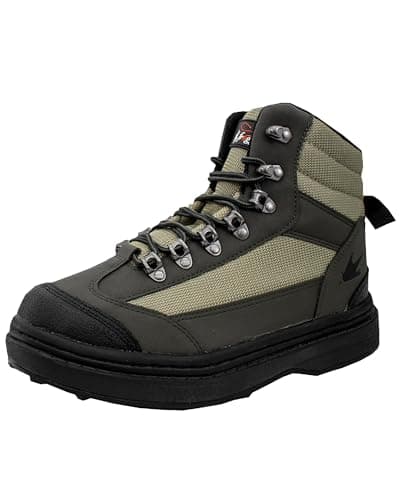
Cleated rubber at a sensible price, sold in a felt version too if your state allows it. The default choice for anyone who fishes more than one watershed.
Best for: The rubber pick — legal everywhere9.0 - 2
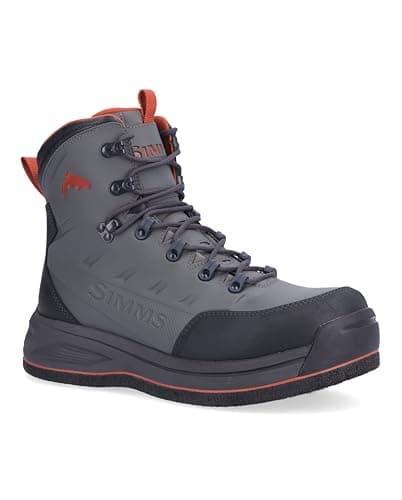
If you fish one slick-bedrock river in a state that permits felt and never travel with your boots, felt still grips best — and this is the best-built felt boot here.
Best for: The felt pick — maximum grip where it is legal8.9 - 3
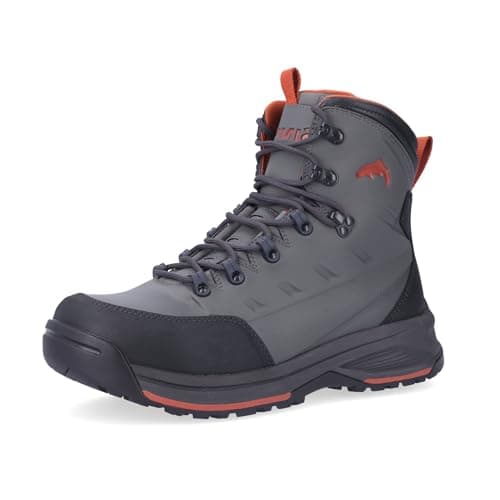
The same boot in the legal-everywhere sole. Add carbide studs and it is the best of both worlds — and the most supportive boot on this page for long walks over cobble.
Best for: Best premium rubber boot9.2
| # | Product | Best for | Score | Price |
|---|---|---|---|---|
| 1 | Frogg Toggs Hellbender Wading Boot, Cleated Cleated rubber at a sensible price, sold in a felt version too if your state allows it. The default choice for anyone who fishes more than one watershed. | The rubber pick — legal everywhere | 9.0 | $89.95View on Amazon#ad |
| 2 | Simms Freestone Boot, Felt If you fish one slick-bedrock river in a state that permits felt and never travel with your boots, felt still grips best — and this is the best-built felt boot here. | The felt pick — maximum grip where it is legal | 8.9 | $229.95View on Amazon#ad |
| 3 | Simms Freestone Boot, Rubber The same boot in the legal-everywhere sole. Add carbide studs and it is the best of both worlds — and the most supportive boot on this page for long walks over cobble. | Best premium rubber boot | 9.2 | $229.95View on Amazon#ad |
Felt wading boots vs rubber, settled: buy studded rubber. Felt genuinely grips algae-slick rock better than plain rubber, and twenty years ago that made it the obvious choice. Two things changed: carbide studs closed most of the grip gap, and a growing number of states banned felt outright because it transports invasive organisms between watersheds. Unless you fish a single river in a felt-legal state and never travel with your boots, rubber is now the right answer.
Our cleated rubber pick covers most anglers; the felt option is here because it remains the best gripper where it is permitted, and pretending otherwise would be dishonest.
Head to head
| Felt | Plain rubber | Studded rubber | |
|---|---|---|---|
| Grip on algae-covered stone | Best | Adequate | Excellent |
| Grip on clean gravel / sand | Good | Very good | Very good |
| Grip on dry bank and rock | Poor — slippery | Very good | Good (studs skate on dry stone) |
| In a boat or vehicle | Poor, holds water | Very good | Marks floors; noisy |
| Weight when wet | Heavy — soaks up water | Light | Light |
| Drying time | Slow — days | Fast — hours | Fast |
| Invasive species risk | High | Low | Low |
| Legal status (US) | Banned in several states | Legal everywhere | Legal everywhere |
| Noise through the streambed | Quietest | Quiet | Loud on rock |
Read down that table and the pattern is clear: felt wins exactly one row that matters, and loses most of the rest. Its single advantage is real — the dense fibers conform to irregular stone and bite into the slime film in a way smooth rubber cannot — but it buys that with weight, slow drying, danger on the bank, and a genuine ecological cost.
The bank performance point deserves emphasis because it is a safety issue nobody mentions: felt is treacherous on wet grass, mud and dry rock. You spend a lot of a creek day out of the water, scrambling up banks and over logs, and felt is at its worst there.
The legal problem with felt
Felt holds water, and water carries life. The specific concerns are Didymosphenia geminata(“didymo” or rock snot), whirling-disease spores, New Zealand mudsnails and various algae. A felt sole can stay damp for days, which is long enough to carry organisms from one river to another in the back of a vehicle.
A number of US states have banned felt-soled wading boots outright, and others have considered or imposed restrictions. The list has changed repeatedly over the past fifteen years and continues to change, which is precisely why we are not publishing a state list here — a stale list is worse than none.
Check your state wildlife agency before buying felt, and check again before you travel to fish. It takes two minutes. The penalties are real, and the ecological damage is permanent — once didymo is established in a watershed it does not leave.
Read the listing title carefully
How studs change the maths
Carbide studs are small hardened screws that thread into a rubber sole. They are sold separately for a few dollars, fit most wading boots, and take about ten minutes to install with the supplied driver.
What they do: the carbide tip bites throughthe algae film into the stone beneath, which is a different mechanism from felt’s conforming grip and in practice nearly as effective. On slick bedrock — the worst surface there is — studded rubber and felt are close enough that the legality question decides it.
What they cost you. Three things, all real. They are loud on rock, and sound travels through a streambed — on a small creek where you are approaching fish in shallow water, that vibration spooks trout. They skate on dry smooth stone, because the studs lift the rubber off the surface. And they damage boat floors and vehicle carpets.
So: buy rubber boots now, add studs if you need them. Fish a season first. If your water is sand, gravel or small cobble, plain cleated rubber is quieter and perfectly adequate — and quiet matters on a creek. If you find yourself slipping on slick bedrock, studs are a cheap retrofit. Many boots also accept a small number of studs placed only at the heel and ball, which is a reasonable compromise.
Which to buy for your water
Small creeks, gravel and cobble beds, lots of bank walking: plain cleated rubber. Quiet, light, legal, good on the bank. This is most creek fishing, and it is our top pick.
Slick bedrock, heavy algae, strong current: studded rubber. The premium rubber boot plus a set of carbide studs is the best combination available to an angler who travels.
One home river, notoriously slippery, felt-legal state, boots never leave that watershed: felt is defensible, and the felt option is a genuinely excellent boot. Verify the regulation first.
You fish several states or travel to fish: rubber, without question. Carrying felt across state lines is how you end up either breaking a rule you did not know about or moving didymo into clean water.
Whichever you choose, the sole is only half of boot selection — fit, weight and ankle support matter just as much, and are covered in the wading boots roundup. And remember to order one to one and a half US sizes above your normal shoe size, because the boot goes over a neoprene wader bootie plus socks; the full reasoning is in the sizing guide.
Clean, drain, dry — either way
Rubber is lower risk than felt, not no risk. Laces, seams and the inside of a boot all hold water and debris, so the decontamination routine applies to both.
Clean. Scrub off visible mud, grit and plant matter before you leave the water. A cheap brush in the vehicle makes this a thirty-second job.
Drain. Empty everything — boots, gravel guards, the folds of your waders. Standing water is what carries organisms.
Dry. Completely, ideally 48 hours, before fishing a different watershed. Rubber dries in hours; felt can take days, which is the practical reason felt is restricted. Dry out of direct sunlight with the laces open — UV degrades the uppers.
Some states specify additional steps or disinfection for certain waters. Check locally, and when in doubt, keep a second pair of boots for a second watershed. This also makes boots last longer: grit left in the sole and laces grinds at the upper every time it flexes, and the fastest way to destroy a wading boot is to leave it wet and dirty in a sealed bag.
Next: the full boots roundup, the waders to go with them, and stockingfoot vs bootfoot if you have not yet decided whether you need separate boots at all.
Both soles are sold on women's-specific boots as well, and the fit difference matters more than the sole does: a heel that lifts inside the boot moves the sole before your weight does. See the best wading boots for womenfor the models built on a women's last in each sole type.
You can avoid this decision entirely. Boots built on an interchangeable sole platform ship with both felt and rubber in the box, which is the whole argument in the Korkers wading boots review. If weight is your real constraint, the light end of the field — including the interchangeable models — is ranked in the lightweight wading boot roundup.
The picks in detail
Frogg Toggs Hellbender Wading Boot, Cleated
9.0/10Best for: The rubber pick — legal everywhere
Cleated rubber at a sensible price, sold in a felt version too if your state allows it. The default choice for anyone who fishes more than one watershed.
- Sole
- Cleated rubber (felt version available)
- Closure
- Laced
- Legal
- All US states
- Studs
- Accepts carbide studs
- Legal in every state, no research needed
- Far better than felt on bank and in the truck
- Takes studs for slick bedrock
- Slightly less grip than felt on heavy algae
- Studs sold separately
Simms Freestone Boot, Felt
8.9/10Best for: The felt pick — maximum grip where it is legal
If you fish one slick-bedrock river in a state that permits felt and never travel with your boots, felt still grips best — and this is the best-built felt boot here.
- Sole
- Felt
- Closure
- Laced
- Legal
- CHECK YOUR STATE — banned in several
- Best for
- One slick home river
- Best grip available on algae-covered stone
- Excellent ankle support and durability
- Resoleable and repairable
- Illegal in a number of US states
- Dangerous on wet bank; holds water and weight
Simms Freestone Boot, Rubber
9.2/10Best for: Best premium rubber boot
The same boot in the legal-everywhere sole. Add carbide studs and it is the best of both worlds — and the most supportive boot on this page for long walks over cobble.
- Sole
- Rubber
- Closure
- Laced
- Best for
- Heavy use, traveling anglers
- Best ankle support here
- Studs bring grip close to felt
- Built to be resoled rather than replaced
- The most expensive option
- Heavier than a small creek needs
Prices shown are from Amazon as of October 20, 2026 and change often — the button always goes to the current listing. Some links may earn us a commission at no extra cost to you. How this works.
Frequently asked questions
Are rubber or felt wading boot soles better?
Felt grips algae-covered stone slightly better, but rubber is legal everywhere, far safer on dry bank and in vehicles, lighter, and dries in hours rather than days. Carbide studs bring rubber's grip close to felt on slick rock, which makes studded rubber the better choice for almost everyone.
Why are felt wading boots banned?
Felt stays damp for days and its dense fibers hold water, algae spores, didymo and invertebrate larvae, so it can carry invasive organisms from one watershed to another. A number of US states have banned felt soles outright to slow that spread. Check your state agency before buying felt.
Do I need studs on rubber wading boots?
On slick bedrock and heavy algae, yes - carbide studs bite through the slime film into the stone and close most of the gap with felt. On sand, gravel and small cobble, plain cleated rubber is enough, and studs are noisy on rock, which spooks trout on small creeks through streambed vibration.
Can I use felt wading boots in another state?
Only after checking that state's regulations, and even then it is poor practice. Several states ban felt, the list changes, and carrying damp felt between watersheds is exactly how invasive species spread. If you travel to fish, buy rubber soles and add studs if you need the grip.
Sources
Keep reading
Not sure where to start?
The beginner gear guide walks you through exactly what a new stream angler needs — the six essentials first, nice-to-haves later, with one safe-default pick per category.