Guides · Roundup
The Best Fly Fishing Books for Beginners
A beginner does not need a library. You need one book that teaches the cast and the knots, one that teaches where fish are, and nothing else until you have fished both. Here are six books worth owning, in the order a new angler should read them.
Disclosure: Creek Cover is reader-supported. If you buy through our links we may earn a commission, at no extra cost to you. It never changes which pick we tell a new angler to start with. Full disclosure.
Quick picks at a glance
Tap a pick to read the full write-up, or the price button to check it on Amazon.
- 1
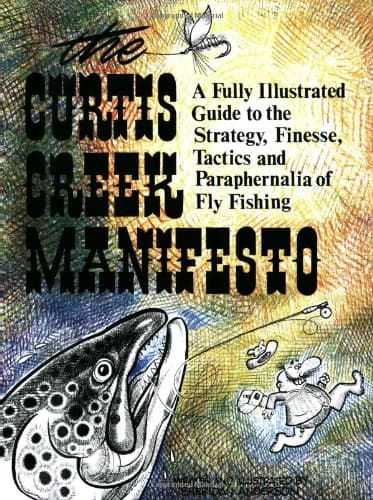
A short illustrated book that has taught more people to fish small water than any other, and it is still in print for a reason. Everything is drawn rather than described: where the fish sits, where you stand, how the fly drifts. If you fish creeks, this is the only book on this page written specifically about your water.
Best for: Best fly fishing book for beginners overall — and for small streams9.6 - 2
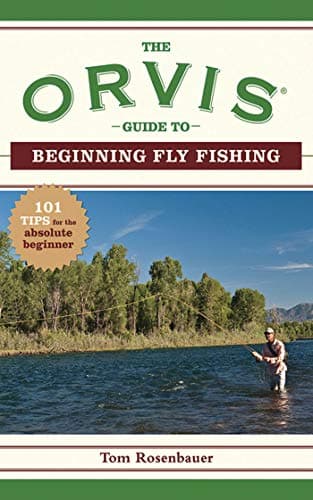
A hundred-odd short tips rather than a narrative, which is exactly the right format for somebody who has just bought a rod and has forty questions. It answers them one at a time, with the authority of the company that has been teaching fly fishing schools for decades, for roughly the price of a sandwich.
Best for: Best cheap primer — the one to buy with your first rod9.3 - 3
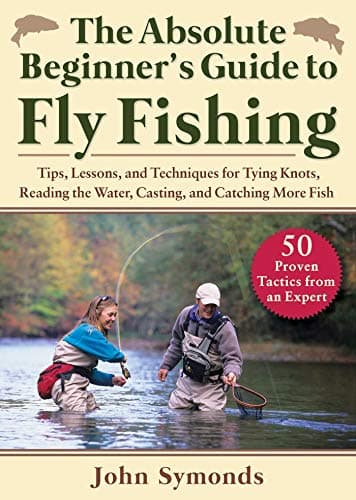
The book to own if you want one volume that covers the whole mechanical side: tying the knots, making the cast, rigging the leader and reading the water. It is the most complete beginner instruction here, and it is the one to keep in the car rather than on a shelf.
Best for: Best single how-to — knots, casting and reading water in one place9.2 - 4
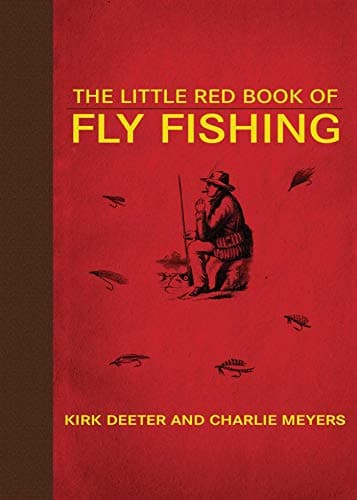
Not a first book. This is the one you read after a season, when you have fished enough to recognize the mistakes it describes. It is organized as short numbered lessons, which makes it easy to read one at a time and go and try it.
Best for: Best for the second season — short lessons that fix real mistakes9.1 - 5
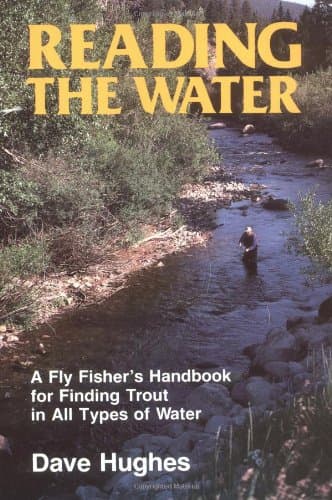
Casting is a few weekends of practice; knowing where a trout sits in moving water is the skill that takes years and catches the fish. This is a whole book on that single subject, and it will do more for your catch rate than any rod upgrade. Buy it second or third, not first.
Best for: Best on where the fish are — the skill that outlasts gear9.4 - 6
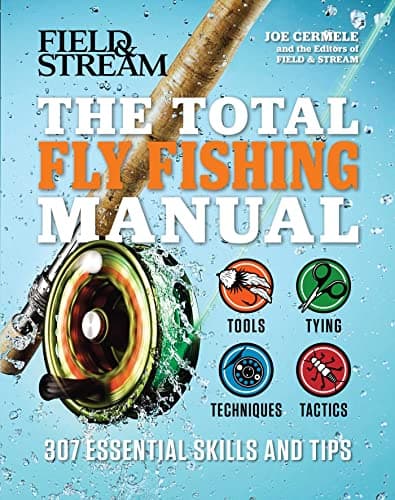
A big photographic reference you keep rather than read through: 300-odd short entries covering knots, rigs, flies, species and gear. It is the book to look something up in when you have a specific question halfway through tying a rig at the kitchen table.
Best for: Best reference to keep — the one with the pictures of everything9.0
| # | Product | Best for | Score | Price |
|---|---|---|---|---|
| 1 | Curtis Creek Manifesto: A Fully Illustrated Guide to Fly Fishing A short illustrated book that has taught more people to fish small water than any other, and it is still in print for a reason. Everything is drawn rather than described: where the fish sits, where you stand, how the fly drifts. If you fish creeks, this is the only book on this page written specifically about your water. | Best fly fishing book for beginners overall — and for small streams | 9.6 | $14.95View on Amazon#ad |
| 2 | The Orvis Guide to Beginning Fly Fishing: 101 Tips for the Absolute Beginner A hundred-odd short tips rather than a narrative, which is exactly the right format for somebody who has just bought a rod and has forty questions. It answers them one at a time, with the authority of the company that has been teaching fly fishing schools for decades, for roughly the price of a sandwich. | Best cheap primer — the one to buy with your first rod | 9.3 | $9.55View on Amazon#ad |
| 3 | The Absolute Beginner's Guide to Fly Fishing: Tips, Lessons and Techniques The book to own if you want one volume that covers the whole mechanical side: tying the knots, making the cast, rigging the leader and reading the water. It is the most complete beginner instruction here, and it is the one to keep in the car rather than on a shelf. | Best single how-to — knots, casting and reading water in one place | 9.2 | $19.99View on Amazon#ad |
| 4 | The Little Red Book of Fly Fishing Not a first book. This is the one you read after a season, when you have fished enough to recognize the mistakes it describes. It is organized as short numbered lessons, which makes it easy to read one at a time and go and try it. | Best for the second season — short lessons that fix real mistakes | 9.1 | $13.43View on Amazon#ad |
| 5 | Reading the Water: A Fly Fisher's Handbook for Finding Trout Casting is a few weekends of practice; knowing where a trout sits in moving water is the skill that takes years and catches the fish. This is a whole book on that single subject, and it will do more for your catch rate than any rod upgrade. Buy it second or third, not first. | Best on where the fish are — the skill that outlasts gear | 9.4 | $30.30View on Amazon#ad |
| 6 | The Total Fly Fishing Manual: 307 Essential Skills and Tips A big photographic reference you keep rather than read through: 300-odd short entries covering knots, rigs, flies, species and gear. It is the book to look something up in when you have a specific question halfway through tying a rig at the kitchen table. | Best reference to keep — the one with the pictures of everything | 9.0 | $11.24View on Amazon#ad |
If you are new to fly fishing, buy the Curtis Creek Manifesto first — a 48-page illustrated guide to fishing small streams — and read Reading the Water second. Those two cover the things that actually catch fish: how to approach a creek without spooking everything in it, and where trout hold in moving water. Everything else is detail you can look up later.
This page is written for a beginner. The cheapest useful start is the Orvis Guide to Beginning Fly Fishing at around ten dollars, and the most complete single how-to is The Absolute Beginner's Guide to Fly Fishing.
The order to read them in
One: a short illustrated book, before your first trip. You want pictures of where to stand and how a fly drifts, not prose about entomology. Curtis Creek does this in an evening and costs less than a box of flies.
Two: a mechanics book, with a rod in your hand.Knots, rigging and the cast are learned by doing them while a diagram is open next to you. That is the Absolute Beginner's Guide, or the relevant pages of the Total Manual. Our own version of the rigging walk-through is how to set up a fly rod.
Three: a water-reading book, after a few trips. Reading the Water makes far more sense once you have stood in a creek and wondered where the fish are. Read it too early and it is abstract; read it after four outings and it rearranges how you see a pool.
Four: a reference, forever. One big illustrated manual on the shelf for looking things up. That is all the library a stream angler needs.
The six books, compared
| Book | Format | Teaches | Level | Read it |
|---|---|---|---|---|
| Curtis Creek Manifesto | Illustrated, 48 pp | Approach, reading water, drift | Complete beginner | First |
| Orvis Guide to Beginning Fly Fishing | 101 short tips | Gear and basics | Absolute beginner | First or second |
| The Absolute Beginner's Guide | Instructional | Knots, casting, rigging | Beginner | Second, with a rod |
| The Little Red Book of Fly Fishing | Short lessons | Fixing habits | Second season | After a season |
| Reading the Water | Handbook | Where trout hold | Beginner to advanced | Third |
| The Total Fly Fishing Manual | Photo reference | Everything, briefly | All | Keep on the shelf |
What a book can teach and what it cannot
Books are excellent at knots, rigs and reading water. All three are pattern-recognition problems with diagrams, and a diagram you can stare at beats a video you have to pause. A beginner who has read one good book arrives at the creek with a rig that works.
Books are poor at the casting stroke. Casting is timing, and timing is learned by feel with somebody watching you — or failing that, with video of yourself. Read the chapter, then spend twenty minutes on a lawn with no fly on the leader.
And no book will tell you what your creek does. The water in front of you has its own hatches, its own holding spots and its own access problems. Books give you the framework; the stretch you fish fills it in.
Buy the book before the second rod
What to skip as a beginner
Entomology encyclopedias. Hatch-matching books are superb and they are a second or third year purchase. For a first season, three fly patterns in two sizes catch fish in almost any creek in the country — the list is in the best trout flies for beginners.
Fly tying books, until you own a vise. Tying is a separate hobby that happens to overlap with fishing. If it appeals, start with a kit rather than a book — the fly tying kit roundup covers it.
Destination and literary books. They are the pleasure of the sport and they teach you nothing about your creek. Buy them once you are catching fish, not before.
Buying one as a gift
A book is the safest fly fishing gift there is. No sizing, no line weight, no chance of duplicating something they own in a different brand. Curtis Creek is the one to give somebody who has just started, and Reading the Water is the one to give somebody who has fished for a year or two.
Pair it with something physical if you want it to feel like a present. A book plus a landing net or a pair of nippers covers both. The gift pairings are in fishing gift ideas and fly fishing gifts for men.
And if they own no gear at all, buy the gear first. A book is a poor gift for somebody with nothing to practice on — the complete first setup is in the fly fishing starter kit and the gear list is in fly fishing gear for beginners.
The picks in detail
Curtis Creek Manifesto: A Fully Illustrated Guide to Fly Fishing
9.6/10Best for: Best fly fishing book for beginners overall — and for small streams
A short illustrated book that has taught more people to fish small water than any other, and it is still in print for a reason. Everything is drawn rather than described: where the fish sits, where you stand, how the fly drifts. If you fish creeks, this is the only book on this page written specifically about your water.
- Format
- Illustrated, short
- Covers
- Approach, reading water, presentation
- Level
- Complete beginner
- Everything is drawn, so nothing is abstract
- Written about small streams, not big rivers
- Cheap enough to give away and buy again
- Hand-lettered style is not for everyone
- Light on gear and knots
The Orvis Guide to Beginning Fly Fishing: 101 Tips for the Absolute Beginner
9.3/10Best for: Best cheap primer — the one to buy with your first rod
A hundred-odd short tips rather than a narrative, which is exactly the right format for somebody who has just bought a rod and has forty questions. It answers them one at a time, with the authority of the company that has been teaching fly fishing schools for decades, for roughly the price of a sandwich.
- Format
- 101 short tips
- Covers
- Gear, casting, basics
- Level
- Absolute beginner
- Cheapest book here
- Easy to read in any order
- Answers the obvious questions directly
- Tip format means little depth per topic
- Gear advice leans toward one brand
The Absolute Beginner's Guide to Fly Fishing: Tips, Lessons and Techniques
9.2/10Best for: Best single how-to — knots, casting and reading water in one place
The book to own if you want one volume that covers the whole mechanical side: tying the knots, making the cast, rigging the leader and reading the water. It is the most complete beginner instruction here, and it is the one to keep in the car rather than on a shelf.
- Format
- Instructional
- Covers
- Knots, casting, rigging, water
- Level
- Beginner
- Covers the mechanics properly
- Good knot instruction
- Modern and current
- Longer than a beginner needs for a first trip
- Less memorable than the illustrated classics
The Little Red Book of Fly Fishing
9.1/10Best for: Best for the second season — short lessons that fix real mistakes
Not a first book. This is the one you read after a season, when you have fished enough to recognize the mistakes it describes. It is organized as short numbered lessons, which makes it easy to read one at a time and go and try it.
- Format
- Short numbered lessons
- Covers
- Technique refinement
- Level
- Beginner to intermediate
- Fixes specific habits rather than teaching basics
- Easy to dip into
- Cheap
- Assumes you have fished a bit
- No illustrations to speak of
Reading the Water: A Fly Fisher's Handbook for Finding Trout
9.4/10Best for: Best on where the fish are — the skill that outlasts gear
Casting is a few weekends of practice; knowing where a trout sits in moving water is the skill that takes years and catches the fish. This is a whole book on that single subject, and it will do more for your catch rate than any rod upgrade. Buy it second or third, not first.
- Format
- Handbook
- Covers
- Holding water, currents, seams
- Level
- Beginner to advanced
- Teaches the highest-value skill in trout fishing
- Applies to every stream you will ever fish
- Useful for spin anglers too
- Most expensive book here
- Denser reading than the beginner primers
The Total Fly Fishing Manual: 307 Essential Skills and Tips
9.0/10Best for: Best reference to keep — the one with the pictures of everything
A big photographic reference you keep rather than read through: 300-odd short entries covering knots, rigs, flies, species and gear. It is the book to look something up in when you have a specific question halfway through tying a rig at the kitchen table.
- Format
- Photographic reference
- Covers
- 307 skills and tips
- Level
- All
- Visual and easy to search
- Wide coverage in one volume
- Good value for its size
- Breadth over depth
- Too broad to teach a sequence
Prices shown are from Amazon as of October 20, 2026 and change often — the button always goes to the current listing. Some links may earn us a commission at no extra cost to you. How this works.
Frequently asked questions
What is the best fly fishing book for a beginner?
The Curtis Creek Manifesto. It is a 48-page fully illustrated guide to fly fishing small streams that teaches approach, reading water and drift with drawings rather than prose, and it costs about the same as a box of flies. Read Reading the Water second.
What order should a beginner read fly fishing books in?
Start with a short illustrated guide before your first trip, then a mechanics book covering knots, rigging and casting while you have a rod in your hand, then a water-reading book after a few outings when the ideas have something to attach to. Keep one big photographic manual as a reference.
Can you learn fly fishing from a book?
You can learn the knots, the rigging and how to read water from a book, and those are most of what catches fish. The casting stroke is timing, which is learned by feel with somebody watching you or with video of yourself - read the chapter, then practice on a lawn with no fly attached.
Is a fly fishing book a good gift?
It is one of the safest gifts in the category: no sizing, no line weight and almost no chance of duplicating gear they already own. Give the Curtis Creek Manifesto to somebody who has just started and Reading the Water to somebody a season or two in.
Do I need a hatch or entomology book to start fly fishing?
No. Hatch-matching books are a second or third season purchase. For a first season, three proven patterns in two sizes each will catch trout in almost any creek, and your time is better spent on position and presentation than on insect identification.
Sources
Keep reading
Not sure where to start?
The beginner gear guide walks you through exactly what a new stream angler needs — the six essentials first, nice-to-haves later, with one safe-default pick per category.