Guides · Buying guide
The Fly Fishing Starter Kit, Explained
A starter kit is only a bargain if it contains the six things you actually need. Here is the list, what the budget sets leave out, and the packs worth buying for a first season on small water.
Disclosure: Creek Cover is reader-supported. If you buy through our links we may earn a commission, at no extra cost to you. It never changes which pick we tell a new angler to start with. Full disclosure.
Quick picks at a glance
Tap a pick to read the full write-up, or the price button to check it on Amazon.
- 1
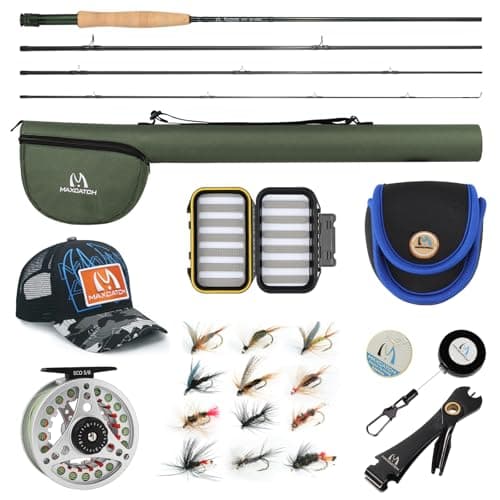
The most sensible version of the matched-kit idea: a rod, a reel, line already on the spool and a case, in a choice of weights so you can buy a 3-weight for genuinely small creeks instead of the default 5. Nothing here needs matching by you.
Best for: Best starter kit overall9.0 - 2
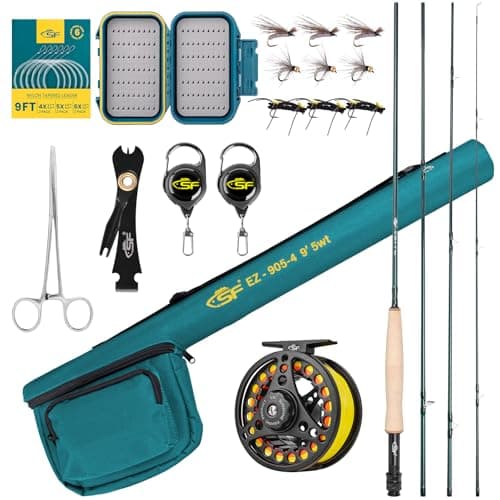
The kit that comes closest to being genuinely complete out of the box — rod, reel, line and the small consumables that the cheaper sets leave you to discover you need. A 9-foot 5-weight, so better on open stream than in a tunnel of alders.
Best for: Best kit with the extras included8.7 - 3
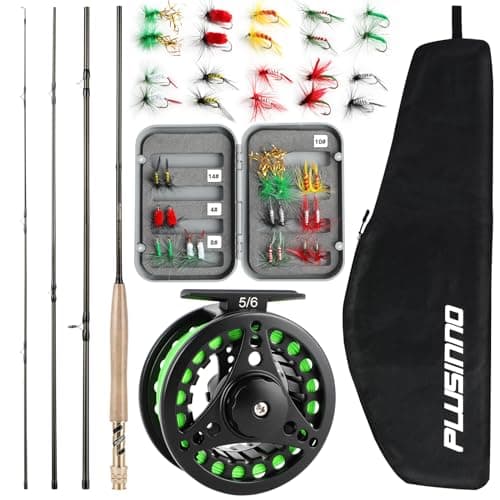
The bottom of the range that still gives you a usable, castable outfit rather than a toy. If the budget is the constraint and you want to find out whether fly fishing is for you before spending more, this is where to start.
Best for: Cheapest kit worth owning8.3 - 4
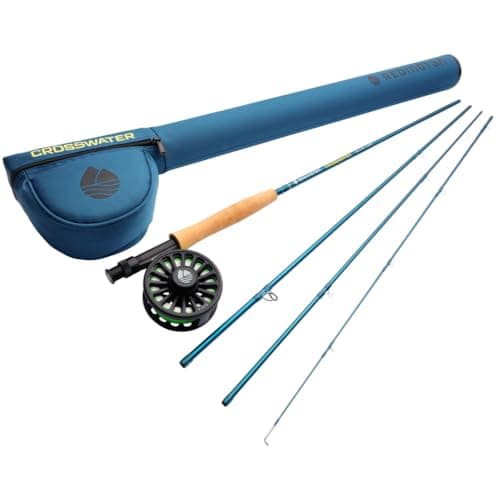
A real brand outfit: a Redington rod with a warranty behind it, a Crosswater reel, Rio Mainstream line that is a genuine upgrade over kit line, and a zippered travel case. The kit to buy if you already know you will keep fishing.
Best for: Best kit you will not outgrow9.2
| # | Product | Best for | Score | Price |
|---|---|---|---|---|
| 1 | Maxcatch Extreme Fly Fishing Combo Kit The most sensible version of the matched-kit idea: a rod, a reel, line already on the spool and a case, in a choice of weights so you can buy a 3-weight for genuinely small creeks instead of the default 5. Nothing here needs matching by you. | Best starter kit overall | 9.0 | $84.95View on Amazon#ad |
| 2 | SF Fly Fishing Rod and Reel Combo Starter Kit, 9' 5wt The kit that comes closest to being genuinely complete out of the box — rod, reel, line and the small consumables that the cheaper sets leave you to discover you need. A 9-foot 5-weight, so better on open stream than in a tunnel of alders. | Best kit with the extras included | 8.7 | $84.99View on Amazon#ad |
| 3 | PLUSINNO Fly Fishing Rod and Reel Combo, 4-Piece 5/6wt 9' The bottom of the range that still gives you a usable, castable outfit rather than a toy. If the budget is the constraint and you want to find out whether fly fishing is for you before spending more, this is where to start. | Cheapest kit worth owning | 8.3 | $62.97View on Amazon#ad |
| 4 | Redington Crosswater Fly Fishing Outfit, 9' 5WT 4-Piece A real brand outfit: a Redington rod with a warranty behind it, a Crosswater reel, Rio Mainstream line that is a genuine upgrade over kit line, and a zippered travel case. The kit to buy if you already know you will keep fishing. | Best kit you will not outgrow | 9.2 | $229.99View on Amazon#ad |
A fly fishing starter kit should contain a rod, a reel, backing, a weight-forward floating line, a tapered leader and a small assortment of flies. Most kits sold as “complete” include the first four and stop, which is why people get to the water and cannot fish: a fly cannot be tied to a fly line without a leader. The short answer for most beginners is the Maxcatch Extreme combo plus about $25 of leader, tippet and flies — and if you want one box that needs almost nothing added, the Redington Crosswater outfit.
What belongs in a starter kit
Six items, in the order the line runs from the reel to the fish.
| Item | What it does | In most kits? |
|---|---|---|
| Rod | Casts the line; weight and length decide what water suits | Yes |
| Reel | Holds line and balances the rod; a line holder on small trout | Yes |
| Backing | Cheap filler line under the fly line | Usually, pre-loaded |
| Fly line | The weight you actually cast — a floating weight-forward taper | Yes |
| Tapered leader | Clear link from thick line to fly, 9 ft, 4X-5X | Rarely |
| Flies + tippet | What the fish eats, and the thread it hangs on | Rarely |
That is the whole functional list. A kit that covers the first four leaves you about $25 short of fishing, which is worth knowing before you compare prices: a $60 kit plus leader, tippet and flies costs the same as an $85 kit with all of it in the box. The full budget breakdown across every item is in how much fly fishing costs.
What the cheap sets leave out
A tapered leader. Fly line is thick and opaque. You cannot tie a size 16 fly to it and expect a trout to eat. A 9-foot tapered leader in 4X or 5X is the clear, gradually thinning link that makes the whole thing work, and it costs a few dollars.
Tippet. The spool of fine line you tie onto the leader's end, so that changing flies shortens the tippet rather than the expensive leader. Buy 4X and 5X to start. How to join the two is the most common beginner snag, and it has its own page: how to tie tippet to leader.
Flies. A small boxed assortment is enough for a first season — a few beadhead nymphs, a couple of dry flies and two Wooly Buggers will catch fish almost anywhere there are trout. Our beginner fly assortment guide covers what to look for.
Nippers and forceps. Not glamorous, needed constantly. Nail clippers work on day one; a tools kit is $10.
What is not missing, and does not need buying yet
Kit or separate pieces?
Buy the kit. For a first setup, a matched outfit is cheaper than the same three pieces bought separately, and it removes the one mistake a beginner cannot easily diagnose: a line that does not match the rod weight. A 5-weight line on a 5-weight rod loads the rod correctly and the cast works; the same rod with a 7-weight line feels dead and the caster blames themselves.
Buy separately when you know what you want. Anglers who already fish, or who have a specific creek in mind, do better choosing a rod first and then matching line to it — our rod roundup and fly line guide cover that route, and the complete outfits comparison does the cost math between the two approaches.
Which weight and length to ask for
Weight is the mass of line the rod is built to cast, not how heavy the rod is. For trout in creeks and small streams, you live between 3 and 5. A 5-weight is the famous do-everything trout size and the right call if you will also fish bigger water. A 3-weight is a pleasure on small streams and protects fine tippet, and it makes a nine-inch wild brook trout feel like an event.
Length: shorter than the default if your water is tight.Kits are almost all 9 feet because 9 feet is the river standard. On a creek roofed over with alders, a 7′6" to 8′6" rod fits where a 9-footer does not. No budget kit is sold in those lengths, which is a real argument for buying the rod separately once you know your water — see the weight comparison for where that fork leads.
Four-piece beats two-piece. Every kit here is 4-piece, which matters more than it sounds: a 4-piece rod fits in a car, on a plane and on a pack, so it comes with you instead of staying home. If travel is the point, the travel rod guide goes further.
The kits worth buying
Four kits, ranked below, from the cheapest sensible entry to the outfit you will not outgrow. We compared what is in each box, the rod weight options, the quality of the included line and whether the reel comes pre-loaded. We have not cast every one of them on a stream and do not claim to: our method is on the how we research and pick page, and the prices on this page are live and dated.
What to do with it first
Spend an hour on grass before you go near water. Tie a bit of wool to the leader instead of a fly and cast in a park. Fly casting is a timing skill, and grass lets you watch the line do what your arm just told it to. An hour there is worth more than a day of frustration on a creek where you are also managing current, branches and footing.
Then fish one small creek, close to home, repeatedly. Small water teaches faster than big water because everything is visible: you can see the fish, the current seams and your own mistakes. Stay low, move upstream, and give each likely pocket two or three casts before moving on. The complete beginner gear guide sets out the whole kit in buying order with a running total, and what gear to use for trout covers the spinning alternative if the fly route turns out not to be for you.
Buying the kit is the first half of the job. Putting it together — rod sections, reel, backing, line the right way round, leader, tippet, fly — is the second, and it is laid out in seven steps in how to set up a fly rod.
What no starter kit includes is the handful of small items you will want on the first trip: nippers, forceps, spare leaders and tippet. They are listed in buying order, with what to skip, in the fly fishing accessories guide.
The cheapest thing in a starter kit is the one most people skip. A $15 book will do more for your catch rate than a rod upgrade — the best fly fishing books for beginners has the six worth owning. If you are still choosing the rod itself, see how to choose a fly rod.
The picks in detail
Maxcatch Extreme Fly Fishing Combo Kit
9.0/10Best for: Best starter kit overall
The most sensible version of the matched-kit idea: a rod, a reel, line already on the spool and a case, in a choice of weights so you can buy a 3-weight for genuinely small creeks instead of the default 5. Nothing here needs matching by you.
- Includes
- Rod, reel, line, carry case
- Weights
- 3wt / 5wt / 6wt / 8wt
- Rod pieces
- 4-piece
- Weight choice includes a 3wt for small water
- Line comes pre-loaded, nothing to spool
- Under $100 complete
- The line is the first thing you will upgrade
- No leader, tippet or flies included
SF Fly Fishing Rod and Reel Combo Starter Kit, 9' 5wt
8.7/10Best for: Best kit with the extras included
The kit that comes closest to being genuinely complete out of the box — rod, reel, line and the small consumables that the cheaper sets leave you to discover you need. A 9-foot 5-weight, so better on open stream than in a tunnel of alders.
- Includes
- Rod, reel, line, starter accessories
- Size
- 9 ft, 5-weight
- Rod pieces
- 4-piece
- Fewest extra purchases needed on day one
- 4-piece rod packs down for travel
- Priced below $100
- 9 ft is long for brushy creeks
- Accessory quality is basic
PLUSINNO Fly Fishing Rod and Reel Combo, 4-Piece 5/6wt 9'
8.3/10Best for: Cheapest kit worth owning
The bottom of the range that still gives you a usable, castable outfit rather than a toy. If the budget is the constraint and you want to find out whether fly fishing is for you before spending more, this is where to start.
- Includes
- Rod, reel, line, carrier bag
- Size
- 9 ft, 5/6-weight
- Rod pieces
- 4-piece
- Lowest cost of entry here
- Complete and castable
- Carry bag included
- Heaviest-feeling rod of the four
- Reel is the weak link
Redington Crosswater Fly Fishing Outfit, 9' 5WT 4-Piece
9.2/10Best for: Best kit you will not outgrow
A real brand outfit: a Redington rod with a warranty behind it, a Crosswater reel, Rio Mainstream line that is a genuine upgrade over kit line, and a zippered travel case. The kit to buy if you already know you will keep fishing.
- Includes
- Rod, reel, Rio WF5F line, travel case
- Size
- 9 ft, 5-weight
- Rod pieces
- 4-piece
- Line is the quality you would buy as an upgrade
- Brand warranty and dealer network
- No part of it needs replacing in year one
- Two to three times the budget kits
- Still a 9 ft 5wt, not a creek specialist
Prices shown are from Amazon as of October 20, 2026 and change often — the button always goes to the current listing. Some links may earn us a commission at no extra cost to you. How this works.
Frequently asked questions
What should be in a fly fishing starter kit?
A rod, a reel with backing, a weight-forward floating fly line matched to the rod weight, a 9-foot tapered leader, a spool or two of tippet, and a small assortment of flies. Most kits include the first three or four items only, so budget about $25 for leader, tippet and flies on top.
Are fly fishing starter kits any good?
For a first setup, yes. A matched rod-reel-line outfit costs less than the same three pieces bought separately and removes the risk of pairing a line to the wrong rod weight. The compromise is that the included line and reel are where manufacturers save money, so the line is usually the first upgrade.
What weight fly rod should a beginner start with?
A 5-weight if you want one rod for mixed water, or a 3-weight if you will mostly fish small creeks and brushy streams. Both handle trout. The 5-weight casts bigger flies and handles wind better; the 3-weight is more fun on small water and protects fine tippet from breaking.
How much does a complete fly fishing setup cost?
A usable complete setup starts around $85: roughly $60 to $90 for a matched rod, reel and line kit, plus about $25 for a leader, tippet and a small fly assortment. A brand outfit with a warranty and quality line runs $200 to $250 and needs nothing replaced in the first season.
Sources
Keep reading
Not sure where to start?
The beginner gear guide walks you through exactly what a new stream angler needs — the six essentials first, nice-to-haves later, with one safe-default pick per category.