Guides · Problem Guide
How to Set Up a Fly Rod
Seven steps, about twenty minutes, and two of them are the ones everybody gets wrong. This is the whole sequence from a box of parts to a rod you can cast, written for someone who has never done it.
Disclosure: Creek Cover is reader-supported. If you buy through our links we may earn a commission, at no extra cost to you. It never changes which pick we tell a new angler to start with. Full disclosure.
Quick picks at a glance
Tap a pick to read the full write-up, or the price button to check it on Amazon.
- 1
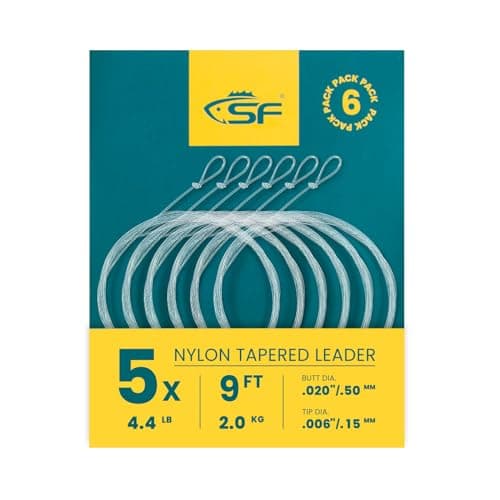
A 9 foot 5X tapered leader is the standard starting point for creek and stream trout. It loops to the fly line in seconds and it is what turns a cast into a presentation rather than a pile of line landing in a heap.
Best for: Best for step 6 - the leader9.2 - 2
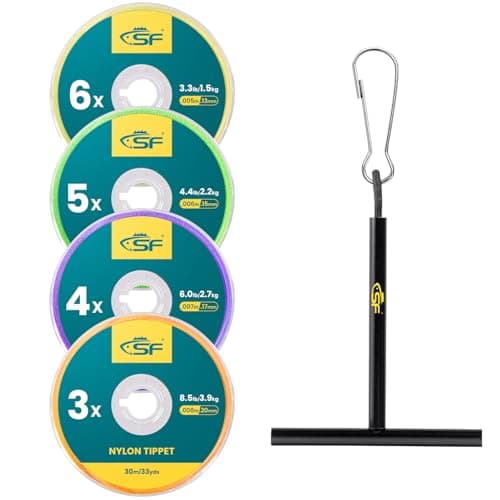
Tippet is what you rebuild the end of the leader with so you are not buying a new leader every afternoon. A multi-size pack covers 3X through 6X, which is every fly a small stream calls for.
Best for: Best for step 7 - the tippet9.1 - 3
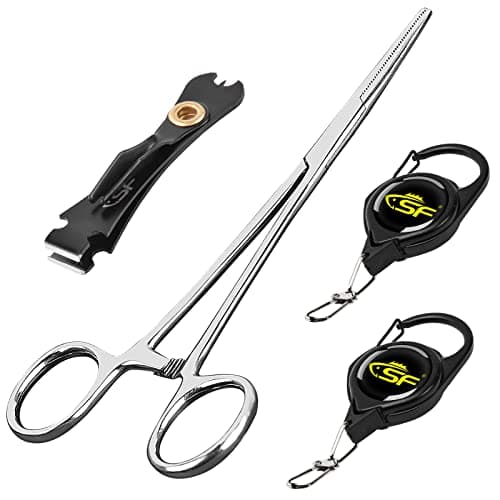
You cannot set up a rod with your teeth. A nipper cuts tag ends clean, forceps unhook fish and pinch barbs, and the zinger means neither ends up on the riverbed. Ten dollars for the three things every step above assumes you have.
Best for: Best for doing any of this streamside9.0 - 4
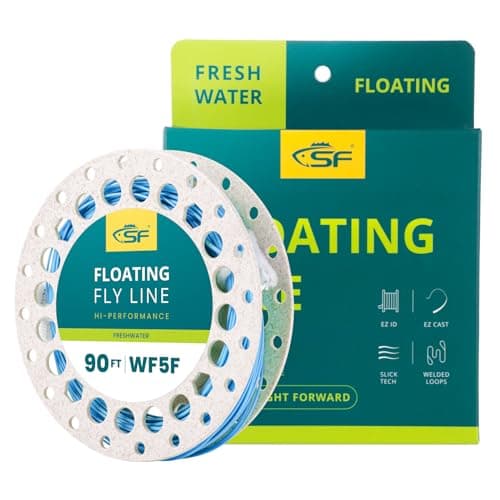
If the rod came without a line, or came with the stiff coil that outfits sometimes include, a weight-forward floating 5 weight is the line to put on. It is the line almost all casting instruction assumes you are using.
Best for: Best for step 4 - the line itself8.9
| # | Product | Best for | Score | Price |
|---|---|---|---|---|
| 1 | SF Fly Fishing Tapered Leader, 9 ft 5X A 9 foot 5X tapered leader is the standard starting point for creek and stream trout. It loops to the fly line in seconds and it is what turns a cast into a presentation rather than a pile of line landing in a heap. | Best for step 6 - the leader | 9.2 | $7.99View on Amazon#ad |
| 2 | SF Nylon Fly Fishing Tippet, 3X-6X 30 m Spools Tippet is what you rebuild the end of the leader with so you are not buying a new leader every afternoon. A multi-size pack covers 3X through 6X, which is every fly a small stream calls for. | Best for step 7 - the tippet | 9.1 | $9.99View on Amazon#ad |
| 3 | SF Fly Fishing Tools Kit: Nipper, Zinger & Forceps You cannot set up a rod with your teeth. A nipper cuts tag ends clean, forceps unhook fish and pinch barbs, and the zinger means neither ends up on the riverbed. Ten dollars for the three things every step above assumes you have. | Best for doing any of this streamside | 9.0 | $9.99View on Amazon#ad |
| 4 | SF Fly Line, Weight Forward Floating WF5F, 90 ft If the rod came without a line, or came with the stiff coil that outfits sometimes include, a weight-forward floating 5 weight is the line to put on. It is the line almost all casting instruction assumes you are using. | Best for step 4 - the line itself | 8.9 | $19.99View on Amazon#ad |
The whole sequence: join the rod sections with the guides aligned, mount the reel under the rod, wind on backing, then the fly line with the thin end outward, then loop on a 9 foot tapered leader, then add tippet and tie on the fly. That is it. The two steps people get wrong are winding the fly line on the wrong way round and setting the reel up to retrieve with the wrong hand — both are easy to fix now and annoying to fix on the water.
The seven steps
| Step | What you do | The thing to watch |
|---|---|---|
| 1 | Join the rod sections | Align the guides, seat firmly with a slight twist |
| 2 | Mount the reel | Reel hangs BELOW the rod, seated in the reel seat |
| 3 | Wind on backing | Only if the reel is empty - many come pre-loaded |
| 4 | Attach the fly line | Thick end to the reel, thin end outward |
| 5 | Thread the line through the guides | Double the line over so it cannot slip back |
| 6 | Loop on the tapered leader | Loop to loop - no knot needed |
| 7 | Add tippet and tie the fly | Wet the knot, pull slow, trim the tag |
1-2. Rod sections and reel
Join the sections dry and aligned. Push each male ferrule into its female socket at about a quarter-turn offset, then twist to line the guides up as you seat it. That twisting action locks the joint. Never wax a ferrule — wax collects grit and turns a snug joint into a stuck one.
Sight down the rod from the butt. Every guide should sit in one straight line. A rod built with a twist in it casts crooked and you will blame yourself for it.
The reel hangs below the rod. This surprises people coming from spinning gear, where the reel sits under the rod too but the grip is different. Slide the reel foot into the reel seat and tighten the locking rings finger-tight — no tools.
Decide which hand reels now. Most right-handed casters hold the rod in the right hand and reel with the left, which means the handle goes on the left. Reels are reversible and the swap is a two-minute job at home, not a streamside one.
3-5. Backing, line, and which way round
Backing is thin line that fills the spool under the fly line. Its job is to take up space so the fly line sits on a wide diameter, and on a creek it is almost never touched by a fish. Many reels sold as outfits arrive pre-loaded — check before you buy a spool you do not need.
The fly line goes on thick end first. This is the mistake. A weight-forward line has a heavy belly at one end and a fine tip at the other; the thick end attaches to the backing and the fine tip is what ends up at the leader. Put it on backwards and the rod will not load at all.
Most modern lines mark it for you. Look for a printed tag or a welded loop at the tip end — the loop end is the end that stays out.
Thread the line doubled over. Fold the first foot of fly line back on itself and push the loop through each guide. If you let go, a doubled line sits in the guide instead of sliding back to the reel, which saves rethreading the whole rod.
6-7. Leader and tippet
A 9 foot 5X tapered leader is the right default for creek and stream trout. It tapers from thick at the line end to fine at the fly, which is what makes a fly land ahead of the line instead of in a heap on top of it.
Connect it loop to loop. Pass the leader's loop through the fly line's welded loop, then pass the far end of the leader through its own loop and pull tight. It should form a square knot, not a girth hitch — if it looks like a slipknot, undo it and pass it the other way.
Then add tippet. Tippet is a short length of level line tied to the thin end of the leader, so each fly change cuts tippet rather than shortening an expensive leader. The knot and the reasoning are covered step by step in how to tie tippet to leader.
Tie the fly on with a clinch knot, wet it with saliva or water before you pull it tight, draw it down slowly, and trim the tag end close with a nipper. A dry knot pulled fast is a knot that fails on the first fish.
If the rod came as an outfit, you are nearly done
The two mistakes everyone makes
Fly line on backwards. Symptom: the rod feels dead, the line will not shoot, and casting feels like throwing string. Fix: strip the line off, reverse it, wind it back on. Twenty minutes, no harm done.
No leader, or a leader that is just level mono. Symptom: the fly lands in a pile with the line, usually with a tangle. A length of straight 6 lb mono is not a leader; the taper is the whole function.
A third, less common one: over-tightened reel seat rings. Finger-tight is enough. Cranked down, the rings mark the reel foot and can seize on an anodized seat.
Checking it before you cast
Pull on it. Hold the fly and pull steadily against the rod with the reel in gear. Every connection from reel to fly should hold under a firm pull. Anything that slips was tied badly, and better to learn that in a yard than on a fish.
Check the line comes off the reel freely. Strip ten yards onto the grass; it should pull smoothly without the reel locking up or the line binding under itself on the spool.
Then stretch the line. New fly line holds coils from the spool. Pull it out and stretch it in three-foot sections between your hands before the first cast — it takes a minute and removes most of the tangles a beginner blames on their casting.
And when you are done, break it down properly. Reel the leader to the tip, break the rod into sections, and put the sock and tube on before you walk back to the car. More rods are broken in car doors than by fish, which is also why a decent rod case is worth the money. If the whole kit is still coming together, the full list is in the fly fishing starter kit guide.
Two pages either side of this one. How to choose a fly rod covers buying the rod in the first place, and the best fly line for streamers covers rigging a sink tip once you move on from a floating line. If the terminology is the sticking point, fly line, leader and tippet explained separates the three materials and what each one does.
The picks in detail
SF Fly Fishing Tapered Leader, 9 ft 5X
9.2/10Best for: Best for step 6 - the leader
A 9 foot 5X tapered leader is the standard starting point for creek and stream trout. It loops to the fly line in seconds and it is what turns a cast into a presentation rather than a pile of line landing in a heap.
- Length
- 9 ft
- Tippet size
- 5X
- Attachment
- Loop to loop
- The right default size for trout
- Loop-to-loop, no knot needed
- Costs less than a coffee
- Gets shorter every fly change
- 5X is light for bass or carp
SF Nylon Fly Fishing Tippet, 3X-6X 30 m Spools
9.1/10Best for: Best for step 7 - the tippet
Tippet is what you rebuild the end of the leader with so you are not buying a new leader every afternoon. A multi-size pack covers 3X through 6X, which is every fly a small stream calls for.
- Sizes
- 3X to 6X
- Length
- 30 m per spool
- Material
- Nylon monofilament
- Saves leaders from being cut away
- Covers the whole trout range
- Spools fit a vest pocket
- Needs a knot you have to learn
- Nylon weakens with age and sun
SF Fly Fishing Tools Kit: Nipper, Zinger & Forceps
9.0/10Best for: Best for doing any of this streamside
You cannot set up a rod with your teeth. A nipper cuts tag ends clean, forceps unhook fish and pinch barbs, and the zinger means neither ends up on the riverbed. Ten dollars for the three things every step above assumes you have.
- Includes
- Nipper, zinger, forceps
- Carry
- Clips to a pack or vest
- Use
- Every fly change
- Clean cuts mean knots that hold
- Retractor stops lost tools
- The cheapest useful kit on the site
- Nipper blades dull in a season
- Lightweight forceps bend under force
SF Fly Line, Weight Forward Floating WF5F, 90 ft
8.9/10Best for: Best for step 4 - the line itself
If the rod came without a line, or came with the stiff coil that outfits sometimes include, a weight-forward floating 5 weight is the line to put on. It is the line almost all casting instruction assumes you are using.
- Taper
- Weight forward
- Weight
- WF5F - 5wt floating
- Length
- 90 ft
- Matches a 5 weight rod exactly
- Floating, which is what beginners need
- Welded loop ends on most spools
- Not a premium line - it will not last five seasons
- Only right for 5 weight rods
Prices shown are from Amazon as of October 20, 2026 and change often — the button always goes to the current listing. Some links may earn us a commission at no extra cost to you. How this works.
Frequently asked questions
How do you set up a fly fishing rod step by step?
Join the rod sections with the guides aligned, mount the reel below the rod in the reel seat, wind backing onto an empty spool, attach the fly line thick end first, thread the doubled line through the guides, loop a 9 foot tapered leader to the fly line, then add tippet and tie on the fly with a wetted clinch knot.
Which way round does a fly line go on the reel?
Thick end to the reel, fine end out. A weight-forward line has a heavy belly at one end and a fine tip at the other; the tip end usually carries a welded loop or a printed tag. Fitted backwards the rod will not load and casting feels dead - the fix is to strip the line off and reverse it.
How do you set up a fly reel - left hand or right hand?
Most right-handed casters hold the rod in the right hand and reel with the left, so the handle goes on the left side. Fly reels are reversible and swapping the retrieve side is a two-minute job with the spool off, so decide at home rather than at the water.
Do I need backing on a fly reel for trout?
You need something to fill the spool so the fly line sits on a wide diameter, but a creek trout will never reach it. Many reels sold in outfits arrive pre-loaded with backing and line, so check before buying a spool. If the reel is bare, 20 lb backing wound until the fly line sits just below the rim is plenty.
What leader should a beginner use?
A 9 foot 5X tapered leader, attached loop to loop. The taper is what makes the fly land ahead of the line instead of in a pile. Add a short length of 5X tippet to the end so each fly change cuts cheap tippet rather than shortening the leader.
Sources
Keep reading
Not sure where to start?
The beginner gear guide walks you through exactly what a new stream angler needs — the six essentials first, nice-to-haves later, with one safe-default pick per category.