Flies & Lures · Roundup
The Best Fly Boxes
The cheapest item in fly fishing, and the one that quietly destroys your flies if you get it wrong. Rusted hooks and crushed hackle are storage problems, not fly problems.
Disclosure: Creek Cover is reader-supported. If you buy through our links we may earn a commission, at no extra cost to you. It never changes which pick we tell a new angler to start with. Full disclosure.
Quick picks at a glance
Tap a pick to read the full write-up, or the price button to check it on Amazon.
- 1
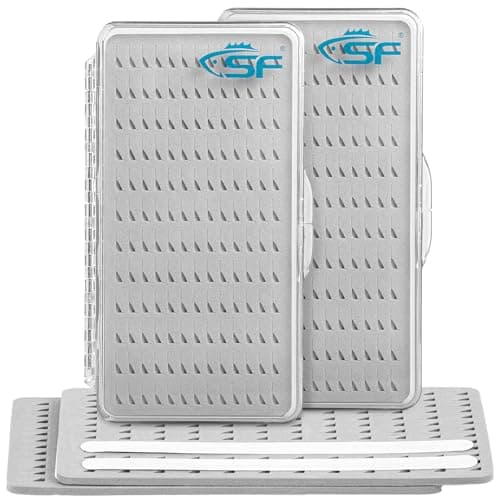
Slit foam, clear lid, waterproof seal, pocket-sized. Every feature that matters and none that do not — and cheap enough to own two so nymphs and dries live apart.
Best for: Best fly box overall9.2 - 2
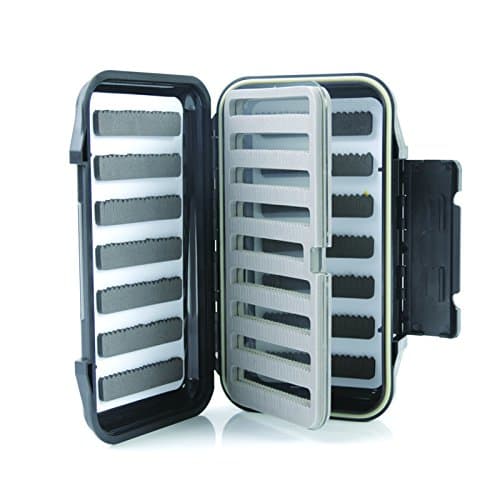
Swing-leaf pages multiply usable surface inside the same footprint, so one box holds nymphs, dries and streamers separated by page. The right answer if you want one box for everything.
Best for: Best capacity in a pocket box9.0 - 3
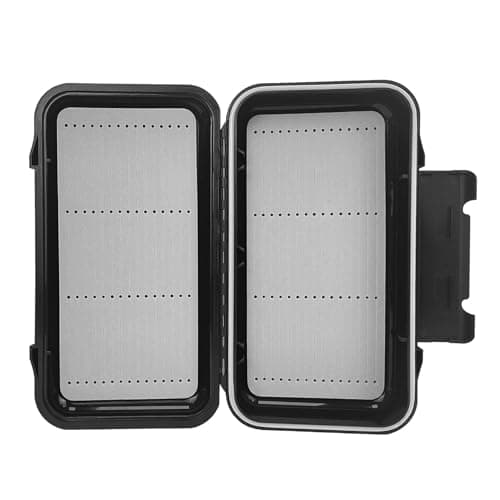
Foam on both faces doubles the capacity of a flat box for very little money. The sensible second box when the first one fills up, which it will by mid-season.
Best for: Best value double-sided box8.7 - 4
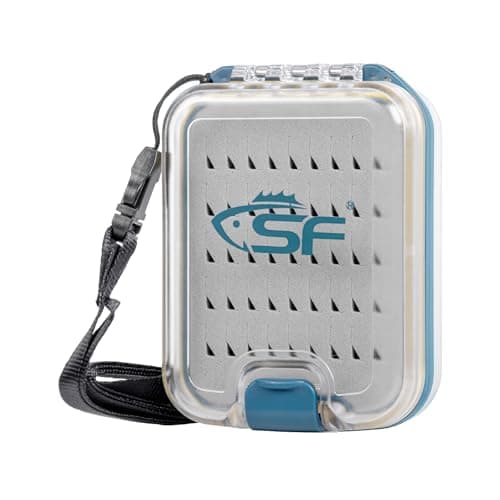
Shirt-pocket sized with a lanyard so it hangs where you can reach it one-handed. For a creek day where you genuinely only need a dozen flies, this is all the box there is.
Best for: Best minimalist box8.8 - 5
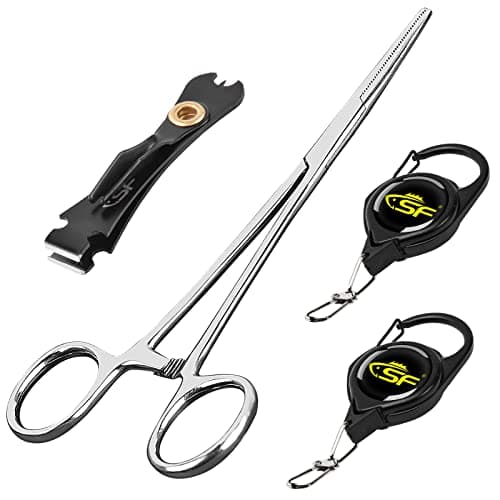
Not a box, but the three things you need alongside one. Nippers to cut tippet, forceps to unhook, and a retractor to keep both on your chest instead of buried in a pack.
Best for: The tools that belong with the box9.2
| # | Product | Best for | Score | Price |
|---|---|---|---|---|
| 1 | SF Waterproof Slit-Foam Fly Box with Clear Lid Slit foam, clear lid, waterproof seal, pocket-sized. Every feature that matters and none that do not — and cheap enough to own two so nymphs and dries live apart. | Best fly box overall | 9.2 | $16.99View on Amazon#ad |
| 2 | Maxcatch Waterproof Swing-Leaf Fly Box Swing-leaf pages multiply usable surface inside the same footprint, so one box holds nymphs, dries and streamers separated by page. The right answer if you want one box for everything. | Best capacity in a pocket box | 9.0 | $15.95View on Amazon#ad |
| 3 | Aventik Waterproof Fly Box, Double-Sided Foam Foam on both faces doubles the capacity of a flat box for very little money. The sensible second box when the first one fills up, which it will by mid-season. | Best value double-sided box | 8.7 | Check price on Amazon#ad |
| 4 | SF Mini Double-Sided Fly Box with Lanyard Shirt-pocket sized with a lanyard so it hangs where you can reach it one-handed. For a creek day where you genuinely only need a dozen flies, this is all the box there is. | Best minimalist box | 8.8 | $8.99View on Amazon#ad |
| 5 | SF Fly Fishing Tools Kit: Nipper, Zinger & Forceps Not a box, but the three things you need alongside one. Nippers to cut tippet, forceps to unhook, and a retractor to keep both on your chest instead of buried in a pack. | The tools that belong with the box | 9.2 | $9.99View on Amazon#ad |
Buy the SF waterproof slit-foam box, and if you fish streamers as well, add the swing-leaf box. Both cost less than a handful of shop-tied flies. And buy the nippers-and-forceps kit at the same time — it is not a box, but it is the thing that should live next to it, and it changes the rhythm of an entire fishing day.
How we picked these
We compared published interior type, waterproof construction, lid transparency, physical dimensions and attachment options against creek fishing with small flies: sizes 14 to 18 for nymphs and dries, 8 to 12 for streamers, accessed one-handed while standing in water. We weighted hook retention without hackle crush and waterproofing above capacity, because the failure modes that cost you money are rusted hooks and flattened dry flies. We do not immersion-test boxes; our method is on the how we research and pick page, and prices are live and dated.
Slit foam, flat foam, swing leaf or magnetic
| Interior | How it holds flies | Best for | Weakness |
|---|---|---|---|
| Slit foam | Hook slides into a cut slot | Small nymphs and dries — the creek default | Slits widen with heavy use |
| Flat / dimpled foam | Hook point pushed into the surface | Cheap capacity, mixed sizes | Flies fall loose when the box is tipped |
| Swing leaf | Foam pages that fan open | Maximum capacity, streamers | Thicker; can pinch flies when closing |
| Magnetic | Magnet holds the hook flat | Very small midges, size 20+ | Flies shift and clump; useless for big hooks |
For creek trout, slit foam is the right default. The slot grips the hook bend firmly so nothing shifts when you tip the box, and — importantly — the fly sits with its hackle and wing clear of the foam rather than mashed into it. Flat foam is cheaper and fine for nymphs, but dry flies stored in it come out looking tired, and a dry fly with crushed hackle will not float.
Magnetic boxes are a specialist tool for midges in sizes 20 and smaller, where a slit would be bigger than the hook. Skip them until you fish that small.
Why waterproof actually matters
This sounds like a feature you can skip on a cheap item. It is the one that costs you flies.
Hooks rust. A fly box takes rain, spray and the occasional full dunk, and water that gets in has nowhere to go. A sealed box with a gasket keeps the inside dry, which means your hooks are still sharp and still strong next season. An unsealed box after a wet autumn will have a layer of rust-speckled flies in it, and a rusted hook snaps under load.
A clear lid is worth almost as much. Being able to see your flies without opening the box means you do not expose the whole selection to rain to find one nymph, and you can choose a fly one-handed. It is a small thing that you appreciate twenty times a day.
Waterproof does not mean dry
How many boxes, and how big
One box is enough to start; two is the comfortable answer. The practical split is nymphs and dries in one, streamers and larger patterns in another — because streamers are three times the size and will take up half a small box on their own.
Buy small. The constraint on a creek is not how many flies you can own, it is how much you want hanging off you while pushing through alders. A thin box that fits a shirt pocket or slides flat into a sling pack is what you will actually carry; a large chest-pack-sized box stays in the car. The mini box on a lanyard takes this to its logical end and is genuinely pleasant to fish with.
One honest note: most beginner fly assortments ship with a box included, so you may already own box number one. Buying a better one is still worthwhile — the included boxes are usually flat foam and rarely sealed.
How to organize them
The system that works is by type and then by size, not by pattern name. Standing in current you do not think “I want a Pheasant Tail”; you think “I need something smaller, deeper”. Arranging rows by hook size means your hand goes to the right place.
A layout that works for a creek box: nymphs along the top rows, largest to smallest; dries along the bottom rows, largest to smallest; and a couple of slots left deliberately empty for the flies you take off and want to re-use that session. What goes in those top rows is set out in the best nymphs for trout.
Leave space. A box packed to capacity is one you cannot put a fly back into with cold wet fingers, and that is how flies end up loose in a pocket. Fill it to about three-quarters.
The habit that doubles fly life
Flies are destroyed by being put away wet far more often than by fish. Here is the whole fix, and it costs nothing:
Park used flies outside the box. Keep a small patch of foam, wool or sheepskin on the outside of your pack or vest. A fly you have just taken off goes there to dry for the rest of the session, then into the box when you get home. This single habit prevents nearly all hook rust.
Open the box when you get back. Leave it open on a windowsill overnight rather than sealed in a bag. Ten seconds of effort.
Re-fluff dry flies with floatant, not by squeezing. A dry fly that has been sunk comes back with a shake of powder floatant. Squeezing water out of the hackle breaks the fibers and the fly never floats properly again.
Check hook points with a thumbnail. Drag the point across your nail — if it does not catch, it is blunt, and a blunt hook is why the fish came off. Sharpen or retire it.
Next: which flies to put in it, a pack to carry it, and a net for the fish. Fishing hardware instead? The creek lures roundup covers the spinning equivalent, and the beginner gear guide puts the whole kit in order.
Two pages on what goes in the box. If you would rather tie your own flies than buy them — which is how you get the small sizes creeks need — the best fly tying kit for beginners covers the vise and tools. And for the cheapest, most productive flies to fill a box with, the best flies for bluegill and panfish start at well under ten dollars.
A fly box is also the most reliable fishing gift there is — our fly fishing gifts for men and fishing gift ideas pages both lead with one, and the fly tying vise guide covers what fills it if you tie your own.
Then there is what goes in the box. If you are filling a first box on a budget, the cheap flies guide ranks the assortments by cost per fly. If your water holds brookies, the twenty-fly box that covers a whole headwater season is in flies for brook trout.
The picks in detail
SF Waterproof Slit-Foam Fly Box with Clear Lid
9.2/10Best for: Best fly box overall
Slit foam, clear lid, waterproof seal, pocket-sized. Every feature that matters and none that do not — and cheap enough to own two so nymphs and dries live apart.
- Interior
- Slit foam
- Lid
- Clear
- Waterproof
- Yes
- Profile
- Thin, pocketable
- Slit foam holds small hooks without crushing hackle
- Clear lid — identify a fly without opening it
- Genuinely waterproof seal
- Foam slits widen after a season of heavy use
- Not sized for big streamers
Maxcatch Waterproof Swing-Leaf Fly Box
9.0/10Best for: Best capacity in a pocket box
Swing-leaf pages multiply usable surface inside the same footprint, so one box holds nymphs, dries and streamers separated by page. The right answer if you want one box for everything.
- Interior
- Swing-leaf foam pages
- Waterproof
- Yes
- Best for
- Streamers and mixed selections
- Far more capacity for the same pocket space
- Pages keep categories separated
- Handles larger streamer patterns
- Thicker than a flat box
- Pages can snag flies if closed carelessly
Aventik Waterproof Fly Box, Double-Sided Foam
8.7/10Best for: Best value double-sided box
Foam on both faces doubles the capacity of a flat box for very little money. The sensible second box when the first one fills up, which it will by mid-season.
- Interior
- Double-sided foam
- Waterproof
- Yes
- Best for
- A cheap second box
- Twice the flies for barely more money
- Waterproof at a budget price
- Still slim enough to pocket
- Flies on the underside fall loose when opened flat
- Plain foam rather than slit
SF Mini Double-Sided Fly Box with Lanyard
8.8/10Best for: Best minimalist box
Shirt-pocket sized with a lanyard so it hangs where you can reach it one-handed. For a creek day where you genuinely only need a dozen flies, this is all the box there is.
- Size
- Mini
- Interior
- Double-sided foam
- Attachment
- Lanyard
- Waterproof
- Yes
- Hangs on a lanyard — one-handed access
- Fits a shirt pocket with room over
- Cheapest pick here
- Holds a day's flies, not a season's
- Too small for streamers
SF Fly Fishing Tools Kit: Nipper, Zinger & Forceps
9.2/10Best for: The tools that belong with the box
Not a box, but the three things you need alongside one. Nippers to cut tippet, forceps to unhook, and a retractor to keep both on your chest instead of buried in a pack.
- Includes
- Nipper, zinger retractor, forceps
- Mounting
- Clips to pack or shirt
- Best for
- Every fly angler
- All three essential tools in one cheap purchase
- Retractor keeps them reachable one-handed
- Forceps let you unhook without handling the fish
- Basic build
- Nipper blades dull over a couple of seasons
Prices shown are from Amazon as of October 20, 2026 and change often — the button always goes to the current listing. Some links may earn us a commission at no extra cost to you. How this works.
Frequently asked questions
What is the best type of fly box for trout flies?
Slit foam, in a waterproof box with a clear lid. The slot grips the hook bend firmly so flies do not shift, and it holds the fly with its hackle clear of the foam rather than crushed into it - which matters because a dry fly with flattened hackle will not float.
Do I need a waterproof fly box?
Yes, and it is the feature most worth paying for on a cheap item. A sealed box keeps rain and spray out, which stops hooks rusting between trips - and a rusted hook snaps under load. A clear lid is nearly as valuable, since you can pick a fly without exposing the whole box to rain.
How many fly boxes do I need?
One to start, two for comfort. The practical split is nymphs and dries in one box and streamers in another, since streamers are several times larger and will fill a small box on their own. Buy small, thin boxes - the one that fits a pocket is the one you actually carry.
How do you stop fly fishing hooks from rusting?
Never put a wet fly straight into a closed box. Keep a patch of foam or wool on the outside of your pack, park used flies there to dry during the session, and transfer them home. Then leave the box open overnight rather than sealed in a bag.
Sources
Keep reading
Not sure where to start?
The beginner gear guide walks you through exactly what a new stream angler needs — the six essentials first, nice-to-haves later, with one safe-default pick per category.