Flies & Lures · Roundup
The Best Flies for Carp
Carp are the hardest fish in fresh water to fool with a fly and the easiest to find. They eat crayfish, nymphs and anything slow and brown on the bottom. Four patterns cover almost every carp you will see in a creek or a canal.
Disclosure: Creek Cover is reader-supported. If you buy through our links we may earn a commission, at no extra cost to you. It never changes which pick we tell a new angler to start with. Full disclosure.
Quick picks at a glance
Tap a pick to read the full write-up, or the price button to check it on Amazon.
- 1
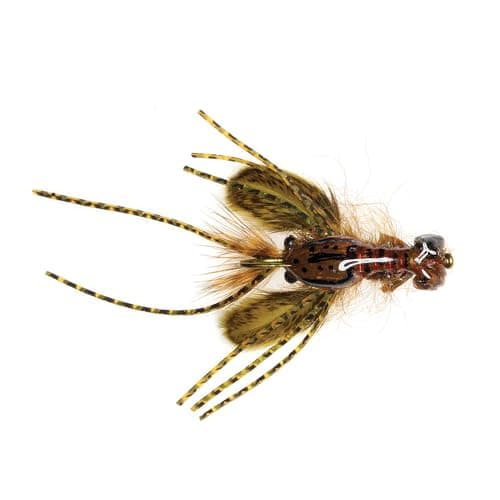
The one fly to have. Carp eat crayfish wherever both exist, which is almost everywhere, and a crayfish pattern works at rest on the bottom — the only presentation a feeding carp reliably accepts. Cast it a foot ahead of a cruising fish, let it sink, and do nothing.
Best for: Best fly for carp overall — the crayfish9.5 - 2
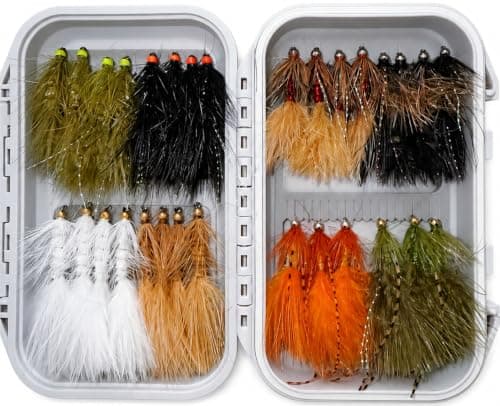
A size 8 or 10 brown or olive Woolly Bugger is a passable crayfish, a passable leech and a passable nymph, which is exactly the vocabulary a carp understands. Buy the multi-size pack, fish the smaller sizes, and strip it only if a dead drift has already been refused.
Best for: Best all-purpose pattern — the brown Woolly Bugger9.2 - 3
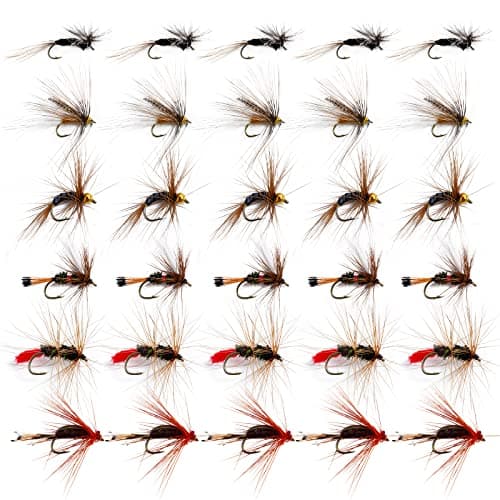
Carp spend much of the summer grubbing through silt for nymphs and worms, and a plain unweighted nymph dropped into the mud cloud is the quiet answer when a crayfish gets refused. An assortment is the sensible way to buy these because size matters more than pattern.
Best for: Best value — the nymph box for carp sipping off the bottom9.0 - 4
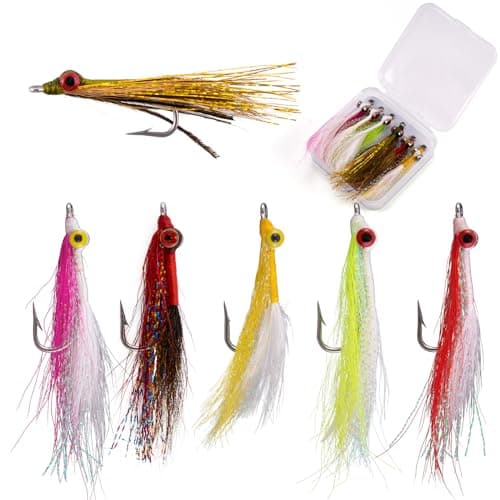
The exception pattern. Most carp refuse anything moving, but a small Clouser twitched past a fish that has been cruising rather than feeding occasionally triggers a grab. It also rides hook-up, which keeps it out of the silt and the weed.
Best for: Best for clear-water carp that will not take anything static8.7
| # | Product | Best for | Score | Price |
|---|---|---|---|---|
| 1 | Colorado Fly Supply Creek Crawler Crayfish Fly The one fly to have. Carp eat crayfish wherever both exist, which is almost everywhere, and a crayfish pattern works at rest on the bottom — the only presentation a feeding carp reliably accepts. Cast it a foot ahead of a cruising fish, let it sink, and do nothing. | Best fly for carp overall — the crayfish | 9.5 | $15.95View on Amazon#ad |
| 2 | Wooly Bugger Flies for Trout, Bass & Panfish, Sizes 4-10 A size 8 or 10 brown or olive Woolly Bugger is a passable crayfish, a passable leech and a passable nymph, which is exactly the vocabulary a carp understands. Buy the multi-size pack, fish the smaller sizes, and strip it only if a dead drift has already been refused. | Best all-purpose pattern — the brown Woolly Bugger | 9.2 | $26.99View on Amazon#ad |
| 3 | Goture 30-Piece Dry, Wet & Nymph Fly Assortment Kit Carp spend much of the summer grubbing through silt for nymphs and worms, and a plain unweighted nymph dropped into the mud cloud is the quiet answer when a crayfish gets refused. An assortment is the sensible way to buy these because size matters more than pattern. | Best value — the nymph box for carp sipping off the bottom | 9.0 | $9.99View on Amazon#ad |
| 4 | Dr.Fish Clouser Minnow Streamer Flies, 6 Pack The exception pattern. Most carp refuse anything moving, but a small Clouser twitched past a fish that has been cruising rather than feeding occasionally triggers a grab. It also rides hook-up, which keeps it out of the silt and the weed. | Best for clear-water carp that will not take anything static | 8.7 | $14.99View on Amazon#ad |
Buy a crayfish pattern first, a brown Woolly Bugger in size 8 or 10 second, and a box of plain nymphs third. Carp are not selective about patterns the way a trout is selective about a hatch — they are selective about movement. A fly that looks like food while sitting still on the bottom catches carp; a fly that has to be stripped mostly does not.
Prices come live from the retailer, date-stamped under each buy button. These patterns are chosen from real listings; we have not run field tests.
What carp actually eat
Crayfish, nymphs, worms, snails and silt. A carp feeding in a creek has its head down in the mud, inhaling whatever is in it. That is why the productive flies are brown, slow and bottom-oriented, and why bright attractor patterns that work on stocked trout are almost useless here.
They feed by touch and smell as much as by sight. Which cuts both ways: a carp will take a fly it has barely looked at if it is in the right place, and it will ignore a perfect imitation that is two feet away. Getting the fly into the feeding zone is the whole skill.
And they spook at movement, not at tippet. This is the opposite of trout fishing. You can fish 3X to a carp. You cannot drag a fly across its nose.
The four patterns, compared
| Fly | Imitates | How to fish it | Best when |
|---|---|---|---|
| Creek Crawler crayfish | Crayfish | Sink and leave static | Any feeding carp — start here |
| Woolly Bugger, size 8-10 brown | Crayfish, leech, nymph | Dead drift, slow twitch | You want one fly for everything |
| Nymph assortment | Nymphs and worms | Drop into the mud cloud | Carp are grubbing in silt |
| Small Clouser Minnow | Baitfish | Short twitches | Fish are cruising, not feeding |
There is no dedicated carp fly assortment worth buying. We looked: the carp boxes sold as such are repackaged trout flies. Build the four above from patterns that are good in their own right and you will have a better box for less.
Presentation beats pattern
Find a feeding fish before you make a cast. A carp with its tail up and a cloud of silt behind it is eating. A carp cruising with its back out of the water is not, and will not eat your fly no matter which one you tie on. Spend the time looking.
Lead it by a foot, let the fly sink, and do nothing. The cast lands ahead of the fish, the fly settles, and the carp moves onto it. If you need to move the fly, move it an inch. A strip is a refusal in carp fishing.
Watch the fish, not the fly. You will rarely see the take. What you see is the carp tip down, flare its gills, or stop. That is the strike — set then. The habit transfers directly from fishing a nymph without an indicator, covered in how to set up a fly rod.
Carp fishing is hunting, not casting
The rod, line and tippet
A 6-weight is the right rod, and a 5-weight will do. Carp are heavy and they run, so you want more rod than a creek trout needs. Nine feet helps you reach past weed. If you are choosing one, the process is in how to choose a fly rod.
A floating line is fine; the fly does the sinking. You are fishing in two to four feet of water to a visible fish, so a weighted fly on a floating line gives you more control than a sinking line would. The floating options are in the best fly line roundup.
Tippet: 3X, and a nine-foot leader. Heavier than trout fishing because the fish are bigger and often near structure, and carp do not inspect tippet. Knot it as in how to tie tippet to leader, and expect your reel drag to earn its keep for once — the options are in the trout fly reel roundup.
Finding carp on small water
Shallow margins, mud bottoms and warm afternoons. Carp move into inches of water to feed where a trout would never go. Creek backwaters, canal edges and the silty tails of pools are the places to walk, and the best light is high sun behind you.
Look for mud clouds and moving tails. Those are feeding fish and they are catchable. Bubbles coming up from a flat are the same signal.
And treat them as a summer species. When the creek is too warm to fish for trout responsibly, carp are feeding hard in the same system — which makes them the honest answer to August. The warm-weather alternatives are in the best flies for bass and the best flies for bluegill, and the cheap fly boxes to keep it all in are in the best cheap flies guide.
The picks in detail
Colorado Fly Supply Creek Crawler Crayfish Fly
9.5/10Best for: Best fly for carp overall — the crayfish
The one fly to have. Carp eat crayfish wherever both exist, which is almost everywhere, and a crayfish pattern works at rest on the bottom — the only presentation a feeding carp reliably accepts. Cast it a foot ahead of a cruising fish, let it sink, and do nothing.
- Type
- Crayfish
- Fishes
- On the bottom, static
- Best water
- Creeks, canals, reservoir margins
- Looks like food sitting still
- Sinks to where carp actually feed
- Also takes smallmouth bass and big trout
- Hangs up in heavy weed
- Needs a sighted fish to be worth casting
Wooly Bugger Flies for Trout, Bass & Panfish, Sizes 4-10
9.2/10Best for: Best all-purpose pattern — the brown Woolly Bugger
A size 8 or 10 brown or olive Woolly Bugger is a passable crayfish, a passable leech and a passable nymph, which is exactly the vocabulary a carp understands. Buy the multi-size pack, fish the smaller sizes, and strip it only if a dead drift has already been refused.
- Type
- Streamer / leech
- Sizes
- 4 to 10
- Colors
- Brown and olive for carp
- Imitates three carp foods at once
- Cheap in a multi-pack
- Works on every other species too
- Marabou can look too lively to a wary carp
- Weighted versions land heavily
Goture 30-Piece Dry, Wet & Nymph Fly Assortment Kit
9.0/10Best for: Best value — the nymph box for carp sipping off the bottom
Carp spend much of the summer grubbing through silt for nymphs and worms, and a plain unweighted nymph dropped into the mud cloud is the quiet answer when a crayfish gets refused. An assortment is the sensible way to buy these because size matters more than pattern.
- Type
- Nymph and wet fly assortment
- Count
- 30 flies
- Fishes
- Dead drift, into a mud cloud
- Covers several sizes cheaply
- Subtle enough for pressured fish
- Doubles as your trout nymph box
- Hooks are lighter than a dedicated carp hook
- Easy to lose in weed
Dr.Fish Clouser Minnow Streamer Flies, 6 Pack
8.7/10Best for: Best for clear-water carp that will not take anything static
The exception pattern. Most carp refuse anything moving, but a small Clouser twitched past a fish that has been cruising rather than feeding occasionally triggers a grab. It also rides hook-up, which keeps it out of the silt and the weed.
- Type
- Small baitfish streamer
- Rides
- Hook up
- Fishes
- Short twitches
- Hook-up design resists snagging
- Covers the cruising-fish case
- Takes bass in the same water
- Movement spooks most feeding carp
- The least reliable pattern here
Prices shown are from Amazon as of October 20, 2026 and change often — the button always goes to the current listing. Some links may earn us a commission at no extra cost to you. How this works.
Frequently asked questions
What is the best fly for carp?
A crayfish pattern. Carp eat crayfish wherever both exist, and a crayfish fly works sitting still on the bottom - which is the only presentation most feeding carp accept. A brown Woolly Bugger in size 8 or 10 is the best single alternative.
What size flies do carp eat?
Sizes 6 to 10 for crayfish and Woolly Buggers, and 12 to 16 for nymphs when fish are grubbing in silt. Size matters more than pattern with carp, and smaller is usually safer on pressured water.
What color flies are best for carp?
Brown, olive and rust - the colors of crayfish, nymphs and silt. Bright attractor patterns that take stocked trout are largely wasted on carp, which feed on the bottom by touch and smell as much as by sight.
How do you present a fly to a carp?
Find a feeding fish - tail up, silt clouding behind it - then land the fly about a foot ahead of it, let it sink, and leave it still. If you must move it, move it an inch. Stripping the fly is the most common way to spook a carp.
What rod and tippet do you need for carp on the fly?
A 9-foot 6-weight is ideal and a 5-weight will do; carp are heavy and they run. Use a floating line with a weighted fly, a nine-foot leader and 3X tippet - heavier than trout fishing, because carp do not inspect tippet and are often near structure.
Sources
Keep reading
Not sure where to start?
The beginner gear guide walks you through exactly what a new stream angler needs — the six essentials first, nice-to-haves later, with one safe-default pick per category.